Note: This article is written as original, publication-ready content and synthesizes current U.S. home design, desk organization, furniture painting, coastal color, and office ergonomics guidance from reputable sources including design publishers, paint brands, home improvement retailers, and health experts.
A desk makeover sounds simple until you meet the desk. There it sits, wearing a tired finish, collecting mystery receipts, holding three pens that do not write, and quietly judging your life choices. But with a little planning, a few smart materials, and a relaxed coastal style approach, that same desk can become the breezy work zone you actually want to sit at.
A coastal style casual desk makeover is not about turning your home office into a souvenir shop with anchors, shells, and a wooden sign yelling “Beach, Please.” Modern coastal design is calmer, cleaner, and more livable. Think soft whites, sandy neutrals, muted blues, natural wood, woven texture, fresh light, and storage that keeps the chaos from staging a comeback.
The goal is simple: create a desk that feels relaxed but functional, casual but polished, and beachy without looking like a crab opened an Etsy store. Whether you work from home, pay bills once a week, write, craft, study, or simply need a pretty place for your laptop, this guide will walk you through the full transformation.
What Is a Coastal Style Casual Desk Makeover?
A coastal desk makeover blends seaside-inspired color, natural textures, practical organization, and comfortable workspace design. It can be as small as repainting a desk and styling it with woven accessories, or as involved as sanding, priming, painting, replacing hardware, adding shelves, managing cords, and refreshing the wall behind it.
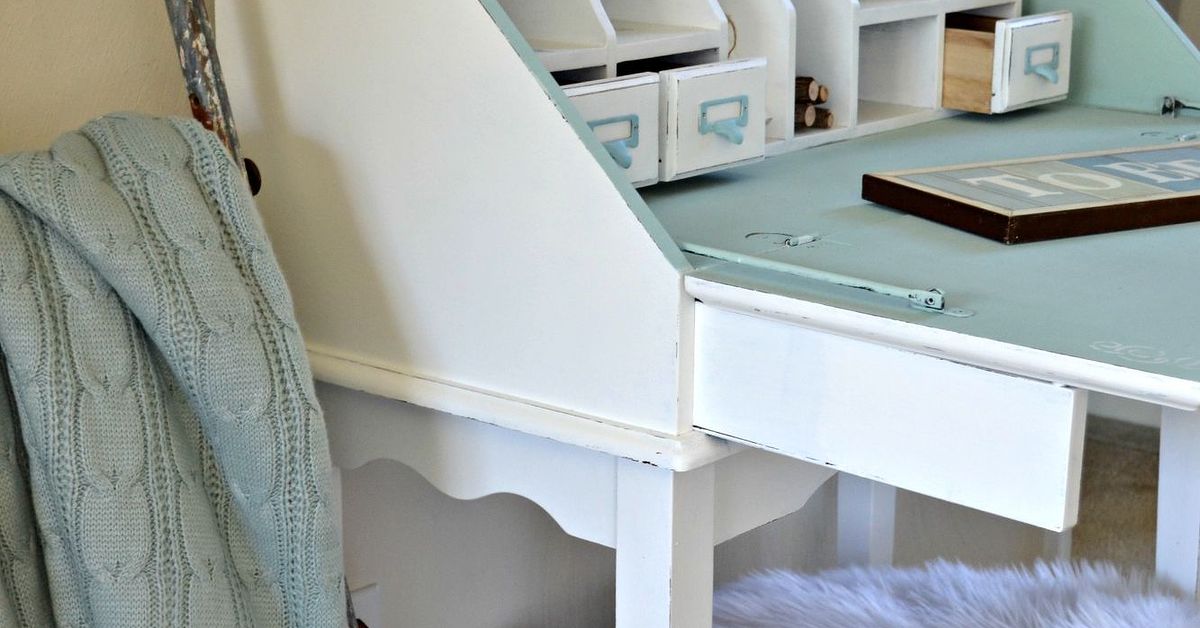
The best version feels effortless. Coastal interiors often borrow from sand, sea, sky, driftwood, and sunlight. For a desk, that might mean a soft white base, a pale blue drawer front, a light oak top, brass or matte black hardware, a jute rug underfoot, and a rattan tray for notebooks. The mood is “quiet morning by the water,” not “pirate-themed conference room.”
Start With a Clear Makeover Plan
Before you buy paint, baskets, lamps, or that adorable ceramic pencil cup shaped like a tiny lighthouse, pause. A desk makeover works best when you decide what the desk needs to do first.
Ask These Questions Before You Begin
- Will this desk be used daily or occasionally?
- Do you need room for a monitor, laptop, printer, or writing pad?
- Is the desktop too cluttered because there is not enough drawer storage?
- Does the chair fit comfortably under the desk?
- Is the current finish damaged, too dark, too glossy, or simply outdated?
- What coastal look do you prefer: modern coastal, cottage coastal, beach house casual, or coastal farmhouse?
Once you know the desk’s job, the decorating decisions become much easier. A writing desk may need open surface space and a beautiful lamp. A work-from-home desk may need cable control, ergonomic monitor placement, file storage, and a calm background for video calls. A craft desk may need wipeable surfaces and bins that can handle glue sticks, scissors, ribbon, and the occasional glitter incident.
Choose a Coastal Color Palette That Feels Fresh
Color is the fastest way to shift a desk from heavy and outdated to light and coastal. Popular coastal palettes lean on soft blues, fresh whites, sandy beiges, sea-glass greens, pale grays, and warm natural wood. Paint brands often build coastal collections around these same families because they echo the colors of water, dunes, shells, cloud cover, and sun-bleached boardwalks.
Best Desk Paint Color Ideas
For a casual coastal desk makeover, consider these combinations:
- White base with natural wood top: crisp, clean, and timeless.
- Pale blue desk with white hardware: cheerful without being loud.
- Soft sage or sea-glass green: calm, modern, and slightly earthy.
- Warm greige with brass pulls: subtle, grown-up, and coastal without obvious beach references.
- Navy drawer fronts with a white frame: bolder and more nautical, but still stylish when used sparingly.
If your room already has bold color, keep the desk neutral. If your room is mostly white, a misty blue or muted green desk can become the gentle focal point. Coastal style is about balance. Too much blue and white can feel flat; too many beach objects can feel forced. The magic happens when color, texture, and function all play nicely together.
Prep the Desk Like a Pro
The unglamorous truth: prep work is what separates a beautiful desk makeover from a desk that starts peeling the second you put a coffee mug on it. Sanding, cleaning, priming, and curing may not be exciting, but they are the adult supervision your project needs.
Step 1: Empty and Clean Everything
Remove every drawer, knob, handle, paper clip, and forgotten candy wrapper. Clean the desk thoroughly with a gentle degreasing cleaner or mild soap solution. Desks collect oils from hands, lotion, dust, ink, and snack crumbs. Paint does not bond well to grime, no matter how optimistic you feel.
Step 2: Sand the Surface
Lightly sanding gives primer and paint something to grip. If the existing finish is glossy, scuff it well. If the desk has rough spots, chips, or peeling finish, sand those areas smoother. For many wood or MDF desks, a fine sanding sponge or 120- to 220-grit sandpaper works well for prep and smoothing.
Always wipe away sanding dust with a tack cloth or microfiber cloth. Dust trapped under paint is how you get a finish that feels like it spent spring break at the beach in a windstorm.
Step 3: Repair Dents and Gaps
Use wood filler for small dents, scratches, or old hardware holes. Let it dry, sand it smooth, and wipe again. If you are changing drawer pulls, measure carefully before drilling new holes. Coastal style may feel relaxed, but crooked hardware still looks like it made a bad decision.
Step 4: Prime Before Painting
Primer helps cover stains, improves adhesion, and creates a smoother base for paint. It is especially important if the desk is dark wood, laminate, MDF, glossy, or previously stained. A thin, even coat is better than a thick, gloopy one. After the primer dries, lightly sand and wipe clean before applying paint.
Paint for a Smooth, Casual Coastal Finish
For a desk, durability matters. This is not a decorative wall shelf that will sit untouched and look pretty. A desk has to survive keyboards, elbows, notebooks, coffee cups, and the emotional weight of Monday emails.
Use Thin Coats
Apply paint in thin, even coats using a quality brush, small foam roller, or paint sprayer if you are comfortable with one. Brush with the grain when painting wood. Let each coat dry fully before adding the next. Two coats are usually enough, but light colors over dark finishes may need three.
Sand Lightly Between Coats
A very light sanding between coats can help create a smoother finish. Use a fine sanding sponge, wipe away dust, and continue. This step feels fussy, but it gives the desk that soft, polished look that says “custom makeover” rather than “I painted this during a thunderstorm.”
Seal the Surface
If the desktop will get heavy use, consider a protective topcoat. A water-based polyurethane or clear furniture sealer can help protect against scratches and stains. Choose a matte or satin finish for a casual coastal look. High gloss can work, but it tends to feel less relaxed and shows fingerprints more dramatically than a detective show.
Add Coastal Texture Without Clutter
Texture is the secret ingredient in coastal style. Without it, a white-and-blue room can look cold. With it, the space feels layered, warm, and lived in.
Natural Materials That Work Beautifully
- Rattan: great for trays, pencil cups, lamp bases, and small baskets.
- Jute or sisal: perfect for rugs or small storage bins.
- Light wood: ideal for desktop accessories, shelves, or a refinished desk top.
- Linen: lovely for curtains, pinboards, or a soft desk chair cushion.
- Seagrass baskets: useful for files, cords, and office supplies.
- Glass accents: especially in pale blue or green, for a sea-glass effect.
Texture lets you suggest the coast without shouting about it. A woven tray, a linen shade, and a pale wood frame can do more than ten plastic starfish ever could.
Upgrade the Hardware
Changing hardware is a small move with a big payoff. If your desk has dated knobs or handles, replace them with something cleaner and more coastal.
Best Hardware Finishes for Coastal Desks
- Brushed brass: warm, stylish, and great with white, navy, or sage.
- Matte black: modern and grounding, especially with pale paint.
- Antique bronze: relaxed and slightly vintage.
- White ceramic: cottage-inspired and charming.
- Natural wood knobs: simple, casual, and understated.
Measure the distance between existing screw holes before buying pulls. If you want a completely new hardware style, fill the old holes before painting. It is easier to fix before the paint goes on than after you have achieved your perfect sea-breeze finish.
Style the Desktop for Real Life
A pretty desk that cannot function is just a decorative guilt platform. The goal is to style the surface so it feels calm and useful.
Keep Only Daily-Use Items on Top
Limit the desktop to the things you use every day: laptop, monitor, lamp, notebook, pen cup, and maybe one decorative object. Everything else should live in a drawer, basket, shelf, or cabinet. This one rule can change the entire energy of your workspace.
Create Zones
Divide the desk into simple zones:
- Work zone: laptop, keyboard, monitor, mouse.
- Writing zone: notebook, planner, pens.
- Storage zone: tray, drawer organizer, file holder.
- Decor zone: one small plant, framed photo, candle, or coastal object.
This keeps the desk from becoming a flat storage unit. A tray is especially useful because it visually gathers objects that might otherwise look scattered. Choose woven, wood, white lacquer, or pale blue for a coastal feel.
Make the Desk Ergonomic, Not Just Pretty
A coastal desk makeover should support your body as well as your mood. A beautiful desk that gives you neck pain is not a makeover; it is furniture with a grudge.
Simple Ergonomic Tips
- Place your monitor directly in front of you.
- Keep the top of the screen at or slightly below eye level.
- Sit with your feet flat on the floor or on a footrest.
- Keep your keyboard and mouse close enough that your shoulders stay relaxed.
- Use a chair that supports your lower back.
- Position bright light to the side of your screen to reduce glare.
If your desk is too low or too high, adjust the chair, add a footrest, or use a monitor riser. A woven storage box can hide cords, but it should not force your monitor into an awkward position. Comfort comes first. The beachy vibes can wait their turn.
Refresh the Wall Behind the Desk
The wall behind your desk can make the makeover feel complete. You do not need a full renovation. A few thoughtful choices can create a polished coastal workspace.
Easy Wall Ideas
- Peel-and-stick grasscloth-style wallpaper: adds texture without major commitment.
- Floating shelves: useful for books, baskets, and display pieces.
- A linen bulletin board: perfect for notes, calendars, and inspiration.
- Framed coastal art: choose abstract waves, soft landscapes, or simple line drawings.
- Wall-mounted file holders: free up desktop space.
Keep the wall treatment calm if your desk is colorful. If your desk is neutral, the wall can carry more personality. A soft blue-gray accent wall, subtle striped wallpaper, or a pair of framed beach photographs can create atmosphere without overwhelming the workspace.
Organize Drawers and Hidden Storage
Drawers are where good intentions go to nap. Without dividers, even the prettiest coastal desk will eventually hide chaos behind its charming painted front.
What to Store in Desk Drawers
- Extra pens and markers
- Sticky notes and index cards
- Charging cables
- Stamps, envelopes, and stationery
- Small tech accessories
- Documents that need quick action
Use drawer dividers, small trays, or repurposed boxes to separate categories. Keep only what you actually use. A drawer should not be a museum of dead batteries, dried glue, and business cards from people you met in 2016.
Hide Cords the Coastal-Chic Way
Cords can ruin a desk makeover faster than a neon orange extension cable snaking across your newly calm workspace. Luckily, cable management does not have to be complicated.
Cord Control Ideas
- Use adhesive cable clips under the desk.
- Mount a power strip to the back or underside of the desk.
- Feed cords through a woven basket with ventilation.
- Label chargers so you know what belongs to what.
- Choose white or fabric-wrapped cords when visible.
For coastal style, hide tech in natural containers where possible. A seagrass lidded box can hold chargers. A pale wood cord cover can blend with the desk. The trick is to make modern work tools feel integrated rather than dumped on the surface.
Budget-Friendly Coastal Desk Makeover Ideas
You do not need a designer budget to create a beautiful desk. Some of the best makeovers come from using what you already have and spending strategically.
Low-Cost Updates With Big Impact
- Paint only the drawer fronts for a two-tone look.
- Replace hardware instead of replacing the whole desk.
- Add a removable wallpaper panel behind open shelving.
- Use thrifted baskets for storage.
- Frame printable coastal art in simple white or wood frames.
- Swap a dark lampshade for a linen one.
- Use leftover wall paint on the desk chair or drawer interiors.
Secondhand desks are excellent makeover candidates. Look for sturdy construction, working drawers, and a shape you like. Surface flaws can usually be fixed; wobbly legs and broken drawer tracks are more annoying. Unless you enjoy arguing with furniture, choose a piece with good bones.
Common Mistakes to Avoid
A coastal desk makeover should feel relaxed, but the process still needs a little discipline. Avoid these common mistakes:
Using Too Many Beach Motifs
One shell bowl? Lovely. A shell bowl, anchor lamp, rope mirror, fish-shaped drawer pulls, and a sign that says “Gone Coastal”? That is no longer design; that is a themed restaurant waiting to happen.
Skipping Primer
Primer is not optional for slick, dark, stained, or laminate surfaces. Skipping it may save an hour now and cost you the entire finish later.
Ignoring Lighting
A desk needs good task lighting. Choose a lamp that fits the coastal mood, such as ceramic, rattan, brass, glass, or white metal. Warm light feels cozy, but make sure it is bright enough for reading and focused work.
Overdecorating the Desktop
Decor is wonderful until it steals your elbow room. Keep the desktop open, especially if the desk is small. A casual coastal style works best when there is breathing space.
of Real-Life Experience: What a Coastal Desk Makeover Feels Like
The first thing you notice during a coastal style casual desk makeover is that the desk always looks worse before it looks better. Once the drawers are out, the hardware is removed, and the sanding begins, the piece can suddenly resemble something rescued from a garage sale during a hurricane. This is normal. In fact, it is part of the fun, assuming you define “fun” as wearing old clothes and discovering dust in places dust should not have legal access to.
One practical experience worth sharing is that color samples matter more than expected. A paint that looks soft blue online can become baby nursery blue in your room. A white that seems crisp in the store can look chilly under artificial light. For a desk makeover, test paint on a small hidden area or a sample board and look at it in morning, afternoon, and evening light. Coastal colors are subtle, and subtle colors are sneaky little creatures.
Another lesson: do not rush the drying time. A desk can feel dry to the touch before it is ready for real use. If you place a laptop, lamp, or organizer on a finish too soon, you may get marks or sticking. Give the paint and topcoat time to cure. Waiting is difficult, especially when the desk looks beautiful and you want to style it immediately, but patience keeps your makeover from turning into a repair project.
Storage also changes everything. A desk can be painted perfectly and still feel stressful if the supplies have nowhere to go. The most successful coastal desk setups usually include a mix of hidden storage and visible texture: a drawer divider for tiny things, a woven basket for paper, a tray for daily tools, and one shelf or wall organizer for items that should not live on the desktop. When everything has a place, the casual look becomes much easier to maintain.
The biggest surprise is how much the chair affects the whole makeover. An old black office chair can make a soft coastal desk look like it accidentally wandered into a corporate break room. You do not always need a new chair, though. A slipcovered cushion, a light neutral throw, or even a cleaner chair mat can soften the setup. If comfort is a priority, choose ergonomics first and style around it. Your lower back deserves more loyalty than a cute chair with the support level of a pool noodle.
Finally, the best coastal desk makeovers feel personal. Maybe you add a framed photo from a favorite trip, a small jar of sea glass, a painting in soft blues, or a plant that makes the room feel alive. The goal is not to copy a showroom. The goal is to create a desk that makes starting work feel a little less like boarding a Monday morning bus and a little more like opening a window near the ocean.
Conclusion: A Desk That Works Hard and Looks Breezy
A coastal style casual desk makeover is one of the most satisfying home projects because it combines beauty and function in a small, manageable space. With the right paint color, smooth prep, natural textures, thoughtful storage, comfortable ergonomics, and a few personal details, an ordinary desk can become a calm, stylish workspace.
The best part is that coastal style does not demand perfection. A little weathered wood, a woven basket, a soft blue drawer, and a sunlit corner can feel more inviting than a flawless showroom. Keep it light, keep it useful, and give every object a reason to be there. Your desk should help you think, work, create, and maybe even answer emails without sighing dramatically. That, truly, is the dream.