Lazy keto is what happens when regular keto looks at your food journal, sighs dramatically, and says, “Fine, just count the carbs.” Instead of tracking every gram of fat, protein, and calories, lazy keto focuses on one main rule: keep carbs very low. For many people, that sounds wonderfully simple. No spreadsheets. No weighing half an avocado like it is a chemistry assignment. No panic over whether one extra almond has ruined the day.
But simplicity can be both the superpower and the trap. Lazy keto may help some people eat fewer refined carbs, lose weight in the short term, and feel less hungry. On the other hand, it can also become a loophole-filled diet where bacon cheeseburgers without buns somehow count as “wellness,” while fiber, micronutrients, and food quality quietly sneak out the back door.
If you are curious about lazy keto, the smart move is to understand what it is, what it is not, and how to do it without turning your grocery cart into a tribute to processed cheese. Here is the full picture.
What is lazy keto?
Lazy keto is a simplified version of the ketogenic diet. Traditional keto usually aims to keep carbohydrate intake very low while also paying close attention to fat and protein intake so the body stays in ketosis, a metabolic state in which it relies more heavily on fat for fuel. Lazy keto keeps the low-carb rule but drops most of the detailed tracking.
In practice, most people who follow lazy keto try to stay under about 20 to 50 grams of net carbs per day. They usually do not count calories, measure protein precisely, or aim for a specific fat percentage. That is why it feels easier and more flexible than standard keto.
Lazy keto vs. strict keto
Strict keto is structured. Lazy keto is more relaxed. Strict keto is closer to “macros first, spontaneity second.” Lazy keto is closer to “skip the bread basket and hope for the best.”
The difference matters because ketosis is not guaranteed on lazy keto. Some people may enter ketosis, especially if they keep carbs very low and do not overeat overall. Others may simply be eating a lower-carb diet without fully switching into ketosis. That does not automatically make lazy keto ineffective, but it does mean results vary more.
Lazy keto vs. dirty keto
These terms are often confused. Lazy keto means minimal tracking. Dirty keto usually means poor food quality. A person can technically eat fast-food patties, processed meats, sugar-free candy, and very little produce while staying “keto.” That may fit the carb target, but it does not make it a nutritious plan. The healthiest version of lazy keto is still built on whole foods, nonstarchy vegetables, healthy fats, and reasonable portions.
How lazy keto works
The idea behind lazy keto is straightforward: when you cut carbohydrates low enough, your body has less glucose available and may start relying more on stored fat and ketones for energy. At the same time, removing many carb-heavy convenience foods can reduce overall calorie intake without formal calorie counting.
There are several reasons people may lose weight on lazy keto:
- They naturally eat fewer calories because high-protein and high-fat meals can be filling.
- They cut out sugary drinks, desserts, white bread, chips, and other ultra-processed foods.
- They lose water weight early because glycogen stores shrink when carb intake drops.
- They snack less often because appetite may decrease for some people.
Notice the theme: lazy keto is not magic. It works best when it quietly improves your food choices and portions. It works worst when it becomes an excuse to eat unlimited butter, processed meat, and “keto treats” while expecting miracles.
Potential benefits of lazy keto
1. It is easier to follow than full keto
This is the biggest selling point. Many people burn out on diets that require constant measuring, logging, and math. Lazy keto offers fewer rules, which can make it less mentally exhausting. A simpler plan often has a better chance of surviving real life, including work lunches, travel, and the occasional night when you are too tired to calculate macros and just want dinner.
2. It may support short-term weight loss
Some people do lose weight quickly at first, especially when they replace refined carbs and snack foods with more protein, vegetables, and filling meals. Early progress can feel motivating. That said, some of the initial drop may be water, not just body fat, so it is wise not to crown yourself emperor of metabolism after three days.
3. It may reduce appetite for some people
Very low-carb eating can help some adults feel fuller longer. When meals include protein, healthy fats, and fiber-rich low-carb vegetables, hunger may calm down. This is one reason some people find lazy keto easier to stick with than a low-fat, low-calorie plan that leaves them staring emotionally at crackers.
4. It can help cut back on added sugar and refined carbs
Even if you never reach perfect ketosis, lazy keto often pushes people away from soda, pastries, candy, white bread, and other highly refined foods. That shift alone can improve the overall quality of a person’s diet if it is done thoughtfully.
Drawbacks of lazy keto
1. It may not actually put you in ketosis
Because lazy keto does not carefully manage fat, protein, and total intake, the body may or may not produce enough ketones to match a classic ketogenic diet. That is not necessarily a disaster, but it does mean expectations should be realistic. If someone is looking for the therapeutic precision of medically supervised keto, lazy keto is not the same thing.
2. Food quality can get ugly fast
One of the biggest problems with lazy keto is that people may focus only on what to remove, not what to build. A carb-light day full of processed meat, cheese crisps, and sugar-free cookies may fit the rule, but it can still be low in fiber, vitamins, minerals, and plant diversity. “Low carb” is not automatically the same as “high quality.”
3. It can cause short-term side effects
Some people experience fatigue, headache, constipation, brain fog, bad breath, nausea, irritability, or muscle cramps when dramatically lowering carbs. The internet calls this “keto flu.” Your body may need time to adapt, and hydration, electrolytes, and adequate food intake matter. It is not glamorous, but neither is being grumpy over cauliflower rice.
4. It may be low in fiber and certain nutrients
If fruit, beans, whole grains, and starchy vegetables disappear while leafy greens barely make an appearance, fiber can take a hit. So can intake of potassium, magnesium, certain B vitamins, and other nutrients. This is where many lazy keto attempts go sideways: the carb limit is followed, but the plate becomes nutritionally lopsided.
5. The long-term picture is still complicated
Research suggests low-carb and ketogenic diets can help with short-term weight loss and may improve some markers such as triglycerides or blood sugar in some people. But long-term safety and superiority over other eating patterns remain less clear. Some evidence also shows that LDL cholesterol can rise on keto-style diets, especially when saturated fat intake is high.
6. It is not appropriate for everyone
Lazy keto is not a casual hobby for every body. It may be a poor choice for people who are pregnant, trying to become pregnant, have kidney disease, a history of eating disorders, or conditions involving the pancreas, liver, thyroid, or gallbladder. People taking medication for diabetes or blood pressure should also talk to a clinician before making a major diet shift.
How to do lazy keto the smart way
Set a realistic carb target
Many people use a target of 20 to 50 grams of net carbs per day. Net carbs generally mean total carbs minus fiber. You do not need to turn your kitchen into a laboratory, but you do need a rough awareness of where carbs hide, especially in sauces, drinks, snack bars, fruit, bread substitutes, and “healthy” packaged foods.
Build meals around protein first
A simple lazy keto template works well: choose a protein, add nonstarchy vegetables, then include a satisfying fat. Examples include grilled salmon with roasted broccoli and olive oil, eggs with spinach and avocado, chicken thighs with salad and pumpkin seeds, or Greek yogurt with chia seeds and a few berries if it fits your carb budget.
Do not fear vegetables
Lazy keto should not become “beige food, but without buns.” Nonstarchy vegetables are one of the best ways to improve fiber, fullness, and nutrient density while keeping carbs relatively low. Think spinach, kale, zucchini, cauliflower, mushrooms, cucumbers, green beans, cabbage, asparagus, and bell peppers in moderate amounts.
Choose better fats
If every meal is powered by bacon grease and heavy cream, your heart may file a formal complaint. Aim for unsaturated fats more often: olive oil, avocado, nuts, seeds, olives, and fatty fish. You can still include cheese, butter, and red meat, but they should not become the entire personality of the diet.
Plan for fiber and hydration
Constipation is one of the least charming souvenirs from a poorly planned low-carb diet. Drink enough fluids, include low-carb vegetables regularly, and consider foods like chia seeds, flaxseeds, avocado, and nuts in reasonable portions. Your digestive system prefers cooperation over chaos.
Keep convenience foods on a short leash
Keto bars, keto cookies, keto cereal, keto ice cream, and every other shiny package labeled with the word “keto” can make lazy keto a lot less effective. Many of these foods are still highly processed, easy to overeat, and expensive enough to make your wallet feel personally attacked. Use them sparingly, not as the foundation of your plan.
Sample lazy keto day
Breakfast
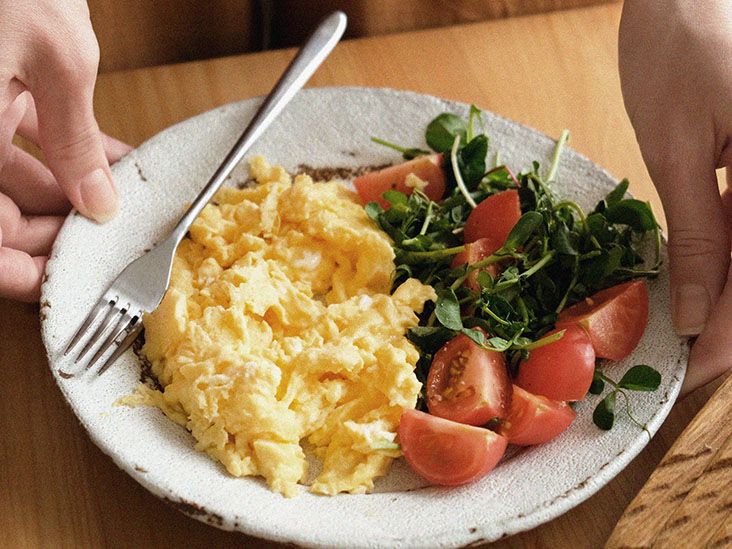
Scrambled eggs with spinach, feta, and avocado.
Lunch
Grilled chicken salad with mixed greens, cucumber, olives, walnuts, and olive oil vinaigrette.
Dinner
Salmon with roasted cauliflower and sautéed zucchini.
Snack ideas
String cheese, a boiled egg, celery with almond butter, cucumber slices with hummus in a modest portion, or a small handful of nuts.
Common mistakes to avoid
- Eating too few vegetables and too little fiber.
- Assuming “low carb” means unlimited calories.
- Relying on processed keto products instead of real food.
- Using saturated fat as the main fuel source at every meal.
- Expecting permanent weight loss from a plan you dislike.
- Ignoring how sleep, stress, and activity affect results.
Is lazy keto a good idea?
Lazy keto can work for some adults as a simpler way to reduce refined carbs and structure eating. It may feel easier than strict keto, and for some people it can support short-term weight loss, appetite control, and better food awareness. But it is not automatically healthy, not automatically superior, and definitely not a free pass to build your diet around cheese wrappers and wishful thinking.
The best version of lazy keto is food-first, not gimmick-first. It emphasizes protein, vegetables, healthy fats, and consistency. It also leaves room for a reality check: the diet that “works” on paper but makes you miserable at restaurants, workouts, and family dinners may not be the winner in the long run.
If you try lazy keto, keep the goal bigger than ketosis. Aim for an eating pattern you can live with, one that supports your health, your energy, and your actual life. Because a diet should fit your routine, not make you negotiate emotionally with a cauliflower crust at 9 p.m.
Experiences with lazy keto: what people often notice in real life
Real-life lazy keto experiences are usually less dramatic than social media makes them seem. Most people do not wake up on day three feeling like a wellness superhero with laser focus and visible abs. What often happens instead is more ordinary and more useful. Week one tends to feel like a household audit. Suddenly, people notice just how many carbs had been sneaking into coffee drinks, sauces, snacks, “healthy” granola, and quick lunches. That awareness alone can be eye-opening.
Many beginners report fast early changes on the scale, which can feel encouraging. But the emotional experience is mixed. Some feel proud and energized because the rules are simple. Others feel cranky, headachy, or weirdly tired while adjusting. A common comment is, “I thought I was hungry all the time, but really I was used to eating out of habit.” Another common comment is less poetic: “I miss bread.” Both can be true at once.
By week two or three, convenience becomes the main character. People who succeed with lazy keto often say the diet works best when they keep easy staples around, such as eggs, rotisserie chicken, tuna packets, Greek yogurt, salad greens, frozen vegetables, nuts, and avocados. People who struggle often describe a pattern of getting too hungry, then grabbing whatever is available, which can turn “lazy keto” into “accidental chaos.” The easier the food setup, the easier the plan feels.
Dining out is another big part of the experience. Some people love the simplicity of ordering a burger without the bun, grilled fish with vegetables, or a salad with protein. Others get tired of always modifying meals and explaining that, no, they are not at war with potatoes, they are just trying something. Social settings can feel surprisingly tricky, especially when dessert, drinks, and shared comfort foods are part of the occasion.
Exercise experiences vary. Some people say they feel steady during walks, light strength training, or everyday activity. Others notice that high-intensity workouts feel harder at first. That does not mean lazy keto “failed,” but it does remind people that food is not just about weight. It also affects energy, mood, performance, and recovery.
One of the most useful long-term experiences people report is this: lazy keto tends to work better when it becomes less lazy in one specific way. Not obsessive, just intentional. The people who do best usually start paying attention to food quality, fiber, hydration, and protein balance. They learn that a plate of salmon, greens, olive oil, and avocado feels very different from a plate of deli meat and processed cheese, even if both are low in carbs.
Another common experience is the plateau. Early results are exciting, then progress slows, and people realize they still need portion awareness, movement, sleep, and patience. That moment can be frustrating, but it is also where smarter habits begin. Lazy keto may open the door, but sustainable progress usually comes from improving the full routine, not just lowering carbs.
Conclusion
Lazy keto is best understood as a simplified low-carb strategy, not a miracle system. It can help some people cut added sugar, reduce mindless snacking, and lose weight in the short term. Its biggest advantage is ease. Its biggest weakness is that “easy” can slide into “careless” if food quality, fiber, and overall health get ignored.
If you want to try it, keep the method simple but the standards high: focus on protein, vegetables, smart fats, hydration, and consistency. That is how lazy keto stays practical instead of becoming a processed-food costume with a nutrition buzzword attached.