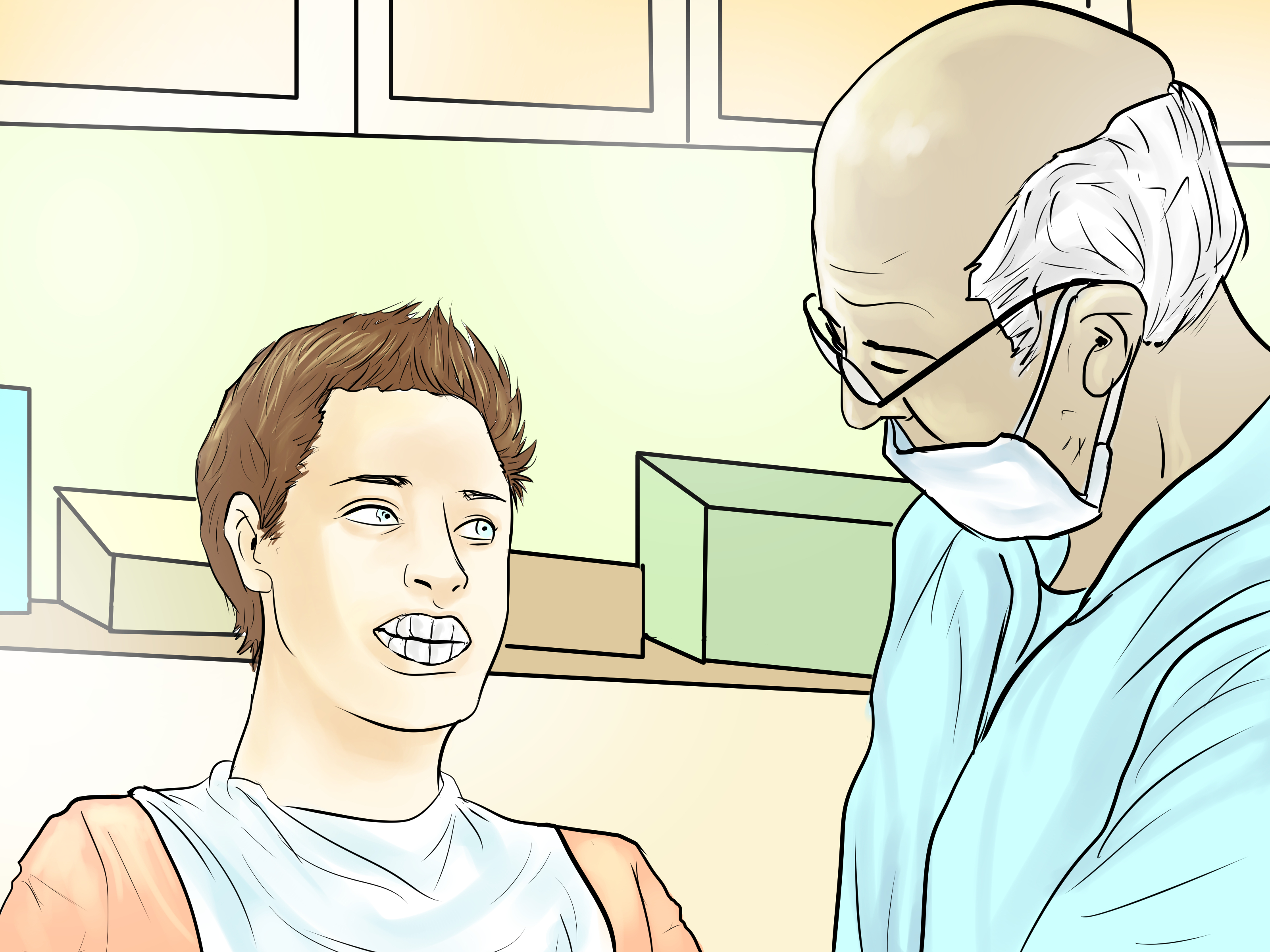
Getting orthodontic separators in your mouth is a little like being handed a tiny preview trailer for braces. The separators are small, usually rubber rings placed between certain teeth to create space before bands, braces, or another orthodontic appliance is fitted. They are not large. They are not dramatic. And yet, the first time you bite into something chewy, your mouth may send a very clear message: “We need to discuss dinner.”
The good news is that eating with separators does not have to be miserable. You do not need to live on plain air and emotional support smoothies. You simply need to choose softer foods, chew carefully, avoid foods that can pull the separators out, and keep your mouth clean without poking around like you are searching for treasure between your molars.
This guide explains 3 ways to eat with separators in your mouth, including what foods to choose, how to chew with less discomfort, what to avoid, and how to handle daily meals until your orthodontist removes the separators or moves you to the next step of treatment.
What Are Separators and Why Do They Affect Eating?
Separators, also called orthodontic spacers, are tiny elastic or metal pieces placed between teeth. Their job is simple: create a little room. Orthodontists often use them before fitting metal bands around molars, especially before braces or other appliances. Because separators gently push teeth apart, your teeth and gums can feel sore for a few days.
That soreness is why eating suddenly feels different. Foods that seemed harmless yesterday, such as crusty bread, steak, chips, nuts, or chewy candy, may now feel like they were designed by someone with a personal grudge against molars. The pressure from biting can make your teeth ache, and sticky foods can pull separators loose.
Most people wear separators for a short time, often around several days to a week, depending on the orthodontist’s plan. During that period, your goal is not culinary heroism. Your goal is to eat comfortably, protect the separators, and arrive at your next appointment without turning dinner into a dental rescue mission.
Way 1: Choose Soft, Easy-to-Chew Foods
The first and most important way to eat with separators is to switch to foods that require less chewing. Soft foods reduce pressure on sore teeth and are less likely to dislodge the separators. Think of this as giving your mouth a temporary vacation from crunchy chaos.
Best Soft Foods to Eat With Separators
When your mouth feels tender, start with foods that are gentle, smooth, and easy to swallow. Good options include:
- Mashed potatoes
- Scrambled eggs
- Yogurt
- Oatmeal
- Soup with soft ingredients
- Macaroni and cheese
- Soft pasta
- Rice dishes with tender vegetables
- Applesauce
- Smoothies
- Bananas
- Soft fish
- Cottage cheese
- Pancakes or soft waffles cut into pieces
These foods are helpful because they do not force your back teeth to work overtime. If you recently had separators placed, the first 24 to 72 hours may be the most sensitive. During that window, softer meals can make a big difference.
Simple Meal Ideas That Actually Feel Like Food
Soft food does not have to mean boring food. A breakfast of oatmeal with sliced banana can be filling and gentle. Lunch could be tomato soup with soft pasta or a rice bowl with tender chicken and steamed vegetables. Dinner might be baked salmon with mashed sweet potatoes. Dessert? Pudding, yogurt, or a smoothie. Your separators do not need to know you are still having a good time.
For school, work, or travel, pack foods that do not require aggressive chewing. Yogurt cups, soft sandwiches without chewy crusts, pasta salad, bananas, or soft muffins can be easier than trying to wrestle a crunchy granola bar while your molars file a complaint.
How to Make Regular Foods Separator-Friendly
You do not always have to give up a food completely. Sometimes you can modify it. Cut food into small pieces instead of biting directly into it. Steam vegetables until tender. Choose soft bread instead of hard rolls. Remove crusts if they feel uncomfortable. Shred chicken instead of eating large chewy pieces. Slice fruit instead of biting into a whole apple.
The smaller and softer the bite, the less pressure you put on the teeth holding the separators. This matters because separators are doing a delicate job. They need to stay in place long enough to create space, but they are not built to battle caramel, popcorn kernels, and heroic jaw force.
Way 2: Chew Slowly and Use the Least Sensitive Areas
The second way to eat with separators is to change how you chew. Separators often sit between back teeth, which means molars may feel tender. If you bite down hard without thinking, you may get a quick reminder that orthodontic treatment has entered the chat.
Take Smaller Bites
Small bites are your best friend. Large bites require more chewing and more pressure. Smaller bites are easier to control, less painful, and less likely to catch around the separator. Cut sandwiches into small squares. Slice pasta-heavy dishes into manageable forkfuls. Break soft foods apart before putting them in your mouth.
Eating slowly also helps you notice what feels comfortable. Your mouth may tolerate soft pasta perfectly but object to chewy bread. It may handle scrambled eggs but reject raw carrots like a strict nightclub bouncer. Listen to those signals.
Chew Away From the Most Tender Spots
If separators are only on one side, chew more on the other side when possible. If both sides are sensitive, focus on foods that need minimal chewing. Avoid clenching or testing the separators with your tongue. Yes, they feel weird. No, your tongue does not need to inspect them every eight seconds like a tiny security guard.
Do not chew directly on the separators for fun or to “see if they are still there.” That can loosen them. The separator should stay between the teeth until your orthodontist removes it or tells you what to do.
Drink Water During and After Meals
Water helps rinse away small food particles and keeps your mouth feeling cleaner. After eating, gently swish water around your mouth. This can help remove bits of food without using a toothpick or floss near the separator. Do not swish so aggressively that your cheeks start auditioning for a washing machine commercial. Gentle is enough.
Water is also a better everyday choice than sugary drinks. Sugary and acidic beverages can contribute to plaque buildup and enamel problems, especially during orthodontic treatment when food and bacteria can hide around appliances. Separators are temporary, but good habits are not.
Way 3: Avoid Sticky, Hard, Crunchy, and Chewy Foods
The third way to eat with separators is knowing what not to eat. This is the part where certain snacks must temporarily leave the group chat. Sticky, hard, crunchy, and chewy foods can pull separators out, wedge into tight spaces, or increase soreness.
Foods to Avoid With Separators
Try to avoid:
- Gum
- Caramels
- Taffy
- Gummy candies
- Hard candy
- Popcorn
- Nuts
- Ice chewing
- Crunchy chips
- Hard pretzels
- Raw carrots
- Whole apples
- Corn on the cob
- Tough steak
- Very chewy bread or bagels
These foods cause problems in different ways. Sticky foods can grab the separator and pull it out. Hard foods can press sharply against sore teeth. Crunchy foods can break into pieces that lodge around the separator. Chewy foods can make your jaw work too hard and increase discomfort.
What to Do If a Separator Falls Out
If a separator falls out, do not try to force it back in yourself. Call your orthodontist and ask what they recommend. Sometimes a separator falls out because enough space has already been created. Other times, it may need to be replaced. Your orthodontic office can tell you what to do based on your appointment schedule and treatment plan.
Do not use toothpicks, sharp tools, or random household objects around the separator. Your mouth is not a DIY project zone. If something feels wrong, painful, swollen, or unusually loose, contact your orthodontist.
How to Clean Your Teeth When You Have Separators
Eating with separators is only half the story. Cleaning your teeth matters too. Food can get stuck around teeth, especially when your bite feels different. Brush gently but thoroughly after meals or at least twice a day. Use a soft-bristled toothbrush and take your time around the gumline.
Flossing near separators can be tricky. In many cases, orthodontists tell patients not to floss directly where separators are placed because floss can pull them out. Follow your orthodontist’s instructions. You can usually floss other teeth normally, but avoid snapping floss around the spacer area unless your orthodontist says it is okay.
Helpful Cleaning Tips
- Brush gently after meals when possible.
- Rinse with water after eating.
- Avoid toothpicks near separators.
- Do not poke separators with your tongue, fingers, or tools.
- Ask your orthodontist whether a fluoride rinse is useful for you.
Good cleaning helps prevent bad breath, plaque buildup, and gum irritation. It also makes the separator period feel less annoying. Nothing improves a sore mouth quite like not having lunch hiding behind a molar.
How Long Does Eating Feel Weird?
For many people, the first few days are the most uncomfortable. Teeth may feel sore when biting down, and the separators may feel like food stuck between your teeth. That sensation is normal because, technically, separators are sitting between your teeth on purpose. Your brain simply has not received the memo yet.
As your teeth adjust, eating usually becomes easier. Soft foods may only be necessary for the first few days, though some people prefer them the entire time they wear separators. If discomfort is severe, lasts longer than expected, or prevents you from eating enough, call your orthodontist. They can check whether everything is in the right place.
Separator-Friendly Food List by Meal
Breakfast Ideas
- Oatmeal with banana
- Scrambled eggs with soft toast
- Greek yogurt with soft fruit
- Smoothie with milk, yogurt, and berries
- Pancakes cut into small pieces
Lunch Ideas
- Soft pasta with marinara sauce
- Soup with noodles or soft vegetables
- Egg salad on soft bread
- Rice bowl with tender chicken
- Macaroni and cheese with steamed broccoli
Dinner Ideas
- Baked fish with mashed potatoes
- Soft tacos with tender fillings
- Risotto or soft rice dishes
- Slow-cooked shredded chicken
- Soft pasta with cooked vegetables
Snack Ideas
- Applesauce
- Pudding
- Soft cheese
- Banana slices
- Protein smoothie
- Soft muffins without nuts
Common Mistakes to Avoid
Mistake 1: Eating Sticky Candy “Just Once”
Sticky candy is one of the fastest ways to pull out a separator. Even one caramel can cause trouble. Save the chewy sweets for after your orthodontist says it is safe.
Mistake 2: Biting Into Whole Fruits
Apples, pears, and firm peaches can be healthy, but biting directly into them may hurt. Slice them thinly or choose softer fruits like bananas or ripe peaches.
Mistake 3: Using Toothpicks Around Separators
A toothpick can dislodge a separator or irritate the gums. Rinse with water instead, and ask your orthodontist about safe cleaning tools.
Mistake 4: Ignoring Pain That Feels Unusual
Mild soreness is common. Sharp pain, swelling, bleeding, or a separator that seems deeply stuck should be checked by an orthodontic professional.
500-Word Experience Section: What Eating With Separators Really Feels Like
Eating with separators is one of those experiences that sounds tiny until it happens to you. Before they are placed, many patients think, “How much trouble can a few little rings cause?” Then lunch arrives, and suddenly a soft sandwich feels like a jaw workout designed by a personal trainer with no mercy.
The first meal after separators can feel strange. Not impossible, not terrifying, just strange. Your teeth may feel tight, almost like something is wedged between them because, well, something is. That pressure can make you chew more carefully than usual. Foods you normally eat without thinking may require strategy. A burger becomes a puzzle. A bagel becomes a villain. A salad with crunchy toppings becomes a negotiation.
Many people discover that breakfast is the easiest meal to manage. Oatmeal, yogurt, eggs, and smoothies are gentle and predictable. There is comfort in food that does not fight back. Lunch can be trickier, especially if you are away from home. The safest approach is to bring something soft and easy, rather than hoping the cafeteria or nearby restaurant has separator-friendly options. Pasta, soup, soft rice, and tender proteins are dependable choices.
Dinner is where creativity helps. A family meal may include foods that are too chewy or crunchy, but small changes can make them easier. If everyone is eating chicken, shred yours. If vegetables are raw, steam them. If bread is crusty, choose the soft inside or skip it for a few days. The goal is not to make your diet perfect. The goal is to make eating comfortable enough that you do not dread every bite.
One surprisingly helpful habit is slowing down. Separators force you to pay attention, which is annoying but useful. Smaller bites give you more control. Gentle chewing prevents sudden pain. Drinking water throughout the meal helps clear food particles and keeps your mouth feeling fresher. After a day or two, you usually start learning what your mouth can handle.
Emotionally, separators can be frustrating because they are temporary but noticeable. They may make you feel like your teeth are sore for no grand reason. But they are doing an important job. They are creating the space your orthodontist needs for the next step. Thinking of separators as preparation, not punishment, makes the process easier to tolerate.
The best experience-based advice is simple: plan your food before you are hungry. Hungry people make brave decisions. Brave decisions lead to popcorn, chewy pizza crust, and regret. Stock up on soft foods, keep water nearby, avoid poking the separators, and call your orthodontist if one falls out or something feels wrong. Within a short time, this awkward eating phase will be over, and your mouth will move on to the next chapter of orthodontic treatment.
Final Thoughts: Eating With Separators Does Get Easier
Learning how to eat with separators in your mouth is mostly about patience and smart food choices. Choose soft foods, chew slowly, avoid sticky and hard snacks, and keep your teeth clean. Separators may feel uncomfortable at first, but they are temporary and important for creating space before the next step in orthodontic treatment.
For the smoothest experience, treat your mouth kindly for a few days. Skip the caramel, slice the apple, soften the vegetables, and do not challenge your molars to a crunchy-food contest. Your separators have one job. Help them do it, and your next orthodontic appointment should go much more smoothly.