You downloaded Tinder, assembled six photos, wrote something vaguely charming about tacos, and started swiping. Then… nothing. No matches. No messages. Not even a suspiciously attractive cryptocurrency enthusiast asking whether you have heard about an “amazing investment opportunity.”
Getting no matches on Tinder can feel personal, but it usually is not a final verdict on your attractiveness, personality, or future romantic prospects. Tinder is a fast, visual, two-sided marketplace. A match happens only when someone you like also likes you, which means your results depend on profile presentation, local competition, discovery settings, activity, and the preferences of people in your area.
The good news is that most struggling Tinder profiles are fixable. You probably do not need a new face, a yacht, or a photo of yourself pretending to laugh beside a rented sports car. You need clearer photos, a more specific profile, sensible settings, and a realistic swiping strategy.
Why Am I Getting No Matches on Tinder?
Before blaming a mysterious algorithm, start with the visible factors you can control. In most cases, zero or very few Tinder matches can be traced to four broad problems:
- Your photos are not creating a strong first impression.
- Your bio and profile details are too weak, generic, or untrustworthy.
- Your Discovery settings or account visibility are limiting your reach.
- Your swiping habits and expectations do not match your local dating pool.
Several of these issues can happen at the same time. A narrow distance radius combined with a blurry first photo and an empty bio is basically asking Tinder to play matchmaking on expert difficulty.
Reason 1: Your Tinder Photos Are Working Against You
Tinder profiles are highly visual, so your first photo carries an unfair amount of responsibility. People often make an initial decision before carefully reading a bio. If the opening image is unclear, outdated, heavily filtered, poorly lit, or confusing, many potential matches will move on before discovering that you volunteer at an animal shelter and make excellent pancakes.
Common Tinder Photo Mistakes
- Your face is hidden behind sunglasses, a hat, or a phone.
- Your first image is a group photo.
- Every photo was taken from the same angle.
- Your pictures are dark, grainy, cropped, or several years old.
- You use only selfies, especially bathroom or car selfies.
- Your photos show possessions but reveal little about your personality.
- You look noticeably different in every picture.
- The profile contains landscapes, memes, pets, or food but few clear images of you.
A group photo may demonstrate that you have friends, which is nice. However, it should not turn your profile into a visual puzzle called “Guess Which One Is Kevin.” Your first image should make your identity obvious within a second.
How to Improve Your Tinder Photos
Lead with a recent, well-lit image showing your face clearly. Natural daylight is usually more flattering than overhead bathroom lighting, which has the remarkable ability to make everyone look like they are being questioned by airport security.
A strong photo lineup might include:
- A clear head-and-shoulders photo with a natural expression.
- A full-body picture in a normal setting.
- An activity photo showing a real hobby.
- A social image with one or two friends.
- A dressed-up photo from an event or night out.
- A candid picture that shows warmth or humor.
Variety matters because each image should answer a different question. What do you look like? What is your lifestyle? Do you leave the house? What might spending an afternoon with you feel like?
Ask two or three honest friends to choose your lead photo. People are not always the best judges of their own pictures because they remember the moment surrounding an image. You may love a particular vacation selfie because the trip was incredible, while a stranger simply sees harsh shadows and half of a forehead.
Use current photographs that still resemble you. Strategic lighting is fine. Presenting your 2018 face as breaking news is not. Accurate photos build trust and also prevent an awkward first date in which someone spends five minutes wondering whether they approached the wrong table.
Reason 2: Your Bio Gives People Nothing to Work With
A great picture may earn attention, but a useful bio often helps someone feel comfortable swiping right. Empty profiles and generic one-liners can seem low-effort, fake, or difficult to start a conversation with.
Consider these common bios:
- “Just ask.”
- “I love traveling and having fun.”
- “Fluent in sarcasm.”
- “Here for a good time.”
- “I hate writing bios.”
None of these statements gives a potential match much useful information. Almost everybody enjoys fun, and “fluent in sarcasm” has appeared on enough dating profiles to qualify as an endangered cultural artifact.
Write a Specific, Conversation-Friendly Bio
Your bio does not need to be long. It needs to be concrete. Mention two or three interests, describe the type of connection you want, and offer an easy conversation starter.
For example:
“Weekend cyclist, amateur pizza critic, and owner of a dog who believes every delivery is for him. Looking for someone who enjoys exploring new restaurants and can recommend a road-trip playlist. Tell me the best meal you have had this year.”
This version reveals lifestyle, humor, relationship intent, and a ready-made opening message. A potential match does not have to invent a conversation from nothing.
Complete the Important Profile Fields
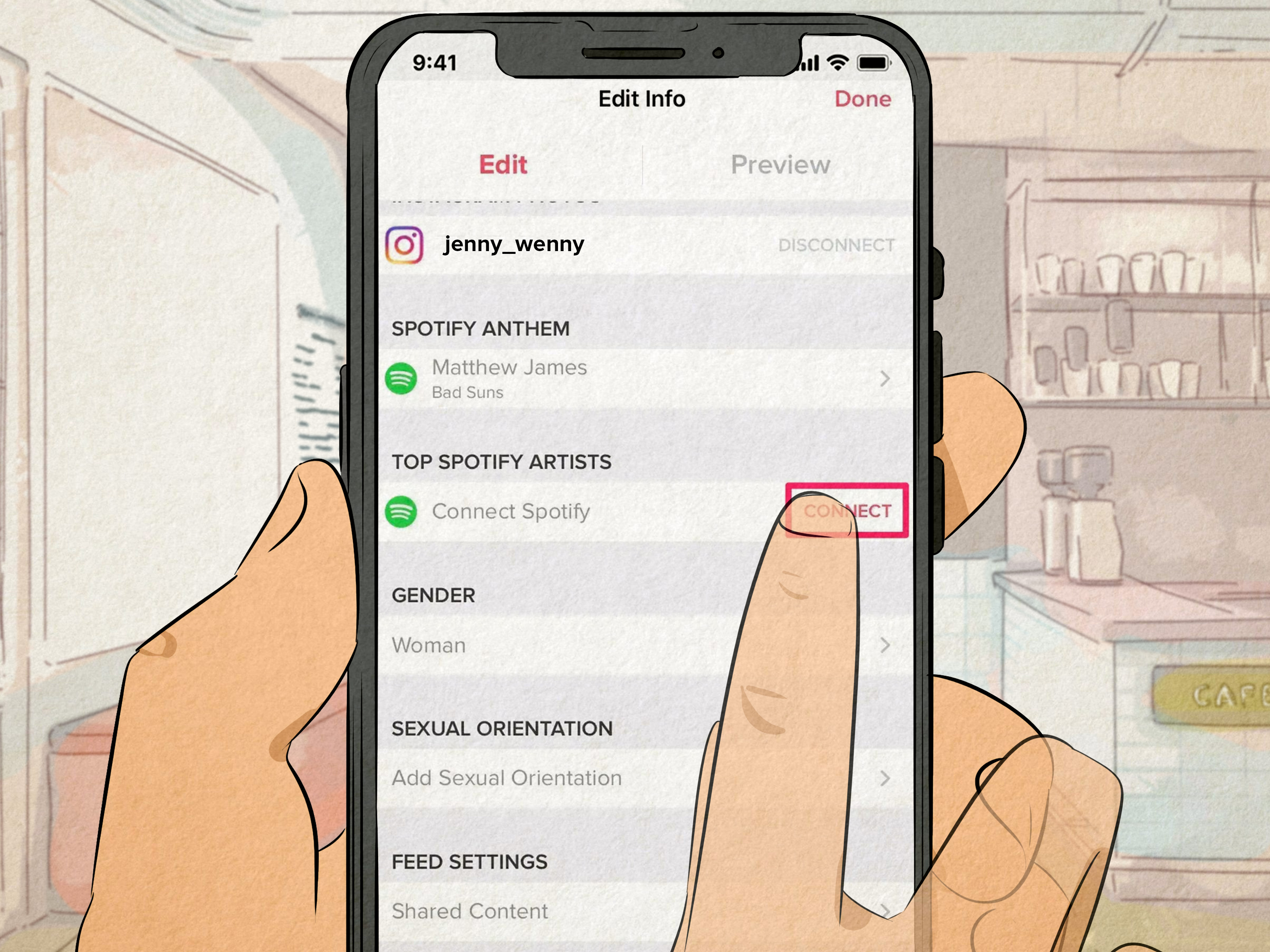
Add relevant details such as interests, relationship goals, lifestyle preferences, and other information you are comfortable sharing. Completed profiles feel more intentional and make it easier for people to identify compatibility.
Be honest about major deal-breakers. You do not need to publish your autobiography, credit score, and childhood dental records. However, accurately stating what you are looking for can attract better matches and reduce pointless conversations.
Avoid Negativity and Demands
A bio filled with complaints can make even reasonable preferences sound hostile:
“No drama. No games. Do not waste my time. If you cannot hold a conversation, swipe left.”
The author may simply want mature communication, but the profile sounds like a customer-service warning written during a power outage.
Frame standards positively instead:
“I appreciate direct communication, curiosity, and people who are genuinely interested in meeting.”
The meaning is similar, but the emotional effect is completely different.
Build Trust Without Oversharing
Use consistent, recent photos and consider completing the verification options available to you. Verification does not guarantee that every statement in a profile is true, but it may help reduce uncertainty about whether the account belongs to a real person matching the photographs.
Do not include sensitive information such as your home address, workplace schedule, financial details, or daily routine. A good Tinder profile should make you approachable, not trackable.
Reason 3: Your Settings or Account Visibility Are Too Restrictive
Sometimes the problem is not your face or your bio. Your profile may simply be reaching too few people.
Check Whether Discovery Is Enabled
Tinder includes a Discovery setting that controls whether your profile can be shown to new people. If Discovery is turned off, you can continue chatting with existing matches, but your profile generally will not be recommended to new users.
Open your settings and confirm that profile discovery is active. This sounds obvious, but technology has a talent for hiding simple problems behind several menus and a tiny toggle switch.
Review Your Age and Distance Preferences
A very narrow age range or distance radius can dramatically reduce your available dating pool, especially in a suburb, rural area, or smaller city. If you are searching within five miles and a two-year age range, you may have accidentally created a dating pool consisting of six people, three of whom are currently on vacation.
Experiment with modest changes:
- Expand your radius by 5 to 15 miles.
- Widen your age range by a few years.
- Confirm your gender and orientation preferences.
- Check that your location is accurate.
You do not need to abandon genuine boundaries. The goal is to remove arbitrary limits that may be excluding compatible people.
Rule Out Technical Problems
If your profile suddenly stops receiving activity, update the Tinder app, check your internet connection, log out and back in, or reinstall the application. Make sure your account is not hidden or under review.
Do not immediately assume that you have been “shadowbanned.” That term is frequently used online to explain almost every disappointing result, but outside observers cannot reliably diagnose Tinder’s internal recommendation system. Check visible settings, profile quality, local demand, and technical issues before accepting dramatic algorithm theories from a stranger selling a $79 dating course.
Consider Your Location and Timing
Tinder activity varies by location, season, and time. Large cities usually offer a bigger pool but also more competition. Smaller towns may produce fewer profiles and slower match accumulation.
Use the app consistently for a reasonable period before judging the results. A quiet Tuesday afternoon is not enough data to declare your romantic career over. Give an improved profile at least one or two weeks, then compare the quality and number of matches.
Reason 4: Your Swiping Strategy Is Too Broad or Too Selective
Tinder requires mutual interest. You can have an attractive profile and still receive few matches if you only like a tiny group of highly sought-after users. At the opposite extreme, swiping right on nearly everyone does not guarantee meaningful results.
You May Be Targeting an Extremely Competitive Pool
Suppose you only swipe right on polished profiles featuring professional photography, luxury travel, model-level appearance, and perfectly arranged brunch plates. Thousands of other users may be choosing the same people.
Attraction matters, but examine complete profiles rather than using one narrow physical template. Someone who looks less dramatic in a first photograph may have a far more compatible personality, lifestyle, and relationship goal.
Mindless Swiping Produces Weak Decisions
Rapid swiping turns people into trading cards and makes it easier to ignore compatibility. Slow down enough to review photos, bios, interests, location, and intentions.
Swipe right when you would genuinely consider talking to or meeting the person. That approach will not magically produce hundreds of matches, but it creates a healthier and more useful match pool.
Your Preferences May Conflict With Your Profile
Look at your profile from the perspective of the people you want to attract. Does it communicate compatible values?
For example, a person seeking a serious relationship may struggle if every photo shows nightclub tables and the bio says, “No expectations, just vibes.” A highly active person may overlook a profile that claims to love hiking but contains only couch selfies. The issue is not that either lifestyle is wrong. The signals simply do not match the stated goal.
Improve Your Offer, Not Just Your Filters
It is easy to spend hours adjusting who you want while ignoring what your own profile communicates. Ask yourself:
- What would make someone curious about me?
- What kind of date could they imagine us having?
- Does my profile show warmth, effort, and a real lifestyle?
- Am I asking for qualities I do not demonstrate myself?
This is not about pretending to be wealthier, cooler, or more adventurous. It is about presenting your genuine strengths clearly.
What to Do When You Get No Tinder Matches
Step 1: Replace Your First Photo
Choose a sharp, recent image with good lighting, eye contact, and no visual confusion. Test it for at least several days rather than changing it every few hours.
Step 2: Rebuild Your Photo Lineup
Remove duplicates, old pictures, excessive filters, and photos in which another person could be mistaken for a romantic partner. Add images showing your face, body, hobbies, social life, and everyday personality.
Step 3: Rewrite Your Bio
Use approximately two to five sentences. Include specific interests, a hint of personality, what you are seeking, and an easy question or conversation hook.
Step 4: Complete and Verify Your Profile
Fill in useful profile details and use available verification tools when you are comfortable doing so. Consistency and completeness can make your account feel more trustworthy.
Step 5: Audit Your Discovery Settings
Confirm that Discovery is active. Review location, distance, age, gender, and orientation preferences. Expand restrictive settings slightly if your local pool is small.
Step 6: Swipe With Intention
Read profiles and like people you would realistically meet. Avoid both indiscriminate swiping and only pursuing the most competitive profiles in your region.
Step 7: Collect Outside Feedback
Ask friends who understand your dating goals to review the profile. Encourage blunt but constructive feedback. “Looks good” is polite; “Your first photo makes you look like a witness-protection participant” is actionable.
Step 8: Measure Results for Two Weeks
Track whether the revised profile receives more likes, better matches, or stronger conversations. Change one major element at a time when possible so you know what helped.
Should You Pay for Tinder to Get More Matches?
Paid features may increase exposure, expand available controls, or help you see existing interest, depending on the subscription and features offered in your market. However, additional visibility cannot fully repair an unclear or unappealing profile.
Think of paid exposure as a microphone. It can help more people hear you, but it does not improve the song. Optimize your photos, bio, settings, and targeting before spending money. Otherwise, you may simply show a weak profile to a larger audience at impressive speed.
Experiences From Common Tinder Profile Turnarounds
The following composite experiences combine patterns commonly reported by dating-app users. They are illustrative examples rather than individual case histories.
Experience 1: The Profile With Six Nearly Identical Selfies
“Jason,” a 31-year-old professional living near a midsize city, believed his Tinder profile was solid because every photo clearly showed his face. The problem was that all six images were car selfies taken from roughly the same angle. He wore sunglasses in four of them, and his bio contained one sentence: “Work hard, play hard.”
Jason interpreted his lack of matches as evidence that Tinder only worked for exceptionally attractive men. His friends saw a different problem: the profile made it impossible to imagine his real life. Nothing showed his interests, social personality, sense of humor, or appearance outside the driver’s seat.
He replaced the first picture with a natural outdoor portrait, added a full-body image, included a photo from a recreational soccer game, and used one candid picture from a family barbecue. His revised bio mentioned his weekend soccer league, his attempt to learn Thai cooking, and his search for the city’s best breakfast sandwich.
The important change was not that Jason suddenly looked like a different person. His profile finally supplied context. Potential matches could see how he spent time and had multiple reasons to start a conversation.
Experience 2: The Great Photos With the Hostile Bio
“Maya,” 28, received occasional likes but few from people she wanted to meet. Her photos were strong, current, and varied. Her bio, however, had been written after several frustrating dates:
“No liars, cheaters, emotionally unavailable men, or guys who cannot communicate. Do not match if you are just going to disappear.”
Her standards were reasonable, but the presentation made new people feel responsible for the behavior of previous matches. Even emotionally available users could read the profile and expect a job interview conducted by someone holding a clipboard labeled “Reasons Men Are Terrible.”
Maya rewrote the bio to emphasize what she wanted rather than what she feared:
“Looking for a thoughtful, consistent relationship with someone who communicates clearly and enjoys making actual plans. I love independent bookstores, live comedy, and finding restaurants that do not require shouting across the table.”
The revision kept her boundaries while making her personality visible. Her match count increased modestly, but the larger improvement was quality: conversations were more aligned with her relationship goals.
Experience 3: The Invisible Profile
“Alex,” 35, returned to Tinder after several months away and received no new matches. He repeatedly changed his photos and began researching supposed algorithm penalties. Eventually, he reviewed his account settings and discovered that Discovery had been turned off.
Once he enabled visibility, updated the app, and expanded his distance radius from five miles to fifteen, profiles and likes began appearing again. The situation had nothing to do with an attractiveness score, secret punishment, or cosmic romantic sabotage. It was a settings problem.
This example demonstrates why troubleshooting should begin with simple explanations. Check visibility, search preferences, location accuracy, app updates, and connectivity before rebuilding your identity around an unverified algorithm theory.
Experience 4: Plenty of Swipes, Almost No Mutual Interest
“Chris,” 26, used Tinder daily and was frustrated that hundreds of right swipes produced almost no matches. When reviewing his history, he noticed that he was selecting an extremely narrow type: highly polished influencer-style profiles located primarily in the center of a major city, while he lived nearly an hour away.
Chris did not need to swipe right on people he found unattractive. He did need to evaluate full profiles rather than treating professional-looking photos as his only signal of compatibility. He broadened his distance expectations, read bios more carefully, and prioritized people with similar hobbies and relationship goals.
His total number of right swipes decreased, but his match-to-conversation quality improved. The experience reinforced a useful lesson: Tinder success is not measured by how aggressively you swipe. It is measured by whether the people you choose are also likely to choose you and whether either person wants to continue after the match.
Final Thoughts
Getting no matches on Tinder can be discouraging, but it is rarely proof that you are undateable. More often, your profile is unclear, your settings are restrictive, your local pool is limited, or your swiping strategy is producing low odds of mutual interest.
Start with the highest-impact fixes: improve your first photo, use a varied and accurate image lineup, write a specific bio, confirm that Discovery is enabled, and widen unnecessarily narrow preferences. Then swipe thoughtfully and give the revised profile enough time to produce meaningful data.
Your goal is not to attract everyone. It is to help compatible people quickly understand who you are, what you enjoy, and why meeting you might be worth putting on real pants.
SEO Information
Note: The experience examples are composites created to illustrate common dating-profile problems and solutions.