A scary dog encounter can turn an ordinary walk into an Olympic-level heart-rate event. One second, you are carrying groceries or heading home from school; the next, a barking dog is charging, staring, or acting like it has appointed itself mayor of the sidewalk.
The most important thing to know is this: fighting a dog should never be your first plan. Trying to overpower, hit, wrestle, or corner a frightened or aggressive dog can increase the risk of serious injury. The smarter goal is to reduce the dog’s excitement, create distance, put a barrier between you and the animal, and get to safety.
This guide explains what to do when a dog approaches aggressively, how to read warning signs, what mistakes can make the situation worse, and what to do after a bite or scratch. Think of it as a practical “please let this weird moment end safely” playbook.
What Does an Aggressive Dog Look Like?
Not every barking dog is about to attack. Some dogs bark because they are excited, startled, territorial, frustrated, or convinced that a leaf is a personal enemy. Still, it is wise to take warning behavior seriously.
A dog may be more likely to escalate when it becomes very still, stares directly, leans forward, bares its teeth, growls deeply, snaps, lunges, or raises the fur along its back. A tense body, stiff legs, tightly closed mouth, and forward weight can also signal that the dog is uncomfortable or highly aroused.
Do not rely on one signal alone. A wagging tail does not always mean “friendly neighborhood greeter.” Dogs can wag when they are tense, uncertain, alert, or overstimulated. Look at the full picture: body stiffness, eye contact, growling, teeth, movement, and whether the dog is trying to create distance from you.
How to Fight off a Dog Without Turning It Into a Fight
When a dog seems threatening, the goal is not to prove bravery. The goal is to become boring, non-threatening, and difficult to reach while you move toward safety.
1. Stop Running and Avoid Sudden Movements
Running can trigger a dog’s instinct to chase. Yelling, flailing your arms, or sprinting away may also make you appear more exciting or threatening. Instead, stop moving quickly and plant your feet if the dog is very close.
Keep your arms close to your body. Avoid waving objects around, kicking toward the dog, or making sudden lunges. A calm, controlled posture is far less dramatic than an action-movie escape scene, but it is usually much safer.
2. Turn Slightly Sideways Instead of Facing the Dog Head-On
Standing directly face-to-face can look confrontational to some dogs. Turn your body slightly to the side, keep your shoulders relaxed, and avoid locking eyes with the dog. You do not need to stare at the pavement like it owes you money, but avoid a hard, challenging gaze.
This body position can make you appear less threatening while still allowing you to watch the dog from the corner of your vision.
3. Use a Low, Calm Voice
If speaking feels safe, use a firm but controlled voice. Short phrases such as “No,” “Go home,” or “Back” may help, especially if the dog is accustomed to basic commands. Avoid screaming, shrieking, or using a high-pitched voice, which can increase excitement.
Keep it simple. This is not the moment for a TED Talk about boundaries.
4. Put a Barrier Between You and the Dog
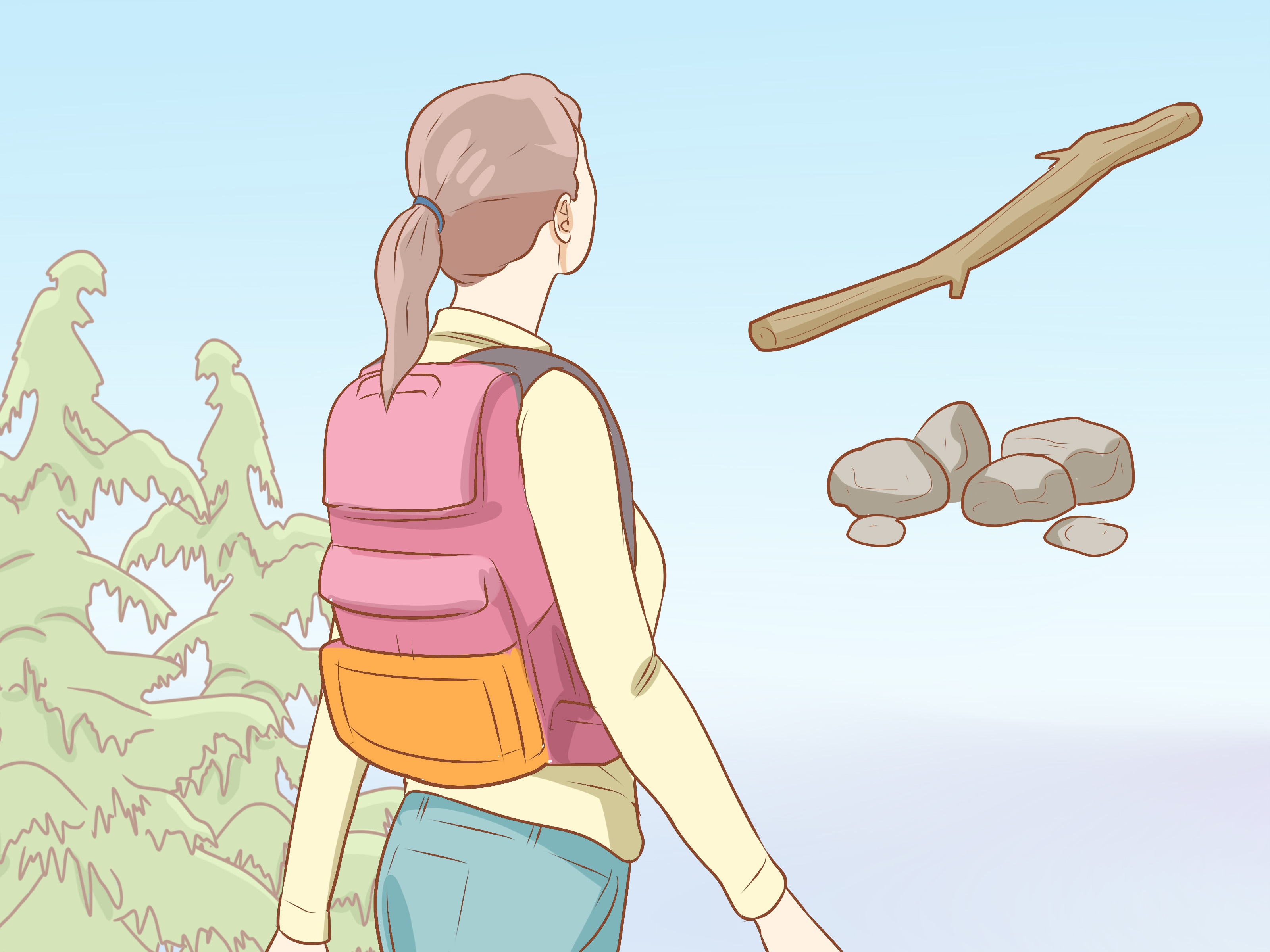
A backpack, purse, folded jacket, bicycle, umbrella, grocery bag, trash can, bench, fence, door, or parked car can create valuable space between you and a dog. The purpose is not to hurt the animal. It is to give the dog something other than your body to focus on while you back away.
Hold the item in front of you, keep your hands behind it when possible, and move toward a safe place. A barrier can buy a few seconds, and a few seconds can be enough to get behind a closed door, gate, vehicle, or fence.
5. Back Away Slowly Toward Safety
Once the dog is no longer advancing, back away slowly. Do not turn and sprint unless you have a very clear, immediate route into a secure building or vehicle. Move toward people, a business, a porch, a car, a locked gate, or another barrier.
For runners, walkers, delivery workers, and cyclists, changing direction early is often safer than trying to pass a dog that is barking, guarding property, or fixated on you.
What to Do If a Dog Knocks You Down
If a dog knocks you down, focus on protecting vital areas and staying as still as possible. Curl your body inward, cover the back of your neck and ears with your hands and arms, and keep your face angled toward the ground. Stay quiet and avoid trying to grab the dog, pull its collar, or wrestle with it.
This is often called the “be a log” approach. It is not glamorous, but in a frightening situation, being less interesting can be more useful than being more dramatic. When the dog moves away, get up slowly only when it is safe and move toward shelter or other people.
Common Mistakes That Can Make a Dog Encounter Worse
Do Not Reach for the Dog’s Collar
Trying to grab, restrain, or pull a dog away can put your hands and face close to its mouth. Even a normally friendly dog may bite when it is scared, overstimulated, injured, or defending food, territory, puppies, or another animal.
Do Not Put Your Hands Between Fighting Dogs
Never reach between dogs that are fighting. In a chaotic moment, dogs may bite whoever is closest without recognizing the person trying to help. Call for adult help, create distance, and contact animal control or emergency services when appropriate.
Do Not Corner a Dog
A dog that feels trapped may react defensively. Give the animal an exit route whenever possible. This is especially important around dogs that are tethered, inside a vehicle, behind a fence, eating, sleeping, injured, or caring for puppies.
Do Not Assume Breed Predicts Behavior
It is not helpful or reliable to decide that a dog is safe or dangerous based only on breed, size, or appearance. A small dog can bite. A large dog can be gentle. Focus on the individual dog’s behavior, body language, surroundings, and level of control by its owner.
How to Prevent a Dog Attack Before It Starts
The best way to fight off a dog is often to avoid getting into a conflict in the first place. That does not mean living in fear of every fluffy creature with four legs. It means respecting dog boundaries.
- Do not pet unfamiliar dogs without asking the owner first.
- Do not disturb a dog that is eating, sleeping, hiding, injured, sick, or caring for puppies.
- Teach children not to hug, climb on, corner, or tease dogs.
- Give tethered or fenced dogs plenty of space.
- Do not reach through fences, car windows, or crate doors.
- Keep your own dog leashed and under control in public areas.
- Walk away early when a dog appears stiff, fearful, territorial, or overly focused on you.
Dogs often use lower-level signals before biting, including moving away, freezing, lip licking, yawning, showing the whites of their eyes, tucking their tail, or growling. Respecting those signals helps prevent a tense situation from becoming a dangerous one.
What to Do After a Dog Bite or Scratch
Even a small bite or scratch deserves attention. Dog bites can introduce bacteria into the skin, and an apparently minor wound may still need medical evaluation.
Clean the Wound Right Away
Wash the wound thoroughly with soap and running water as soon as possible. If there is bleeding, apply steady pressure with a clean cloth or bandage. Cover the area with a clean dressing once the bleeding is controlled.
Get Medical Care for Serious or High-Risk Injuries
Seek prompt medical care for deep wounds, punctures, uncontrolled bleeding, bites to the face, head, neck, hands, fingers, feet, or genitals, and any injury involving severe pain, numbness, loss of movement, or visible tissue damage.
Medical care is also important for young children, older adults, people with weakened immune systems, and anyone unsure about tetanus vaccination status. Watch for increasing redness, swelling, warmth, pus, fever, worsening pain, or red streaks around the wound.
Consider Rabies Risk
Rabies risk depends on where the bite occurred, the animal’s vaccination status, whether the dog can be identified and observed, and whether the animal was behaving unusually. Do not wait for symptoms. Contact a healthcare professional or local public-health authority promptly after a bite or scratch from an unknown, stray, unvaccinated, or unusually behaving dog.
If it is safe, note details such as the location, time, appearance of the dog, and whether an owner was present. Do not chase, trap, or approach the dog yourself.
What Parents Should Teach Children About Dog Safety
Children are often curious around dogs, and curiosity is wonderful until it becomes “I wonder if this sleeping dog wants a surprise hug.” A few simple rules can help.
- Ask before touching someone else’s dog.
- Let a dog approach calmly rather than chasing it.
- Never bother a dog while it eats, sleeps, or cares for puppies.
- Stand still like a tree if an unfamiliar dog approaches.
- Tell an adult immediately about any bite or scratch.
- Never try to separate fighting dogs with hands or arms.
Adults should supervise interactions between children and dogs, including familiar family pets. Familiarity does not erase the need for boundaries, especially when a dog is tired, ill, anxious, protecting food, or overwhelmed by noise.
Experiences and Lessons From Realistic Dog-Encounter Scenarios
These examples are composite safety scenarios, not claims of personal experience. They show how calm, prevention-first choices can reduce risk.
The Delivery at the Wrong Gate
A delivery worker walks up a driveway and hears a dog barking behind a partially open gate. The dog is stiff, focused, and moving quickly toward the opening. The worker’s first instinct is to run back to the truck, but running could turn a tense moment into a chase.
Instead, the worker stops, turns slightly sideways, keeps a package in front as a barrier, and backs away slowly. The dog remains near the gate rather than following. The worker returns to the vehicle, leaves the delivery in a safe approved location, and reports the loose-dog concern.
The lesson is simple: early retreat beats a close encounter. Nobody wins a prize for delivering a package while auditioning for an action movie.
The Jogger and the Backyard Escapee
A jogger notices a loose dog several houses ahead. The dog is not attacking, but it is barking, pacing, and staring. Rather than continuing forward and hoping the dog changes its mind, the jogger crosses the street, slows down, and chooses another route.
This choice may feel inconvenient, but it is a smart use of distance. Many dog incidents happen when people press forward despite clear signals that an animal is uncomfortable. Changing direction early can prevent the entire encounter from escalating.
The Child With the Backpack
A child walking home sees an unfamiliar dog approach without an owner. The dog is sniffing and circling, but it is not relaxed. The child remembers not to scream or run. They stand still, hold their backpack in front of their body, look down rather than directly at the dog, and wait.
After a few moments, the dog loses interest and walks away. The child then goes to a nearby adult and explains what happened. The backpack was not used as a weapon. It was simply a barrier that helped create a safer sense of space.
The Dog That Was “Usually So Sweet”
A family dog has always been friendly, but one day it growls when a visitor reaches toward its food bowl. The visitor does not scold the dog, grab the bowl, or try to prove who is in charge. They step away and let the owner handle the situation.
This matters because many bites occur when warning signs are ignored. A growl is valuable information: the dog is uncomfortable and needs space. Treating it as a message rather than a challenge can prevent injury.
The Bike Path Surprise
A cyclist rounds a corner and encounters a dog on a loose leash. The dog lunges toward the bike, and the cyclist immediately slows down rather than pedaling faster. Speed can intensify the chase response and make a fall more likely.
The cyclist stops at a distance, keeps the bicycle between their body and the dog, and waits while the owner regains control. Once the leash is secure, the cyclist moves on calmly. The bike becomes a practical shield and a reason to pause, not an excuse to panic.
Final Thoughts: Safety Is Better Than a Showdown
When people search for how to fight off a dog, they are usually looking for one thing: a way to get home safely. The most effective answer is not about force. It is about awareness, calm movement, distance, barriers, and knowing when to seek help.
Respect dog warning signs, avoid running or provoking an unfamiliar animal, move toward safety, and treat every bite or scratch seriously. A calm exit may not make a dramatic story later, but that is exactly the point. The best dog encounter is the one that ends with everyone safe and no emergency-room sequel.