Costco shoppers are accustomed to leaving the warehouse with enough paper towels to survive a small flood. Now, apparently, they can also leave the website with an entire farmhouse for chickens.
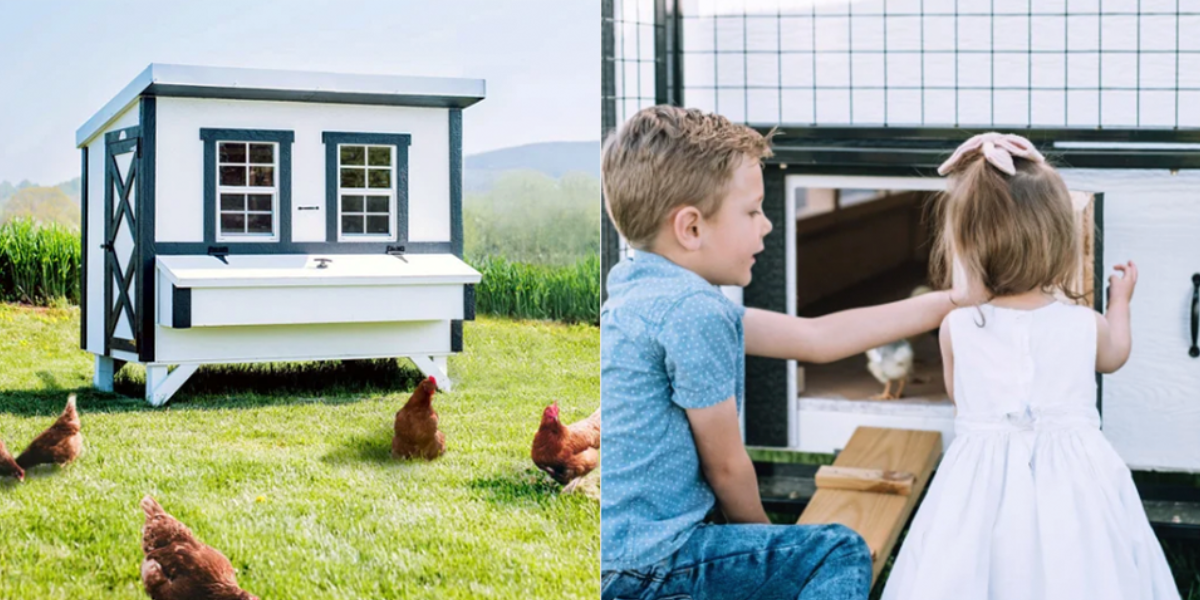
The retailer has listed the OverEZ Farmhouse Large Chicken Coop, a ready-to-ship backyard structure designed to house up to 15 chickens. The bundle includes a large feeder, a high-capacity waterer, and 33 pounds of hemp bedding. In other words, it is considerably more ambitious than the tiny decorative henhouses that look charming online but become a cramped feather box after three hens move in.
The package attracted attention when it was widely reported at $1,899.99, including curbside delivery. Costco continues to list OverEZ large-coop bundles, although prices, inventory, delivery options, and model availability may vary by location and date.
It is undeniably cute. It is also a serious purchase involving animals, construction, zoning rules, predators, manure, and a surprising amount of chicken math. Here is what prospective backyard farmers should understand before adding this miniature barn to their oversized Costco cart.
What Comes With the Costco Chicken Coop?
The OverEZ Farmhouse Large Chicken Coop is closer to a compact garden shed than a lightweight starter hutch. It measures approximately 74 inches long, 60 inches wide, and 72.5 inches high when the nesting-box area is included. That makes it tall enough to resemble a proper backyard building without consuming the footprint of a full-size shed.
The structure is made in the United States from wood and LP SmartSide materials. According to the product description, it is constructed by Amish-trained craftspeople and designed for both hot and cold climates. Assembly is simplified through prefabricated components, but “ready to ship” does not mean “magically appears beside the hydrangeas fully assembled.” Buyers will still need a screw gun, a prepared site, and preferably another capable adult who does not disappear when lifting begins.
Interior Features
The coop includes five nesting boxes, two roosts, two screened windows, and vents positioned near the upper gable ends. The windows can be opened or closed, allowing owners to adjust airflow according to the season.
There is also a human-size access door for cleaning and maintenance, plus a separate chicken door with a treated wooden ramp. The roof is designed to direct runoff away from the nesting boxes, while radiant-barrier sheathing in the ceiling is intended to reduce heat buildup during summer. Moisture-resistant resin is used on the flooring and siding, an important detail because chickens produce an impressive amount of humidity and mess for creatures that weigh less than a bowling ball.
The Included Feeder, Waterer, and Bedding
The bundle’s 50-pound feeder uses a no-waste design intended to limit spilled or contaminated feed. The manufacturer says it can supply chickens older than 12 weeks for as long as 45 days, but the actual duration depends heavily on flock size.
For perspective, University of Minnesota Extension estimates that a six-pound hen may consume roughly three pounds of feed per week. Eight hens could therefore eat about 24 pounds weekly, emptying a 50-pound feeder in a little over two weeks. A flock of 15 could go through it much faster. The large capacity still reduces refill frequency, but buyers should not treat the maximum-duration claim like a vacation authorization form. Chickens require daily observation even when their feeder is full.
The 12-gallon waterer uses three drinking nipples and is promoted as providing clean water for up to a month. Again, hot weather, leakage, flock size, and individual drinking habits can significantly shorten that period. Fresh water should be checked every day, especially during summer.
The final extra is a 33-pound package of compostable hemp bedding. Hemp is valued for absorbency and odor control, although no bedding material eliminates the need for regular cleaning. Chickens have yet to recognize the concept of a security deposit.
Can It Really Hold 15 Chickens?
Costco and OverEZ advertise the coop as suitable for up to 15 chickens. That number should be viewed as a maximum manufacturer capacity rather than an automatic recommendation for every flock.
The University of Minnesota recommends approximately three to five square feet of indoor coop space per bird. The Costco structure’s listed exterior footprint is about 31 square feet before accounting for walls, nesting areas, and interior fixtures. At the conservative extension guideline, the indoor area may be more comfortable for roughly six to ten standard-size hens, depending on breed, climate, and how much time the birds spend outdoors.
Bantams require less space than large breeds such as Brahmas or Orpingtons. A flock with all-day access to a roomy, protected run may also use the indoor area primarily for sleeping and laying. By contrast, birds confined inside during severe weather need more breathing room.
Overcrowding can contribute to damp bedding, ammonia buildup, feather pecking, broken eggs, stress, and disease transmission. Buying the biggest flock that technically fits is rarely the best strategy. Start smaller, observe how the space functions, and remember the universal law of backyard poultry: somehow, six chickens tend to become ten.
The Missing Piece: A Predator-Proof Run
The standard Costco bundle is a coop, not a complete outdoor run. Chickens still need secure space to walk, scratch, stretch, dust-bathe, and investigate every leaf as though it may contain classified information.
Costco separately lists an OverEZ walk-in run with metal mesh, an access door, a weather-resistant tarp, and an adapter for OverEZ coops. Whether buyers choose that product or build another enclosure, the run should protect birds from both ground and aerial predators.
Raccoons can manipulate simple latches, rats can tunnel, foxes can dig, and hawks require very little invitation. University extension guidance recommends closing chickens into a secure shelter at night, eliminating small entry holes, and reducing hiding places that attract predators. Strong hardware cloth is generally a better defense than lightweight chicken wire, which is excellent at keeping chickens in but considerably less impressive at keeping determined animals out.
What to Check Before Ordering
Local Laws and HOA Rules
Before spending four figures on a coop, verify that backyard chickens are legal at your address. Municipal rules may regulate flock size, roosters, setbacks, coop placement, sanitation, permits, and distances from neighboring homes. Homeowners associations may impose additional restrictions.
Costco’s own listing advises purchasers to consult local government and HOA requirements because the structure may need a permit. The CDC also recommends checking state and local laws before buying poultry. A charming coop becomes much less charming when accompanied by a zoning citation.
Your Delivery Route
The widely reported offer included curbside delivery, which generally means the shipment reaches the end of the driveway rather than its final backyard location. Measure gates, side passages, slopes, and turning areas before ordering.
Plan how the components will move from the curb to the installation site. A narrow gate, soft lawn, or steep backyard can transform a convenient delivery into an accidental team-building exercise.
A Level, Well-Drained Foundation
Do not place a wooden coop directly in a low area where rainwater collects. A level pad made from compacted gravel, concrete blocks, pavers, or another suitable base can improve stability and drainage. Local conditions matter, so homeowners in frost-prone regions may need a more substantial foundation.
Position the coop where it receives useful morning light, some afternoon shade in hot climates, and reasonable protection from prevailing winds. Leave enough clearance around the building for cleaning, repairs, and predator inspection.
Chicken Health and Household Safety Still Matter
A polished coop does not make backyard poultry maintenance-free. Chickens can carry Salmonella and other germs even when they appear clean and healthy. The CDC recommends washing hands after touching birds, eggs, feed containers, waterers, or anything in the poultry area. Coop shoes and equipment should remain outdoors, and poultry supplies should be cleaned outside rather than in a household sink.
Children younger than five should not handle chicks or other poultry. Older children need supervision around the flock and while washing their hands. Collect eggs frequently, discard cracked eggs, keep nesting areas clean, and refrigerate eggs after collection according to appropriate food-safety practices.
Biosecurity is equally important. USDA guidance recommends limiting unnecessary visitors, using dedicated footwear, cleaning tools, reducing contact with wild birds, and watching for signs of illness. Owners should contact a veterinarian, cooperative extension service, state veterinarian, or USDA when birds become unexpectedly sick or die.
Is the Costco Chicken Coop Worth the Price?
The answer depends on what the buyer values. Experienced DIYers may be able to build a custom coop for less, especially when using salvaged materials. However, designing a durable structure, sourcing lumber, weatherproofing surfaces, adding ventilation, building nesting boxes, and installing secure doors require time and skill.
The Costco bundle appeals to shoppers who prefer a coordinated, panelized package rather than an open-ended construction project. The feeder, waterer, and bedding also remove several items from the initial shopping list. Comparable substantial coops can range from a few hundred dollars to around $2,000, depending on size, construction, and features. Backyard chickens are therefore unlikely to produce genuinely “free” eggs, especially during the startup years.
The strongest reasons to buy it are convenience, attractive design, substantial construction, built-in ventilation, and accessible cleaning doors. The main cautions are the high initial price, curbside handling, the need for a separate secure run, and the optimistic 15-bird capacity.
Best For
- Households legally permitted to keep a backyard flock
- Owners who want a farmhouse-style structure without designing one from scratch
- Small or medium flocks with regular access to a secure outdoor run
- Buyers willing to prepare a proper foundation and maintain wood components
- Families interested in chickens as animals and a long-term hobby, not merely an egg-discount program
Think Twice If
- Your HOA or municipality has unclear poultry rules
- You have no safe location for an attached run
- You expect 15 large hens to remain comfortably confined inside
- You travel frequently without a reliable poultry caretaker
- Your primary goal is saving money on grocery-store eggs
A Realistic Owner Experience: From Delivery Day to the First Eggs
Because calling an online listing “adorable” is easy, it helps to imagine what living with this type of coop actually involves. The following is a representative ownership scenario based on common backyard-flock routines rather than a claim of personal product testing.
Delivery day begins with optimism. The coop panels arrive at the curb, looking organized and manageable. Then everyone notices that the prepared site is 70 yards away, beyond a gate that suddenly seems designed for garden gnomes. A hand truck, moving straps, gloves, and two helpers quickly become more valuable than inspirational homesteading videos.
Once the components reach the backyard, assembly is relatively straightforward compared with building a coop from raw lumber. The prebuilt sections eliminate much of the measuring and cutting. Even so, owners should sort the hardware, read the full instructions, check the base for level, and avoid tightening everything permanently until the structure is aligned. A screw gun helps; a second person who understands the phrase “hold that exactly there” helps even more.
The finished coop creates an immediate focal point. It looks intentional rather than improvised, and the human-size door makes arranging bedding, checking roosts, and reaching corners less frustrating. Five nesting boxes may initially seem generous for a small flock, but hens commonly ignore several perfectly good options and form a waiting line for one favorite box. Chickens do not believe in efficient real-estate allocation.
During the first week, the feeder and waterer feel like major upgrades. Less feed lands on the ground, and the larger reservoirs reduce constant refilling. However, the owner soon learns that “high capacity” is not the same as “ignore until next month.” Water nipples need to be tested, feed must stay dry, and every bird should be observed eating and drinking. A clogged opening matters even when the container behind it is full.
The windows and upper vents become especially valuable after several nights. Moisture from droppings and breathing can accumulate inside a closed coop, so ventilation must remain functional without creating a direct draft across roosting birds. The owner develops a morning ritual: open the chicken door, examine the bedding, inspect the waterer, collect eggs, and perform a quick head count. Chickens are excellent at creating mysteries, usually involving an open gate or a suspiciously quiet corner.
Cleaning is manageable because of the access door, but it is still real farm work. Bedding must be refreshed, droppings removed, nesting boxes checked, and latches examined for wear. A dedicated rake, scraper, bucket, gloves, and coop shoes soon occupy their own outdoor storage area.
The biggest lesson arrives after dusk. The flock willingly enters the attractive coop, but the owner still checks every latch and scans the run perimeter. A sturdy building provides a strong starting point; daily attention completes the safety system.
After the novelty settles, the coop’s appeal becomes less about its farmhouse appearance and more about routine. It offers organized storage, easier access, weather protection, and a comfortable nighttime shelter. The eggs are enjoyable, but the real reward is watching individual personalities emerge: the fearless hen, the dramatic complainer, the escape artist, and the bird who supervises every cleaning session without contributing anything useful.
Final Verdict
Costco’s ready-to-ship OverEZ chicken coop is an appealing shortcut for households that want a substantial backyard henhouse without beginning with a lumber pile and a weekend full of regrettable measurements. Its farmhouse styling, nesting boxes, ventilation, moisture-resistant surfaces, feeder, waterer, and bedding create a strong starter package.
Still, the coop is only one part of responsible chicken keeping. Buyers need legal approval, a stable foundation, a predator-resistant run, realistic flock sizing, daily care, sanitation, and a biosecurity plan. Treat the advertised 15-chicken capacity as an upper limit, not a personal challenge.
For the right household, this can become an attractive and functional center of backyard life. For the wrong household, it may become an extremely expensive garden shed haunted by the memory of chickens that zoning officials never allowed.
Editorial note: Product prices, specifications, inventory, shipping terms, and local poultry regulations can change. Confirm current details with Costco, the manufacturer, your municipality, and your homeowners association before purchasing animals or a coop.