There are two kinds of people in this world: people who can walk into HomeGoods for “one small basket” and people who are lying. The phrase “Fab Freebie: Scoping Out The Goods” captures that delicious little thrill of hunting for home decor treasures, discovering your design personality, and maybejust maybewinning or scoring something fabulous without handing over your entire grocery budget.
Originally, the idea was tied to a fun design-style quiz and a HomeGoods gift-card giveaway. But the heart of the topic is bigger than one contest: it is about learning how to shop smart, spot real value, avoid fake “free” traps, and decorate a home that looks collected instead of panic-bought at 9:47 p.m. before guests arrive.
Whether you love budget home decor, free samples, digital coupons, loyalty rewards, or the sport of finding one perfect lamp under questionable fluorescent lighting, this guide will help you scope out the goods like a stylish bargain detectivewith better throw pillows.
What Does “Fab Freebie” Really Mean?
A fab freebie is not just “free stuff.” Truly fabulous freebies have three qualities: they are useful, legitimate, and aligned with your actual taste or needs. A free neon-orange ceramic rooster is only a win if your kitchen is begging for poultry drama. Otherwise, congratulationsyou have acquired clutter with a beak.
In the home decor world, freebies can show up as giveaway prizes, gift cards, loyalty perks, free samples, bonus items with purchase, digital coupons, or store events. Sometimes the freebie is tangible, like a beauty sample or seasonal product. Sometimes it is strategic, like a design quiz that helps you understand whether your style is classic, boho, coastal, glam, modern, farmhouse, or “I bought this because it was lonely on the clearance shelf.”
The best freebie hunters know that free does not automatically mean good. Smart shoppers look past the word “free” and ask: Is this from a real company? Do I need to enter payment information? Is there an automatic subscription? Does it fit my space, my lifestyle, or my budget? That tiny pause can save you from a very expensive “complimentary” trial.
Why Design-Style Quizzes Became So Addictive
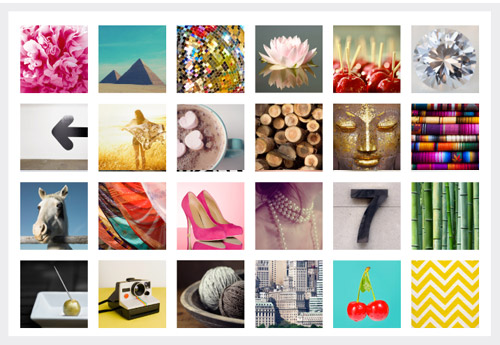
Design-style quizzes are popular because they turn decorating into a personality test with prettier pictures. Instead of staring at a blank living room and whispering, “Who am I?” into a curtain rod, you choose images you love and get a quick style direction.
The original “Scoping Out The Goods” concept leaned into that fun: choose favorite images, get a style result, then use that result to shop with more confidence. That matters because home storesespecially off-price storescan be wonderfully chaotic. One aisle may whisper “calm coastal retreat,” while the next screams “Vegas peacock formalwear.” A style filter helps you avoid bringing home six unrelated items simply because each one was individually cute.
How to Use a Style Quiz Without Letting It Boss You Around
A quiz should be a compass, not a judge in a powdered wig. If your result says “Classic” but your soul owns three disco-ball planters, you are allowed to rebel. Use quiz results to identify patterns: colors you repeat, materials you gravitate toward, rooms that make you exhale, and textures that make you want to touch everything like a raccoon in a boutique hotel.
The goal is not to label yourself forever. The goal is to shop with fewer regrets.
Scoping Out The Goods at HomeGoods and Other Off-Price Stores
Off-price home decor shopping is different from traditional retail shopping. At stores like HomeGoods, inventory changes frequently, quantities can be limited, and the thrill comes from discovery. You may not find the same lamp twice. You may not even find the same lamp’s emotionally stable cousin.
That is why successful shoppers use a flexible plan. Before you go, measure your space, photograph the room, note your color palette, and write down what you actually need. This prevents the classic bargain-hunter tragedy: buying a giant mirror that looks majestic in the store and then discovering it blocks your hallway like a decorative drawbridge.
What to Look For First
Start with items that deliver the biggest style impact: mirrors, lamps, throw pillows, rugs, baskets, trays, frames, small accent furniture, bedding, and seasonal decor. These categories can transform a room quickly without requiring a contractor, a permit, or a dramatic family meeting.
Mirrors are especially powerful because they bounce light and make rooms feel larger. Lamps add warmth, height, and personality. Baskets hide evidence of everyday life: dog toys, charging cables, remote controls, and that one instruction manual you keep for an appliance you no longer own.
What to Inspect Before Buying
Because many off-price items are one-of-a-kind finds, inspect before you commit. Check lamps for working switches, shades for dents, furniture for wobbling, drawers for smooth movement, glass for chips, rugs for stains, and framed art for cracked corners. A tiny flaw may be acceptable if the price is right. A chair that leans like it knows a secret is not a bargain; it is a future chiropractic bill.
How to Tell a Good Freebie From a Sneaky Trap
Not all freebies are friendly. Some “free trial” offers are built to collect your payment information and start charging once the trial period ends. Others hide shipping costs, subscription terms, or cancellation hoops in fine print so tiny it could qualify as dust.
Before signing up for any free sample, free box, or trial offer, read the terms carefully. Look for auto-renewal language, pre-checked boxes, cancellation deadlines, return policies, and customer reviews. Search the company name with words like “complaint,” “billing,” or “scam” if anything feels off.
The Real-Free Checklist
- No surprise subscription: A real freebie should not quietly turn into a monthly charge.
- Clear company identity: You should know who is offering it and how to contact them.
- Reasonable information request: A sample may need your mailing address, but it should not need your Social Security number, bank login, or firstborn houseplant.
- Transparent shipping: “Free” plus $19.95 shipping is not free; it is a costume.
- Easy cancellation: If canceling requires sending a carrier pigeon during a lunar eclipse, walk away.
Digital Coupons, Loyalty Perks, and the New Freebie Hunt
Modern freebies are often digital. Grocery stores, big-box retailers, beauty brands, and cash-back apps use loyalty accounts, app-only deals, personalized offers, and limited-time coupons to encourage shoppers to try products. That can be great news for deal hunters, but it also means the best offers may live inside apps rather than Sunday paper inserts.
Kroger, for example, has offered digital free-item promotions on select Fridays. Target Circle provides member deals and personalized perks. Sephora offers samples with eligible online orders and Beauty Insider rewards. Walmart’s Beauty Box is not technically free, but it is a low-cost quarterly sample box built around product discovery. Ibotta and similar cash-back platforms help shoppers earn money back after purchasing eligible items.
The trick is to avoid downloading every shopping app in existence until your phone becomes a coupon-powered toaster. Pick the programs you will actually use. If you shop at a store weekly, join its loyalty program. If you buy beauty products regularly, sample perks can help you test before committing. If grocery rebates fit your habits, cash-back apps may be worth the extra tap.
Do Not Let Coupons Drive the Cart
A coupon only saves money if it reduces spending on something you already need or genuinely want. Buying a product solely because it has a rebate is like adopting a raccoon because it came with a free hat. Cute? Maybe. Financially sound? Not really.
Use freebies and coupons as tools, not commands. The smartest shoppers build a list first, then look for offers that match it.
How Product Sampling Helps Shoppers and Brands
Product sampling works because people like to try before they buy. A small beauty sample can prevent a full-size foundation mistake. A mini snack can introduce a new favorite. A travel-size cleaner can prove whether it deserves cabinet space next to the old faithful spray bottle with the mysterious label smear.
Brands love sampling because it reduces hesitation. Consumers love it because it lowers risk. Everybody winsunless the sample drawer becomes a museum of tiny shampoos. In that case, it is time for a household audit.
Mini formats are especially useful for shoppers who want variety without waste. A small candle, trial-size skincare product, or sample pack lets you test scent, texture, performance, or durability before committing to the full-size version. This is particularly helpful for personal products, pet items, cleaning supplies, snacks, and anything involving fragrance, because “fresh linen” can mean “cozy laundry day” or “aggressive hotel elevator.”
Budget Decorating: How to Make Freebies Look Intentional
The danger of freebies and bargain finds is visual chaos. One free print, one discounted vase, one clearance pillow, and suddenly your room looks like six different Pinterest boards got into a pillow fight. The solution is editing.
Choose a simple color palette before you shop. Three main colors are plenty: one base neutral, one supporting tone, and one accent color. For example, cream, warm wood, and deep green can feel cozy and organic. White, navy, and brass can feel crisp and classic. Beige, black, and terracotta can feel modern and earthy.
Create a “Maybe Zone” at Home
When you bring home a freebie or bargain find, do not immediately force it into a room like a contestant entering a reality show. Place it in a “maybe zone” for a day or two. Try it in different spots. See how it looks in morning and evening light. If it works, keep it. If it does not, return it, donate it, gift it, or release it back into the wild world of someone else’s decor destiny.
Group Small Items for Bigger Impact
Small freebies often look random alone but intentional in groups. A tiny candle, a small vase, and a framed photo can become a tray vignette. Sample-size beauty items can fill a guest basket. Free postcards or art prints can become a gallery wall when framed consistently. The magic is not the price; it is the styling.
Specific Examples: What Counts as a Smart “Fab Freebie”?
A smart fab freebie might be a $10 loyalty reward used toward a storage basket you already needed. It might be a free skincare sample that saves you from buying a full-size product that irritates your face. It might be a home decor gift card giveaway that funds a mirror, lamp, or rug. It might be a free digital grocery item that actually fits your meal plan.
A less-smart freebie is anything that creates clutter, requires hidden payments, pressures you to subscribe, or pushes you to buy companion products you would never otherwise purchase. “Free” should feel like a little confetti moment, not the first chapter of a billing dispute.
How to Build a Fab Freebie Strategy
Start with your real life. What rooms need help? What products do you buy often? What categories are expensive to experiment with? Then aim your freebie hunting toward those categories.
If you are decorating, focus on gift cards, home store rewards, clearance finds, and high-impact accessories. If you are into beauty, prioritize samples and rewards programs. If groceries are your main budget pressure, digital coupons and cash-back apps may be more useful. If you love DIY, watch for free workshops, paint sample promotions, printable art, and hardware-store events.
Keep a separate email address for deals if you sign up often. This keeps your main inbox from turning into a glitter cannon of “last chance” subject lines. Also, set calendar reminders for trial cancellations. Future You deserves protection from Past You’s optimism.
Experience Section: Field Notes From Scoping Out The Goods
The best freebie and bargain-hunting trips begin with confidence and a reusable tote. My favorite approach is to treat the store like a museum where some exhibits are allowed to come home. I walk through once without a cart. This is important because a cart makes every object feel possible. Suddenly a ceramic leopard seems practical. Suddenly you are imagining a lifestyle in which you are “the kind of person” who owns a decorative ladder. Walk first. Cart later.
On a good HomeGoods-style trip, I start in lighting. Lamps are room jewelry. A great lamp can make a basic side table look expensive and make a rental living room feel less like a temporary waiting area. I check the base, shade, cord, and scale. If the lamp is too small, it looks timid. If it is too large, it looks like it may ask for voting rights. The sweet spot is a lamp that adds height and glow without blocking conversation.
Next, I visit mirrors and frames. Mirrors are the closest thing home decor has to a magic trick. Put one across from a window and a room gets brighter. Put one at the end of a hallway and suddenly the hallway has ambitions. But I always check the reflection. Some inexpensive mirrors warp slightly, and nobody needs a hallway mirror that turns guests into funhouse potatoes.
Then I scan textiles: pillows, throws, curtains, napkins, table runners, and bedding. This is where discipline matters. Soft things are persuasive. A throw blanket can whisper, “Take me home, I am autumn.” But I ask three questions: Does it match my palette? Does it feel good? Can I wash it without needing a ceremony? If the answer is no, I move on, dramatically but respectfully.
For freebies, I use the same mindset. If a beauty store offers samples, I choose products I am actually considering buying. If a grocery app offers a free item, I check whether it fits the week’s meals. If a brand offers a free trial, I read the terms before entering payment information. This is not glamorous, but neither is arguing with customer service over a mystery subscription called “Wellness Glow Monthly Plus Elite.”
One of the best experiences comes from combining freebie hunting with decorating goals. For example, imagine you want to refresh a guest bathroom. You might use a store reward toward a hand towel set, add a free fragrance sample to a small guest tray, frame a low-cost printable, and find a discounted basket for extra toilet paper. Nothing is wildly expensive, but the finished room feels thoughtful. That is the real win: not just getting something free, but making it feel chosen.
The biggest lesson is this: the goods are everywhere, but not every good is yours. Leave behind the almost-right items. Pass on the free thing that will become clutter. Wait for the piece that makes your room better and your budget calmer. Scoping out the goods is part treasure hunt, part self-control exercise, and part comedy routine performed under retail lighting. Done well, it gives you a home that feels personal, layered, and smartwithout requiring a trust fund or a second garage for “bargains.”
Conclusion: The Freebie Is Only Fabulous If It Fits
Fab Freebie: Scoping Out The Goods is more than a catchy phrase. It is a smart-shopping philosophy. Know your style. Know your budget. Know the difference between a real perk and a sneaky trap. Use design quizzes for inspiration, loyalty programs for strategic savings, samples for low-risk testing, and off-price stores for joyful discovery.
The best homes are not built from the most expensive things. They are built from good choices, personal details, useful pieces, and the occasional thrilling find that makes you whisper, “Oh, this is coming home with me.” And when that find is freeor close to it? That is not just shopping. That is a tiny domestic victory parade.