Tooth enamel has an impressive résumé. It is the hardest substance in the human body, works every day without requesting vacation, and protects the more sensitive layers inside each tooth. Yet enamel is not indestructible. Repeated acid exposure, dry mouth, aggressive brushing, teeth grinding, and several medical conditions can gradually thin, soften, crack, or wear it away.
The tricky part is that enamel damage often develops quietly. You may not notice anything until cold water causes a jolt, the edges of your front teeth look transparent, or your dentist points out flattened chewing surfaces. Understanding the causes of tooth enamel erosion and damage makes it easier to protect what remainsbecause once a substantial amount of enamel is physically lost, the body cannot simply grow it back.
What Is Tooth Enamel Erosion?
Tooth enamel erosion is the progressive loss of the tooth’s hard outer surface through chemical attack, usually from acids. Unlike cavities, classic dental erosion does not begin with bacteria. Acid directly softens and dissolves minerals in enamel. However, erosion and tooth decay can occur at the same time, turning a small problem into an unpleasant team project.
“Enamel damage” is a broader term. It may include erosion, abrasion from friction, attrition from tooth-to-tooth contact, cracks, developmental defects, and mineral loss caused by decay. A dentist looks at the location and pattern of wear, your diet, medications, health history, saliva flow, brushing habits, and bite before deciding what is actually happening.
Why Enamel Loss Matters
Enamel protects dentin, the softer yellowish tissue beneath it. As enamel becomes thinner, teeth may look darker or yellower, feel sensitive, develop rounded edges, or show small dents called cupping. Advanced wear can change the bite, weaken fillings, increase fracture risk, and make eating uncomfortable.
The Most Common Causes of Tooth Enamel Erosion
1. Frequent Acidic Drinks
Soda, energy drinks, sports drinks, lemonade, fruit juice, sweetened iced tea, wine, and many flavored waters expose teeth to acids. Sugar-free does not automatically mean tooth-friendly; a diet soda may contain little or no sugar while remaining acidic enough to soften enamel.
Frequency and drinking style matter as much as the beverage itself. Finishing an acidic drink with a meal is generally less harmful than sipping it every few minutes for three hours. Each sip restarts the acid exposure and gives saliva less time to neutralize the mouth. Swishing the drink around the teeth or holding it in the mouth increases contact even more.
2. Acidic Foods and Sour Snacks
Citrus fruits, tomatoes, pickles, vinegar-heavy dressings, tamarind, sour candy, and some fruit-flavored snacks can contribute to erosive tooth wear when consumed frequently. These foods are not automatically “bad.” An orange eaten with lunch is different from sucking on lemon wedges throughout the afternoon.
Sour candies deserve special attention because they often combine acids, sugar, stickiness, and long contact time. In other words, they arrive with a tiny demolition crew. Acid softens the enamel, sugar feeds cavity-causing bacteria, and the sticky texture keeps the mixture on the teeth.
3. Gastroesophageal Reflux Disease and Silent Reflux
Gastroesophageal reflux disease, commonly called GERD, can bring stomach acid into the esophagus and sometimes the mouth. Because gastric acid is extremely strong, repeated exposure may erode the inner surfaces of the upper teeth and the chewing surfaces of back teeth.
Some people have obvious heartburn, while others have “silent” reflux with symptoms such as chronic throat clearing, hoarseness, coughing, a sour taste, or unexplained dental erosion. Dental treatment alone cannot stop damage if reflux continues. A dentist may identify the wear pattern, but medical evaluation is often needed to manage the underlying digestive problem.
4. Recurrent Vomiting
Frequent vomiting exposes teeth to stomach acid and may cause rapid enamel erosion. Possible causes include pregnancy-related nausea, eating disorders, gastrointestinal disease, medication side effects, alcohol misuse, and some cancer treatments. The backs of the front teeth may be especially affected.
After vomiting, immediately scrubbing the teeth can make matters worse because the enamel is temporarily softened. A safer first step is to rinse gently with water and wait before brushing. Patients who experience repeated vomiting should seek medical and dental care for both the underlying cause and the resulting oral-health risks.
5. Dry Mouth and Low Saliva Flow
Saliva is the mouth’s cleanup and repair crew. It washes away food, dilutes acids, helps neutralize pH, and supplies calcium and phosphate that support remineralization of early surface damage. When saliva flow drops, acids remain in contact with teeth longer and the risk of erosion, sensitivity, and cavities increases.
Dry mouth may result from dehydration, mouth breathing, Sjögren disease, diabetes, radiation treatment to the head or neck, salivary gland disorders, or medications. Many antihistamines, antidepressants, decongestants, blood pressure drugs, and other medicines can cause oral dryness.
Do not stop a prescribed medication on your own. Ask a dentist, physician, or pharmacist about ways to manage the side effect or whether another medication form may be appropriate.
6. Acidic Medications and Supplements
Chewable vitamin C, aspirin that is chewed or held in the mouth, acidic lozenges, and some liquid medicines can contact enamel directly. Risk is higher when the product is used often, taken before bed, or allowed to dissolve slowly against the teeth.
The medication may be necessary, but its form or timing might be adjustable. A pharmacist can sometimes suggest a less acidic alternative without changing the treatment goal.
7. Occupational or Environmental Acid Exposure
Less common causes include exposure to acidic fumes or aerosols in certain industrial workplaces. Competitive swimmers may also experience enamel problems if pool water is improperly maintained and becomes excessively acidic.
These situations may produce wear patterns that are difficult to explain through diet alone, which is why a detailed occupational and recreational history can help a dentist connect the dots.
Causes of Enamel Damage That Are Not Pure Erosion
Aggressive Brushing and Abrasive Products
Brushing is essential, but more force does not equal more cleanliness. Hard bristles, heavy pressure, and aggressive back-and-forth scrubbing can wear tooth structure near the gumline, particularly when enamel has already been softened by acid. Highly abrasive whitening products may add to the problem when overused.
Timing matters too. Brushing immediately after soda, citrus, wine, or vomiting can rub away softened mineral. Waiting about an hour after significant acid exposure allows saliva time to neutralize acids and reharden the surface. Meanwhile, rinse with water and resist the urge to attack your teeth as though they owe you money.
Teeth Grinding and Clenching
Bruxism creates repeated tooth-to-tooth pressure. Over time, grinding may flatten chewing surfaces, shorten teeth, chip edges, crack enamel, or damage restorations. Acid-softened enamel is more vulnerable to this mechanical stress, so erosion and bruxism can amplify one another.
Morning jaw soreness, headaches, worn tooth edges, cheek biting, or a partner reporting nighttime grinding are possible clues. A dentist may recommend a custom night guard, but the device protects teeth rather than curing every cause of grinding. Stress, sleep disorders, medications, and bite factors may also need attention.
Nail Biting, Chewing Ice, and Using Teeth as Tools
Enamel is hard but brittle. Chewing ice, pens, popcorn kernels, or fingernails can create tiny cracks that eventually become chips. Opening packages, cutting fishing line, or removing bottle caps with teeth is even riskier. Teeth are excellent at chewing food and notably underqualified as household pliers.
Oral Piercings and Repeated Contact
Tongue or lip jewelry can strike teeth during speaking, chewing, or sleeping. Repeated impact may chip enamel, wear tooth surfaces, damage fillings, or contribute to gum recession. Anyone with oral jewelry should have the contact areas checked during routine dental visits.
Enamel Hypoplasia and Inherited Conditions
Some teeth begin life with enamel that is thin, pitted, soft, or incompletely formed. Enamel hypoplasia may be associated with illness, nutritional problems, trauma, infection, or another disruption while teeth are developing. Rare inherited conditions such as amelogenesis imperfecta can affect enamel formation across many teeth.
These problems are not caused by careless brushing or a recent soda habit. People with developmental enamel defects may need earlier preventive care, fluoride treatment, sealants, bonding, crowns, or other protective restorations.
Tooth Decay
Cavities also involve mineral loss, but the process differs from dietary or gastric erosion. Plaque bacteria use sugars and other fermentable carbohydrates and produce acids that attack enamel. Early decay may appear as a chalky white area; later, the surface can break down into a hole.
Because erosion can make enamel thinner and more vulnerable, erosion and tooth decay may appear together. A dental examination can determine whether a suspicious area is erosion, abrasion, decay, or a combination.
Warning Signs of Enamel Erosion and Damage
Early enamel wear may cause no pain. As it progresses, common signs include:
- Sensitivity to cold, heat, sweets, or acidic foods
- Yellowing as the underlying dentin becomes more visible
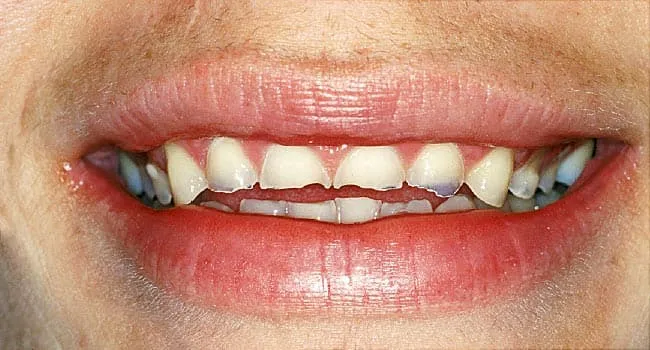
- Transparent or glassy edges on the front teeth
- Rounded, smooth, flattened, or unusually shiny surfaces
- Small dents or cups on chewing surfaces
- Chips, rough edges, cracks, or shortened teeth
- Fillings that appear raised because nearby tooth structure has worn away
- Changes in the bite or discomfort while chewing
These signs can also occur with cavities, gum recession, cracked teeth, or other dental conditions. A professional examination is the only reliable way to identify the cause.
Habits That Increase the Risk of Enamel Damage
Most enamel damage is not caused by one dramatic event. It is usually the result of repeated exposure plus insufficient recovery time. Risk rises when someone:
- Sips acidic drinks throughout the day
- Consumes sour candy or citrus frequently between meals
- Brushes immediately after acid exposure
- Has untreated reflux, frequent vomiting, or chronic dry mouth
- Grinds teeth while the enamel is already weakened
- Uses a hard-bristled brush with excessive pressure
- Chews ice or uses teeth to open objects
- Skips dental exams, allowing early wear to progress unnoticed
The pattern is often cumulative. One soda with lunch is unlikely to dismantle a healthy smile. A large acidic drink nursed from breakfast until dinner, followed by immediate hard brushing and nighttime grinding, is a much more convincing villain.
How to Reduce Further Enamel Damage
Change the Frequency of Acid Exposure
Limit acidic drinks and have them with meals instead of sipping continuously. Water is the best between-meal beverage. When you choose an acidic drink, swallow it rather than swishing it around the mouth.
A straw may reduce contact with the front teeth when positioned properly, but it is not an invisible force field. The beverage can still reach other tooth surfaces.
Rinse, Then Wait Before Brushing
After acidic food, drinks, reflux, or vomiting, rinse with plain water. Wait roughly 30 to 60 minutes before brushing, especially after a strong acid exposure. Brush twice daily with fluoride toothpaste and a soft-bristled toothbrush using gentle pressure.
Support Healthy Saliva Flow
Stay hydrated and discuss persistent dry mouth with a healthcare professional. Sugar-free gum can stimulate saliva for many people, although it may not be suitable for everyone with jaw pain or certain digestive sensitivities.
A dentist may recommend saliva substitutes, prescription-strength fluoride, or other preventive products based on individual risk.
Treat the Underlying Cause
Managing GERD, recurrent vomiting, an eating disorder, medication-related dryness, or sleep bruxism is essential. Dental bonding, veneers, or crowns may restore damaged teeth, but restorations will remain at risk if the original acid or mechanical stress continues.
Schedule a Dental Evaluation Early
A dentist can document wear, compare changes over time, check for decay and cracks, review dietary and medical factors, and recommend treatment before extensive reconstruction becomes necessary.
Seek prompt care for severe pain, facial swelling, a broken tooth, signs of infection, or sensitivity that persists or becomes progressively worse.
Experiences Related to Tooth Enamel Erosion and Damage
The following are illustrative composite scenarios rather than individual patient testimonials. They demonstrate how common enamel-damage patterns may appear in everyday life.
The All-Day Energy Drink Habit
A busy office worker keeps a large energy drink beside the keyboard and takes small sips from 9 a.m. until midafternoon. The drink is sugar-free, so the habit feels harmless. Months later, cold water begins to sting, and the front teeth look slightly translucent at the edges.
The surprise is not that a single beverage caused instant destruction. The problem is repeated acid exposure with almost no neutral recovery period. A realistic improvement would be to reduce the frequency, drink the beverage during a limited window with food, follow it with water, and choose water between meals.
The lesson is simple: “sugar-free” answers only the sugar question. It does not answer the acid question.
The Mystery Wear Caused by Silent Reflux
Another person rarely experiences classic heartburn but often wakes with a sour taste, hoarse voice, and dry throat. During a dental visit, the dentist notices smooth erosion on surfaces that are not usually hit directly by soft drinks. Questions about sleep, digestion, and morning symptoms point toward possible reflux.
This experience can be frustrating because the teeth seem to be the first place where the problem becomes visible. The useful takeaway is that a dentist may identify a pattern that deserves medical evaluation. Restoring the teeth without addressing reflux would be like repainting a wall while the pipe behind it is still leaking.
The Enthusiastic Brusher
A patient notices yellow areas near the gumline and responds by brushing harder with a firm toothbrush and whitening paste. The teeth become more sensitive, so the patient brushes even more aggressively. This is a classic case of good intentions entering a bad partnership.
The yellow appearance may be exposed dentin, gum recession, erosion, abrasion, or a combination. Gentler technique, a soft brush, fluoride toothpaste, and professional evaluation are more useful than extra force. Clean teeth do not require a daily power-washing service.
The Nighttime Grinder with an Acidic Diet
A recreational runner frequently uses sports drinks and citrus-flavored energy gels, then clenches or grinds during sleep. The dentist finds flattened chewing surfaces and small chips. Neither factor tells the whole story: dietary acid may soften enamel, while grinding supplies the mechanical force that wears and fractures it.
The most effective plan may involve changing when and how sports products are used, rinsing with water, improving fluoride exposure, evaluating nighttime grinding, and wearing a professionally fitted guard when appropriate. Treating only one side of the problem may slow damage without stopping it.
The Dry-Mouth Medication Surprise
A person starts a necessary medication and gradually notices a sticky mouth, difficulty swallowing dry foods, and increased tooth sensitivity. Because the prescription does not seem “dental,” the connection is easy to miss. Yet reduced saliva can weaken the mouth’s natural defense against both erosion and decay.
The right response is not to stop the medicine without medical advice. Instead, the patient can tell the prescriber and dentist, review other contributing medications, improve hydration, discuss saliva-stimulating options, and consider higher-fluoride preventive care. Small interventions are much easier than waiting until several teeth need restoration.
Across these experiences, the repeated theme is that enamel damage often comes from combinations: acid plus time, dry mouth plus frequent snacking, erosion plus grinding, or softened enamel plus aggressive brushing. Identifying the pattern early allows prevention to become specific rather than generic. “Brush better” is not enough when the actual cause is nighttime reflux or an acidic drink consumed over six hours.
Conclusion
The leading causes of tooth enamel erosion and damage include frequent acidic foods and drinks, acid reflux, recurrent vomiting, dry mouth, abrasive brushing, bruxism, harmful chewing habits, and developmental enamel defects. Some causes are chemical, some are mechanical, and many overlap.
Enamel cannot fully regenerate after substantial physical loss, but early mineral softening may be strengthened, and progression can often be slowed or stopped. The best strategy is to reduce repeated acid exposure, use gentle fluoride-based oral care, support saliva, treat medical contributors, and have suspicious wear examined before sensitivity or fractures become severe.
Note: This article is intended for general education and does not replace diagnosis or treatment from a dentist, physician, or other qualified healthcare professional.