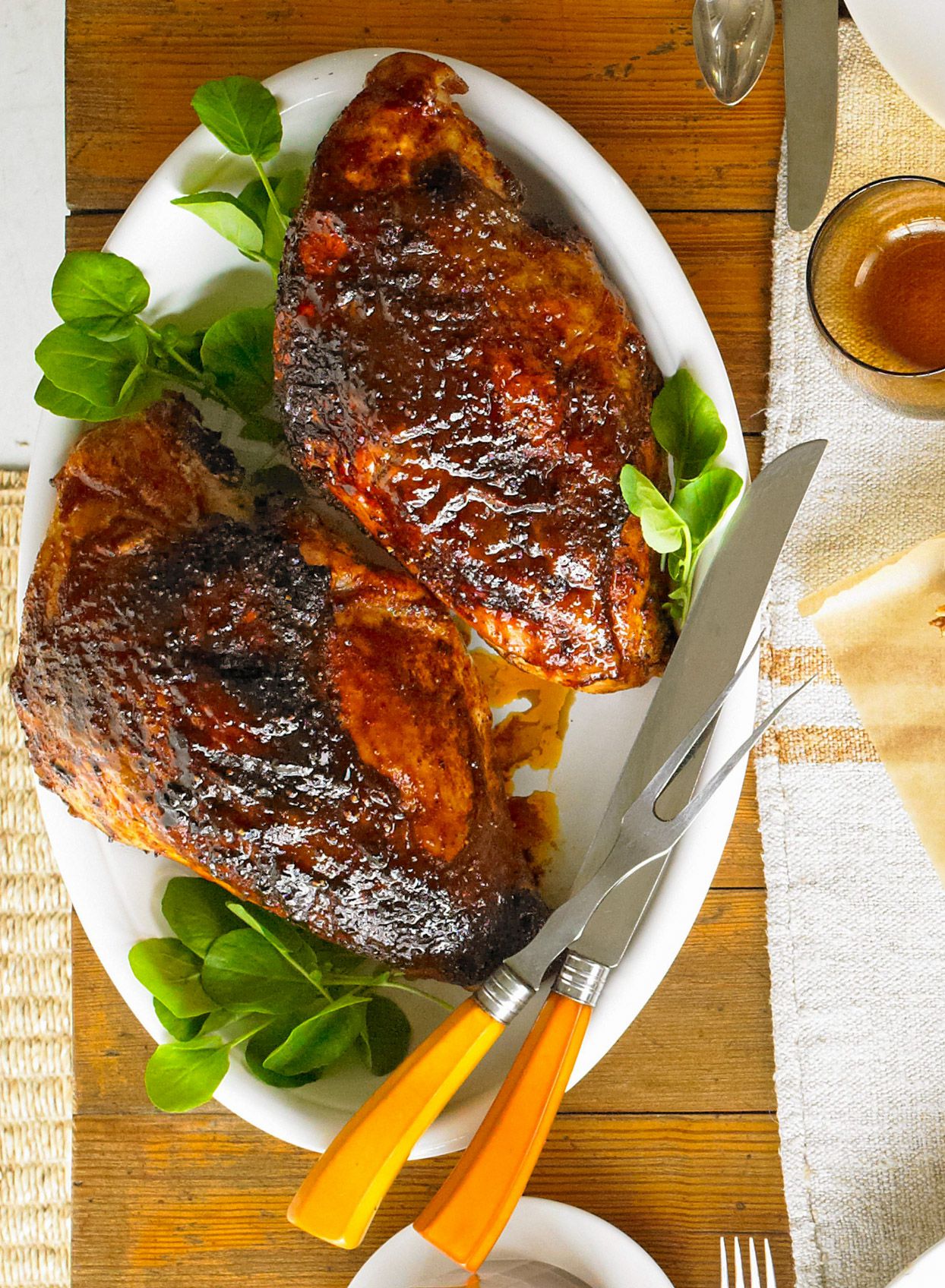
Turkey breast has a reputation problem. Too many people meet it once at a holiday table, dry as a weather report, and decide forever that white meat is a culinary punishment. But a BBQ roast turkey breast recipe done right is juicy, smoky, lightly sweet, beautifully browned, and surprisingly easy. In other words, it is the turkey breast redemption arc we all deserve.
This recipe uses indirect heat, a simple BBQ dry rub, a buttery glaze, and a thermometer-based cooking method so you are not guessing like a backyard detective. It works for a bone-in turkey breast or a boneless turkey breast roast, and it can be made on a gas grill, charcoal grill, or pellet grill. The goal is simple: tender turkey, crisp edges, smoky flavor, and slices that do not need a gallon of gravy to survive.
Why This BBQ Roast Turkey Breast Recipe Works
The secret to great grilled turkey breast is treating it like a roast, not like a steak. Turkey breast is lean, which means it does not love harsh direct heat for a long time. Indirect grilling turns your grill into an outdoor oven, surrounding the meat with steady heat while giving it that unmistakable BBQ personality.
A light dry brine seasons the meat beneath the surface, while oil or butter helps the skin brown. BBQ rub adds sweet, smoky, peppery flavor, and a glaze near the end gives the outside a shiny, sticky finish without burning the sugars too early. Most importantly, the turkey is cooked by internal temperature, not by vibes. Vibes are great for playlists; thermometers are better for poultry.
Recipe Overview
- Prep time: 20 minutes, plus optional dry-brining time
- Cook time: 1 1/2 to 2 1/2 hours, depending on size and grill temperature
- Rest time: 15 to 20 minutes
- Total time: About 2 to 3 hours
- Servings: 6 to 8
- Best grill setup: Indirect medium heat, about 325°F to 375°F
- Safe internal temperature: 165°F in the thickest part of the breast
Ingredients
For the Turkey
- 1 turkey breast, 4 to 6 pounds, bone-in or boneless
- 2 tablespoons olive oil or melted unsalted butter
- 1 tablespoon kosher salt, or less if the turkey is pre-brined
- 1 teaspoon black pepper
- 1 teaspoon garlic powder
- 1 teaspoon onion powder
- 1 teaspoon smoked paprika
- 1 teaspoon brown sugar
- 1/2 teaspoon dried thyme
- 1/2 teaspoon chili powder
- 1/4 teaspoon cayenne pepper, optional
For the BBQ Glaze
- 1/2 cup BBQ sauce
- 2 tablespoons honey or maple syrup
- 1 tablespoon apple cider vinegar
- 1 tablespoon melted butter
- 1 teaspoon Dijon mustard
Best Turkey Breast to Use
You can use a bone-in turkey breast or a boneless turkey breast roast. Bone-in turkey breast usually has better flavor and slightly more protection from drying out. Boneless turkey breast is easier to slice and fits nicely on smaller grills, but it can cook faster, so watch the temperature carefully.
If your turkey breast comes in netting, check the package directions. Some boneless roasts are meant to stay in the netting while cooking so they hold their shape. If the turkey is already injected, enhanced, or pre-brined, reduce the added salt in this recipe. Nobody wants a turkey that tastes like it went swimming in the ocean and forgot to rinse off.
Step-by-Step Instructions
1. Thaw the Turkey Breast Safely
If frozen, thaw the turkey breast in the refrigerator. A 4- to 6-pound turkey breast usually needs 1 to 2 days to thaw fully. Keep it in its packaging on a rimmed tray to catch any drips. Do not thaw turkey on the counter; that is not “rustic cooking,” that is inviting bacteria to a buffet.
2. Pat It Dry
Remove the turkey from its packaging and pat it dry with paper towels. Dry skin browns better, and dry meat holds seasoning more evenly. This small step makes a big difference, especially if you want that roast-turkey-meets-backyard-BBQ finish.
3. Season or Dry Brine
Mix the salt, pepper, garlic powder, onion powder, smoked paprika, brown sugar, thyme, chili powder, and cayenne. Rub the seasoning all over the turkey, including under the skin if possible. For deeper flavor, season the turkey 8 to 24 hours ahead and refrigerate it uncovered on a rack set over a baking sheet.
This dry-brining method helps the seasoning work its way into the meat while drying the surface for better browning. If you are short on time, season it 30 to 45 minutes before grilling. The turkey will still taste great; it just will not have had a full spa day.
4. Preheat the Grill for Indirect Cooking
Preheat your grill to 325°F to 375°F. For a gas grill, turn on one or two burners and leave the area under the turkey turned off. For a charcoal grill, bank the coals to one side and place the turkey on the cooler side. For a pellet grill, set the temperature to 325°F for a balanced roast with mild smoke.
Place a drip pan under the turkey if possible. Add a splash of water, broth, or apple juice to prevent drippings from scorching. This also keeps cleanup from becoming a full-body workout.
5. Oil or Butter the Surface
Brush the turkey breast with olive oil or melted butter. Oil helps the rub stick, while butter adds flavor and encourages browning. If the turkey has skin, be gentle so you do not tear it. Think of it as tucking in a blanket, not wrestling a couch cover.
6. Roast the Turkey on the Grill
Place the turkey breast over indirect heat, skin side up. Close the lid and cook until the thickest part of the breast reaches about 150°F to 155°F. This may take 1 1/2 hours for a smaller turkey breast or up to 2 1/2 hours for a larger one. Grill temperature, meat thickness, bone structure, and weather can all affect timing.
Use a digital thermometer and insert it into the thickest part of the breast without touching bone. Checking temperature properly is the difference between juicy turkey and poultry sadness.
7. Add the BBQ Glaze Near the End
While the turkey cooks, stir together the BBQ sauce, honey or maple syrup, apple cider vinegar, melted butter, and Dijon mustard. Brush the glaze over the turkey during the last 15 to 20 minutes of cooking. Do not add it too early because the sugar in BBQ sauce can burn before the turkey is done.
For a thicker, stickier finish, glaze once, close the lid for 7 minutes, then glaze again. The result is glossy, smoky, and just sweet enough to make people hover near the cutting board pretending they are “helping.”
8. Cook to 165°F
Continue cooking until the turkey reaches 165°F in the thickest part of the breast. Some cooks remove turkey breast around 160°F and let carryover heat finish the job, but the safest simple rule for home cooks is to verify 165°F before serving.
9. Rest Before Slicing
Transfer the turkey breast to a cutting board and tent it loosely with foil. Let it rest for 15 to 20 minutes. Resting allows juices to redistribute, which means the slices stay moist instead of leaving a puddle on the board like a tiny turkey fountain.
10. Slice and Serve
Slice against the grain into medium-thick pieces. Serve with extra BBQ sauce on the side, not poured over everything. A good BBQ roast turkey breast should be flavorful enough to stand proudly on its own, with sauce as backup vocals.
Gas Grill, Charcoal Grill, and Pellet Grill Tips
Gas Grill
Use the burners to create hot and cool zones. Keep the turkey on the unlit side and adjust the active burners to maintain 325°F to 375°F. If the skin browns too fast, loosely cover it with foil.
Charcoal Grill
Bank hot coals on one side and place a drip pan on the other. Add a few chunks of apple, cherry, or pecan wood for smoke. Avoid heavy smoke woods in large amounts because turkey breast is mild and can taste bitter if over-smoked.
Pellet Grill
Set the pellet grill to 325°F for a roast-style result. For more smoke flavor, start at 250°F for 30 to 45 minutes, then raise the heat to 350°F until the turkey reaches temperature. This gives you smoke without turning dinner into a three-act drama.
Flavor Variations
Sweet and Smoky BBQ Turkey Breast
Use a brown sugar-based rub with smoked paprika, garlic powder, and a honey BBQ glaze. This is the crowd-pleaser version and works especially well for sandwiches.
Spicy BBQ Turkey Breast
Add cayenne, chipotle powder, or hot honey to the glaze. Keep the heat balanced so the turkey still tastes like turkey, not like it joined a dare club.
Herb BBQ Turkey Breast
Add rosemary, thyme, sage, and lemon zest to the rub. Use a less sweet BBQ sauce or a mustard-based sauce for a brighter flavor.
Maple Mustard Turkey Breast
Replace honey with maple syrup and increase Dijon mustard to 2 tablespoons. This version is excellent for fall dinners, Thanksgiving, or any day you want the house to smell like you made an effort.
What to Serve with BBQ Roast Turkey Breast
This BBQ turkey breast recipe plays nicely with classic cookout sides and holiday dishes. Serve it with grilled corn, coleslaw, baked beans, potato salad, mac and cheese, roasted sweet potatoes, cornbread, or a crisp green salad. For a lighter meal, pair it with cucumber tomato salad and grilled vegetables.
Leftovers are excellent in turkey sandwiches, BBQ turkey sliders, wraps, grain bowls, tacos, or chopped salads. A cold slice straight from the fridge also counts as a snack, though your family may accuse you of “checking the leftovers” too often.
Common Mistakes to Avoid
Cooking Over Direct Heat
Direct heat can burn the outside before the center is safe to eat. Use indirect heat for even roasting and better moisture.
Adding BBQ Sauce Too Soon
BBQ sauce contains sugar, and sugar burns. Brush it on during the final stretch of cooking so it caramelizes instead of turning bitter.
Skipping the Thermometer
Turkey breast size varies too much for timing alone to be reliable. A meat thermometer is not optional; it is the tiny truth-teller of the grill.
Slicing Immediately
Cutting too soon lets juices escape. Rest the turkey first, then slice with confidence.
Storage and Reheating
Store leftover turkey in an airtight container in the refrigerator for up to 3 to 4 days. For longer storage, freeze sliced turkey with a little broth or pan juice to help protect the texture. Reheat gently in a covered skillet with a splash of broth, or warm slices in a low oven until hot. Avoid blasting turkey breast in the microwave until it becomes rubbery enough to bounce.
Extra Experience Notes: What I Learned Making BBQ Roast Turkey Breast
The first thing you learn when making BBQ roast turkey breast is that the grill lid is not a television. You do not need to keep opening it to see whether the plot has changed. Every peek drops the temperature and stretches the cook time. Once the turkey is settled over indirect heat, close the lid and let the grill do its job. Check occasionally, but do not hover like the turkey owes you money.
Another important experience: the thermometer should go in the thickest part of the breast, not near the edge and not touching bone. The edge cooks faster, so if you only measure there, you may think dinner is done while the center is still undercooked. A leave-in probe is helpful, but an instant-read thermometer is great for double-checking. When cooking for guests, I like to check two spots. It takes 15 seconds and saves the meal from guesswork.
Dry-brining is worth the patience. Even a few hours of uncovered rest in the refrigerator improves the surface and helps the seasoning taste more complete. The turkey comes off the grill with better browning, and the meat tastes seasoned instead of merely coated. If you only rub spices on right before cooking, the flavor is still good, but it sits more on the surface. When you dry-brine ahead, the turkey tastes like it got the memo from the inside.
Glaze timing matters more than most people think. I once brushed BBQ sauce on too early and watched the outside darken faster than a bad mood. The turkey was fine, but the glaze had a bitter edge. Now I wait until the turkey is close to done, then brush on two thin layers. Thin layers beat one heavy layer because they set better, shine better, and do not slide off like a sugary landslide.
Resting is also not a decorative step. It is part of the cooking process. A turkey breast pulled from the grill is hot, tense, and full of juices that need a minute to settle down. Give it 15 to 20 minutes under loose foil. The slices will be cleaner, juicier, and easier to serve. Use that time to warm side dishes, set out sauce, or accept compliments in advance.
Finally, BBQ roast turkey breast is more flexible than people expect. It works for Thanksgiving when you do not want to cook a whole bird. It works for summer cookouts when burgers feel too predictable. It works for meal prep because sliced turkey breast can become sandwiches, salads, wraps, and quick dinners all week. The real trick is not making turkey complicated. Season it well, cook it gently, glaze it late, use a thermometer, and let it rest. That is the whole magic trick, minus the smoke machine because the grill already brought one.
Conclusion
A great BBQ roast turkey breast recipe is all about balance: steady indirect heat, enough seasoning, a flavorful glaze, and careful temperature control. When cooked to 165°F and rested properly, turkey breast becomes juicy, smoky, sliceable, and worthy of much more than one holiday appearance per year.
Whether you are grilling for Thanksgiving, Sunday dinner, meal prep, or a backyard BBQ, this recipe gives you a reliable method with room for creativity. Keep the heat indirect, glaze near the end, and trust your thermometer. Your reward is tender BBQ turkey breast with big flavor, minimal stress, and leftovers that may mysteriously disappear before lunch tomorrow.