A yellow, thick, crumbly toenail has a special talent for ruining sandal season. It may look like a cosmetic annoyance, but toenail fungusmedically known as onychomycosisis a genuine infection that can become uncomfortable, spread to other nails, and stubbornly hang around for months or years.
Because professional treatment takes time, many people search for a faster kitchen-cabinet solution. Vinegar, especially apple cider vinegar, regularly gets nominated for the job. It is inexpensive, acidic, widely available, and does have antimicrobial properties. Unfortunately, being unpleasant to fungus in a laboratory is not the same as reliably curing fungus buried underneath a thick toenail.
So, can vinegar cure toenail fungus? Current evidence says there is not enough proof to consider vinegar a reliable cure. A carefully diluted vinegar soak may be used by some people as a supportive home-care measure, but prescription antifungal medications remain far better studied.
What Is Toenail Fungus?
Toenail fungus develops when fungi invade the nail plate, nail bed, or surrounding structures. Dermatophytesthe same family of fungi responsible for athlete’s footcause many cases, although yeasts and other molds can sometimes be responsible.
Toenails are particularly vulnerable because shoes create exactly the type of environment fungi appreciate: warm, dark, and occasionally sweaty. The big toenail is a frequent target, especially when repeated pressure from footwear creates tiny injuries that make fungal invasion easier.
Common symptoms of fungal toenails
Signs can include:
- Yellow, white, brown, or cloudy discoloration
- Progressive nail thickening
- Brittle or crumbly edges
- Debris underneath the nail
- Distorted nail shape
- Lifting of the nail from the nail bed
- Unpleasant odor in some cases
- Pain or pressure when wearing shoes
One important catch: not every ugly toenail contains fungus. Psoriasis, repeated trauma, aging, bacterial infections, nail-bed disorders, and even certain cosmetic products can create similar changes. That is why dermatologists frequently recommend testing nail clippings or scrapings before starting months of antifungal therapy.
Can Vinegar Help Toenail Fungus?
Vinegar contains acetic acid, which can inhibit some microorganisms under certain conditions. Small studies and laboratory research have helped create interest in vinegar-based remedies, and diluted vinegar is sometimes suggested as a low-cost adjunct to routine foot care.
However, major medical guidance does not consider vinegar an established treatment capable of reliably eliminating toenail onychomycosis.
The nail itself is the problem
A fungal skin infection is relatively exposed. A fungal nail infection is sitting beneath what is essentially a miniature keratin shield.
The nail plate is thick, hard, and difficult for treatments to penetrate. This explains why even prescription topical antifungal medications typically require daily treatment for around 48 weeks. If medicines specifically developed to penetrate nails need that much persistence, a quick splash of salad dressing is unlikely to perform a miracle before breakfast.
What research actually tells us about vinegar
Evidence reviews have reported antifungal activity from vinegar preparations and other alternative treatments in small-scale studies. But the research is too limited to determine dependable cure rates, ideal concentrations, treatment durations, or long-term relapse rates.
Cleveland Clinic has specifically noted that there is no conclusive scientific evidence showing that apple cider vinegar kills toenail fungus in actual patients. It also warns that vinegar can irritate skin or cause chemical burns, particularly when applied too strongly.
Meanwhile, some dermatology experts have suggested very diluted vinegar soaks as a supportive measure, partly because soaking can soften a thick nail and make nail care easier. Those recommendations should not be confused with evidence that vinegar cures an established fungal infection.
How to Use Vinegar More Safely If You Want to Try It
If you have a mild nail change and your healthcare professional has no concerns about home care, a diluted vinegar soak may be reasonable as an adjunct rather than your primary treatment.
A conservative approach is to dilute household vinegar substantially with warm water rather than placing concentrated vinegar directly on the nail or skin. After soaking, dry the feet thoroughly, including between the toes. Stop immediately if you develop burning, persistent redness, blistering, cracking, or worsening irritation.
Never apply strong vinegar to broken or inflamed skin. People with diabetes, neuropathy, poor circulation, immune suppression, chronic foot ulcers, or significant skin disease should be particularly cautious about do-it-yourself foot treatments and should discuss foot problems with a healthcare professional first.
And avoid the temptation to think, “If a little acid might help, industrial-strength acid must help faster.” Toenails do not appreciate chemistry experiments.
What Actually Works for Toenail Fungus?
The best treatment depends on how many nails are infected, how deeply the infection has penetrated, your medications, age, medical history, and whether laboratory testing confirms fungus.
1. Oral terbinafine
For many otherwise appropriate adults with confirmed dermatophyte toenail fungus, oral terbinafine is considered a first-line treatment because it generally performs better than topical therapies.
A commonly prescribed FDA-approved course for adult toenail onychomycosis is 250 mg daily for 12 weeks. Treatment must be supervised by a healthcare professional because terbinafine can interact with medications and is unsuitable for certain people, particularly those with active or chronic liver disease. Liver evaluation is generally performed before treatment begins.
Clinical cure rates reported across studies vary considerably, roughly from 38% to 76% for toenail disease. Those numbers may sound less exciting than advertisements promising “perfect nails in seven days,” but they are based on actual clinical research rather than enthusiastic testimonials from somebody’s cousin on social media.
2. Itraconazole
Itraconazole is another prescription oral antifungal that can treat onychomycosis. It has important drug interactions and may not be appropriate for people with certain heart or liver conditions.
Research generally favors terbinafine over itraconazole for many dermatophyte toenail infections, particularly when long-term relapse is considered. However, the best medication depends on the organism involved and the individual patient.
3. Prescription topical antifungals
Topical treatment may make sense when the infection is mild, involves a smaller portion of the nail, or when oral medication is undesirable.
Common U.S. prescription options include:
- Efinaconazole 10% solution
- Tavaborole 5% solution
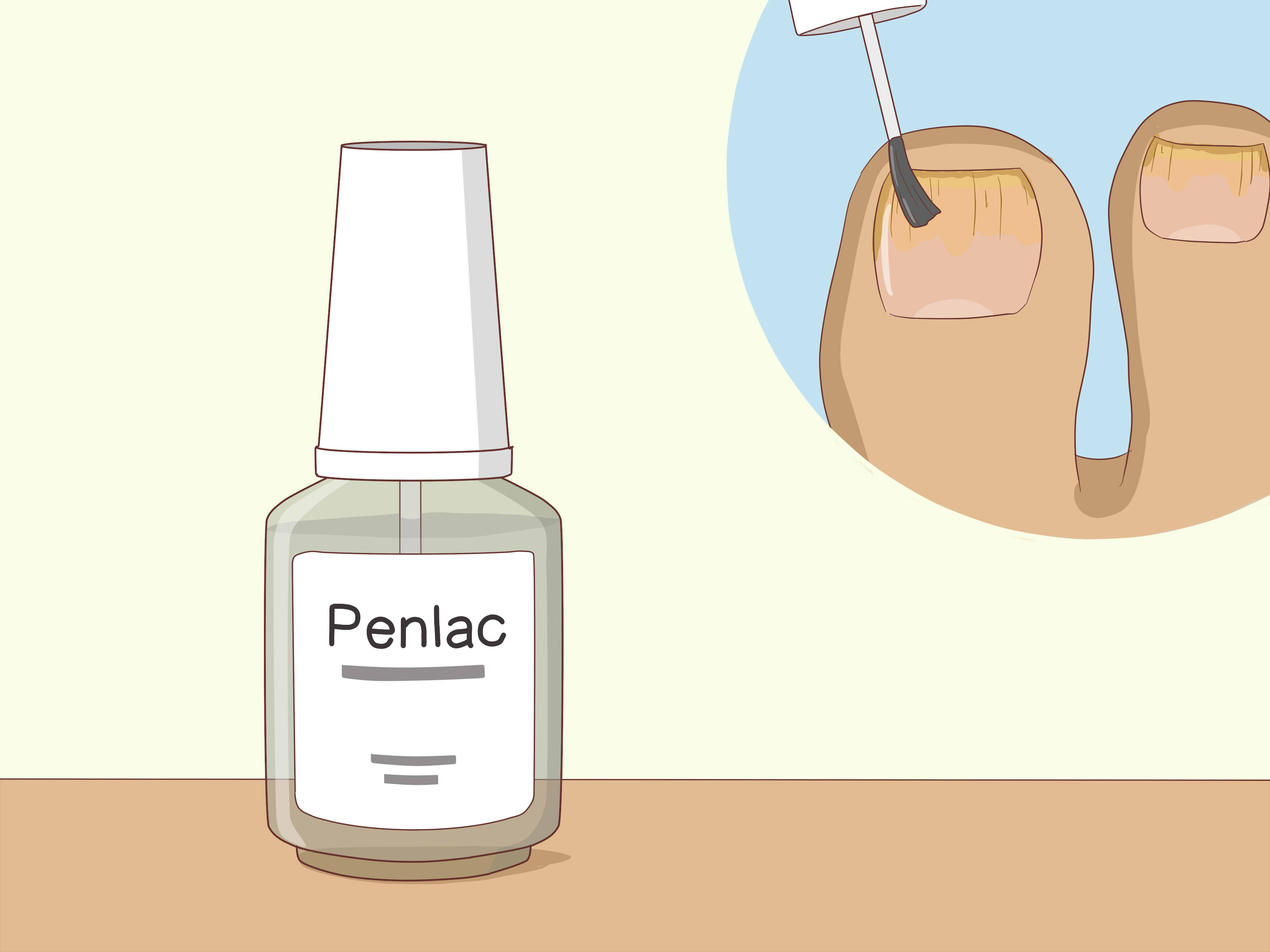
- Ciclopirox 8% nail lacquer
These treatments usually require extraordinary consistency. For toenail infections, daily application for approximately 48 weeks is common.
Complete cure rates in clinical trials have been modest. Efinaconazole produced complete cure in roughly 15% to 18% of participants in major trials. Tavaborole achieved rates of approximately 6.5% to 9.1%, while ciclopirox toenail cure rates have generally been in the single digits.
That does not mean topical therapy is useless. It means people need realistic expectations and should understand that eliminating fungus and growing an entirely normal-looking nail are two separate milestones.
4. Trimming and debridement
Keeping an affected nail appropriately trimmed and reducing excessive thickness may improve comfort and help topical medication reach deeper portions of the nail.
Professional debridement can be particularly valuable when nails become extremely thick, difficult to cut, or painful inside shoes. People with diabetes or circulation problems should usually leave aggressive nail trimming to qualified professionals.
5. Nail removal
Partial or complete nail removal is occasionally considered when an infection is severe, painful, resistant to treatment, or associated with major nail deformity. Nail removal is not the routine first choice for uncomplicated fungus.
6. Laser treatment
Laser therapy receives considerable marketing attention, but evidence for completely curing fungal nail infection remains less convincing than evidence for established antifungal medications. Some laser devices have been cleared for temporary improvement in the appearance of fungal nails rather than guaranteed eradication of the underlying infection.
Why Toenail Fungus Takes So Long to Disappear
Imagine killing weeds but having to wait a year for fresh grass to replace every damaged blade. Toenail treatment works somewhat similarly.
Even when antifungal medication successfully eliminates active fungi, the damaged nail does not magically transform into a clear nail. Healthy nail must grow outward from the base.
A big toenail may require 12 to 18 months to completely grow out. Therefore, the first encouraging sign is often a band of clearer nail appearing near the cuticle while the old yellow or thickened portion gradually moves toward the tip.
Taking monthly photographs from the same angle can make progress easier to recognize. Otherwise, slow improvement can feel like watching continental drift.
How to Prevent Toenail Fungus From Coming Back
Recurrence is common even after successful treatment. Studies estimate relapse in roughly 20% to 25% of patients, making prevention an important part of any toenail fungus treatment plan.
Keep feet dry
Fungi thrive in moisture. Change damp socks, choose breathable footwear, and allow sweaty shoes to dry completely before wearing them again.
Treat athlete’s foot
Fungus growing between the toes can act as a reservoir that repeatedly spreads back toward the nails. Treating athlete’s foot promptly may reduce reinfection.
Wear sandals in communal wet areas
Locker rooms, public showers, pool decks, spas, and similar environments can harbor dermatophytes. Flip-flops are considerably cheaper than spending a year painting medication onto your toenails.
Do not share nail tools
Clippers, files, footwear, socks, and towels can potentially spread fungi. Clean personal grooming equipment after use and choose salons that follow proper sterilization practices.
Trim nails correctly
Keep toenails reasonably short and cut them straight across. Avoid repeatedly digging beneath the nail, which can cause injuries that create new entry points for microorganisms.
When Should You See a Doctor?
Consider seeing a dermatologist, podiatrist, or other qualified healthcare professional if:
- The nail keeps becoming thicker or more discolored.
- Several toenails are affected.
- You have pain while walking or wearing shoes.
- The surrounding skin becomes red, swollen, warm, or drains fluid.
- Home care has not produced improvement.
- You are unsure whether the problem is actually fungus.
- You have diabetes, neuropathy, circulation problems, or a weakened immune system.
Testing is especially useful before committing to months of prescription treatment. Treating psoriasis with antifungal medicine is about as productive as trying to fix Wi-Fi with a lawn mower: wrong problem, wrong tool.
Real-World Experiences: What Treating Toenail Fungus Is Usually Like
One of the most frustrating things about toenail fungus is the gap between what people expect and what treatment actually feels like. Many expect visible improvement within a week or two. In real life, successful treatment often involves months of boring consistency followed by months of waiting for healthy nail to grow.
The “vinegar looked promising at first” experience
A common pattern begins with someone noticing yellow discoloration on one corner of a big toenail. They search online, find vinegar soak recommendations, and begin soaking regularly. After several weeks, the surrounding skin may look cleaner and the softened nail may become easier to trim. This can create the impression that the fungus is disappearing.
What sometimes happens next is less exciting. The discolored portion remains, thickening slowly or continuing to spread toward the nail base. The vinegar may have improved foot hygiene or softened keratin without eliminating organisms established deeper inside the nail.
This experience illustrates why appearance alone cannot prove a fungal cure.
The “nothing changed for three months” experience
Another typical situation occurs after someone starts an evidence-based treatment and expects an immediate cosmetic transformation. They finish several weeks of oral medication and stare accusingly at the same yellow toenail.
Then, several months later, a narrow section of clear nail becomes visible near the cuticle. The old damaged nail is still there, but it has moved farther toward the tip.
This is often exactly what successful treatment looks like. Medication addresses the infection; nail growth replaces the evidence.
The “I treated the nail but forgot my athlete’s foot” experience
Some people successfully improve fungal nails only to see the problem return. A frequent reason is that the environment that encouraged infection never changed.
Imagine using prescription treatment faithfully while continuing to wear the same damp work boots every day and ignoring scaling between the toes. The fungus gets plenty of opportunities for an encore performance.
Better outcomes generally involve treating athlete’s foot, rotating footwear, washing socks, keeping feet dry, disinfecting or replacing contaminated footwear when appropriate, and wearing protection in communal wet areas.
The “one treatment doesn’t fit everybody” experience
A healthy adult with one mildly affected toenail may choose a very different strategy from someone with six severely thickened nails, diabetes, and circulation problems.
Likewise, someone taking multiple prescription medications may not be an ideal candidate for a particular oral antifungal because of possible interactions. Another person may prioritize avoiding systemic medication and accept the lower cure rates and longer duration associated with topical therapy.
The useful lesson is that toenail fungus treatment works best when it is individualized rather than copied from another person’s bathroom routine.
The experience that matters most: patience
People who eventually achieve clearer nails often describe treatment as surprisingly uneventful. There may be no dramatic peeling away of fungus and no morning when the nail suddenly looks brand new.
Instead, they trim the nail, use medication consistently, keep their feet dry, manage athlete’s foot, wait, take another photo a month later, and repeat. Slowly, a healthier nail replaces the damaged one.
That is not a glamorous wellness hack, but toenail fungus apparently did not receive the memo that modern humans prefer instant results.
Final Verdict: Does Vinegar Cure Toenail Fungus?
Vinegar has enough antifungal activity to make the idea scientifically plausible, but there is currently insufficient high-quality clinical evidence to say that vinegar reliably cures toenail fungus. A diluted vinegar soak may be acceptable as supportive care for some people, particularly for softening nails or complementing good foot hygiene, but it should not replace proven antifungal treatment when an infection is established.
If you want the best odds of clearing stubborn onychomycosis, first confirm that fungus is actually causing the nail changes. For appropriate patients, oral terbinafine generally offers the strongest evidence. Mild disease may be treated with topical medications such as efinaconazole, tavaborole, or ciclopirox. Nail trimming, foot hygiene, treatment of athlete’s foot, and prevention of reinfection can improve the overall strategy.
Above all, expect toenail recovery to move at toenail speed. The fungus may be eliminated months before your foot finally looks ready for its close-up.
Note: This educational article synthesizes current information from major U.S. medical and health authorities, including the American Academy of Dermatology, American Academy of Family Physicians, U.S. Food and Drug Administration, Centers for Disease Control and Prevention, MedlinePlus, Mayo Clinic, Cleveland Clinic, Harvard Health Publishing, Johns Hopkins Medicine, American Podiatric Medical Association, Mount Sinai, and current clinical evidence reviews. It is not a substitute for individualized diagnosis or treatment from a healthcare professional.