Getting paid to walk through a grocery store sounds suspiciously convenient. You already know how to locate milk, compare avocados, and wonder why one tiny bottle of vanilla extract costs more than lunch. As an Instacart shopper, those everyday shopping skills can become a flexible source of income.
However, the job involves more than tossing cereal into a cart. Full-service shoppers operate as independent contractors, use their own vehicles, communicate with customers, manage replacements, carry groceries, and pay their own operating expenses. Your earnings can also vary dramatically depending on local demand, tips, traffic, store familiarity, and the batches you accept.
This guide explains how to become an Instacart shopper, how the application process works, what shoppers may earn, and the most important advantages and disadvantages. It also provides practical strategies for deciding whether Instacart is a profitable side hustle in your market.
What Does an Instacart Shopper Do?
Instacart connects customers with shoppers through its mobile app. Customers submit grocery orders from participating retailers, and shoppers complete some or all of the purchasing and delivery process.
Most applicants are interested in becoming full-service shoppers. A full-service shopper typically:
- Reviews available batches in the Instacart Shopper app
- Chooses whether to accept an offered batch
- Drives to the assigned grocery store
- Locates and scans the requested products
- Communicates with the customer about replacements
- Pays with an Instacart-issued payment card
- Loads the groceries into a personal vehicle
- Delivers the order to the customer
A batch may contain one customer order or several orders grouped together. It can also involve more than one store. Larger batches may offer more money, but they also create more opportunities to mix up bags, miss an item, or discover that the customer lives on the fourth floor of a building where elevators apparently went extinct.
Full-Service Shoppers vs. In-Store Shoppers
Full-service shoppers are generally independent contractors who shop and deliver using their own vehicles. They choose when to work and which available batches to accept.
In-store shoppers, where those positions remain available, shop for orders inside designated stores but do not deliver them. These positions may be structured as part-time employment with scheduled shifts. Availability is much more limited and depends on current hiring needs in each market.
Instacart Shopper Requirements
Instacart’s basic requirements are relatively accessible, but applicants must still satisfy identity, driving, technology, and physical-work standards.
To apply as a full-service Instacart shopper, you generally need to:
- Be at least 18 years old
- Be legally authorized to work in the United States
- Have a valid Social Security number
- Have a valid driver’s license
- Have reliable access to an eligible vehicle
- Carry auto insurance that satisfies applicable requirements
- Own a recent smartphone capable of running the Shopper app
- Have a bank account for direct deposit
- Be physically capable of lifting and handling grocery orders
- Pass criminal and motor-vehicle background checks
Instacart verifies an applicant’s age, driver’s license, identity, and Social Security number. The company also uses third-party providers, including Checkr, to conduct initial criminal and motor-vehicle record checks. Shoppers may be asked to complete additional identity checks after activation.
Some deliveries have additional restrictions. For example, shoppers generally must satisfy state-specific age and certification requirements before delivering alcohol. Local laws and platform rules determine which restricted orders appear in the app.
How to Apply to Become an Instacart Shopper
Step 1: Download the Instacart Shopper App
Start through Instacart’s official shopper registration page or download the Instacart Shopper app. Be careful not to confuse it with the regular Instacart customer app. One helps you earn money; the other makes it dangerously easy to order three kinds of cookies at midnight.
Step 2: Create Your Shopper Account
Enter your name, phone number, email address, home address, and ZIP code. Your ZIP code helps Instacart determine whether shopper opportunities are available in your area.
If the market already has enough active shoppers, you may be placed on a waitlist. A waitlist does not necessarily mean your application was rejected. It usually means Instacart is controlling the number of shoppers relative to current customer demand.
Step 3: Submit the Required Information
You may need to provide or verify your:
- Social Security number
- Driver’s license information
- Mailing address
- Banking details
- Profile photograph
- Consent for a background check
Make sure your name and other personal information match your official documents. Even a small discrepancy can delay identity verification.
Step 4: Complete the Background Check
The background screening may examine criminal records and your motor-vehicle history. Many checks finish within several business days, although processing can take longer when courts or government databases respond slowly. Applicants can typically use the screening provider’s candidate portal to monitor progress or dispute inaccurate information.
Step 5: Complete Onboarding
After approval, follow the in-app onboarding instructions. These may cover customer communication, replacements, checkout procedures, delivery standards, alcohol orders, and platform safety policies.
Full-service shoppers also sign an independent contractor agreement and provide tax information. Review these documents rather than treating the acceptance button like a speed-running competition.
Step 6: Activate Your Shopper Payment Card
Instacart provides a payment card used to purchase customer orders. Depending on your market and device, a digital card may become available before the physical card arrives. The card uses Instacart’s funds for approved customer purchases; it is not a personal credit card.
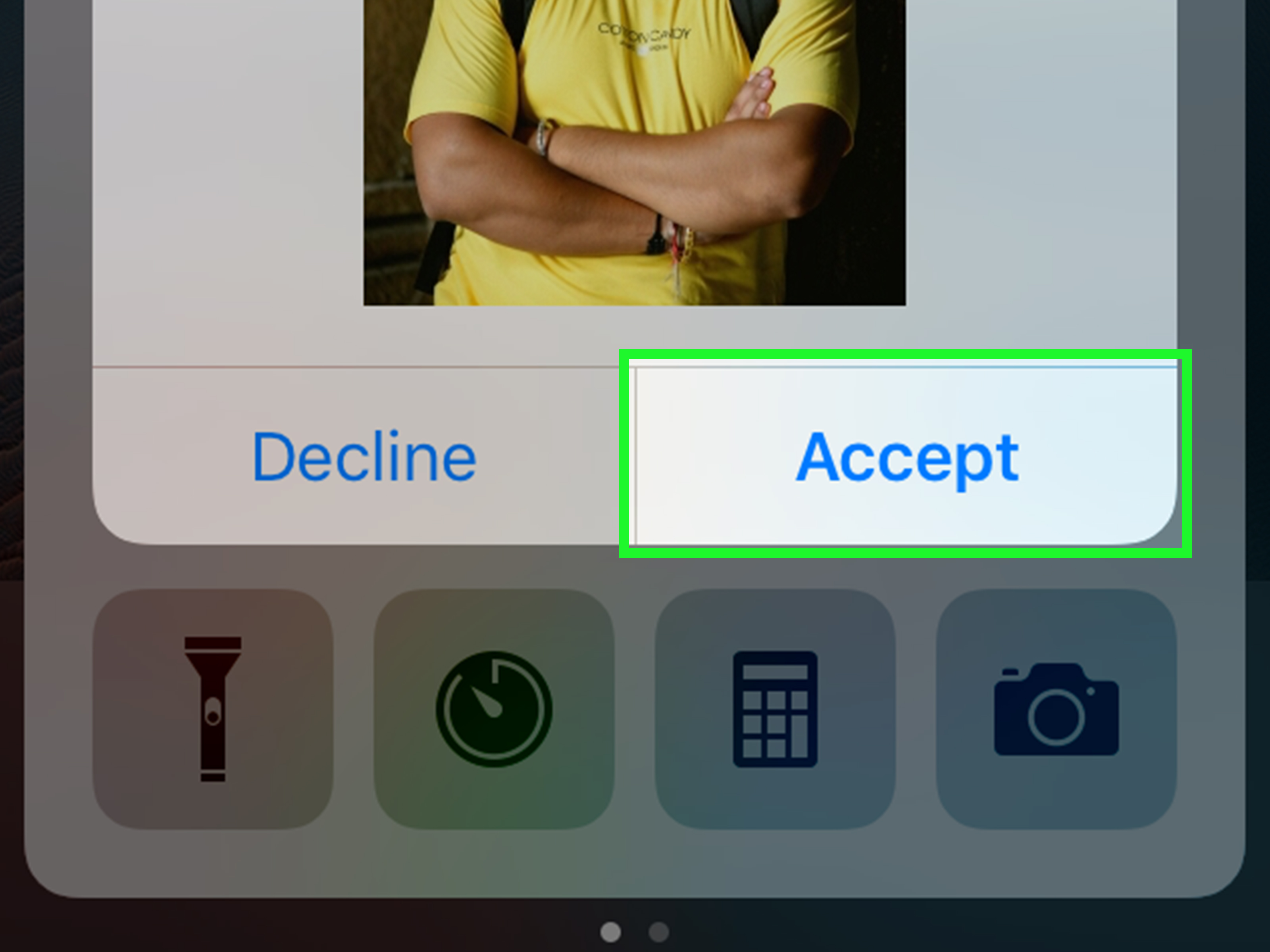
Step 7: Review and Accept Your First Batch
Available batches may show the store, estimated earnings, number of items, number of units, delivery distance, and whether multiple customer orders are included. Examine all of these details before accepting.
New shoppers should begin with smaller, single-customer batches from familiar stores. Your first order is not the ideal moment to accept three customers, two stores, 70 items, and an apartment delivery that appears to require mountain-climbing equipment.
How Much Do Instacart Shoppers Make?
Instacart does not offer one universal hourly wage for full-service shoppers. Earnings are calculated by batch and vary according to the expected time and effort, travel to the store, delivery distance, item quantity, item weight, promotions, and other market-specific factors. Customer tips are shown separately from batch pay, and shoppers receive 100% of eligible tips.
As of July 2026, ZipRecruiter estimated average nationwide Instacart shopper pay at approximately $18.33 per hour. However, this should not be interpreted as guaranteed take-home pay. Gridwise data based on thousands of tracked shoppers reported a considerably lower median gross hourly figure, illustrating how earnings estimates can change depending on methodology, market, working time, and whether unpaid waiting is included.
| Earnings Factor | How It Can Affect Pay |
|---|---|
| Order size | More items usually require more shopping and checkout time. |
| Delivery distance | Longer routes may increase batch pay but also raise vehicle costs. |
| Heavy items | Qualifying batches may include additional heavy-order compensation. |
| Customer tips | Tips can represent a significant portion of total earnings. |
| Local demand | Busy markets and peak periods may produce more or better offers. |
| Store familiarity | Knowing the store layout can improve your effective hourly rate. |
| Waiting time | Time spent waiting for acceptable batches may be unpaid. |
Gross Pay Is Not the Same as Profit
Suppose you accept a batch offering $24, including a $12 customer tip. Shopping and delivery take 70 minutes, but you also waited 20 minutes for the offer and drove 12 total business miles.
Your gross rate is about $20.57 per active hour. Once the waiting period is included, it falls to $16 per hour. Subtract fuel, maintenance, depreciation, insurance costs, and a tax reserve, and the amount available for personal spending falls again.
This is why successful shoppers evaluate dollars per mile, estimated total time, item count, store difficulty, and delivery conditionsnot just the large number glowing on the acceptance screen.
How Instacart Shoppers Get Paid
Shoppers can generally receive earnings through weekly direct deposit. Eligible full-service shoppers may also use Instant Cashout for a small fee after meeting the app’s requirements. Current terms, minimum balances, and processing rules should always be confirmed in the Shopper app because payment policies can change.
Instacart Shopper Taxes and Expenses
Full-service shoppers are generally treated as independent contractors. Instacart ordinarily does not withhold federal income tax, Social Security tax, or Medicare tax from contractor earnings.
The IRS requires gig workers to report taxable income, including income earned from temporary or part-time app work. Workers with at least $400 in net self-employment earnings generally must file the applicable self-employment tax forms. Estimated quarterly tax payments may also be necessary.
Keep organized records of:
- Business mileage
- Parking and tolls
- Insulated delivery bags
- Phone and data expenses
- Car-cleaning supplies
- Other ordinary and necessary business costs
A mileage-tracking app can be useful, but verify that each trip is correctly categorized. Tax rules governing commuting and deductible business mileage can be complicated, so consult a qualified tax professional when necessary.
Check Your Auto Insurance Before Shopping
Do not assume that a standard personal auto policy automatically covers app-based delivery work. Some policies exclude or limit coverage when a vehicle is being used commercially. Tell your insurer how you plan to use the car and ask whether you need a delivery endorsement, rideshare endorsement, or commercial coverage. Coverage options vary by insurer and state.
Pros of Becoming an Instacart Shopper
Flexible Scheduling
Full-service shoppers can generally decide when to open the app and look for work. This makes Instacart easier to combine with school, caregiving, another job, or a schedule that changes from week to week.
You Can Review Batches Before Accepting
The app provides key information before acceptance, allowing shoppers to reject batches that appear unprofitable. Learning to say no is one of the most valuable Instacart skills. Not every batch deserves your gas, time, or lower-back muscles.
No Passengers in Your Vehicle
Unlike rideshare driving, grocery delivery does not require transporting strangers. Your most demanding passenger may be a watermelon rolling around in the trunk.
Low Barrier to Entry
You do not need a specialized degree, professional license, or elaborate home office. Applicants who satisfy the basic requirements can often complete registration entirely online.
Potential for Fast Access to Earnings
Weekly deposits provide predictable access to earnings, while Instant Cashout may help eligible shoppers handle shorter-term cash-flow needs.
Useful Everyday Skills
The job can improve time management, customer service, route planning, product knowledge, and grocery-store efficiency. You may also get plenty of walkingalthough carrying bottled water upstairs is closer to strength training than a peaceful stroll.
Cons of Becoming an Instacart Shopper
Income Is Unpredictable
Demand changes by hour, weekday, season, weather, and neighborhood. You may see several attractive batches in a row and then spend an hour staring at a silent screen.
Vehicle Expenses Reduce Net Earnings
Fuel is only one cost. Delivery driving also accelerates tire wear, oil changes, brake replacement, depreciation, and the approach of that dashboard warning light you were hoping would disappear through positive thinking.
Tips Matter
Customer tips can represent a meaningful share of earnings. A batch with low base pay and no tip may be difficult to justify, especially when it includes many items or a long delivery route.
No Traditional Employee Benefits
Independent contractors generally do not receive employer-sponsored health insurance, paid vacation, unemployment benefits, retirement matching, or guaranteed minimum hours from the platform. Federal labor protections also differ between employees and properly classified independent contractors.
Shopping Problems Can Consume Time
Out-of-stock products, crowded checkout lanes, incorrect store inventory, unresponsive customers, and complicated replacements can turn a simple order into a produce-themed escape room.
Physical and Safety Challenges
Shoppers may lift heavy products, push full carts, drive in poor weather, navigate dark addresses, and climb stairs. You must make safety more important than rushing to improve delivery time.
How to Make More Money as an Instacart Shopper
Learn Two or Three Stores Extremely Well
Store familiarity reduces searching time. Learn aisle layouts, checkout patterns, parking entrances, restroom locations, and the mysterious corner where each store hides specialty cheese.
Calculate Pay Per Mile
Compare the total batch offer with all expected driving, including your trip to the store and your likely route after delivery. A $30 offer is not automatically good when it sends you 25 miles away from active stores.
Count Units, Not Just Unique Items
An order may show 20 different items but contain 48 total units. Six gallons of milk are not the same workload as one box of tea, no matter how creatively the app summarizes them.
Work During High-Demand Periods
Weekends, evenings, holidays, major sporting events, and periods of bad weather may increase customer demand. Severe weather can also increase driving risk, so higher pay should never override reasonable safety decisions.
Communicate Clearly About Replacements
Send brief, useful messages and offer specific alternatives. A photograph of the shelf can help the customer decide quickly. Avoid sending a six-paragraph replacement manifesto while standing in front of the yogurt.
Track Real Profit
Record online time, active time, miles, gross earnings, tips, and expenses. Review the numbers weekly. This reveals which stores, neighborhoods, and working periods actually produce profit.
Real-World Instacart Shopper Experiences
A new shopper’s first few batches are often slower than expected. The app may describe an order as 25 items, which sounds manageable until the shopper enters an unfamiliar store and discovers that organic pasta sauce is in a separate natural-food aisle. The frozen berries are behind a promotional display, the deli has a 15-minute line, and the customer has requested a replacement for nearly every product.
That difficult first batch does not necessarily represent future performance. Experienced shoppers develop routines. They review the order before entering, shop shelf-stable products first, save frozen items for last, and arrange the cart by customer when a batch includes multiple orders. Over time, they recognize product packaging more quickly and spend less time wandering through aisles with the expression of someone searching for buried treasure.
Customer communication is another major learning curve. Consider an order requesting a particular 16-ounce jar of pasta sauce. The exact product is unavailable, but the store has the same flavor in a 24-ounce jar and a different flavor in the requested size. A strong shopper sends a concise message explaining both choices and, when appropriate, selects the replacement that best matches the customer’s stated preference. A weak shopper either refunds everything without trying or sends seven messages containing only the words, “They don’t have it.”
Delivery conditions can also transform batch profitability. A suburban house with driveway access may take two minutes to unload. A downtown apartment may require paid parking, a security check, an elevator ride, and several trips from the car. Experienced shoppers examine the delivery map, customer notes, item weight, and likely building type before accepting a batch.
One of the most important experiences is learning that a high-paying batch is not always a profitable batch. Imagine two offers. The first pays $35 for 65 items, includes two stores, and requires 18 miles of delivery driving. The second pays $22 for 16 items from a familiar store with a four-mile route. The smaller offer may generate a better hourly rate, less vehicle wear, and a faster return to the busy shopping zone.
Shoppers also learn to manage inactive time. Driving endlessly between stores can burn fuel without producing income. Waiting near a reliable cluster of participating stores may be more efficient, but only when there is evidence of demand. After a reasonable period with no worthwhile offers, an experienced shopper may log off rather than accepting an obviously unprofitable batch out of boredom.
Finally, successful shoppers develop emotional discipline. Customers may be grateful, silent, confused, or occasionally unreasonable. Store inventory may be wrong. Support interactions may take longer than expected. A shopper who remains calm, documents problems, protects the groceries, and avoids unsafe shortcuts is more likely to build a sustainable routine.
The practical lesson is simple: Instacart has a learning curve. Efficiency comes from repetition, careful batch selection, honest expense tracking, and local knowledgenot from accepting every order that appears.
Is Becoming an Instacart Shopper Worth It?
Instacart can be worthwhile for someone who wants flexible side income, owns an economical vehicle, lives near active stores, and is willing to evaluate batches carefully. It may be especially useful when you can work during peak demand without relying on the platform for a guaranteed paycheck.
It is less attractive when local demand is weak, delivery distances are long, your vehicle is expensive to operate, or you need predictable hours and employee benefits. The best way to decide is to test the job for several shifts and calculate your net earnings after mileage, waiting time, and other expenses.
Becoming an Instacart shopper is easy compared with operating the job profitably. The application may take only a few steps, but sustainable earnings require judgment, organization, customer service, and the ability to walk away from bad batches. Your goal is not merely to stay busy. Your goal is to make each working hour financially worthwhile.
Editorial note: Shopper requirements, pay methods, screening procedures, fees, role availability, and local regulations may change. This article reflects information reviewed on July 10, 2026; applicants should confirm current terms in the official Instacart Shopper app before applying or accepting orders.