A bath towel sounds like the simplest object in the bathroom until you actually start shopping for one. Suddenly you are comparing grams per square meter, terry loops, waffle texture, Turkish cotton, stonewashed linen, “spa-grade” claims, and towel colors with names like oatmeal cloud and foggy dune. Somewhere in that soft, absorbent jungle sits the Bath Towel Natural Linen Washed Wafer: a towel that looks relaxed, dries fast, folds neatly, and quietly makes your bathroom feel like it belongs in a boutique hotel where nobody has ever stepped on a wet bath mat.
The phrase may look unusual at first. “Natural linen” refers to linen made from flax fibers. “Washed” usually means the fabric has been pre-washed or garment-washed for a softer, more lived-in hand feel. “Wafer” often describes a thin, textured, grid-like surface similar to a waffle or honeycomb weave. Put together, a natural linen washed wafer bath towel is a lightweight, breathable, textured linen towel designed for everyday bathing, travel, guest bathrooms, humid homes, and anyone who wants a towel that does not stay damp until the next presidential administration.
This guide explains what makes linen wafer towels different, how they compare with traditional cotton terry towels, how to care for them, and whether they deserve a permanent spot on your towel bar. Spoiler: if you like fast-drying, naturally elegant bathroom textiles, this towel may become your new quiet luxury obsession.
What Is a Natural Linen Washed Wafer Bath Towel?
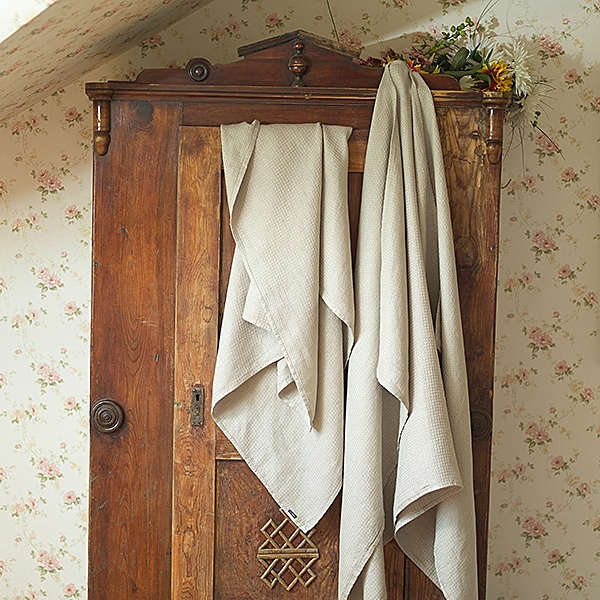
A natural linen washed wafer bath towel is typically made from flax-based linen yarns woven into a raised, textured pattern. The texture may be called wafer, waffle, honeycomb, or grid weave depending on the brand. Unlike thick terry towels, which use loops to create plushness and absorbency, a wafer towel uses structure. Tiny recessed pockets and raised ridges increase surface area while allowing air to move through the fabric.
The result is a towel that feels lighter than a bulky cotton towel but still performs well after a shower. It will not give you the marshmallow hug of a resort-style terry towel. Instead, it gives you a clean, slightly massaging feel, then dries quickly on the rack. Think less “giant fluffy robe at a ski lodge” and more “sunlit coastal bathroom with good ventilation and suspiciously organized shelves.”
Breaking Down the Name
Bath towel means it is sized for drying the body after bathing or showering. Natural linen means the main fiber is linen, traditionally made from flax. Washed means the towel has been processed to soften the fibers and reduce the stiff, crisp feel sometimes associated with new linen. Wafer describes the slim, textured, gridded surface that gives the towel its visual charm and functional airflow.
In short, this towel is not trying to be the biggest towel in the closet. It is trying to be the smartest. It wants to dry you, dry itself, look handsome, and take up less room. Honestly, respectable goals.
Why Linen Works So Well for Bath Towels
Linen has been used for household textiles for centuries because it is strong, breathable, absorbent, and naturally textured. It starts as flax, a plant fiber known for long, durable strands. Those fibers are spun into yarn and woven into fabric that tends to soften with use rather than give up after a few laundry days.
For bath towels, linen has several practical advantages. It releases moisture efficiently, which helps the towel dry faster between uses. It has a cool, dry hand feel that many people love in warm climates. It also has a relaxed, slightly wrinkled appearance that looks intentional. Cotton apologizes for wrinkles. Linen turns them into personality.
Fast Drying Is the Big Selling Point
If you have ever grabbed a towel in the morning and discovered it was still damp from last night, you already understand the appeal of quick-drying linen. A natural linen washed wafer towel is especially useful in small bathrooms, apartments, beach houses, gym bags, RVs, and humid climates where thick towels can hold moisture for too long.
The wafer texture helps because the raised grid does not lie flat against itself. More airflow means less time hanging around in that clammy, musty towel zone. Nobody wants a towel that smells like a forgotten basement with career ambitions.
Linen Gets Softer Over Time
New linen can feel crisp, but washed linen has already started the softening process. With repeated use and laundering, the fibers relax. A good linen towel becomes more comfortable without losing its character. It will not become plush in the same way terry cotton does, but it will become smoother, more flexible, and more personal-feeling over time.
This is one reason linen towels appeal to people who like home goods that age gracefully. They are less about showroom perfection and more about everyday beauty. The towel looks good hanging slightly rumpled. That is not laziness. That is European farmhouse energy, and we should all respect it.
Wafer Texture vs. Traditional Terry: What Is the Difference?
Traditional terry bath towels are made with loops of yarn that stand up from the base fabric. Those loops create softness and high absorbency. A thick terry towel can feel luxurious, especially when you want warmth and plushness. The trade-off is that thick towels often take longer to dry, take more space in the linen closet, and can feel heavy when wet.
A linen wafer towel works differently. It is thinner, more breathable, and more compact. Its texture creates surface area without bulky loops. It may not hold as much water as a heavy terry towel, but it often dries much faster after use. That makes it a smart choice for daily showers, hair wrapping, travel, guest bathrooms, and households that do a lot of laundry.
Choose Linen Wafer If You Want:
- A lightweight towel that dries quickly
- A natural, relaxed bathroom look
- A towel that folds small and packs easily
- A breathable option for humid spaces
- A textured feel rather than plush fluff
Choose Thick Terry If You Want:
- Maximum plushness after a shower
- A towel that feels warm and cushy
- High water capacity for long hair or heavy use
- A classic hotel-towel experience
Neither style is “better” for everyone. The best bath towel is the one that matches your bathroom, climate, skin feel preferences, and laundry habits. If your towel bar is in a low-ventilation bathroom, linen wafer has a real advantage. If your dream towel feels like being hugged by a cloud that has been to finishing school, thick terry may still win.
Design Appeal: Why Natural Linen Looks So Good
Natural linen has a visual softness that works with many bathroom styles. The color is usually warm, neutral, and earthy, somewhere between oatmeal, sand, flax, beige, and pale taupe. It pairs well with white tile, stone, wood, brass, matte black fixtures, ceramic accessories, and plants that you promise yourself you will water this time.
The wafer texture adds dimension without being loud. It creates shadow, depth, and a handmade feel. A stack of natural linen towels can instantly make open shelving look more thoughtful. Even one towel draped over a wooden stool can make a bathroom feel calmer and more curated.
Best Bathroom Styles for Linen Wafer Towels
Minimalist bathrooms benefit from the towel’s texture because it adds interest without clutter. Coastal bathrooms love natural linen because the sandy tone feels beachy without requiring seashell-shaped soap. Farmhouse bathrooms pair linen with wood, ceramics, and vintage hardware. Modern spa bathrooms use linen wafer towels to soften stone, glass, and metal surfaces.
The towel is also a great choice for guest bathrooms. It looks special without screaming for attention. Guests may not know exactly why the bathroom feels nicer, but they will notice. And yes, they may ask where you got the towel. Prepare your humble shrug.
How Absorbent Is a Linen Washed Wafer Bath Towel?
Linen is absorbent, but the experience is different from plush cotton. A thick cotton terry towel absorbs with a soft, pressing feel. A linen wafer towel absorbs with more of a blotting and gliding feel. It grabs moisture efficiently, but because it is lighter, you may use a slightly different drying motion. Instead of wrapping yourself in fluff and waiting, you pat, sweep, and hang.
Many people find this more practical for everyday use. The towel feels less heavy on the body, less bulky around the shoulders, and easier to hang neatly. It is especially useful if you shower more than once a day or share a bathroom where towels need to recover quickly between uses.
Does It Work for Hair?
For short to medium hair, a linen wafer towel can be excellent because it is lightweight and easy to wrap. For very thick or long hair, you may prefer a dedicated hair towel or a larger towel with more water capacity. Still, linen’s quick-drying nature makes it helpful for reducing the “wet towel pile” problem, which is one of the least glamorous domestic mysteries of modern life.
Buying Guide: What to Look For
Not every linen towel is created equal. Before buying a bath towel natural linen washed wafer, check the fiber content, size, weight, construction, care instructions, and finishing details. A towel can be beautiful online and disappointing in real life if it is too scratchy, too small, or too loosely woven.
1. Fiber Content
Look for 100% linen if you want the classic linen feel: crisp, breathable, textured, and fast drying. Some towels blend linen with cotton for extra softness and absorbency. Blends are not bad; they simply perform differently. Linen-cotton blends may feel more familiar to people switching from terry towels.
2. Washed or Pre-Washed Finish
A washed finish is important because it improves softness and reduces the overly stiff feeling of new linen. It can also help manage shrinkage before the towel reaches your bathroom. If the product description says stonewashed, enzyme-washed, garment-washed, or pre-washed, that usually means the fabric has been softened after weaving.
3. Size
Standard bath towels are usually smaller than bath sheets. If you love wrapping yourself completely, consider a larger size. Linen wafer towels are lighter, so going larger usually does not feel as bulky as it would with thick terry.
4. Texture and Weave Density
A good wafer weave should feel structured but not harsh. The grid should look even, and the towel should not feel flimsy. A very loose weave may snag more easily, while a very tight weave may feel less absorbent at first. The sweet spot is breathable, flexible, and substantial enough to survive real life.
5. Color
Natural linen shades are versatile, but remember that “natural” can vary from pale beige to deeper flax. If you are matching existing towels, order one first or check return policies. Bathroom lighting is a trickster. A towel that looks soft beige online can become gray, yellow, or “mystery oatmeal” under certain bulbs.
How to Wash and Care for Linen Wafer Towels
Proper care keeps linen towels absorbent, fresh, and comfortable. The most important rule is simple: follow the care label. The second most important rule: do not treat your towel like a gym sock with ambition.
Wash Before First Use
Wash the towel before using it. This removes finishing residues, relaxes the fibers, and improves absorbency. Use a mild detergent and avoid overloading the machine. Linen needs room to move in the wash.
Skip Fabric Softener
Fabric softener may make towels feel slick at first, but it can leave residue that reduces absorbency. This is especially important for towels, because their entire job is to absorb water. A towel that repels water is not a towel; it is a decorative betrayal.
Use Gentle Detergent
A small amount of mild liquid detergent is usually enough. Too much detergent can build up in the fibers and create stiffness or odor. If your towels feel less absorbent over time, detergent residue may be part of the problem.
Dry Carefully
Line drying is excellent for linen, especially if you shake the towel out first to loosen the texture. If using a dryer, choose low or medium heat and remove the towel before it becomes bone dry. Over-drying can make linen feel brittle. A little natural rumple is part of the charm.
Hang It Properly
After each use, spread the towel out on a bar or hook where air can circulate. A crumpled towel dries slowly, even if it is made from magical flax harvested by angels. Give it space, and it will reward you by not smelling weird.
Best Uses for a Bath Towel Natural Linen Washed Wafer
This towel shines in practical, everyday situations. It is great for small bathrooms because it takes less visual and physical space. It works well in humid climates because it dries faster than many heavy towels. It is excellent for travel because it folds compactly and does not become a damp brick in your bag.
It also makes a thoughtful gift for people who appreciate natural materials, minimalist design, or better bathroom organization. Pair it with handmade soap, a wooden brush, or a small ceramic tray and suddenly you have a gift that says, “I am tasteful and possibly own linen napkins.”
For Daily Bathing
Use it after showers when you want a towel that dries your skin and then dries itself quickly. It is especially good for people who dislike heavy towels or who find plush towels too warm.
For Guest Bathrooms
Linen wafer towels look elevated without being fussy. Keep two or three folded on an open shelf for a clean, welcoming setup.
For Travel and Gym Bags
Because it is lightweight and compact, a linen wafer towel is easier to pack than a bulky terry towel. It is useful for weekend trips, pool days, yoga classes, camping, and beach vacations.
Common Mistakes to Avoid
The first mistake is expecting linen wafer to feel exactly like plush terry. It will not, and that is the point. The second mistake is using too much detergent or fabric softener. The third mistake is leaving the towel balled up in a corner after use. Even quick-drying towels need airflow.
Another mistake is buying based only on appearance. A towel can look beautiful but be too thin or too rough. Read product details, check size measurements, and consider how you actually use towels. A guest towel and a daily family towel do not have the same job description.
Real-Life Experience: Living With a Natural Linen Washed Wafer Bath Towel
The first thing you notice about a natural linen washed wafer towel is that it does not behave like the towels many of us grew up with. It does not puff out like a giant cotton cloud. It does not take over the towel bar like it pays rent. It lies flatter, folds smaller, and looks almost too calm for a bathroom where someone is definitely hiding six half-used shampoos.
After the first wash, the texture becomes more relaxed. The wafer grid opens slightly, and the towel feels more flexible in the hand. The first shower may surprise you if you are used to thick terry. Instead of sinking into fluff, you feel the fabric make direct contact with your skin. It has a gentle, dry, textured touch that feels clean rather than cushy. Patting works beautifully. Rubbing works too, though the texture reminds you that this is a natural fiber, not a synthetic blanket pretending to be a towel.
The biggest everyday difference appears a few hours later. A thick towel in a small bathroom may still feel damp by lunch. A linen wafer towel usually feels much fresher when properly hung. In a busy household, that matters. Nobody wants to play towel roulette and lose. If two people shower in the same bathroom, quick drying can make the space feel cleaner and less humid.
It is also excellent for people who dislike laundry bulk. A stack of linen wafer towels takes up less room than a stack of heavy terry towels. That makes the linen closet look more organized even when the rest of life is being held together by coffee and calendar reminders. The towel also travels well. Fold one into a weekender bag, and it does not consume half the luggage. Bring it to the gym, and it dries fast enough that you do not feel like you are carrying home a damp apology.
There are a few honest trade-offs. If you want maximum plushness, linen wafer may feel too lean. If your skin is extremely sensitive, the texture may require a few washes before it feels ideal. If you love wrapping yourself in a massive towel cocoon for twenty minutes while questioning your life choices, choose a larger size or keep one thick terry towel in rotation.
But for daily use, the experience is quietly impressive. The towel looks good without effort, dries efficiently, and becomes softer with time. It feels like the towel equivalent of a person who wakes up early, drinks water, and owns matching storage containers. Slightly intimidating, but useful to have around.
Conclusion
The Bath Towel Natural Linen Washed Wafer is a smart choice for anyone who values quick drying, natural fibers, understated design, and easy storage. It is not the plushest towel in the world, and it is not trying to be. Its strengths are breathability, texture, elegance, and everyday practicality.
If your bathroom stays humid, your towels take too long to dry, or your linen closet is one towel away from becoming a textile avalanche, this style deserves serious consideration. Choose a well-made washed linen towel, care for it gently, skip the fabric softener, and hang it with enough airflow. Do that, and your towel will reward you with years of relaxed beauty and dependable performance.
Note: This article is written for general informational and shopping guidance. Always follow the specific care label on your towel, because fabric blends, dyes, and finishing methods can vary by manufacturer.