When the COVID-19 pandemic arrived, many people imagined rural America as naturally protected: fewer crowded sidewalks, more open fields, and enough personal space to swing a tractor without bumping into a stranger. But distance is not the same thing as safety. In fact, the very features that make rural communities distinctivelong travel distances, small hospitals, aging populations, limited broadband, and tightly stretched local economiesalso made the pandemic especially difficult to manage.
Rural communities did not face one single problem. They faced a stack of problems that often arrived at the same time: a shortage of doctors, a weak internet connection, a school bus route that doubled as a meal delivery route, a hospital operating on a thin financial margin, and a workforce that could not simply “work from home.” The pandemic did not invent these challenges. It pulled back the curtain, turned on the stadium lights, and revealed how many rural systems had been running on determination, duct tape, and people who knew everyone’s phone number.
This matters because rural resilience is not just about surviving one emergency. It is about building communities that can withstand the next public-health crisis, economic shock, wildfire, flood, or whatever else decides to show up uninvited.
Why Rural Communities Were Especially Vulnerable During the Pandemic
Rural America is not one place or one experience. It includes farming towns, mountain communities, tribal lands, coastal villages, communities in Appalachia, the Mississippi Delta, the Great Plains, and regions where the nearest grocery store, specialist physician, or high-speed internet connection may be many miles away.
Still, several patterns made rural communities more vulnerable when COVID-19 spread across the United States. Rural residents are, on average, older than urban residents and are more likely to live with chronic health conditions such as high blood pressure, obesity, diabetes, and respiratory disease. Those conditions can increase the risk of severe illness during infectious disease outbreaks.
Rural communities also tend to have higher poverty rates, fewer insured residents in some areas, and less access to hospitals, specialists, emergency departments, and transportation. A health emergency becomes much more dangerous when getting care requires a 90-minute drive, a reliable car, gasoline money, and someone available to watch the kids.
Distance Is Not Just Geography
In cities, a person may have multiple urgent care centers, pharmacies, testing sites, and hospitals within a few miles. In rural areas, the nearest emergency department may be in another county. That difference matters during a fast-moving pandemic.
Distance affects every step of care: getting tested, receiving treatment, filling prescriptions, attending follow-up appointments, and accessing vaccines. It also affects the ability of local health departments to reach residents quickly. A public-health message may be easy to post online, but it is less useful when internet service is unreliable or when residents do not use digital platforms regularly.
A Zoom appointment may save time, but it cannot drive itself down a gravel road, repair a weak signal, or teach a grandparent how to unmute the microphone for the fifth time. Telehealth was helpful, but it was never a magic wand.
Rural Health Care Systems Were Already Stretched Thin
Many rural hospitals and clinics entered the pandemic with limited staff, tight budgets, and fewer intensive care resources than larger urban health systems. Some rural hospitals had already closed before the pandemic, while others had reduced services, especially obstetric care, mental health support, and specialty treatment.
During COVID-19 surges, rural hospitals often faced a painful combination of too few beds, too few nurses, limited access to specialists, and long delays in transferring critically ill patients to larger facilities. A rural emergency department can stabilize a patient, but stabilization is not the same as having a full team of specialists available around the clock.
Workforce Shortages Became a Crisis Multiplier
Health care shortages were not limited to physicians. Rural areas also faced gaps in nursing, pharmacy services, emergency medical services, behavioral health, laboratory capacity, and public-health staffing. When one nurse became sick, quarantined, or burned out, there might not have been a large backup pool waiting in the break room with fresh coffee and an extra pair of scrubs.
Rural clinicians often carry multiple roles. A nurse may know patients from the clinic, see their relatives at church, and recognize their truck outside the grocery store. That community connection can improve trust, but it can also create enormous pressure during an emergency. The people delivering care were not separate from the crisis; they were living through it alongside their neighbors.
The pandemic showed why rural health care needs long-term investment rather than emergency-only support. Temporary funding can help keep a facility open during a crisis, but communities also need stable reimbursement systems, workforce training, housing for health professionals, modern equipment, and regional partnerships that remain in place after the headlines fade.
The Digital Divide Turned Into a Health and Education Divide
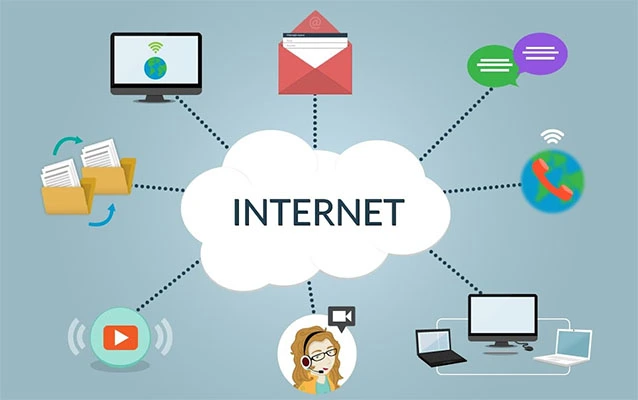
Broadband access became one of the clearest examples of how rural vulnerabilities were worsened by the pandemic. When schools, workplaces, medical appointments, and government services moved online, households without dependable internet service were placed at an immediate disadvantage.
Before the pandemic, limited broadband was often treated as an inconvenience. During the pandemic, it became a barrier to school attendance, medical care, job applications, unemployment benefits, and contact with family members. A weak signal is annoying when someone is streaming a cooking show. It is far more serious when a student cannot attend class or a patient cannot speak with a clinician.
Remote Learning Was Not Equally Remote for Everyone
Many rural students had to complete schoolwork through printed packets, mobile hotspots, library parking lots, or borrowed devices. Some families parked outside schools, fast-food restaurants, or community centers to access Wi-Fi. Parents did their best to help, but many were working essential jobs, caring for younger children, or managing their own financial stress.
Schools became more than schools. They became meal distribution hubs, technology support centers, social-service connectors, and sometimes the most reliable source of daily contact for vulnerable children. In small communities, school staff often knew exactly which families needed help, but knowing is not the same as having enough resources to solve every problem.
The lesson is clear: broadband is no longer a luxury infrastructure project. It is essential infrastructure, alongside roads, water systems, and electricity. A rural community cannot fully participate in modern health care, education, business, or emergency response without reliable and affordable internet access.
Economic Disruptions Hit Rural Workers and Small Businesses Hard
Rural economies are often built around a narrower mix of industries than large metropolitan areas. Agriculture, food processing, manufacturing, tourism, mining, retail, health care, and small local businesses may carry a large share of jobs in a county. When one major employer reduces hours or closes temporarily, the impact can spread quickly through the local economy.
Many rural workers could not work remotely. Farmworkers, nursing home staff, grocery employees, truck drivers, meatpacking workers, teachers, factory employees, and first responders still had to report in person. These workers were essential, but “essential” did not always mean adequately protected, adequately paid, or adequately supported.
Small businesses faced another problem: fewer customers and limited cash reserves. A family-owned diner, hardware store, barbershop, or seasonal tourism business may not have had months of revenue stored away like a squirrel preparing for a very organized winter. When traffic disappeared, the business owner often had to choose between reducing hours, laying off staff, taking on debt, or closing entirely.
Recovery Was Uneven
Some rural areas benefited from population shifts, remote work, or rising demand for outdoor recreation. Others continued to struggle with labor shortages, health care costs, lost businesses, and declining local services. A community may look “recovered” in a national report while still having a closed clinic, a reduced school budget, and a main street with more empty storefronts than open doors.
Economic recovery should not be measured only by employment numbers. It should also include access to child care, transportation, housing, health care, stable food supplies, and reliable wages. A job does not solve every problem when the nearest affordable child care option is 40 miles away.
Rural Vulnerability Is Not the Same for Every Community
It is important to avoid treating rural America as a single, uniform population. Rural communities differ widely by race, ethnicity, income, geography, age, culture, and access to public services. Tribal communities, rural Black communities, Hispanic agricultural communities, immigrant workers, older adults, and residents of persistently poor counties often faced overlapping barriers during the pandemic.
For example, tribal areas have faced persistent broadband gaps and health care access challenges. Agricultural workers may have lived or worked in conditions where distancing was difficult. Older adults living alone may have been more isolated from family and community support. Rural residents with disabilities may have faced additional challenges accessing transportation, care, and digital services.
The pandemic reminded policymakers that rural health equity requires more than a map with “rural” shaded in one color. It requires listening to local communities and understanding who is most likely to be left behind within those communities.
Mental Health and Social Isolation Became More Visible
Rural life is often associated with close-knit relationships, which can be a tremendous source of strength. Neighbors check on neighbors. Churches, schools, volunteer fire departments, and local businesses often serve as informal support systems. But those networks were disrupted during the pandemic.
Social distancing reduced many of the ordinary points of connection that help people cope with stress. Community gatherings were canceled. Religious services moved online or paused. Seniors lost routine visits. Teenagers lost sports, clubs, and time with friends. Families dealing with grief, substance use, depression, or domestic stress had fewer places to turn.
Mental health services were already limited in many rural areas before COVID-19. The pandemic increased demand while also making in-person appointments harder to access. Tele-mental health helped some people, but it depended on privacy, technology, internet service, and provider availability. It is difficult to have a confidential therapy session from a crowded home, a parked car, or a kitchen where three children are simultaneously asking for snacks.
What Rural Communities Need Before the Next Crisis
The strongest lesson from the pandemic is that rural resilience must be built before an emergency begins. Communities cannot wait for a surge in infections, a wildfire, or a flood to discover that they need better transportation, stronger clinics, reliable broadband, and trained public-health workers.
Invest in Rural Health Care Capacity
Rural hospitals, clinics, emergency medical services, pharmacies, and behavioral health providers need stable, long-term support. This includes workforce recruitment, training pipelines for rural residents, loan repayment programs, regional referral networks, and financial models that recognize the real cost of serving low-density populations.
Make Broadband Affordable and Reliable
Broadband expansion must include affordability, digital literacy, and access to devices. A fiber line passing near a community does little good if families cannot afford service or do not have equipment to use it. Libraries, schools, clinics, and community centers can serve as digital access hubs, but households also need dependable connections at home.
Strengthen Local Public Health and Emergency Planning
Local public-health departments need modern data systems, trained staff, transportation partnerships, multilingual communication tools, and trusted messengers. In rural communities, trust often travels faster through local relationships than through a national press conference. A respected nurse, pastor, school superintendent, tribal leader, or volunteer firefighter may be more effective than a polished advertisement.
Support the Institutions That Hold Communities Together
Schools, libraries, food banks, cooperatives, local newspapers, community colleges, and volunteer organizations all play a role in rural resilience. They may not look like emergency infrastructure on a spreadsheet, but during the pandemic they became lifelines. The institutions that connect people are often the same institutions that help communities recover.
Conclusion: Rural Resilience Needs More Than Good Intentions
Rural communities have always adapted to difficult conditions. They understand distance, weather, limited resources, and the importance of neighbors helping neighbors. But resilience should not be confused with endless capacity to absorb neglect. Asking rural communities to “be resilient” without providing reliable health care, broadband, transportation, and economic opportunity is like handing someone a bucket during a flood and calling it infrastructure.
The pandemic worsened existing rural vulnerabilities because it exposed how closely health, technology, education, jobs, transportation, and social connection depend on one another. The path forward is not to treat rural areas as an afterthought once a crisis reaches the city limits. It is to build durable systems that respect the realities of rural life and give communities the tools to protect their health, livelihoods, and future.
Experiences From Rural Communities: What the Pandemic Felt Like on the Ground
The following section reflects common experiences documented across rural America and is presented as a composite picture rather than the story of any one individual.
In many rural communities, the pandemic did not arrive with dramatic sirens or a neatly labeled emergency button. It arrived through a phone call from a clinic, a school closure notice, a cousin who tested positive, or a local Facebook post that spread faster than reliable information. At first, some residents assumed the distance between homes would keep the virus away. Then cases appeared at a nursing home, a factory, a church gathering, a food-processing plant, or a family event. Suddenly, the wide-open landscape did not feel quite as protective.
For rural health workers, the experience was often deeply personal. A nurse might care for patients she had known for years, then drive home wondering whether she had brought the virus back to her own family. A volunteer ambulance crew might cover a large territory with limited personnel, knowing that one serious call could require a long transfer to a hospital in another county. Everyone became more aware of how far “the nearest available bed” could actually be.
Parents experienced a different kind of pressure. When schools shifted online, families had to turn kitchens, bedrooms, and living rooms into classrooms. Some children shared one device with siblings. Others relied on mobile data or did homework in parked cars near Wi-Fi hotspots. Parents who worked in agriculture, health care, retail, or manufacturing could not always stay home to supervise schoolwork. The phrase “remote learning” sounded tidy on paper, but in practice it sometimes meant balancing a laptop on a laundry basket while hoping the signal did not disappear halfway through a lesson.
Older adults often felt the isolation most sharply. In small towns, familiar routines matter: coffee at a diner, a weekly church service, a visit to the library, a grandchild’s school concert, or a neighbor dropping by with tomatoes from the garden. When those routines vanished, loneliness became more than a quiet feeling. It became a health concern. Phone calls, porch visits, meal deliveries, and handwritten notes took on new importance.
Small business owners faced their own long nights. A restaurant owner might have tried curbside pickup even though most customers were used to walking in, sitting down, and catching up on local news. A tourism business might have watched reservations disappear. A hardware store might have stayed open because people still needed supplies, while worrying every day about employee safety and unpredictable demand.
Yet the pandemic also revealed the strength of rural social networks. Teachers delivered assignments and meals. Libraries extended Wi-Fi access into parking lots. Churches organized grocery deliveries. Volunteers checked on seniors. Farmers donated food. Local radio stations shared updates. Community members raised money for families facing medical bills or job losses.
These experiences show why rural communities need more than praise for their toughness. They need investment that matches their responsibility. They need clinics that can stay open, internet that works on a rainy Tuesday, schools with the tools to teach through disruption, and emergency systems that do not depend entirely on heroic improvisation. Rural residents proved they could adapt. The next step is making sure they do not have to carry the whole burden alone.
SEO Tags
Note: This body-only HTML article is based on real U.S. public-health, rural-development, education, broadband, and economic research.