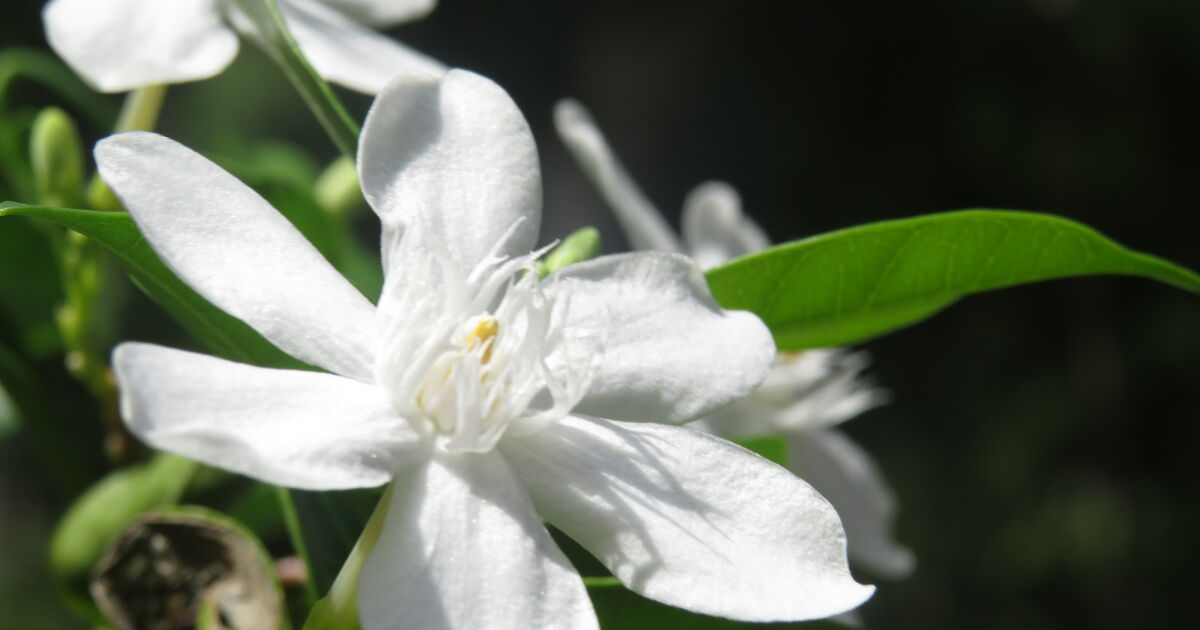
There is something wonderfully democratic about a great nature picture. It does not require a private helicopter, a camera lens the size of a soup can, or a heroic pose on a cliff edge while pretending your knees are not shaking. Sometimes the best nature picture is a sunrise over a national park. Sometimes it is a squirrel judging you from a fence. Sometimes it is one perfect leaf on the sidewalk, glowing like it just signed a modeling contract.
The phrase “Hey Pandas, Post Your Best Nature Picture” feels like an invitation to pause the doom-scroll and remember that the planet has been quietly producing masterpieces without asking for likes. From backyard birds to misty forests, desert sunsets, tide pools, mushrooms, wildflowers, snow-covered trails, and clouds that look suspiciously like mashed potatoes, nature photography gives ordinary people a way to share awe.
But a memorable nature photo is not just about pointing a camera at something pretty. The best images usually combine timing, patience, composition, respect for wildlife, and a tiny bit of luck. In other words, nature is the artist, the photographer is the witness, and the mosquito is apparently the unpaid assistant.
Why Nature Pictures Connect So Deeply
Nature photos work because they give viewers a small window into a bigger world. A good landscape photo can make a person feel still. A sharp bird portrait can make someone notice the intelligence in an animal’s eye. A macro shot of frost or moss can turn a forgotten corner of the ground into an entire universe.
That emotional pull is one reason nature pictures perform so well online. They are easy to understand, quick to enjoy, and almost universally relatable. A mountain does not require translation. A fox kit peeking from grass does not need a five-paragraph explanation. A golden sunset over water simply arrives, looks gorgeous, and politely destroys everyone’s productivity for three seconds.
Nature photography also reminds people to look closer. The more you notice, the more you find: reflections in puddles, patterns in bark, the geometry of spiderwebs, storm clouds stacking like theater curtains, or the way late-afternoon light can make a regular field look like it has been personally blessed by a cinematographer.
What Makes a Nature Picture “The Best”?
The best nature picture is not always the most technically perfect one. Yes, sharp focus helps. Good light helps. A clean composition definitely helps. But the strongest nature images usually have one of three qualities: mood, story, or surprise.
1. Mood: The Feeling Comes First
A foggy forest trail can feel mysterious. A quiet lake at sunrise can feel peaceful. A desert under a huge sky can feel lonely in the most beautiful way. Mood is what makes a viewer linger. It is the difference between “nice tree” and “I suddenly want to move to a cabin and become emotionally attached to a kettle.”
2. Story: Something Is Happening
A deer turning its head, a bee landing on a flower, waves hitting rocks, or clouds breaking after rain can create a sense of movement. Story does not need drama. It only needs a moment. Even a fallen leaf can tell a story if the light, setting, and framing make it feel intentional.
3. Surprise: Show People What They Usually Miss
Close-ups are excellent for this. A mushroom colony under a log, raindrops on a blade of grass, a lizard blending into stone, or a bird feather caught on a branch can feel magical because most people walk past these details. Nature rewards the person who slows down.
How to Take Better Nature Pictures
You do not need professional gear to take a strong nature photo. A smartphone can produce beautiful results when the photographer understands light, angle, and timing. Fancy equipment can help, especially for wildlife or low-light scenes, but it cannot rescue a boring composition from a lazy eyeball. The good news: eyeballs are rechargeable.
Use Golden Hour Light
Golden hourthe time shortly after sunrise or before sunsetis a nature photographer’s favorite cheat code. The light is softer, warmer, and more flattering than harsh midday sun. It adds depth to landscapes, glow to plants, and texture to clouds. Even a humble patch of weeds can look poetic in golden-hour light, which is frankly excellent branding for weeds.
Midday light can still work, especially for forests, waterfalls, snow scenes, or bold shadows, but it is less forgiving. If your photo looks flat or washed out, the problem may not be your camera. It may be that the sun is overhead yelling at everything.
Find a Clear Subject
Before taking the shot, ask: “What is this photo about?” Is it the mountain? The flower? The bird? The trail curving into the trees? The dramatic cloud? The tiny frog sitting like a retired accountant on a wet rock?
A clear subject gives the viewer somewhere to land. Without it, even a beautiful scene can feel cluttered. Move your feet, crouch lower, step sideways, zoom in, or wait for the subject to separate from the background.
Use Foreground, Middle Ground, and Background
Great landscape photography often feels three-dimensional. One simple way to create depth is to include something close to the camera in the foreground, something interesting in the middle, and something dramatic in the distance. For example, wildflowers in the foreground, a river in the middle, and mountains behind them can guide the viewer through the image.
This is why trail photos often work so well. A path naturally pulls the eye forward. Rivers, fences, shorelines, shadows, and rows of trees can do the same thing.
Try Both Wide and Tight Shots
Many beginners assume landscapes must be wide. Wide shots are wonderful, especially for big skies, sweeping valleys, and dramatic coastlines. But tighter images can be just as powerful. A telephoto view of layered hills, a close crop of tree bark, or a single sunlit wave can feel more original than the obvious postcard frame.
When you arrive at a scene, take the “classic” shot first. Then look for the smaller picture inside the bigger picture. The best photo of a waterfall might not be the whole waterfall. It might be mist glowing in one corner, a fern beside the rocks, or a single ribbon of water catching the light.
Wildlife Photography: Cute, But Not Worth a Hospital Visit
Wildlife photos are some of the most exciting nature images to share, but they come with responsibility. Animals are not props, unpaid actors, or fuzzy accessories for your personal brand. They are living creatures trying to eat, rest, raise young, avoid predators, and generally not be chased by someone named Brad with a zoom lens.
The golden rule is simple: photograph wildlife from a safe distance. Use a telephoto lens, binoculars, or a spotting scope instead of moving closer. If an animal changes its behavior because of you, you are too close. If you are close enough for a wildlife selfie, congratulations, you have entered the “bad idea” zone.
Never Feed Wildlife
Feeding animals may feel harmless, but it can damage their health, change natural behavior, and make them more likely to approach humans. That can become dangerous for both the animal and people. A photo of a raccoon eating chips is not charming; it is a tiny masked warning sign.
Avoid Nesting and Mating Disturbance
Birds and other animals can be especially vulnerable during nesting, mating, winter survival, and when raising young. A photographer’s presence can cause stress or even make animals abandon important behavior. The better image is the one made without pressure, baiting, pursuit, or interference.
Stay on Trails and Respect Closures
Public lands, parks, wildlife refuges, forests, beaches, and preserves often have rules for a reason. Trails protect fragile plants, soil crusts, nesting zones, wetlands, and visitor safety. A photo is not worth trampling a sensitive area. No picture deserves the caption, “Behold, my majestic footprint damage.”
How to Share Nature Photos Responsibly Online
Posting your best nature picture can inspire people to care about the outdoors. A beautiful image can make someone want to visit a park, plant native flowers, watch birds, volunteer, hike, or simply step outside after dinner. But online sharing also has risks, especially when fragile or overcrowded places become viral destinations.
Think Before You Geotag
For popular parks, geotagging a general location is usually fine. For sensitive habitats, rare plants, nesting birds, hidden waterfalls, desert formations, or fragile wildflower fields, it may be better to keep the location vague. Try “Southwest desert,” “local wetland,” or “a trail near home” instead of dropping exact coordinates like a treasure map for chaos goblins.
Caption the Story, Not Just the Species
A strong caption helps people connect. Instead of writing only “tree,” tell readers what caught your attention: “This cottonwood lit up after the storm passed,” or “I waited ten minutes for the wind to stop moving this flower.” The story turns a pretty image into a shared moment.
Be Honest About Editing
Editing is part of photography. Adjusting brightness, contrast, crop, or color balance is normal. But if you heavily alter a scene, combine elements, remove major objects, or use AI enhancement, be transparent. Nature is already impressive. It does not need fake extra moons, neon elk, or suspiciously glamorous clouds.
Best Nature Picture Ideas for Every Photographer
If you want to join the “Hey Pandas, Post Your Best Nature Picture” spirit, start with what is nearby. Travel can be amazing, but your best image might be waiting five minutes from your door.
Backyard Nature
Look for birds, squirrels, butterflies, bees, leaves, shadows, garden flowers, rain on windows, frost, or interesting weeds. Backyard photography teaches patience because you return to the same subjects in different light and weather. It also teaches humility, especially when a bird leaves exactly one second before you press the shutter.
Weather Moments
Storm clouds, fog, snow, rainbows, mist, and dramatic light after rain can transform ordinary places. Weather adds atmosphere. Just be safe. Lightning photography is not worth becoming a cautionary tale with a camera strap.
Water and Reflections
Lakes, rivers, puddles, wetlands, tide pools, and even a birdbath can create beautiful reflections. Calm water can double a scene. Moving water can add energy. Try shooting low to the surface for a more immersive view.
Textures and Patterns
Nature is full of repeating lines: fern fronds, sand ripples, cracked mud, bark, feathers, shells, pinecones, leaf veins, and ice crystals. These details work well because they turn nature into abstract art.
Animals in Their Environment
Close-up wildlife portraits are exciting, but animals shown within their habitat can be even more meaningful. A small bird in a wide marsh, a deer at the forest edge, or a turtle on a sunlit log tells viewers where the animal lives and why that place matters.
Common Nature Photography Mistakes
Taking Only One Shot
Nature changes quickly. Take several frames from different angles. Adjust exposure. Move closer if the subject is not wildlife or fragile habitat. Step back. Shoot vertical and horizontal. The first shot is often the warm-up pancake: edible, but not the best one.
Ignoring the Background
A distracting background can ruin a strong subject. Watch for bright spots, branches crossing behind animals, trash cans, parked cars, or random human objects sneaking into the frame. Nature is beautiful, but picnic-table legs are persistent little photo-bombers.
Overediting the Image
Too much saturation can make a peaceful sunset look like a melted candy factory. Too much sharpening can make feathers or leaves look crunchy. Edit to bring out what you saw, not to make the sky look like it is auditioning for a superhero movie.
Putting the Shot Above the Experience
Sometimes the best thing you can do is lower the camera. Watch the elk graze. Listen to the waves. Notice the wind. Enjoy the trail. A missed photo is not always a failure. Sometimes it is just a memory that did not want to become a file.
Why Community Nature Posts Matter
Online community prompts like “post your best nature picture” are more than casual entertainment. They create a shared gallery of wonder. One person shares a canyon. Another shares a backyard robin. Someone else posts a foggy road, a mushroom, a beach sunrise, or a very serious-looking chipmunk. Together, the images become a reminder that nature is not one place. It is everywhere.
This matters because people protect what they notice. A photo can make a local park feel valuable. A bird picture can spark curiosity about migration. A wildflower close-up can lead someone to learn about pollinators. A forest scene can remind a stressed reader to go outside and breathe like a human instead of a browser with 47 tabs open.
Nature photography also lowers the barrier to participation. You do not need to be a scientist, professional photographer, or hardcore hiker. You just need attention. The act of looking closely is already a form of respect.
Field Experiences: What Happens When You Start Looking for Your Best Nature Picture
The funny thing about searching for your best nature picture is that you usually begin by hunting for something spectacular and end by appreciating something small. You may leave home hoping for a cinematic sunset with clouds arranged by a committee of angels, then return with your favorite shot of a curled brown leaf on wet pavement. Nature has a way of ignoring your plan and improving it.
One common experience among nature photographers is the “almost shot.” The heron flies away just as the camera focuses. The butterfly lands beautifully, then folds its wings like it has signed an exclusive contract with disappointment. The sunlight hits the mountain perfectly while your lens cap is still on. These moments are mildly tragic, but they are also part of the charm. They teach patience, readiness, and the ancient outdoor skill of laughing at yourself quietly so nearby hikers do not worry.
Another experience is learning that familiar places are never truly the same. A neighborhood trail can look ordinary at noon, magical after rain, mysterious in fog, and dramatic during autumn. The same tree changes personality with every season. Spring gives it softness. Summer gives it shade. Fall gives it color. Winter turns it into a minimalist sculpture that looks like it listens to jazz.
Backyard photography can be surprisingly rewarding. A feeder brings birds with different colors and attitudes. A garden attracts bees, beetles, and butterflies. A patch of moss becomes a forest when photographed close. Even a puddle can become a sky mirror if you crouch low enough. The main challenge is dignity. Nature photography often requires squatting, kneeling, leaning, or standing frozen in a strange position while a neighbor silently wonders if you are okay.
The best experiences often happen when you slow down. Instead of rushing to collect images, you begin to read the scene. Where is the light coming from? What is moving? What is still? What sound repeats? Is there a pattern? Is there a subject hiding in plain sight? This slower attention changes the walk itself. You are no longer just passing through nature. You are participating with your senses switched on.
There is also a quiet satisfaction in sharing a nature photo with others. Someone who has never visited your local creek can see the kingfisher you saw. Someone stuck indoors can enjoy the snow on your pine trees. Someone having a rough day can pause over your picture of wildflowers and feel, for a moment, that the world is still capable of being gentle. That is the real power of posting your best nature picture. It is not only about showing what you saw. It is about lending someone else your attention.
And sometimes, yes, the best photo is technically imperfect. A blurry fox tail. A crooked rainbow. A bird with one foot in the air and zero concern for composition. These pictures still matter because they carry delight. They say, “I was there. I noticed this. It made me happy.” In a noisy online world, that is a pretty wonderful thing to post.
Conclusion: Post the Picture, Protect the Place
“Hey Pandas, Post Your Best Nature Picture” is more than a fun community prompt. It is an invitation to notice the living world with curiosity, creativity, and care. The best nature photos do not always come from famous destinations or expensive cameras. They come from patience, good light, thoughtful composition, and respect for the places and creatures being photographed.
So post the mountain, the mushroom, the fox, the fern, the tide pool, the backyard cardinal, or the cloud that looks like a loaf of bread with ambition. Share the beauty, tell the story, and help others see what made you stop. Just remember: the best nature picture is not the one that costs nature something. It is the one that leaves the wild exactly as you found it, except perhaps a little more loved.