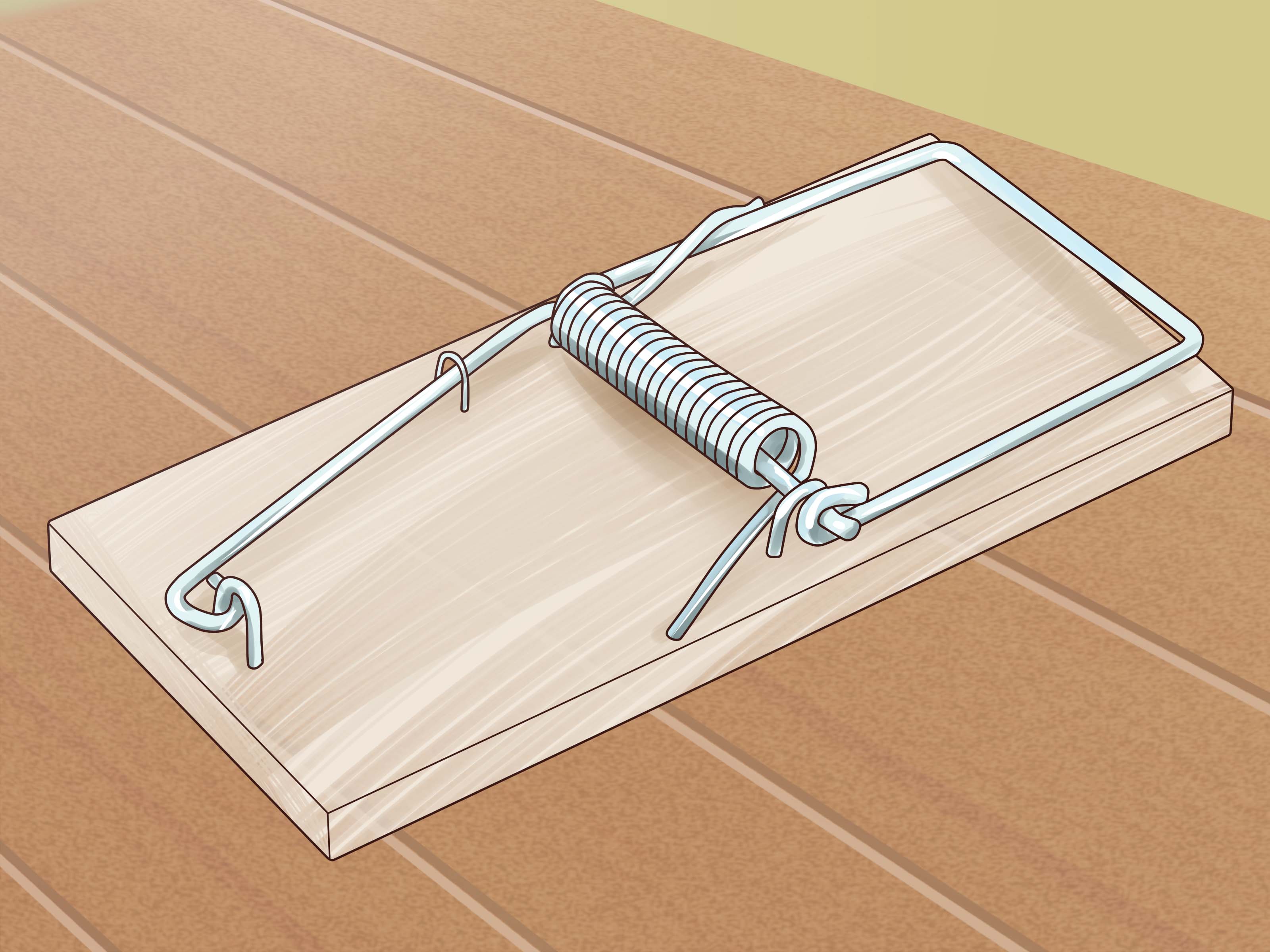
If you have ever watched a mousetrap car launch like a caffeinated squirrel and then sputter out after a few feet, you already know the big secret of this project: distance is not about a dramatic start. It is about patience, efficiency, and making every tiny bit of spring energy do useful work. A distance mousetrap car should not behave like a drag racer. It should behave like a marathoner in tiny wheels.
That means your design choices matter more than your glue gun confidence. The best distance cars usually stretch the trap’s energy over a longer time, reduce wasted motion, and roll with as little resistance as possible. In plain English, the goal is simple: make the car pull longer, roll straighter, and waste less energy arguing with friction.
Below are three smart ways to adapt a mousetrap car for distance, along with practical examples, tuning ideas, and real-world lessons that can help turn a decent project into a surprisingly impressive one.
Why Distance Cars Need a Different Strategy
A mousetrap car works by converting stored spring energy into motion. When the trap arm snaps forward, it pulls a string wrapped around the drive axle. That turns the axle, the wheels rotate, and the car moves. Sounds simple enough. But the tricky part is deciding how that energy gets delivered.
If the car gets a huge burst of force right away, it may accelerate quickly but run out of useful energy too soon. That is great for a short race, but not so great if your goal is to travel as far as possible. A distance setup needs a slower, smoother release. You want the car to keep pulling forward instead of blowing its whole energy budget in the first second like it just discovered online shopping.
That is why the best distance adaptations usually focus on three things: extending the pull, reducing friction, and optimizing the wheel-and-axle system so every rotation covers more ground.
1. Extend the Lever Arm to Lengthen the Pull
Why this works
The first and most important distance adaptation is extending the mousetrap’s lever arm. A longer lever arm allows the trap to pull more string over a longer period of time. Instead of releasing its energy in one quick yank, the car delivers torque more gradually. That slower release often leads to a longer run.
Think of it like this: if your car gets one giant shove, it might jump forward and then coast to a stop. If it gets a smaller push for a longer time, it can keep moving under power for a greater distance. For distance competitions, that second option usually wins.
How to adapt it
Attach a lightweight extension to the trap arm using a dowel, thin ruler, bamboo skewer bundle, or another stiff material. The extension should be long enough to increase the pull distance without becoming so heavy or flexible that it steals energy. A lever that bends too much is basically turning your engineering project into interpretive dance.
A good distance lever is often much longer than the stock trap arm, but it still needs to stay straight and light. The string should unwind smoothly from the drive axle, and the lever should move without catching on the frame or the floor. Many builders also find that the lever works best when its geometry is tuned carefully so the trap can keep applying force through most of the motion.
What to watch out for
Longer is not always better. If the lever becomes too long, the available torque may drop too much and the car may struggle to start moving. You can end up with a car that is theoretically elegant and practically stationary. The best approach is to test several lengths and find the sweet spot where the car still launches reliably but continues pulling for as long as possible.
Example
Suppose a car with a short lever travels 10 feet but jumps forward too aggressively. Replacing that short arm with a longer, lighter dowel may reduce the initial burst of speed, yet increase the total pull time enough for the car to travel 18 or 20 feet. The car looks slower, but the tape measure tells the truth.
2. Reduce Friction and Trim Unnecessary Weight
Why this works
Friction is the silent villain of the mousetrap-car world. It does not look dramatic. It does not make a loud speech. It just quietly steals performance from your design. Axles rubbing inside rough bearings, wheels scraping the frame, wobbly parts, bent alignment, and extra mass all drain precious energy that should be used for forward motion.
A distance car needs to be light enough to move efficiently, but still stiff enough to stay aligned. If the body flexes, the wheels wobble, or the axles bind, distance disappears fast. The goal is not to build the lightest object in the room. The goal is to build the lightest object that still behaves like a car instead of a confused craft project.
How to adapt it
Start with a lightweight but rigid chassis. Balsa wood, foam board, or other low-mass materials can work well if they are reinforced properly. Then inspect your axle system closely. The axles should spin freely, stay straight, and avoid rubbing the body. Bushings or smooth guide tubes can help reduce resistance. Keep glue away from moving parts, because hot glue near an axle has a special talent for ruining a good afternoon.
Also check the wheel mounting. Wheels should be centered, round, and stable. A wobbling wheel does not just look awkward; it creates extra drag and can steer the car off course. If a car cannot roll straight by hand on a smooth surface, it is not ready for a serious distance run.
Simple upgrades that often help
Use lighter structural pieces where possible. Remove decorative extras that add mass but no function. Make sure bearings or axle sleeves are smooth. Align the frame so both axles sit square to the body. And test the car without powering it first: give it a gentle push and see how long and how straight it coasts. A strong coast usually means your rolling resistance is under control.
Example
Imagine two identical mousetrap cars, except one has a heavier frame and slightly crooked rear axle. Even if both use the same trap and wheels, the better-aligned car will usually travel farther because it wastes less energy fighting internal drag. Distance rewards efficiency, not bulk.
3. Optimize Wheel Size, Axle Setup, and Traction
Why this works
For a distance car, the wheel-and-axle system acts like your final translator of energy. The trap may provide the power, but the wheels decide how effectively that power becomes travel. Larger drive wheels can help a distance car go farther because each full rotation covers more ground. Pair that with a relatively small drive axle, and each turn of the axle translates into more linear distance.
In short, a favorable wheel-to-axle ratio can make the car travel farther per rotation. That is great for distance. The tradeoff is reduced acceleration, which is perfectly fine if your challenge is based on how far the car goes rather than how quickly it gets there.
How to adapt it
Use larger rear drive wheels if your rules allow them. Many builders like lightweight large-diameter wheels because they increase travel per turn. Keep the axle narrow enough to allow more wraps or effective string pull without making the car impossible to start. The string should wrap neatly and release smoothly, not pile up like tangled holiday lights.
Traction matters too. The wheels need enough grip to push the car forward without slipping. A little rubber on the drive wheels can improve traction, especially on smooth floors. At the same time, avoid making the tires so sticky that rolling resistance rises too much. You want grip, not glue.
Balance matters
Big wheels alone will not save a weak design. If the car is too heavy, too crooked, or too friction-filled, large wheels may simply magnify the disappointment. The best results come from balancing wheel size, axle size, traction, and lever-arm length. Distance is almost always a tuning problem, not a one-part miracle.
Example
A student swaps small rear wheels for larger lightweight wheels and keeps the drive axle compact. The car accelerates more gently than before, but each axle turn now covers more floor. After a few trial runs and minor traction adjustments, the car gains several extra feet of travel without any change to the trap itself.
Common Mistakes That Kill Distance
One of the biggest mistakes is designing for drama instead of efficiency. A distance car does not need a violent start. Another common mistake is overbuilding the frame until it resembles a tiny armored vehicle. Strong is good; unnecessarily heavy is not.
Builders also lose distance by ignoring alignment. Even a small axle angle can make the car drift, scrub energy, and shorten the run. Poor string routing is another troublemaker. If the string slips, snags, or unwraps unevenly, the trap cannot deliver energy consistently.
And then there is the classic mistake of changing five variables at once. If you switch wheels, lever length, axle material, and tire surface in the same test, you will not know what actually helped. Change one thing, test it, write down the results, and then move on. Real engineering is not magic. It is organized curiosity.
How to Test Your Mousetrap Car Like a Smart Builder
Testing is where a decent idea becomes a strong design. Run at least three trials for each setup and average the distance. Use the same floor surface each time. Check whether the car launches straight, whether the string unwinds smoothly, and whether the wheels slip or wobble.
Keep a simple log. Record lever length, wheel size, axle size, chassis weight, surface type, and distance traveled. You do not need a giant lab report worthy of a spy agency. A neat table with honest observations is enough to reveal patterns.
For example, you might discover that a very long lever improves distance on smooth floors but hurts performance on carpet. Or you may find that slightly more traction on the rear wheels adds distance without increasing drag much. Those are the kinds of discoveries that separate random guessing from real optimization.
Final Thoughts
If your goal is to adapt a mousetrap car for distance, start by thinking less about raw force and more about efficient energy delivery. Extend the lever arm so the trap pulls longer. Cut friction and extra weight so the car rolls freely. Then tune the wheels, axle, and traction so each rotation carries the car farther.
The beauty of a mousetrap car is that it teaches a big engineering lesson with very small parts: the best design is rarely the loudest one. It is usually the one that wastes the least. And when your car glides farther than everyone expects, you get the nicest reward in all of science class: the right to act humble while secretly feeling brilliant.
Experience and Practical Lessons from Building Distance Mousetrap Cars
One of the most useful experiences builders have with distance mousetrap cars is realizing how often the first version is completely wrong in a very educational way. The first car usually feels clever because it looks complete. It has wheels. It has a trap. It moves. Everyone celebrates for about three seconds, and then the car lurches sideways, the string jumps off the axle, and the run ends in what can only be described as a tiny engineering heartbreak. Oddly enough, that is a good sign. It means the learning has officially started.
Many students begin by assuming the strongest snap will create the longest run. In practice, that usually produces a flashy launch and a short trip. After a few trials, builders start noticing that the more successful cars do not explode off the line. They move with control. That shift in thinking is huge. It teaches that performance is not always about maximum force. Sometimes it is about controlled release, smart geometry, and reducing losses. That is a lesson that applies far beyond mousetrap cars.
Another common experience is discovering just how important alignment is. A car can look perfectly fine on a desk and still behave terribly on the floor. A slightly bent axle, an off-center wheel, or a little glue touching a moving part can wreck the run. Builders often spend hours thinking the problem is the lever arm when the real issue is that one wheel is rubbing the frame like it has a personal grudge. The moment that gets fixed, the car suddenly rolls farther, and everyone pretends they suspected that all along.
Testing also teaches patience. The best distance cars usually come from repeated small adjustments, not one heroic redesign. Builders try a longer lever, then a lighter frame, then different tires, then a smoother axle mount. Some changes help immediately. Others make things worse. That can feel frustrating, but it is actually the best part of the project. You learn how design decisions interact. Bigger wheels may help, but only if traction is good. A longer lever may help, but only if friction is low. Every part of the car joins the argument.
Perhaps the most memorable experience is the moment a tuned car finally works the way it should. The release is smooth. The wheels stay straight. The trap arm pulls steadily. The car just keeps going, longer than before, with a kind of quiet confidence. That moment feels great because it proves that careful changes matter. It is not luck. It is observation, revision, and a better understanding of how energy moves through the system. In that sense, a distance mousetrap car is more than a classroom project. It is a compact lesson in engineering thinking, problem-solving, and the surprisingly rewarding art of making small things work really well.