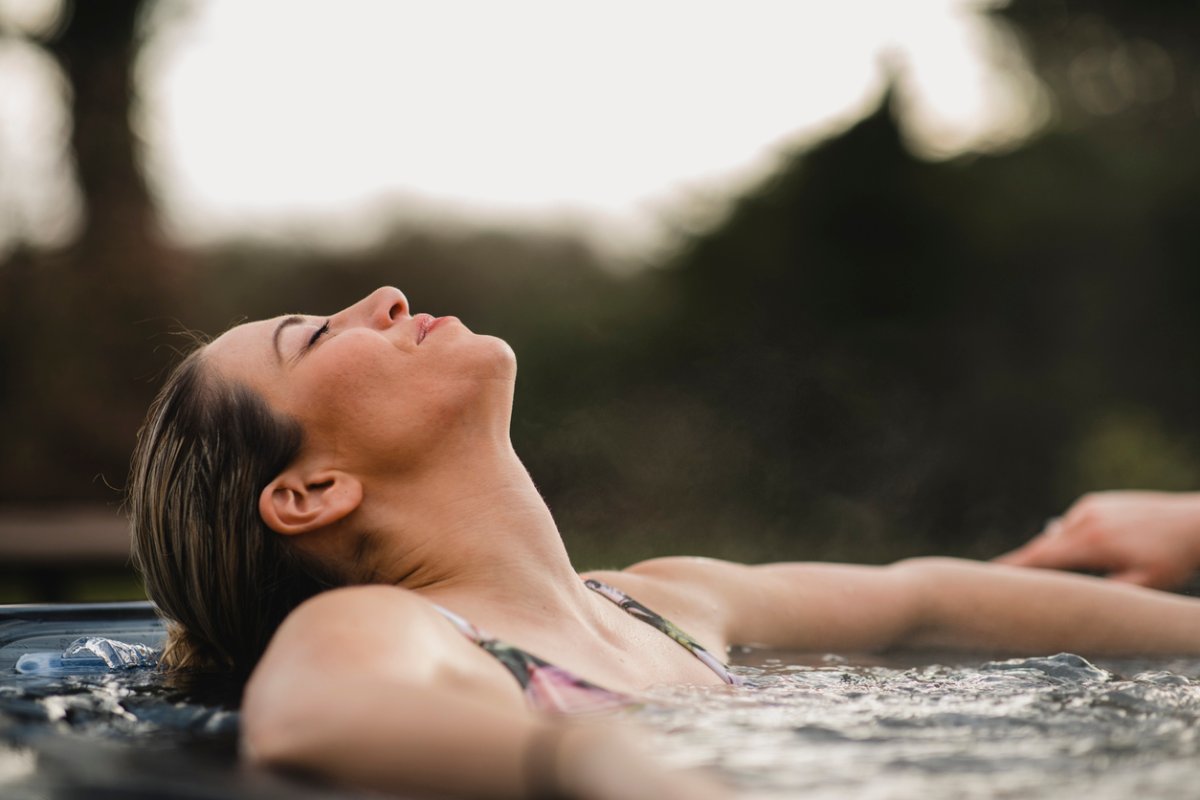
A backyard hot tub should feel like a private spa, not the center stage of a neighborhood talent show. Unfortunately, many tubs are installed first and screened later, leaving bathers exposed to second-story windows, nearby patios, passing pedestrians, and that one neighbor who always seems to be “checking the weather.”
The best backyard hot tub privacy ideas do more than block a view. They create a comfortable outdoor room, reduce wind, soften noise, add shade, and make the spa look intentional rather than dropped onto the patio by a giant delivery crane. From affordable folding screens to permanent pergolas and living walls, the following solutions can help you soak comfortably without feeling watched.
What to Consider Before Adding Hot Tub Privacy
Begin by studying the actual sightlines around the tub. Sit in the empty spa or place a chair where the seats will be, then look toward neighboring windows, streets, decks, and elevated properties. A six-foot fence may block someone standing next door but do little against a second-floor bedroom window.
Also consider wind direction, sunlight, drainage, maintenance access, and the path between the house and the spa. Privacy panels should not prevent technicians from reaching pumps, filters, control panels, or plumbing. If the hot tub sits on a deck, have the supporting structure evaluated for the tremendous weight of the filled tub, its occupants, and surrounding improvements.
Privacy features must never replace water-safety measures. Local requirements vary, but the U.S. Consumer Product Safety Commission recommends appropriate barriers, covers, alarms, and controlled access around residential spas. Hot tubs also require regular disinfectant and pH maintenance to reduce the spread of germs. Check local building codes, electrical requirements, permit rules, and homeowners association restrictions before construction.
17 Backyard Hot Tub Privacy Ideas
1. Position the Hot Tub Around Existing Sightlines
The least expensive privacy structure is often the one you do not need to build. Place the tub beside a solid exterior wall, behind a garage, near a mature hedge, or within a corner formed by two existing structures. Rotate the seating so bathers face the garden rather than the neighbor’s kitchen.
Strategic placement can reduce the number of screens required and preserve more of the view you actually want. Just maintain safe clearance around the equipment and avoid placing the tub beneath roof runoff, icicles, loose branches, or anything else that could join the soak uninvited.
2. Install a Horizontal Slat Fence
A horizontal wood fence creates a clean, contemporary backdrop around a backyard spa. Cedar, redwood, pressure-treated lumber, and exterior-rated composite boards are common choices. Narrow gaps between the boards allow a little airflow while blocking direct views.
Match the stain or paint to the deck, siding, or outdoor furniture for a unified appearance. A localized fence around two or three sides of the tub may be more affordable and less imposing than enclosing the entire yard. Check height limits and setback rules before digging postholes.
3. Use Adjustable Louvered Panels
Louvers offer privacy without making the hot tub area feel like a wooden storage crate. Fixed louvers can be angled to block neighboring windows while preserving airflow. Adjustable versions allow you to change the panel position as sunlight, wind, or activity in nearby yards changes.
Wood louvers create a warm spa-like effect, while powder-coated metal or composite products provide a sharper modern look with less maintenance. Use corrosion-resistant hardware because warm moisture and inexpensive fasteners are not known for a lasting friendship.
4. Add Freestanding Privacy Screens
Freestanding outdoor screens are ideal for renters, small patios, and homeowners who want privacy without permanent construction. Options include wood panels, decorative metal screens, resin dividers, woven panels, and planter-screen combinations.
Position a screen only where the exposed sightline occurs instead of surrounding the entire tub. Select a model with a stable base, and anchor it properly in windy areas. Openwork patterns can provide partial concealment while allowing light and air to pass through. Retailers now offer outdoor screens in wood, galvanized steel, plastic, and other weather-resistant materials.
5. Build a Pergola With Outdoor Curtains
A pergola helps define the hot tub as a separate outdoor room. Add weather-resistant curtains along the exposed sides and close them only when privacy is needed. During the day, the fabric can also reduce glare and offer relief from harsh sun.
Choose outdoor fabric designed to resist fading, moisture, and mildew. Use weighted hems, tiebacks, or discreet anchors so the curtains do not flap into the tub during a breeze. For a polished look, coordinate the curtain color with the home’s exterior or nearby patio cushions.
6. Create an Enclosed Gazebo or Pavilion
A gazebo provides privacy, overhead protection, and a dramatic focal point. Solid lower walls, lattice upper panels, curtains, shutters, or screens can be combined according to the amount of enclosure required. A roof also makes the tub more enjoyable during light rain or snow.
Do not completely seal a steaming spa inside a structure that was not designed for it. Moisture needs a way to escape, and electrical fixtures must be suitable for the location. A properly planned hot tub gazebo can feel like a boutique resortminus the minibar bill and mysterious resort fee.
7. Train Vines Over a Trellis
A trellis planted with vines can turn a plain privacy barrier into a lush garden feature. Clematis, climbing roses, honeysuckle, jasmine, and other vines may work depending on the local climate, available sunlight, and maintenance preferences.
Choose plants suitable for your USDA hardiness zone and confirm whether they are invasive locally. Keep leaves, flowers, and dropped fruit far enough from the water to reduce cleanup. Because vines need time to fill in, install a semi-private backing panel if immediate coverage is important. Trellises can be freestanding or attached near a fence or wall to make better use of vertical space.
8. Plant an Evergreen Hedge
Dense evergreen shrubs provide natural privacy throughout the year. Arborvitae, yew, holly, juniper, wax myrtle, and other regionally suitable plants can form a living screen that looks softer than a solid fence.
Research each plant’s mature width rather than spacing tiny nursery specimens shoulder to shoulder. Crowded shrubs compete for water, suffer from poor airflow, and eventually require aggressive pruning. Plant the hedge far enough from the tub to permit maintenance and keep roots away from foundations, pipes, and paving.
9. Layer Trees, Shrubs, and Perennials
A single row of identical shrubs can look stiff and may leave gaps at the top or bottom. Layered landscaping combines small trees, medium shrubs, ornamental grasses, and flowering perennials to block views at several heights.
This approach is particularly useful when neighboring windows overlook the yard from above. A small tree canopy can interrupt elevated views, while shrubs screen the middle level and perennials soften the base. Mixed planting also creates seasonal interest and is less vulnerable than a screen dependent on one plant species.
10. Surround the Tub With Oversized Planters
Large containers provide flexible privacy for patios where in-ground planting is impossible. Place tall planters along exposed sides and fill them with compact evergreens, clumping bamboo, tropical foliage, or ornamental grasses suitable for container growing.
Use frost-resistant pots with drainage holes and select containers large enough for mature roots. Rolling plant caddies can make seasonal rearrangement easier, although a mature planted container may weigh more than your most enthusiastic gym friend expects.
11. Use Tall Ornamental Grasses
Ornamental grasses add movement, texture, and partial screening without creating a heavy wall. Their narrow footprint makes them especially useful around compact decks and patios. Depending on the variety, grasses can form soft screens from roughly waist height to well above eye level.
Select noninvasive clumping varieties appropriate for your climate. Remember that many grasses are cut back in late winter or early spring, temporarily eliminating privacy. Combine them with fencing or evergreen shrubs when year-round coverage is essential.
12. Construct a Stone, Brick, or Concrete Wall
A masonry wall offers substantial privacy, durability, and wind protection. Natural stone complements rustic landscapes, brick can connect visually with a traditional home, and smooth concrete or stucco suits modern architecture.
Because a solid wall can feel imposing, consider limiting it to the most exposed side. Add niches, low-voltage lighting, planters, or a contrasting cap to make it feel designed rather than defensive. Masonry walls usually require proper footings and may require permits, so this is typically a professional project.
13. Combine a Privacy Wall With a Water Feature
Visual privacy does not always solve the feeling that every conversation is traveling across the fence. A wall fountain or narrow waterfall can add steady background sound that makes the spa area feel more secluded.
Keep water features separate from the hot tub’s circulation system unless both were professionally designed to operate together. Choose a modest flow rate; the goal is gentle sound masking, not recreating a theme-park log flume beside your towel rack. Water-feature walls can block unsightly views while adding soothing sound.
14. Recess the Tub Into a Deck
A partially recessed hot tub lowers the occupants’ eye level, allowing an existing railing or modest privacy screen to block more of the surrounding view. It can also make the spa appear integrated into the outdoor design.
Recessing a tub requires careful structural and service planning. Technicians must still be able to remove equipment panels, and water should drain away from the cabinet. Include safe, slip-resistant steps and visible changes in floor level so the elegant spa does not become an elegant ankle trap.
15. Mount Roll-Down Outdoor Shades
Exterior roller shades are useful beneath pergolas, covered patios, and pavilions. They can be lowered when the tub is occupied and raised afterward to restore views and airflow. Mesh shades offer partial visibility and wind reduction, while opaque shades provide greater concealment.
Choose exterior-rated hardware and fabric. Secure the lower edge so the shade remains stable during moderate wind, and retract it during severe weather. This option works particularly well when privacy is needed only at certain times of day.
16. Angle a Cantilever Umbrella or Shade Sail
Privacy problems sometimes come from above rather than across the fence. A large cantilever umbrella can interrupt views from upper-story windows while providing daytime shade. A strategically angled shade sail can perform a similar job over a larger area.
Neither option creates complete side privacy, but both can be part of a layered plan. Use a heavy, manufacturer-approved umbrella base, and install shade-sail anchors into structures capable of handling tension and wind loads. Do not attach a sail to a random fence post and hope optimism counts as engineering.
17. Combine Hardscape and Greenery
The most convincing outdoor spa enclosures rarely rely on one enormous barrier. Instead, they layer a modest fence, a vine-covered trellis, several shrubs, and perhaps a curtain or shade. The fence supplies immediate coverage, plants soften the structure, and movable elements handle occasional gaps.
This combination can block targeted views without making the yard feel smaller. Repeat materials and colors already used around the home, then leave one side relatively open toward the best garden, sunset, or wooded view. Privacy should remove distractions, not eliminate every reason you placed the hot tub outdoors.
How to Make a Hot Tub Privacy Area Feel Larger
Enclosing a small patio on four sides can create the emotional atmosphere of soaking inside a shipping crate. To preserve a sense of space, screen only the problem areas and use partial openings elsewhere. Horizontal lines visually widen a narrow yard, while vertical slats can make a low structure feel taller.
Limit the material palette to two or three finishes, such as cedar, black metal, and green foliage. Add warm, shielded lighting at low levels rather than a bright overhead fixture. Reflected light from a wall or nearby planting is usually more relaxing and less likely to disturb neighbors.
Include practical comforts such as hooks for robes, a dry towel cabinet, slip-resistant flooring, and a clear path to the house. A privacy design succeeds when it makes the hot tub easier to use, not merely harder to see.
Experience-Based Lessons From Realistic Backyard Setups
Block the View From the Seat, Not the Property Line
One of the most common planning mistakes is assuming a standard perimeter fence automatically creates hot tub privacy. Imagine a suburban yard with a six-foot fence and a neighboring two-story home. From ground level, the enclosure looks perfectly private. Once someone sits in the tub, however, the upstairs windows remain plainly visible.
A better solution is often a localized pergola, angled overhead panel, small tree, or offset screen close to the spa. A barrier near the tub occupies more of the viewer’s sightline and can be much smaller than a structure built at the edge of the property. Before purchasing materials, have one person sit where bathers will sit while another checks the view from neighboring elevations that can legally and safely be observed.
Immediate Privacy and Future Privacy Are Different
Freshly planted hedges look wonderfully promising on landscape plans. In the backyard, they may be three feet tall, eighteen inches wide, and about as secretive as a houseplant. Depending on the species and growing conditions, dense coverage can take years.
Homeowners often get better results by pairing young plants with a simple fence, trellis backing, or outdoor screen. The structure provides immediate concealment, while the greenery gradually softens it. As the plants mature, sections of temporary screening can sometimes be removed. This phased method also prevents the costly mistake of packing shrubs too tightly in an attempt to create instant coverage.
Wind Changes Which Materials Work
A curtain-lined pergola may look elegant in a sheltered courtyard but become a billowing parade float on an exposed lot. Lightweight folding screens can tip, bamboo rolls can rattle, and unsecured shades can flap loudly enough to defeat the purpose of a peaceful soak.
On windy properties, fixed louvers, slatted fencing, masonry, or firmly anchored metal panels generally provide more predictable performance. Openings between slats allow some pressure to pass through rather than forcing the structure to absorb the full wind load. Curtains can still work when they have weighted hems, secure side fasteners, and a protected place to be tied back.
Maintenance Access Is Easy to Forget
A beautifully wrapped deck can conceal the plastic exterior of a portable spa, but it can also conceal pumps, heaters, drain fittings, and control equipment from the person who eventually needs to repair them. The same problem occurs when planters or screens are placed directly against access panels.
A practical layout includes removable panels, gates, or enough clearance for servicing. The hot tub cover also needs room to open, especially when a cover lifter stores it vertically behind the tub. In some installations, the raised cover itself can provide a useful temporary privacy screen, but only when sufficient clearance was planned from the beginning.
Partial Privacy Often Feels Better Than Total Enclosure
Many homeowners begin with the goal of blocking every possible angle. After building four solid walls, they discover that the spa feels dark, cramped, and disconnected from the garden. The more comfortable approach is usually to identify the two or three intrusive views and screen those precisely.
For example, a solid panel might block the neighbor’s deck, a tall planter might interrupt a side-window view, and an umbrella might shield an upstairs window. The remaining side can stay open toward the yard. This preserves airflow and scenery while still creating a convincing sense of seclusion.
The strongest lesson is that privacy is experienced from inside the hot tub. Plans, product photos, and measurements matter, but the final design should be tested from the seated position during both daylight and evening hours. At night, interior household lights, reflective glass, and landscape lighting can reveal sightlines that were invisible during the day.
Final Thoughts
Effective hot tub privacy is less about building the tallest possible wall and more about controlling specific views. A carefully placed screen, hedge, pergola, trellis, or row of planters can transform an exposed tub into a comfortable backyard retreat. Combining permanent structures with flexible features usually provides the best balance of privacy, airflow, appearance, and cost.
Plan from the bather’s eye level, preserve access to equipment, choose materials that suit the local climate, and check applicable safety and construction rules. With those details handled, the only thing interrupting your soak should be the realization that you left your drink on the patio table.
Editorial note: This original guide synthesizes design, landscaping, product, installation, and safety guidance from reputable U.S. home-improvement and public-health resources, including Bob Vila, Better Homes & Gardens, The Spruce, Family Handyman, HGTV, The Home Depot, Lowe’s, Houzz, Angi, the U.S. Consumer Product Safety Commission, and the Centers for Disease Control and Prevention.