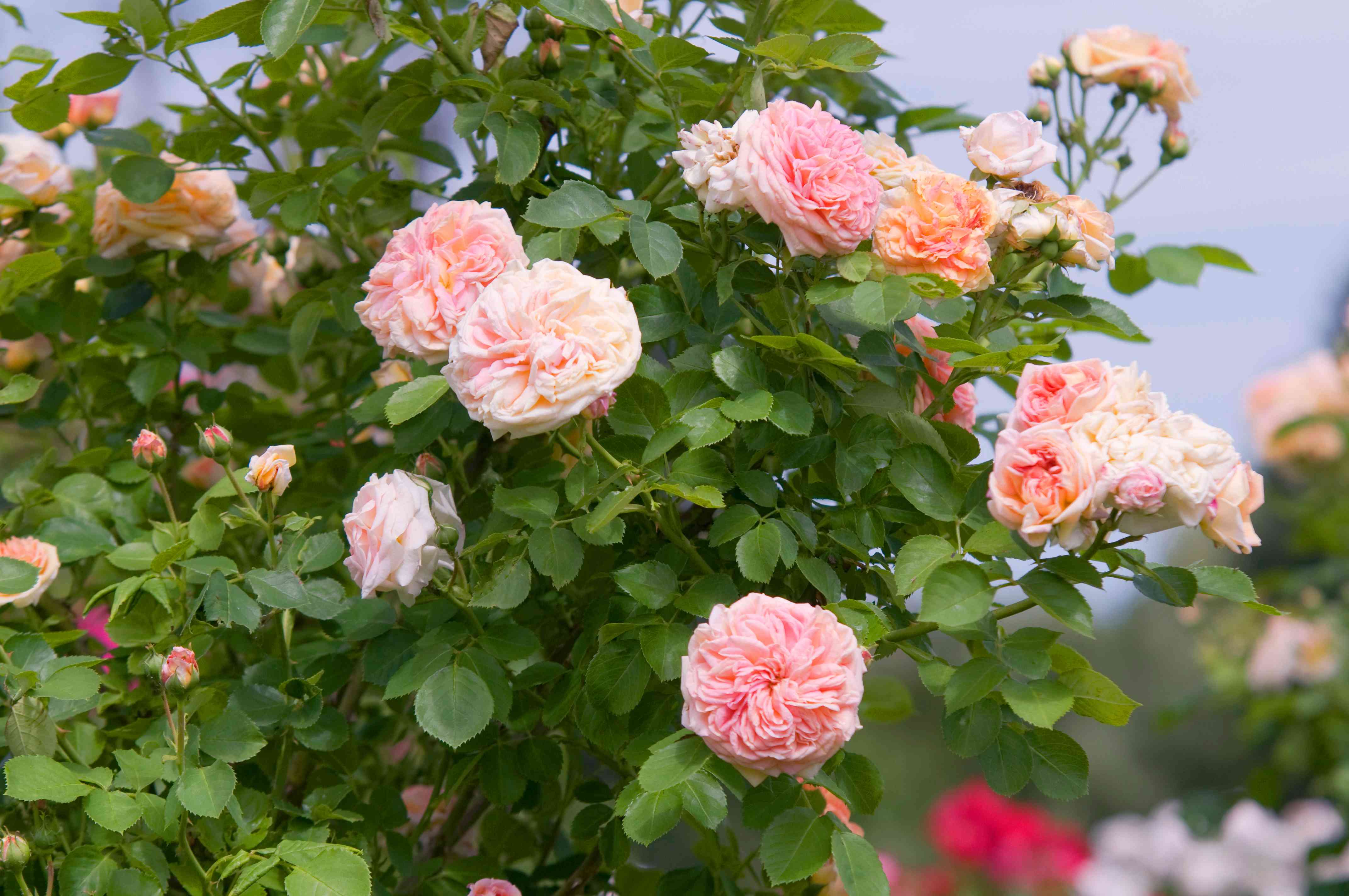
Climbing roses are the garden equivalent of a grand entrance. One year you have a plain fence, a lonely arbor, or a wall that looks like it has given up on romance. Then a climbing rose settles in, stretches its canes, and suddenly the whole space looks like it belongs in a cottage-garden calendar. The best climbing roses do more than bloom; they add height, fragrance, color, privacy, and a little theatrical drama without requiring a full garden makeover.
Despite the name, climbing roses do not climb like ivy. They do not cling, twine, or politely attach themselves to a trellis. They grow long, flexible or semi-rigid canes that need to be tied, guided, and trained. Think of them as talented performers who still need a stage manager. With the right support, good sun, rich soil, and patient pruning, these roses can cover arches, pergolas, fences, pillars, and garden walls with spectacular flowers.
This guide highlights nine great varieties of climbing roses that are beloved for their beauty, fragrance, repeat blooming, garden performance, and personality. Some are classic and romantic, some are bold and colorful, and a few are so easygoing they almost make you suspicious. Whether you want soft pink blooms, fiery orange flowers, deep red fragrance, or a nearly thornless rose for a walkway, there is a climber here ready to turn your vertical space into a blooming showpiece.
Quick Comparison of the 9 Great Climbing Rose Varieties
| Variety | Bloom Color | Approximate Height | Best Feature |
|---|---|---|---|
| New Dawn | Soft blush pink | 8–15 feet | Reliable repeat blooming |
| Eden Climber | Cream, pink, and soft pastel tones | 10–12 feet | Romantic old-rose look |
| Don Juan | Deep red | 8–10 feet | Strong fragrance |
| Zéphirine Drouhin | Deep rose pink | 10–15 feet | Nearly thornless canes |
| Climbing Iceberg | White | 8–15 feet | Clean, bright flower display |
| Joseph’s Coat | Yellow, orange, red, and pink blends | 10–12 feet | Multicolor blooms |
| Fourth of July | Red and white striped | 9–14 feet | Festive repeat blooms |
| Lady of Shalott | Apricot, orange, salmon, and gold | 5–8 feet when trained | Warm color and fragrance |
| Madame Alfred Carrière | White to pale pink | 8–25 feet | Vigorous, fragrant growth |
What Makes a Climbing Rose “Great”?
A great climbing rose should earn its real estate. These plants are not tiny border flowers you can tuck beside a mailbox and forget. A climber takes up vertical space, asks for a support structure, and often needs a few seasons to reach its full glory. The best varieties reward that patience with abundant bloom, attractive foliage, manageable size, disease resistance, fragrance, and a growth habit that can be trained without turning garden maintenance into a wrestling match.
Most climbing roses perform best in full sun, ideally at least six hours of direct light per day. They also prefer fertile, well-drained soil with consistent moisture. Good air circulation is especially important because roses can be vulnerable to black spot, powdery mildew, and other fungal issues in humid or crowded conditions. Mulch helps keep roots cool and soil evenly moist, while careful watering at the base keeps leaves drier and happier.
The secret to more flowers is training. If canes are tied straight upward, many climbers bloom mainly at the top, which is lovely if you are a passing bird but less helpful for humans. Training the main canes horizontally or in gentle arcs encourages flowering shoots along the length of the cane. In other words, roses bloom better when they are gently persuaded to relax sideways. Garden therapy, but with twine.
1. New Dawn
Best for: Beginners, arbors, fences, and reliable soft color
New Dawn is one of the most famous climbing roses for a reason. It offers soft blush-pink double flowers, glossy green foliage, and a graceful habit that suits cottage gardens, traditional landscapes, and romantic entryways. This variety is often praised as one of the best repeat-blooming climbers, producing a generous spring show followed by additional flowers through the growing season.
The blooms are delicate rather than loud, which makes New Dawn especially useful in mixed plantings. It pairs beautifully with lavender, catmint, clematis, salvia, and white perennials. The color does not shout across the yard; it glows. If your garden style leans soft, elegant, and slightly “tea on the patio,” New Dawn belongs on your shortlist.
New Dawn can grow roughly 8 to 15 feet tall depending on climate, pruning, and support. It is a good choice for a sturdy trellis, fence, pergola, or large arbor. Its canes are vigorous, so give it space and guide it early. Once established, it has that wonderful “I woke up like this” look, although gardeners know very well that twine, gloves, and careful pruning were involved.
2. Eden Climber
Best for: Romantic gardens, arches, and old-fashioned flower form
Eden Climber, also known as Pierre de Ronsard, is the rose people stop to stare at. Its large, cupped blooms blend creamy white, soft pink, and pastel tones in a way that looks almost too perfect to be real. This is the rose for gardeners who want a storybook arbor, a wedding-garden mood, or a flower that looks like it was painted by someone with excellent taste and unlimited free time.
Eden typically reaches about 10 to 12 feet when trained as a climber. It works well on fences, arches, pillars, and trellises where the heavy blooms can be displayed at eye level. The flowers are very full, often with many petals, so they have a lush, old-rose appearance. Fragrance is usually light, but the visual impact is enormous.
This variety is especially appealing because it combines antique charm with modern garden performance. It has good vigor, repeats through the season, and brings a refined look to small or large gardens. If your garden needs a “main character” rose, Eden Climber is ready for the role and will absolutely expect applause.
3. Don Juan
Best for: Fragrance lovers and classic red rose drama
Don Juan is the climbing rose for anyone who believes a red rose should look and smell like a red rose. The blooms are deep, velvety red, large, double, and strongly fragrant. It has the kind of old-rose scent that makes people lean in for “just one quick sniff” and then linger awkwardly because the fragrance is doing its job too well.
Growing about 8 to 10 feet tall, Don Juan is manageable compared with some giant climbers, making it a strong choice for arches, entry trellises, porch posts, and smaller garden structures. The dark green foliage gives the red blooms a dramatic backdrop, and the plant can repeat bloom from late spring into fall in favorable conditions.
This rose is especially effective near seating areas, gates, and walkways where its fragrance can be appreciated. Planting it at the far back corner of the yard would be a waste, like hiding a bakery behind a locked shed. Give Don Juan a sunny place where people pass by, and it will do what red roses do best: steal the scene.
4. Zéphirine Drouhin
Best for: Walkways, arches, partial shade, and thorn-sensitive gardeners
Zéphirine Drouhin is a beloved Bourbon rose with deep rose-pink flowers, strong fragrance, and nearly thornless canes. That last feature is a major selling point. Any gardener who has ever emerged from pruning a thorny climber looking like they lost an argument with a cat will understand the appeal immediately.
This variety can grow about 10 to 15 feet tall and is often used on arches, pillars, fences, and entrances. Because the canes are relatively flexible and nearly thornless, it is easier to train than many climbing roses. It is also known for tolerating some shade better than many roses, though full sun still encourages the best flowering and disease resistance.
The blooms are fragrant, old-fashioned, and richly colored. Zéphirine Drouhin is particularly lovely near doors, patios, and paths because it combines scent and softness without turning routine maintenance into a prickly negotiation. For cottage gardens, historic-style homes, and romantic walkways, this rose is both practical and beautiful.
5. Climbing Iceberg
Best for: White gardens, clean design, and brightening dark structures
Climbing Iceberg is a crisp, graceful white climbing rose that brings brightness and calm to the garden. Its semi-double white blooms appear in generous clusters, creating a clean, airy effect on trellises, fences, and arbors. If red roses are opera singers, Climbing Iceberg is a linen shirt drying in a summer breeze: simple, fresh, and quietly elegant.
This climber usually reaches about 8 to 15 feet tall. The flowers have a mild, sweet fragrance and a classic white appearance that works with nearly every color scheme. It is especially useful in moon gardens, formal gardens, narrow side yards, and spaces where darker fences or walls need softening.
White roses also make excellent companions for blue, purple, pink, and silver plants. Try Climbing Iceberg with lavender, Russian sage, blue salvia, lamb’s ear, or ornamental grasses. The result feels polished without looking stiff. Good air circulation is important, especially in humid climates, because white blooms and rose foliage look best when the plant is kept healthy and open.
6. Joseph’s Coat
Best for: Color lovers and cheerful garden focal points
Joseph’s Coat is not here to whisper. This vigorous climbing rose produces multicolored blooms that can include yellow, orange, red, coral, and pink tones, often changing as the flowers age. One plant can look like a garden party where everyone ignored the dress codeand somehow it works beautifully.
Growing around 10 to 12 feet tall, Joseph’s Coat is excellent for sunny fences, trellises, and arbors where its changing colors can be enjoyed up close. It has a lively personality and works well in informal gardens, cottage gardens, and landscapes that need warmth and movement.
Because the flowers are so colorful, pair this rose thoughtfully. It looks wonderful with simple green foliage, cream flowers, ornamental grasses, or deep blue companions that balance the warm tones. Too many competing colors nearby can make the bed feel chaotic. Let Joseph’s Coat be the confetti, and keep the rest of the party slightly calmer.
7. Fourth of July
Best for: Festive color, repeat bloom, and pollinator-friendly charm
Fourth of July is a red-and-white striped climbing rose with a cheerful, patriotic look and a reputation for reliable performance. Its semi-double blooms often appear in clusters and may carry a pleasant apple-rose fragrance. This variety brings energy to the garden without feeling too formal.
Typically growing about 9 to 14 feet tall, Fourth of July is well suited to fences, arches, and pergolas. It repeats through the season, especially with good sun, regular feeding, and deadheading. The open flower form can also be attractive to pollinators, making it a practical as well as decorative choice.
This is a great rose for gardeners who want something different from the usual solid pink or red climber. The striped petals create movement and visual interest, especially from a distance. Plant it where the pattern can be seen clearly, such as along a walkway or against a simple backdrop. Against a busy wall or crowded flower bed, those stripes may have to work too hard.
8. Lady of Shalott
Best for: Smaller supports, warm color, and English rose charm
Lady of Shalott is often grown as an English shrub rose, but it can also be trained as a short climber in suitable conditions. Its chalice-shaped blooms open in warm shades of apricot, orange, salmon, and golden yellow. The fragrance is a pleasant tea scent with hints often compared to spiced apple and cloves.
This rose is ideal for gardeners who want climbing rose beauty without a giant plant taking over the neighborhood. Depending on climate and training, it may reach about 5 to 8 feet as a short climber. That makes it useful for obelisks, small arches, porch railings, and compact cottage gardens.
Lady of Shalott brings a softer, more painterly color than many orange roses. The blooms are warm but not harsh, cheerful but not neon. It pairs beautifully with purple salvia, blue catmint, cream foxgloves, and airy ornamental grasses. For a small garden that needs vertical interest and repeat flowering, this variety can be a very smart choice.
9. Madame Alfred Carrière
Best for: Large structures, fragrance, and old-garden elegance
Madame Alfred Carrière is a vigorous Noisette rose known for pale blush, creamy white, or light pink flowers and strong fragrance. It can be grown as a large climber and may reach impressive heights, sometimes 8 to 25 feet depending on conditions and pruning. In other words, this is not the rose for a tiny decorative trellis from the garden center clearance rack. Give it a real structure and plenty of room.
This variety is wonderful for large pergolas, walls, fences, and mature garden settings. The flowers have a soft, antique look, and the plant’s vigor makes it useful where you want coverage as well as bloom. It can bring a romantic, slightly wild elegance to a garden, especially when trained over a strong arch or along a sunny wall.
Because Madame Alfred Carrière can become large, pruning and training matter. Start shaping the plant early, tie in the main canes, and remove weak or crossing growth as needed. The reward is a fragrant, graceful climber that feels timeless rather than trendy.
How to Choose the Right Climbing Rose for Your Garden
Choosing the best climbing rose starts with space. A compact arbor near a front door needs a different rose than a long fence or tall pergola. If you have limited room, consider Don Juan, Lady of Shalott, or Eden Climber. If you have a large structure, New Dawn, Zéphirine Drouhin, Climbing Iceberg, Joseph’s Coat, Fourth of July, or Madame Alfred Carrière can create a fuller display.
Next, think about color. Soft pink roses such as New Dawn create a romantic mood. White roses such as Climbing Iceberg brighten the garden and blend easily with other plants. Red roses such as Don Juan add drama. Multicolor roses such as Joseph’s Coat and Fourth of July bring energy and personality. Apricot roses such as Lady of Shalott add warmth without overwhelming the space.
Fragrance also matters. If scent is a top priority, look closely at Don Juan, Zéphirine Drouhin, Madame Alfred Carrière, and Lady of Shalott. If flower form and visual impact matter more than fragrance, Eden Climber may be your dream rose. For a balanced garden, mix one highly fragrant variety near a seating area with another high-impact bloomer farther away.
Planting and Care Tips for Climbing Roses
Give Them Sun and Air
Most climbing roses bloom best with at least six hours of direct sun. Morning sun is especially helpful because it dries leaves quickly and reduces disease pressure. Avoid squeezing roses into tight corners with poor airflow. A rose may look romantic against a wall, but it still appreciates breathing room.
Use Strong Support
Install a sturdy arbor, trellis, fence, pergola, or wire support before the rose becomes large. Mature climbing roses can be heavy, especially after rain. A flimsy support may look fine in year one and then collapse dramatically in year three, usually when guests are visiting.
Train Canes Horizontally
Tie main canes loosely with soft garden ties. Train them sideways, diagonally, or in wide arcs to encourage more flowering shoots. Do not tie canes too tightly, as stems thicken over time. The goal is gentle guidance, not botanical punishment.
Water Deeply
Water at the base of the plant rather than overhead. Deep watering encourages strong roots, while wet foliage can invite disease. Mulch with compost, shredded bark, or leaf mold to conserve moisture and reduce weeds.
Prune with Patience
Avoid heavy pruning during the first couple of years unless you need to remove dead, damaged, or diseased wood. Young climbers need time to build their framework. Once established, prune after the main bloom cycle or during the appropriate dormant season for your climate and variety.
Common Mistakes to Avoid
The first mistake is choosing a rose that is too large for the support. A vigorous climber on a tiny arch can quickly become a thorny umbrella. Always check mature height and spread before planting. The second mistake is expecting instant results. Climbing roses often need two to three seasons to settle in and build enough canes for a dramatic display.
Another common mistake is planting too close to a wall or fence. Roses need space for roots, airflow, and maintenance access. Set the plant slightly away from the structure and angle the canes toward the support. Finally, do not forget to feed the soil. Roses are generous bloomers, and generous bloomers appreciate compost, organic matter, and balanced nutrition.
Experience: What Growing Climbing Roses Really Teaches You
Growing climbing roses teaches patience faster than almost any other garden project. When you plant one, especially as a bare-root rose, it may look like a collection of sticks with ambition. You water it, mulch it, check it every morning, and wonder whether you have planted a future masterpiece or an expensive twig. Then, slowly, leaves appear. A cane stretches. A bud forms. Suddenly, the rose gives you one perfect flower, and you immediately forgive it for the suspense.
The first real lesson is that support matters from the beginning. Many gardeners think they can add a trellis later, but “later” often arrives when the rose has grown long canes in every direction except the one you wanted. Installing a strong structure early makes training easier and protects the plant from rough handling. A good trellis, arbor, or fence is not just decoration; it is the skeleton of the whole display.
The second lesson is that roses respond to attention, not panic. A yellow leaf does not mean disaster. A few aphids do not mean the garden is doomed. One cane growing wildly sideways does not mean the plant is plotting against you, although it may feel personal. Regular observation is more useful than dramatic intervention. Check the leaves, water deeply, remove damaged growth, and keep the base mulched. Small, steady care usually beats frantic rescue missions.
Training canes is also more creative than people expect. You are not simply tying stems to a frame; you are shaping future bloom. When canes are guided horizontally or in soft curves, the rose produces more flowering side shoots. This is one of those garden tricks that feels almost magical the first time it works. A cane that once looked awkward becomes a ribbon of blooms the following season.
Another experience gardeners quickly gain is respect for gloves. Even varieties described as manageable can surprise you with a thorn exactly where your hand wanted to be. Nearly thornless roses such as Zéphirine Drouhin are a joy near walkways, but most climbers still deserve careful handling. Thick gloves, long sleeves, and slow movements make pruning much more pleasant.
Finally, climbing roses teach you to think in seasons, not days. The first year is for roots. The second year is for structure. The third year often begins the real show. Once established, a climbing rose can transform a plain garden feature into something memorable. A fence becomes a backdrop. An arbor becomes an entrance. A quiet corner becomes the place everyone wants to photograph. That is the real reward: not just flowers, but atmosphere.
Conclusion
The best climbing roses combine beauty, structure, and personality. New Dawn is reliable and romantic. Eden Climber is lush and photogenic. Don Juan brings deep red fragrance. Zéphirine Drouhin offers nearly thornless charm. Climbing Iceberg brightens the garden with white blooms. Joseph’s Coat delivers playful color. Fourth of July adds striped celebration. Lady of Shalott gives compact warmth and English rose elegance. Madame Alfred Carrière brings fragrance and old-garden grandeur to larger spaces.
Before choosing, match the rose to your climate, available space, sunlight, support structure, and maintenance style. A climbing rose should look beautiful, yes, but it should also fit your garden’s reality. When the right variety meets the right place, the result can be spectacular: flowers overhead, fragrance in the air, and a garden that feels more alive every year.