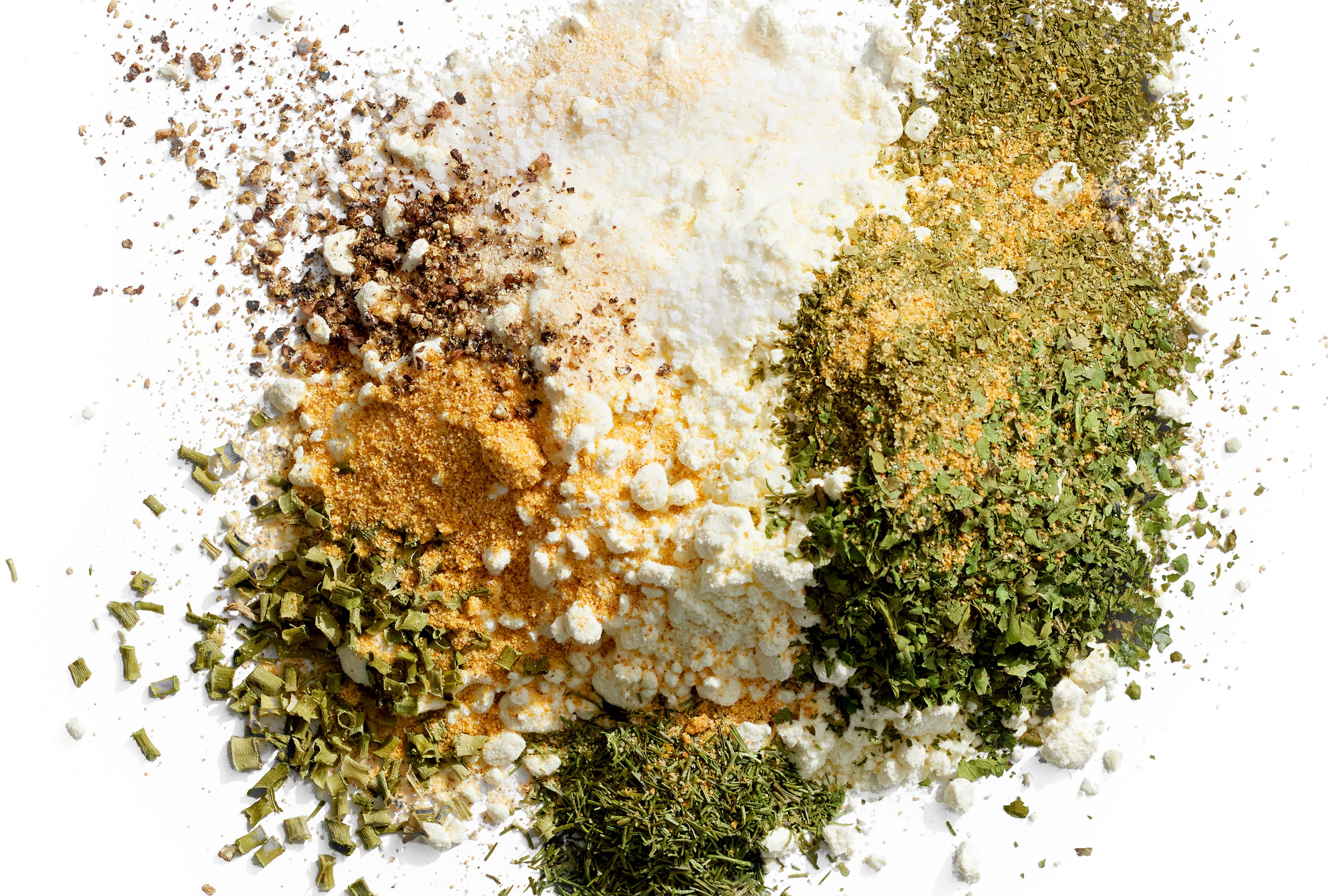
MSG has somehow become the food-world equivalent of a celebrity who cannot leave the grocery store without attracting rumors. One person says it causes headaches, another insists it makes food taste suspiciously amazing, and somewhere in the background a bag of chips is quietly disappearing.
Monosodium glutamate, usually called MSG, is a flavor enhancer that boosts savory, umami-rich taste. It is commonly used in packaged foods, seasonings, soups, sauces, restaurant dishes, and other products designed to make your taste buds sit up a little straighter.
That does not mean every savory food contains added MSG. Glutamate occurs naturally in foods such as tomatoes, mushrooms, Parmesan cheese, meat, seafood, and fermented sauces. Added MSG is different from naturally occurring glutamate in one practical way: U.S. food labels must list added MSG as “monosodium glutamate” in the ingredient panel.
Below are eight foods with MSG that shoppers and diners commonly encounter, plus a practical guide to reading labels, understanding potential sensitivity, and making food choices without turning every grocery trip into a detective show.
What Is MSG, Exactly?
MSG is the sodium salt of glutamic acid, an amino acid that occurs naturally in many foods. When added to food, it helps strengthen umami, the savory flavor associated with broths, roasted meat, mushrooms, aged cheese, soy sauce, and tomato-based dishes.
On its own, MSG is not a magic seasoning wand that turns a plain rice cake into a steakhouse dinner. It works best alongside other ingredients, helping savory flavors taste fuller, rounder, and more satisfying. Think of it as the backup singer who somehow makes the lead vocalist sound better.
MSG is also not gluten. The two are completely different substances. People avoiding gluten for celiac disease or gluten sensitivity do not need to avoid MSG solely because of gluten concerns.
8 Foods That May Contain Added MSG
1. Flavored Chips, Crackers, and Savory Snack Foods
Cheese-flavored chips, barbecue snacks, spicy corn chips, flavored crackers, popcorn seasonings, and snack mixes may contain MSG because they are built around bold flavor. A plain potato chip has a simple mission: potato, oil, salt, crunch. A “smoky jalapeño cheese explosion” chip has a much more ambitious career plan.
MSG may appear in the seasoning blend alongside cheese powders, spices, onion powder, garlic powder, yeast extract, or flavorings. Not every flavored snack uses MSG, but it is common enough that checking the ingredient list makes sense when you are trying to avoid it.
2. Instant Noodles and Ramen Products
Instant noodles are one of the most recognizable foods with MSG. The noodles themselves may not contain much flavor, but the seasoning packet often carries the dramatic plot twist. Chicken, beef, shrimp, spicy, curry, and vegetable flavor packets may include MSG to create a stronger broth-like taste.
Some cup noodles, noodle bowls, and boxed ramen products are marketed as “no added MSG,” while others list monosodium glutamate directly. The important detail is that a product can be high in sodium whether it contains MSG or not, so check both the ingredient list and the Nutrition Facts panel.
3. Canned Soups, Broths, Bouillon Cubes, and Soup Mixes
Soup is supposed to taste like it spent six hours simmering in a cozy kitchen while someone wore an apron and told a charming story about their grandmother. Packaged soup does not always have six hours, so flavor enhancers can help create that rich, savory effect more quickly.
Some canned soups, dry soup mixes, bouillon cubes, broth concentrates, gravy bases, and seasoning pastes contain added MSG. It may be especially common in chicken, beef, mushroom, onion, cheese, and creamy soup varieties. Again, not every product uses it, so labels matter more than assumptions.
4. Frozen Dinners and Frozen Side Dishes
Frozen meals often need to survive freezing, reheating, and being microwaved while someone answers three emails at once. That is not an easy job. To make the final dish taste more savory after reheating, some frozen entrées and side dishes use MSG or other glutamate-containing ingredients.
Potential examples include frozen pasta meals, microwaveable rice bowls, chicken entrées, meat-and-potato dishes, cheesy casseroles, pizza snacks, and seasoned vegetables. A frozen meal with MSG is not automatically unhealthy, and a frozen meal without MSG is not automatically nutritious. Sodium, saturated fat, fiber, protein, vegetables, and portion size all still deserve a seat at the dinner table.
5. Seasoning Packets, Gravy Mixes, and Sauce Blends
Taco seasoning, chili packets, gravy powder, onion dip mix, stir-fry sauce, seasoning salt, dry rubs, burger mixes, and pasta sauce blends may contain MSG. These products are designed to make ordinary ingredients taste more complete with minimal effort, which is why they are often found in the “I need dinner in 20 minutes” section of the pantry.
Look for “monosodium glutamate” in the ingredient list. You may also see yeast extract, hydrolyzed protein, autolyzed yeast, soy extracts, or protein isolates. Those ingredients can contain naturally occurring glutamate, but they are not necessarily the same as added MSG under U.S. labeling rules.
6. Deli Meats, Processed Meats, and Meat Snacks
Some deli turkey, ham, roast beef, sausage, hot dogs, jerky, meat sticks, and flavored meat snacks may contain MSG. It can help reinforce savory flavor in products that are cured, smoked, seasoned, or processed for shelf life and convenience.
That said, MSG is only one thing to watch in processed meats. Sodium, nitrates or nitrites, saturated fat, serving size, and how frequently the food appears in your diet may matter more overall. A turkey sandwich is not a nutrition villain simply because it came from a deli counter, but daily mountains of salty processed meat may not be your heart’s favorite hobby.
7. Packaged Vegetable Dishes, Canned Foods, and Savory Side Dishes
Plain canned green beans are usually fairly straightforward. Green beans in “garlic butter herb sauce,” “cheddar sauce,” or “savory seasoning” may be a different story. Some canned vegetables, packaged beans, flavored rice mixes, mashed potato mixes, stuffing, boxed pasta sides, and seasoned grain packets use MSG to intensify flavor.
These foods can still fit into a balanced meal. The practical move is to compare brands when possible. One package may contain less sodium, more fiber, or simpler ingredients than another. You do not need to fear a seasoning packet; you just need to know what it is bringing to the party.
8. Restaurant and Takeout Meals
Restaurant dishes can contain MSG, particularly in soups, stir-fries, sauces, marinades, fried rice, noodle dishes, broths, gravies, spice blends, snack foods, and savory meat preparations. However, it is not accurate to assume that every Asian restaurant, every takeout meal, or every heavily seasoned dish contains MSG.
MSG is used in many cuisines around the world, including American, Latin American, European, Southeast Asian, and East Asian cooking. Singling out one cuisine is both inaccurate and unfair. If avoiding MSG matters to you, ask politely whether it is used in the dish, broth, seasoning blend, or sauce. Most restaurants would rather answer a simple question than receive a mysterious one-star review about “flavor vibes.”
Natural Glutamate vs. Added MSG
This distinction is where many MSG conversations get tangled like a drawer full of charging cables. Glutamate occurs naturally in many foods, including tomatoes, mushrooms, seaweed, Parmesan cheese, meat, poultry, fish, and fermented foods. Your body also uses glutamate naturally.
Added MSG is a specific ingredient used to enhance flavor. When a manufacturer adds it to a packaged food, it must appear in the ingredient list as “monosodium glutamate.” However, foods containing ingredients such as yeast extract, hydrolyzed vegetable protein, autolyzed yeast, soy extract, or protein isolate may contain naturally occurring glutamate without listing “MSG” as a separate ingredient.
A “no MSG” or “no added MSG” label can also be confusing. A product may contain no added monosodium glutamate while still containing naturally occurring glutamate from ingredients such as cheese, tomatoes, soy sauce, or yeast extract.
How to Find MSG on Food Labels
The easiest way to identify added MSG is refreshingly old-fashioned: read the ingredient list. Look specifically for the words monosodium glutamate.
If you are limiting all concentrated sources of glutamate, you may also choose to notice ingredients such as hydrolyzed vegetable protein, hydrolyzed soy protein, hydrolyzed yeast, yeast extract, autolyzed yeast, soy extracts, and protein isolates. However, do not assume these ingredients are identical to added MSG. They are separate ingredients and may contribute savory flavor in different ways.
Also check the sodium amount in the Nutrition Facts panel. MSG contains sodium, but the total sodium in a food often comes from many sources, including salt, soy sauce, cheese, cured ingredients, preservatives, and seasoning blends. A product without MSG can still be extremely salty, while a product containing MSG may not necessarily have the highest sodium count on the shelf.
Is MSG Safe to Eat?
For most people, MSG is considered safe when consumed as part of a normal diet. The U.S. Food and Drug Administration classifies MSG as generally recognized as safe, and major medical and nutrition organizations generally agree that MSG does not need to be avoided by everyone.
Some people report short-term symptoms after consuming foods containing MSG, such as headaches, flushing, nausea, tingling, palpitations, or a general “I do not feel great after that giant bowl of noodles” sensation. Research has not consistently shown that MSG causes these symptoms in most people, especially when eaten in normal amounts as part of a meal.
Still, personal experience matters. If you repeatedly notice the same symptoms after specific foods, keep a simple food-and-symptom record. Look for patterns instead of blaming one ingredient after one meal. Restaurant dishes can contain many possible triggers, including alcohol, caffeine, large portions, high sodium, poor sleep, dehydration, stress, spicy foods, or other ingredients.
People with migraine may find that MSG-containing foods are a trigger, although food triggers vary widely from person to person. A structured migraine diary can be more useful than eliminating every enjoyable food on the planet. If you experience severe symptoms, breathing difficulty, swelling, hives, faintness, or repeated reactions after eating, seek medical care promptly.
How to Reduce MSG Without Making Food Boring
Reducing added MSG does not mean eating flavorless chicken and staring sadly at boiled broccoli. Build flavor with garlic, ginger, onions, herbs, citrus, vinegar, black pepper, chili, smoked paprika, roasted vegetables, mushrooms, tomato paste, fresh herbs, and lower-sodium broths.
At home, compare seasoning packets and soup bases before buying. Choose simple spice blends when possible, use half a packet instead of the full amount, and add extra vegetables or beans to dilute sodium per serving. When dining out, ask whether the broth, sauce, marinade, or seasoning blend contains added MSG.
The goal is not perfection. The goal is awareness. Food should be enjoyable, and a sensible approach to MSG is far more useful than treating every bowl of soup like it is plotting against you.
Real-Life Experiences With Foods Containing MSG
A practical note: The experiences below reflect common label-reading, meal-planning, and dining situations. They are not medical diagnoses, and they are not a reason to start an overly restrictive diet without a clear personal pattern.
For many people, the first time they start paying attention to MSG is not because they are conducting a scientific study in a white coat. It is usually because they finish a salty takeout meal, feel unusually thirsty, get a headache later, and begin wondering whether MSG was involved. The answer is often more complicated than expected. That meal may have included a large amount of sodium, little water, a sugary drink, alcohol, a late bedtime, stress, or simply a portion large enough to make anyone want a nap afterward.
A helpful experience for label readers is comparing two similar products. Imagine standing in the soup aisle with two chicken noodle soups. One lists monosodium glutamate, while the other says no added MSG. It is tempting to assume the second soup is automatically healthier. Then you turn the package around and discover that both soups are high in sodium, low in fiber, and built around a serving size that no human being has ever used in real life. The lesson is simple: MSG is one ingredient, not a full nutrition report card.
Another common experience happens with instant noodles. Someone may decide to avoid MSG by buying plain noodles and skipping the flavor packet. That can be a reasonable option, especially for people who have noticed a personal sensitivity. But then the noodles need flavor, so they add soy sauce, chili oil, salty broth, cheese, or a generous handful of processed meat. The meal may taste fantastic, but the sodium can still climb faster than a cat spotting an open cupboard.
Restaurant experiences can be even trickier because ingredient lists are not always available. A person may avoid a dish because they assume it contains MSG, while ordering another dish with a salty sauce, rich broth, cured meat, and a mountain of seasoning. Rather than guessing based on cuisine or appearance, asking a direct question is usually more useful. “Does this broth or sauce contain added MSG?” is clear, respectful, and easy for staff to understand.
People who experience migraines sometimes find that food tracking helps more than broad food fear. A simple note on a phone can include the meal, time of day, sleep quality, hydration, stress level, caffeine intake, and symptoms. After a few weeks, patterns may become clearer. Maybe MSG is not the trigger at all. Maybe skipped meals, dehydration, red wine, poor sleep, or long workdays are showing up more consistently. Bodies are complicated, and they rarely send neat spreadsheets.
One of the best practical experiences is learning to keep favorite foods while adjusting frequency and portions. Someone who loves flavored chips may choose a smaller serving with lunch instead of eating directly from the bag during a movie. Someone who enjoys ramen may add eggs, spinach, mushrooms, leftover chicken, and extra water to make the meal more filling. Someone who loves restaurant food may balance it with lower-sodium meals at home during the week.
In the end, the most sustainable approach is curiosity instead of panic. Read labels, notice how foods make you feel, avoid making assumptions about entire cuisines, and remember that delicious food does not need to come with a courtroom cross-examination. MSG may be part of your pantry, part of your takeout order, or something you personally prefer to limit. Either way, knowing where it appears gives you more control over your choices.