Solo camping sounds peaceful until you realize you are also the setup crew, weather department, midnight security guard, and chief snack inspector. That is why choosing the right one person tent matters. A good solo tent should be light enough to carry without making your shoulders file a complaint, sturdy enough to handle surprise rain, and comfortable enough that you do not wake up feeling like a folded lawn chair.
This guide to the 8 best one person tents in 2022 is built for campers, backpackers, bikepackers, and weekend wanderers who want a reliable shelter without hauling a fabric mansion into the woods. Instead of focusing only on the lightest tent, we look at real-world usefulness: setup, interior space, weather protection, packed size, ventilation, durability, and value.
Whether you are planning your first overnight in a state park or testing your legs on a long-distance trail, these solo camping tents offer smart options for different budgets and camping styles.
How to Choose the Best One Person Tent
Weight vs. Comfort
The lightest solo backpacking tent is not always the best one. Ultralight tents save energy on the trail, but they often use thinner fabrics, smaller interiors, and more delicate zippers. If you camp only a few miles from the car, a slightly heavier tent with more headroom may feel like luxury. If you hike 15 miles a day, every ounce starts negotiating with your spine.
Freestanding, Semi-Freestanding, or Trekking Pole Tent?
A freestanding one person tent can stand with its poles before being staked out, which makes setup easier on rocky or hard ground. A semi-freestanding tent needs some staking to create full interior space. A trekking pole tent saves weight by using your hiking pole as the frame, but it takes more practice to pitch well.
Weather Protection
For most solo campers, a three-season tent is the sweet spot. It handles spring, summer, and fall conditions with mesh ventilation, a rainfly, and enough structure for moderate wind. Winter camping requires stronger poles, less mesh, and a warmer design. Do not ask a breezy summer tent to become a snow bunker. It will not enjoy the promotion.
Interior Space and Vestibules
Floor area tells you how much sleeping room you get, but peak height and wall shape matter just as much. A tent with steep walls may feel roomier than a tent with a larger floor but a low ceiling. A vestibule is also valuable because it gives your muddy boots, wet pack, and questionable trail socks a place to live outside your sleeping area.
Quick Comparison: Best One Person Tents for Solo Camping
| Tent | Best For | Approx. Weight Class | Key Strength |
|---|---|---|---|
| Kelty Late Start 1 | Best overall value | Midweight | Easy setup and friendly price |
| Big Agnes Copper Spur HV UL1 | Best premium ultralight tent | Ultralight | Excellent comfort-to-weight ratio |
| NEMO Hornet 1P | Best for fast backpacking | Ultralight | Very low packed weight |
| MSR Access 1 | Best for colder conditions | Light four-season | More warmth and structure |
| Six Moon Designs Lunar Solo | Best trekking pole shelter | Ultralight | Large floor area for the weight |
| Eureka! Solitaire AL | Best low-profile tent | Lightweight | Simple, compact, and budget-minded |
| The North Face Stormbreak 1 | Best durable beginner tent | Midweight | Tough fabrics and easy pitching |
| ALPS Mountaineering Lynx 1 | Best budget freestanding tent | Midweight | Strong value and roomy vestibule |
1. Kelty Late Start 1 – Best Overall One Person Tent
The Kelty Late Start 1 earns its place as one of the best one person tents for campers who want dependable performance without taking out a tiny mortgage. It is a practical three-season tent with a simple two-pole structure, a freestanding design, and enough room for one camper plus essential gear.
Its biggest advantage is approachability. New campers can pitch it quickly, while experienced backpackers appreciate that it does not require complicated geometry or a calm emotional support friend during setup. The rainfly creates a vestibule for boots and a pack, and the mesh body improves airflow on warm nights.
Best For
Beginner backpackers, weekend campers, and anyone who wants a solo camping tent that balances price, function, and comfort.
Pros
- Easy freestanding setup
- Good value for the money
- Useful vestibule space
- Durable enough for regular three-season camping
Cons
- Heavier and bulkier than premium ultralight tents
- Not ideal for long-distance hikers counting every ounce
2. Big Agnes Copper Spur HV UL1 – Best Premium Ultralight Tent
The Big Agnes Copper Spur HV UL1 is a favorite among solo backpackers because it feels surprisingly livable for a tent that stays around the ultralight category. The “HV” stands for high volume, and that is not just marketing confetti. The pole structure creates more usable head and shoulder room than many narrow solo shelters.
This tent is especially good for backpackers who want a real double-wall shelter, a proper vestibule, and a comfortable side-entry design without carrying unnecessary weight. It also packs down small enough for backpacking and bikepacking adventures.
The tradeoff is cost and fabric care. Ultralight materials are impressive, but they appreciate gentle handling. Use a footprint or choose your campsite carefully if you camp on rough ground.
Best For
Backpackers who want a lightweight one person tent with premium comfort, smart storage, and strong weather performance.
Pros
- Excellent balance of low weight and livability
- Side-entry door is easy to use
- Good vestibule design for gear storage
- Strong choice for long backpacking trips
Cons
- Expensive compared with entry-level tents
- Thin fabrics require careful campsite selection
3. NEMO Hornet 1P – Best for Fast Backpacking
The NEMO Hornet 1P is built for backpackers who look at a gear scale the way some people look at a menu. It is light, compact, and efficient, making it a strong pick for fast weekend trips, thru-hiking, and minimalist solo camping.
The Hornet uses a semi-freestanding structure, which means you will need to stake it properly to unlock its full shape. In return, you get a very low packed weight, a useful vestibule, and enough room for one sleeper who understands that “ultralight” and “palace” are rarely roommates.
Ventilation is solid thanks to mesh panels, and newer versions use advanced rainfly materials designed to resist stretching when wet. Still, like most ultralight tents, it performs best when pitched carefully and treated with respect.
Best For
Experienced backpackers, fast hikers, and solo campers who prioritize low weight over extra elbow room.
Pros
- Very light and packable
- Good ventilation for warm-weather camping
- Compact packed size
- Great for long mileage days
Cons
- Semi-freestanding design needs proper staking
- Interior space is efficient, not luxurious
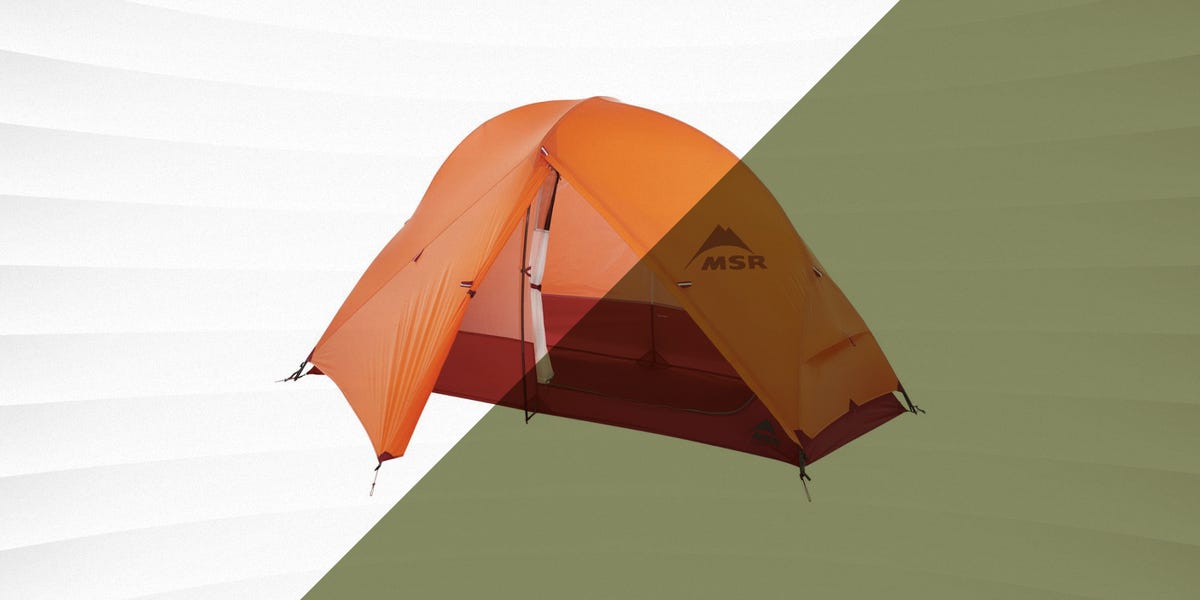
4. MSR Access 1 – Best One Person Tent for Colder Conditions
The MSR Access 1 is made for solo campers who want more protection than a standard three-season tent but do not want to carry a full expedition shelter. It is often described as a light four-season or winter-capable tent, designed for ski touring, cold-weather backpacking, and shoulder-season trips.
Compared with breezy summer tents, the Access 1 uses a stronger structure and more protective fabric panels to help retain warmth and resist light snow loading. It also includes a vestibule for boots and gear, which is a big deal when the weather is cold enough to make your socks question your leadership.
This is not the tent for hot, humid summer nights or extreme alpine storms. But for colder solo adventures where a typical mesh-heavy tent feels too exposed, the MSR Access 1 fills an important niche.
Best For
Cold-weather campers, winter backpackers in moderate conditions, and solo adventurers who need more structure than a basic three-season tent.
Pros
- Warmer than most three-season tents
- Good structure for shoulder-season weather
- Useful vestibule space
- Still relatively light for its category
Cons
- Too warm and enclosed for many summer trips
- More expensive than standard backpacking tents
5. Six Moon Designs Lunar Solo – Best Trekking Pole Tent
The Six Moon Designs Lunar Solo is a smart pick for hikers who already carry trekking poles and want a roomy ultralight shelter. Unlike many compact solo tents, the Lunar Solo offers generous floor space and a tall peak height while keeping weight impressively low.
Its single-pole design saves weight but requires more attention during setup. You need good stake placement, proper tension, and a little patience. Once dialed in, it offers excellent living space for one person and gear. The bathtub floor helps protect against splashback, while the vestibule gives you a covered area for shoes and a backpack.
Because it is a single-wall shelter, condensation management matters. Keep vents open, avoid low wet campsites when possible, and do not pitch it like a sealed plastic sandwich bag.
Best For
Ultralight backpackers who want more space, carry trekking poles, and do not mind practicing their pitch.
Pros
- Excellent floor area for the weight
- Uses a trekking pole to reduce packed weight
- Good value in the ultralight category
- Roomy enough for taller campers and gear
Cons
- Requires stakes and careful tensioning
- Single-wall design can collect condensation in humid weather
6. Eureka! Solitaire AL – Best Low-Profile Solo Tent
The Eureka! Solitaire AL is a classic low-profile solo shelter for campers who want something simple, compact, and affordable. It is not roomy in the “sit up and organize your entire life” sense, but it gives one person a protected sleeping space with a small footprint.
This tent works well for bike touring, kayak camping, casual backpacking, and minimalist trips where packed size matters. The low ceiling is the main limitation. Changing clothes inside may feel like a slow-motion wrestling match with nylon, but the design handles basic three-season use well when pitched correctly.
Best For
Minimalist campers, bikepackers, and budget-conscious solo travelers who want a compact sleeping shelter.
Pros
- Compact packed size
- Budget-friendly
- Low profile handles wind better than tall tents
- Good for simple overnight trips
Cons
- Limited headroom
- Less comfortable for hanging out during bad weather
7. The North Face Stormbreak 1 – Best Durable Beginner Tent
The The North Face Stormbreak 1 is a dependable solo tent for campers who care more about durability and ease of use than shaving every gram. It uses tougher fabrics than many ultralight models, has a simple pitch, and offers good ventilation through high-low airflow design.
This tent is especially appealing for beginners because it feels straightforward. You do not need a degree in wilderness engineering to set it up, and the materials are forgiving enough for regular campground use. It is also a good option for car campers who occasionally backpack short distances.
Best For
New campers, weekend backpackers, and people who want a sturdy one person tent from a trusted outdoor brand.
Pros
- Durable fabric construction
- Easy-pitch design
- Good ventilation
- Useful vestibule and large door
Cons
- Heavier than ultralight backpacking tents
- Smaller floor area than some competitors
8. ALPS Mountaineering Lynx 1 – Best Budget Freestanding Tent
The ALPS Mountaineering Lynx 1 is one of the best budget one person tents because it gives solo campers a freestanding structure, durable materials, a vestibule, and a straightforward setup at a very reasonable price. It is not the lightest tent on this list, but it is practical, tough, and forgiving.
The Lynx 1 uses a two-pole design with clips, so pitching is quick. The vestibule is roomy enough for muddy boots and a pack, and the mostly mesh body helps with airflow in warm weather. For campers who want an affordable solo tent for state parks, short backpacking routes, and casual adventures, this is a dependable choice.
Best For
Budget campers, beginners, and solo adventurers who want a reliable freestanding tent without premium pricing.
Pros
- Excellent value
- Freestanding and easy to move after setup
- Good vestibule space
- Durable materials for the price
Cons
- Bulkier than high-end backpacking tents
- Not ideal for ultralight hikers
Which One Person Tent Should You Buy?
Choose the Kelty Late Start 1 if you want the best mix of value, comfort, and ease of use. Pick the Big Agnes Copper Spur HV UL1 if you want a premium ultralight tent that still feels livable. Go with the NEMO Hornet 1P if low weight is your top priority. Select the MSR Access 1 if your solo camping plans include colder weather. Try the Six Moon Designs Lunar Solo if you want ultralight roominess and already hike with trekking poles.
For budget-minded campers, the ALPS Mountaineering Lynx 1 and The North Face Stormbreak 1 are safer, sturdier choices than many mystery-brand tents. And if you want something compact for simple trips, the Eureka! Solitaire AL remains a smart low-profile option.
Solo Camping Experience: What You Learn After Sleeping Alone in a One Person Tent
Solo camping teaches you quickly that a tent is more than a sleeping bag garage. It becomes your bedroom, closet, weather shield, bug defense system, and occasionally your tiny nylon therapist when the wind starts making weird noises at 2 a.m.
The first lesson is that setup practice matters. Do not wait until sunset, rain, or mosquito happy hour to pitch your tent for the first time. Practice at home or in a park. Learn which pole goes where, how the rainfly attaches, and how much tension the tent needs. A one person tent may be small, but small tents can still become confusing when the instructions are flapping across camp like a legal document in a tornado.
The second lesson is campsite selection. Look for flat, durable ground that drains well. Avoid low spots where water collects, dead branches overhead, and soft ground that will not hold stakes. If wind is expected, point the narrow end of the tent toward the breeze and use all guy-out points. Even a strong tent performs poorly when pitched lazily. Think of stakes as seat belts for your shelter.
The third lesson is condensation control. Many new campers think their tent is leaking when the real culprit is moisture from breathing, wet clothing, and poor airflow. Keep vents open when conditions allow. Store soaked gear in the vestibule instead of inside the tent. If you use a single-wall shelter like the Lunar Solo, leave room between your sleeping bag and the tent walls. Your down quilt does not need to make friends with condensation.
The fourth lesson is organization. In a one person tent, clutter becomes chaos fast. Keep a headlamp in the same pocket every night. Put your shoes in the vestibule with the openings facing down or sideways so they do not collect rain splash. Store snacks securely according to local wildlife rules. Nothing makes a solo camper reconsider life choices faster than hearing something sniff around camp because a granola bar was treated like a pillow mint.
The fifth lesson is comfort planning. A great solo tent cannot fix a bad sleeping pad, a poor campsite, or a sleeping bag that is not warm enough. Your shelter is only one part of the sleep system. Bring a pad with enough insulation for the temperature, pack dry sleeping clothes, and consider earplugs if unfamiliar night sounds turn every squirrel into Bigfoot with tiny feet.
Finally, solo camping builds confidence. You learn to trust your gear, solve small problems, and enjoy quiet moments that are hard to find in daily life. Morning coffee outside a one person tent tastes better because you carried it there yourself. The view feels more personal. The silence feels bigger. And yes, the tent may be small, but the freedom it gives you is enormous.
Conclusion
The best one person tent is not the same for every camper. A thru-hiker may want the lightest shelter possible, while a weekend camper may prefer extra durability and easier setup. The key is matching the tent to your actual trips, not to an imaginary expedition where you suddenly become a mountain goat with a credit card.
For most solo campers in 2022, the top choices include a balance of trusted classics and lightweight innovators. The Kelty Late Start 1 and ALPS Mountaineering Lynx 1 stand out for value. The Big Agnes Copper Spur HV UL1 and NEMO Hornet 1P shine for lightweight backpacking. The MSR Access 1 is better for colder weather, while the Six Moon Designs Lunar Solo rewards hikers who want space without weight. The Eureka! Solitaire AL and The North Face Stormbreak 1 round out the list with compact simplicity and rugged dependability.
Editorial Note: Tent specifications, prices, model names, and availability can change by retailer and production year. Always confirm current dimensions, packed weight, included accessories, and weather ratings before purchasing.