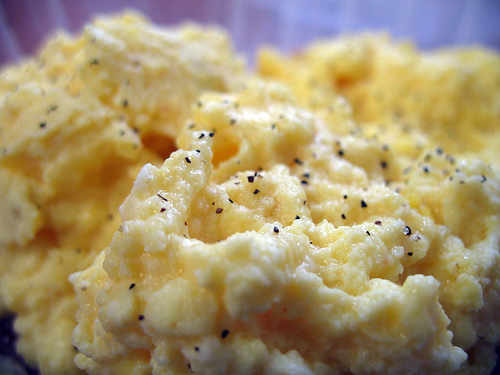
There are scrambled eggs, and then there are your mom’s scrambled eggs.
The first kind appears on hotel breakfast buffets beneath a stainless-steel lid. It is technically edible, usually yellow, and occasionally bounces when dropped. The second kind arrives on a familiar plate, smells like Saturday morning, and somehow tastes better than anything made by a chef wearing tweezers on an apron.
That is the everyday magic behind Awesome Thing #592. Your mom’s scrambled eggs may not follow a famous recipe. She might use milk, water, butter, cheese, hot sauce, or absolutely no measurable technique whatsoever. She may cook them until they are creamy and delicate, or keep them in the skillet until every molecule has signed a surrender agreement. Either way, they taste like home.
The appeal is not just about eggs. It is about memory, routine, family breakfast traditions, and the comforting feeling that somebody knows exactly how you like your morning mealeven when your order is strangely specific.
Why Your Mom’s Scrambled Eggs Taste Different
Scrambled eggs are one of the simplest dishes in American home cooking. Crack eggs into a bowl, mix them, pour them into a warm pan, and move them around until breakfast happens. Yet no two families seem to make them exactly the same way.
One household produces large, fluffy curds. Another prefers soft, custard-like folds. Some parents add a splash of milk because that is how their parents did it. Others swear by water, cream, shredded cheddar, cottage cheese, garlic powder, or a tiny amount of mustard that everyone enjoys as long as nobody reveals it is there.
Your mom’s version becomes the standard because it is usually one of the first versions you know. Before you have opinions about French omelets, farm-fresh eggs, or the thermal behavior of proteins, you learn that scrambled eggs are supposed to look, smell, and feel a particular way. That expectation follows you into adulthood.
A restaurant can serve a technically perfect plate, but perfection is not always the point. Familiarity often wins.
Culinary technique synthesized from American Egg Board, Food & Wine, Better Homes & Gardens, and Simply Recipes guidance.
The Food Science Hiding in the Frying Pan
Although scrambled eggs feel humble, the cooking process is a compact science experiment. An egg contains proteins suspended in liquid. When heat is applied, those proteins unfold and connect, changing the loose mixture into soft curds.
The hotter the pan and the longer the cooking time, the tighter that protein network becomes. This is why eggs can move quickly from moist and tender to dry and rubbery. Eggs do not understand that you were distracted by a text message. They simply continue cooking.
Low Heat Gives You More Control
Cooking over low or medium-low heat generally makes it easier to create tender scrambled eggs. Gentle heat slows the transformation, giving you time to fold the curds and remove the pan before they become overdone.
High heat is not automatically wrong. Some styles intentionally use a hotter pan to create large, airy folds quickly. However, speed narrows the margin between “beautiful breakfast” and “yellow packing material.” For most home cooks, moderate heat is more forgiving.
Residual Heat Is the Sneaky Final Ingredient
The pan remains hot after it leaves the burner, so scrambled eggs continue to firm on the way to the plate. Removing them when they still look slightly softer than your ideal texture helps prevent overcooking.
This is one reason experienced parents seem to know the exact second to turn off the stove. They are not necessarily performing calculations. They have simply cooked the same breakfast hundreds of times while simultaneously answering questions, finding missing shoes, and reminding someone that syrup is not a beverage.
Milk, Water, or Nothing?
A small splash of water can create steam and encourage a lighter texture. Milk can add softness and a mild richness when used sparingly, while cream or extra butter produces a fuller flavor. Adding too much liquid, however, may dilute the eggs or make the texture watery.
There is no universally correct choice. The best addition is the one that creates the texture your family enjoys. In other words, your mom may have been right all alongor at least confidently consistent, which is almost the same thing before 9 a.m.
A Simple Method for Homemade Scrambled Eggs
You cannot perfectly duplicate another person’s signature breakfast because part of its flavor comes from the person serving it. Still, this basic method creates soft, flavorful homemade scrambled eggs and leaves plenty of room for family customization.
Ingredients
- 4 large eggs
- 1 tablespoon water or milk, optional
- 1 tablespoon butter
- 1/4 teaspoon salt, or to taste
- Freshly ground black pepper
- Optional additions such as cheddar, chives, salsa, or hot sauce
Directions
- Crack the eggs into a bowl and beat them until the yolks and whites are fully combined.
- Whisk in salt, pepper, and a small amount of water or milk if desired.
- Melt the butter in a nonstick skillet over medium-low heat.
- Pour in the eggs and allow the bottom layer to begin setting.
- Use a flexible spatula to push the cooked egg gently toward the center, allowing uncooked egg to flow into the open areas.
- Continue folding rather than aggressively stirring until soft curds form.
- Remove the skillet from the heat just before the eggs reach your preferred texture.
- Serve immediately, ideally with toast and an unreasonable amount of confidence.
For food safety, eggs should be cooked until they are properly set rather than left visibly runny. Federal guidance recommends cooking egg dishes thoroughly, with 160 degrees Fahrenheit commonly used as the safe benchmark for dishes containing eggs. Clean utensils, cookware, counters, and hands after contact with raw egg.
Food-safety guidance synthesized from USDA FSIS, FDA, and American Egg Board resources.
The Secret Ingredient Is Repetition
Restaurant cooks often improve through repetition, and parents do too. A parent who prepares scrambled eggs every weekend develops a personal rhythm: the same bowl, the same fork, the same skillet, and the same mysterious ability to estimate butter without measuring it.
Repetition transforms a basic recipe into a family ritual. You hear the refrigerator door open. A carton lands on the counter. The fork taps against the bowl. Butter begins to foam in the pan. Toast pops up at precisely the wrong moment, requiring somebody to perform a small kitchen rescue mission.
Those details become part of the meal. Years later, the sound of eggs whisking or butter sizzling can bring back an entire room.
Why Food Memories Feel So Powerful
Taste and smell are closely connected to autobiographical memory. Research on food-evoked nostalgia suggests that familiar flavors and aromas can trigger memories that feel unusually personal, emotional, and vivid. A scent does not merely remind you that breakfast existed. It can return you to the table where you ate it.
That helps explain why your mom’s scrambled eggs can become emotionally significant even when the ingredient list is ordinary. The aroma may be linked with school mornings, holiday visits, rainy weekends, childhood kitchens, or the rare peaceful hour before the rest of the neighborhood woke up.
Comfort food is often comforting because of association rather than extravagance. The dish represents a person, place, or period when you felt cared for. Sometimes the food itself is almost beside the point. The real craving is for connection.
This is also why attempts to recreate childhood recipes can feel strangely frustrating. You may copy the ingredients exactly and still sense that something is missing. It might be the old kitchen, the chipped plate, the family conversation, or the luxury of eating breakfast without knowing what an electric bill is.
Memory and comfort-food discussion synthesized from PubMed, NIH-hosted research, TIME, Knowable Magazine, and the University of Alabama at Birmingham.
Family Breakfast Is More Than a Meal
Shared meals create opportunities for conversation, routines, and connection. They do not have to resemble cheerful television commercials. Real family breakfasts include spilled juice, burned toast, forgotten homework, conflicting schedules, and someone insisting they cannot eat eggs because one piece looks “suspicious.”
Even imperfect meals can become anchors. A regular breakfast tells family members that there is a moment when everyone pauses, sits down, and notices one another. Cooking together can also help children gain confidence, explore ingredients through their senses, and learn basic skills involving measurement, timing, planning, and cleanup.
Scrambled eggs are especially suited to this kind of learning. Children can crack eggs into a separate bowl, whisk them, sprinkle cheese, tear herbs, or operate the Official Toast Monitoring Department. The recipe is quick enough to hold their attention and flexible enough to survive a few imperfect measurements.
Most importantly, a child who helps make breakfast begins building the next version of the tradition. One day, those eggs may become “Dad’s scrambled eggs,” “Grandma’s cheesy eggs,” or “the breakfast my sister made whenever Mom worked early.” Family recipes evolve because families do.
Family-meal and cooking-with-children discussion based on American Academy of Pediatrics resources.
The Nutritional Value of a Humble Breakfast
Eggs provide high-quality protein and nutrients such as choline, B vitamins, iodine, and vitamin D. The nutritional character of the full meal depends on what joins them on the plate.
Scrambled eggs with whole-grain toast, fruit, vegetables, or beans can create a balanced and satisfying breakfast. A mountain of bacon and cheese is also breakfast, although it is perhaps better viewed as an occasional celebration rather than a legally required side dish.
Individual nutrition needs differ, particularly for people managing allergies, cholesterol concerns, or medical conditions. The larger point is that eggs are affordable, versatile, quick to prepare, and easy to combine with other foods. That practical value is part of why they appear in so many family kitchens.
Nutrition information synthesized from a peer-reviewed egg-nutrition review and evidence-based nutrition references.
Every Family Has Its Own Scrambled Egg Rules
Ask ten people how their parents cooked scrambled eggs and you may receive ten highly emotional answers.
The Fluffy Camp
These eggs have larger curds and an airy texture. They may include water or milk and are folded gently in the pan. Fluffy-egg families tend to regard flat eggs as a preventable tragedy.
The Creamy Camp
These cooks use low heat and frequent stirring to create small, soft curds. Butter may be added at the beginning, the end, or during every available stage. The final texture is rich and delicate.
The Well-Done Camp
These eggs are cooked until fully firm, sometimes with lightly browned edges. Culinary purists may complain, but nostalgia does not accept criticism from strangers with expensive pans.
The Loaded Camp
Cheese, peppers, onions, mushrooms, leftover potatoes, sausage, herbs, and salsa all enter the skillet. At a certain point, the meal may technically become an omelet, but nobody wants paperwork at breakfast.
Each version can be delicious because the emotional value comes from recognition. Your preferred texture often reflects what appeared on your childhood plate.
Experience: The Morning You Finally Understand the Eggs
You may not appreciate your mom’s scrambled eggs while you are growing up. As a child, breakfast simply appears. You sit down, eat three bites, complain that the toast was cut diagonally instead of vertically, and leave the plate on the table as if household furniture naturally absorbs dishes.
Then you move away.
One morning, in your first apartment, you decide to make scrambled eggs. The task looks easy. You have watched it happen hundreds of times. You own a skillet, a fork, and the dangerous confidence of someone who has not yet ruined breakfast.
You crack the first egg too hard. Shell fragments dive into the bowl like tiny lifeboats. You remove one piece and somehow create two more. The second egg lands partly in the bowl and partly on the counter. You begin to suspect your mother may have possessed specialized training.
You turn the burner to high because hunger has eliminated patience. Butter darkens immediately. The eggs hit the pan with a dramatic hiss, seize around the edges, and remain liquid in the center. You stir faster, believing aggression can solve chemistry.
It cannot.
Two minutes later, you are staring at a plate of dry yellow rubble. You add ketchup. Then hot sauce. Then more ketchup. Nothing helps. The eggs are not terrible enough to throw away, but they are disappointing enough to make you think about home.
You call your mom.
“How do you make your scrambled eggs?” you ask.
She responds with the least useful recipe ever recorded.
“I just make them.”
You request details. How many eggs? How much butter? What temperature? When does she add the salt? Does she use milk?
She pauses because she has never measured any of it. Her hands know the recipe better than her words do. Eventually, she explains that the pan should not be too hot, the butter should melt without burning, and the eggs should come off the stove before they look completely finished.
The next attempt is better. Not identical, but better.
Months pass. You make eggs again and again. You learn the sound butter makes when the pan is ready. You discover how much salt fits between your fingers. You stop scraping the skillet as if collecting evidence. Eventually, your eggs develop their own character.
Years later, you visit home. Your mom places breakfast in front of you on the same kind of plate you remember. The eggs are slightly firmer than you now cook them. The pepper is uneven. One corner of the toast is darker than the others.
They are perfect.
Not because they satisfy every culinary rule, but because somebody made them for you without asking for anything in return. The plate carries years of ordinary mornings you did not realize were temporary.
You take a bite and recognize the flavor immediately: butter, eggs, salt, pepper, and being known.
Conclusion: Celebrate the Ordinary Breakfast
Your mom’s scrambled eggs deserve a place among the 1000 Awesome Things because they prove that greatness does not always arrive with expensive ingredients or elaborate presentation. Sometimes greatness slides out of a scratched skillet while the coffee is still brewing.
The recipe may be simple, but the experience is layered with memory. It contains family routines, cooking habits, familiar sounds, small acts of care, and the comforting certainty that this particular plate was made by someone who already knows whether you like cheese.
Learn the method. Write it down. Cook it together. Ask questions while the person who makes your favorite version can still answer themeven if the answer is, “I don’t know, I just add enough.”
And the next time your mom makes scrambled eggs, eat them while they are hot. Compliment the chef. Take your plate to the sink.
Now that would be awesome.
SEO Metadata
Note: This original article is a research-based synthesis created for web publication and does not reproduce the wording of the original “1000 Awesome Things” entry.