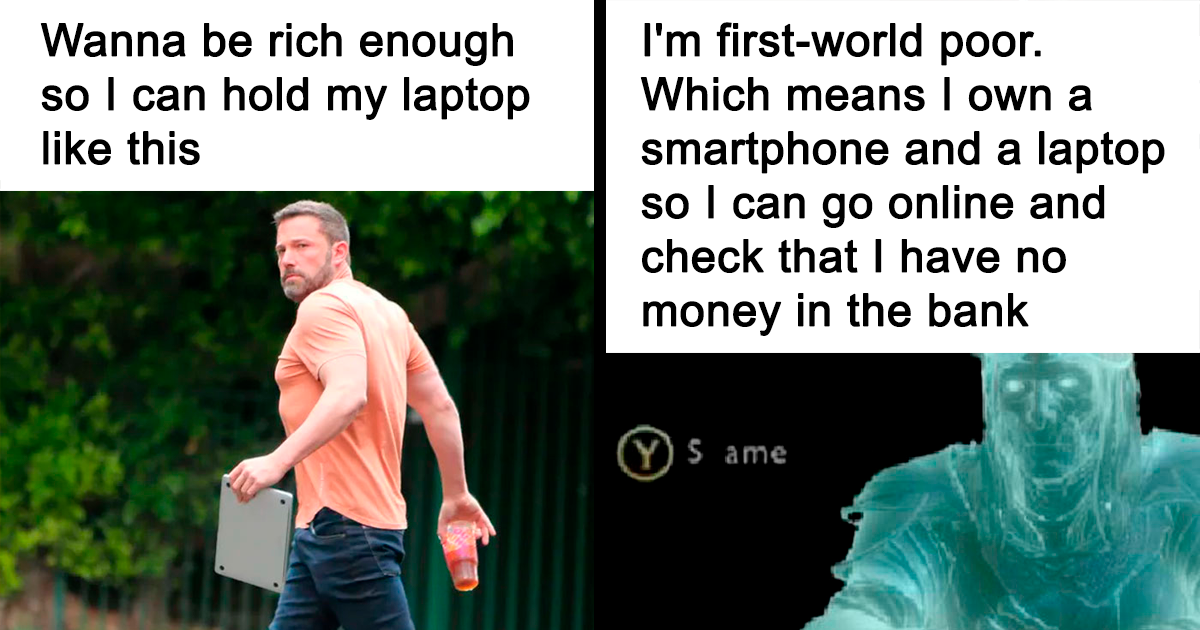
Money memes are the internet’s way of saying, “We’re all stressed, but at least we can laugh in high definition.” Whether it is payday disappearing faster than a magician with rent due, a grocery receipt looking like a phone number, or a credit card balance whispering your full government name, money humor hits because it is painfully familiar.
The best money memes are not just jokes. They are tiny financial documentaries wearing clown shoes. They capture the moment you check your bank account after ordering takeout, the spiritual crisis of choosing between saving money and buying concert tickets, and the heroic optimism of opening a budgeting app as if it will personally apologize.
In a world of rising prices, expensive housing, credit card balances, buy now, pay later temptation, and retirement goals that sound like lottery prizes, funny money memes help people process real financial pressure. They turn budgeting stress into comedy, debt anxiety into group therapy, and “I’ll start saving next month” into a national catchphrase.
Why Money Memes Are So Relatable
Money is personal, emotional, and occasionally rude. It affects where people live, what they eat, how they relax, what they delay, and how often they say, “I’m just looking” while standing in a store holding three items they absolutely intend to buy.
That is why money memes work so well. They do not need a long setup. A picture of someone smiling before payday and crying after bills says everything. A meme about budgeting with $12 left until Friday is not just comedy; it is a shared cultural experience. Everyone understands the math, even if nobody likes the answer.
Below are 50 money meme ideas and the painfully true financial habits, fears, and little victories behind them.
The 50 Funniest Money Meme Truths
Payday, Budgeting, and Bank Account Drama
- “Me on payday vs. me two hours later.” The glow-up is brief. Bills arrive like they have been waiting outside your door with a clipboard.
- “Checking my bank account after a weekend.” That is not a balance. That is a witness statement.
- “I made a budget and immediately violated it.” Budgeting is easy until snacks, subscriptions, and emotional support coffee enter the chat.
- “My bank app sending me a low-balance alert like I didn’t know.” Thank you, financial weather service. I am aware of the storm.
- “Direct deposit: here today, gone today.” Payday feels less like income and more like a layover for money traveling to landlords, lenders, and utility companies.
- “When you find $5 in an old coat.” Suddenly you are a venture capitalist with lint in your pocket.
- “Trying to save money while online shopping exists.” The budget says no. The free-shipping minimum says maybe.
- “I don’t have expensive taste; prices have expensive behavior.” Even basic items now walk around acting luxury.
- “Opening a budgeting spreadsheet like it is going to heal me.” The spreadsheet is organized. The life behind it is doing parkour.
- “When your paycheck clears and your bills clear faster.” Blink once, and your money has left the building.
Bills, Inflation, and Everyday Expenses
- “Grocery shopping used to be normal. Now it is a financial escape room.” You enter for eggs and leave questioning the economy.
- “Me comparing brands to save 38 cents.” Is this personal finance or Olympic-level decision-making? Both.
- “When rent is due and your landlord says ‘friendly reminder.’” Nothing about that reminder is friendly.
- “Gas prices looking at my weekend plans.” The car is full, but the soul is empty.
- “My utility bill after I used the air conditioner like a human being.” Comfort apparently comes with premium pricing.
- “When eating at home is cheaper, but groceries are also expensive.” The economy has created a plot twist with no hero.
- “Me pretending one subscription won’t matter.” One subscription is cute. Twelve subscriptions become a tiny financial vampire colony.
- “When the total at checkout is higher than your emotional capacity.” The cashier says the amount, and your spirit briefly leaves your body.
- “Inflation turning my old budget into historical fiction.” Once upon a time, $50 bought food and hope.
- “When you cancel a subscription and feel like a billionaire.” Congratulations, you have freed $9.99 and gained a personality trait.
Credit Cards, Debt, and Buy Now, Pay Later Regret
- “Credit card points convinced me I was winning.” The points bought a latte. The balance bought stress.
- “Minimum payment due: emotionally maximum.” It looks small until you realize it is mostly buying time.
- “Buy now, pay later? More like cry now, pay later.” Four easy payments can become four tiny calendar jump scares.
- “When your credit card statement includes purchases you forgot but still emotionally remember.” Past you had confidence. Present you has consequences.
- “Debt snowball sounds cute until you are the snowman.” Repayment strategies are useful, but the first look at the total can be dramatic.
- “When you pay off one card and another card clears its throat.” Personal finance sometimes feels like a villain with sequels.
- “I used my credit card responsibly, then life happened.” Emergencies do not care about your financial aesthetic.
- “When the bank raises your credit limit and you mistake it for affection.” That is not love. That is risk management with a smile.
- “Me calculating interest like I am decoding ancient ruins.” APR can turn a simple purchase into a long-term relationship.
- “The checkout page offering installments on socks.” We have officially reached the era of financing foot fabric.
Saving, Investing, and Retirement Panic
- “My savings account after one emergency.” It had one job, and unfortunately, it did that job.
- “Emergency fund: built slowly, destroyed instantly.” A car repair can eat six months of discipline like popcorn.
- “Me investing $20 and checking the market every 11 minutes.” Long-term investor, short-term surveillance officer.
- “Compound interest sounds magical until you start late.” The best time to start was earlier. The second-best time is after panicking responsibly.
- “Retirement calculator asking my goals like I own a yacht.” Sir, I am simply trying to afford soup at 70.
- “When your 401(k) balance moves and you suddenly become a market analyst.” One red day, and everyone becomes an economist in pajamas.
- “Saving money while friends invite you out.” The budget says stay home. The group chat says memories. Your wallet says betrayal.
- “Me transferring $25 to savings like I just saved the economy.” Small wins count. Let the ceremony begin.
- “Retirement advice: save more. Me: from where?” Helpful, but not exactly groundbreaking when the grocery bill is doing acrobatics.
- “When your future self needs money, but present self wants tacos.” This is the central conflict of modern civilization.
Social Spending, Lifestyle Creep, and Everyday Temptation
- “I’m not going out tonight. Five minutes later: what time?” Financial boundaries are strong until someone says, “Just one drink.”
- “Splitting the bill when you ordered fries and water.” Suddenly democracy feels expensive.
- “When your friend says the place is affordable.” Affordable for whom? A senator? A raccoon with a trust fund?
- “Lifestyle creep entering quietly after a raise.” You earn more, then your habits upgrade themselves without permission.
- “Me buying a planner to become financially organized.” The planner was not in the budget, but it looked responsible.
- “When you say ‘treat yourself’ for the fourth time this week.” At some point, the treat has become a salary deduction.
- “Online carts are just wish lists with emotional pressure.” The cart remembers who you wanted to be at midnight.
- “Free returns made me brave.” The phrase “risk-free” has launched many questionable purchases.
- “When your money goals meet your boredom.” Boredom shopping is the most expensive hobby nobody admits to having.
- “Trying to be financially mature while everything fun costs money.” Adulthood is budgeting for joy like it is a utility bill.
What Money Memes Reveal About Real Life
Money memes are funny because they compress real financial tension into one quick laugh. They show the gap between what people know they should do and what daily life makes difficult. Everyone understands that saving is smart, but saving becomes harder when rent, food, transportation, insurance, health care, school costs, and surprise repairs compete for the same paycheck.
They also reveal how emotionally loaded money can be. A credit card meme is not only about plastic. It is about convenience, pressure, emergencies, habits, rewards, and sometimes plain old optimism gone wrong. A retirement meme is not only about aging. It is about the strange experience of being told to prepare for a future that feels both far away and financially impatient.
Good money humor does not shame people. It points at the absurdity of the system and says, “Yes, this is a lot.” That is why the most shareable memes often focus on common experiences: the grocery total, the rent reminder, the subscription you forgot, the emergency fund that gets used the moment it finally exists, or the tiny victory of cooking at home instead of ordering delivery.
The funniest money memes also contain a quiet lesson. A joke about payday disappearing can make someone think about automatic savings. A meme about subscriptions may inspire a quick cancellation spree. A joke about buy now, pay later can remind people to look at the total cost, not just the friendly little installment. Humor lowers the guard, then the truth walks in wearing sneakers.
Real-Life Experiences That Make Money Memes Even Funnier
Almost everyone has a personal money meme moment. It might be standing in a grocery aisle comparing two jars of peanut butter like a courtroom attorney. One is 40 cents cheaper, but the other tastes better, and suddenly you are conducting a cost-benefit analysis worthy of a corporate boardroom. The final decision feels dramatic, even though the entire debate is happening under fluorescent lights next to cereal.
Another classic experience is the “I’m saving money this month” announcement. It usually begins with confidence. You delete a shopping app, cook one impressive meal, and tell yourself that this is the new era. Then life sends a birthday dinner, a car issue, a school fee, a medicine copay, a broken charger, or a friend saying, “It’s just one night.” Your savings plan does not fail loudly. It simply gets nibbled to death by small, reasonable expenses.
There is also the strange emotional roller coaster of payday. In the morning, you feel powerful. You check your account and briefly consider becoming the kind of person who owns matching storage containers. By afternoon, rent, phone, internet, insurance, loan payments, and groceries have formed a line. By evening, your paycheck has completed its tour of duty and left behind a modest souvenir balance. The meme writes itself.
Credit card experiences are another rich source of comedy. Many people have bought something small, forgot about it, then met it again on the statement like an old enemy. The purchase was harmless at the time: coffee, a delivery fee, a sale item, maybe a “necessary” gadget that is now living in a drawer. Alone, each charge looks innocent. Together, they form a financial group project you never agreed to join.
Then there is the emergency fund experience. Building one feels responsible and mature. You transfer a little money each week and begin to feel peaceful. Then a tire goes flat, a laptop breaks, a pet needs care, or an appliance decides retirement sounds nice. The emergency fund disappears, and while that is frustrating, it also proves the fund worked. That is the joke and the lesson: the money did not vanish; it protected you from worse chaos.
Money memes also capture the social side of spending. Saying no to plans can feel awkward, especially when everyone else seems relaxed about prices. Splitting a bill evenly when you ordered the cheapest thing on the menu is a universal test of inner calm. So is watching someone suggest “a casual place” where the appetizers cost more than your planned dinner budget. These moments are funny because they reveal how money affects friendships, confidence, and communication.
The best experience behind all these memes is the shared relief of realizing you are not the only one. Plenty of people are trying to budget, save, invest, pay down debt, enjoy life, and avoid checking their bank balance with one eye closed. Money memes turn private stress into public laughter. They do not fix the problem, but they make it feel less lonely. Sometimes that laugh is the little reset people need before opening the spreadsheet again.
Conclusion: Laughing at Money Stress Without Ignoring It
Money memes are funny because they are honest. They make jokes about payday, debt, inflation, budgeting, saving, investing, and social spending because those topics shape everyday life. The humor works because it says what many people are thinking: managing money can be confusing, stressful, and weirdly dramatic, even when you are doing your best.
Still, the smartest money memes do more than entertain. They remind us to notice patterns. If a joke about subscriptions feels too personal, maybe it is time to audit them. If a meme about credit card interest hits hard, maybe it is time to make a payoff plan. If every payday meme feels like a biography, maybe the budget needs a fresh look. Laugh first, then learn. That is the money meme formula.
In the end, financial humor is not about pretending money problems are easy. It is about making them easier to talk about. And if one meme helps someone cancel a forgotten subscription, start an emergency fund, or think twice before financing socks, then the internet has done at least one responsible thing today.
Note: This article discusses money meme themes and original commentary. It does not reproduce copyrighted meme images or copied meme collections.