Being a good neighbor does not require baking a flawless apple pie, owning a suspiciously powerful snowblower, or knowing everybody’s birthday. Most of the time, it means being friendly without becoming intrusive, considerate without keeping score, and helpful without arriving at someone’s door like an unpaid life coach.
Whether you spell it neighbor or neighbour, the principle is the same: the people living nearby affect your everyday comfort, safety, and sense of belonging. A quick greeting can make a new resident feel welcome. A warning before a noisy party can prevent an argument. A small favor during an emergency can become the story a family remembers for years.
These relationships may even influence well-being. The Centers for Disease Control and Prevention explains that meaningful social connections can support physical health, mental health, stress management, and a stronger sense of belonging. The U.S. Surgeon General has similarly emphasized that social connection contributes to healthier individuals and more resilient communities.
Fortunately, you do not have to transform your street into a television sitcom where everyone walks into everyone else’s kitchen without knocking. The following four ways to be a good neighbour are practical, respectful, and suitable for houses, apartments, condos, dormitories, and other shared living environments.
1. Build a Friendly Connection Without Invading Privacy
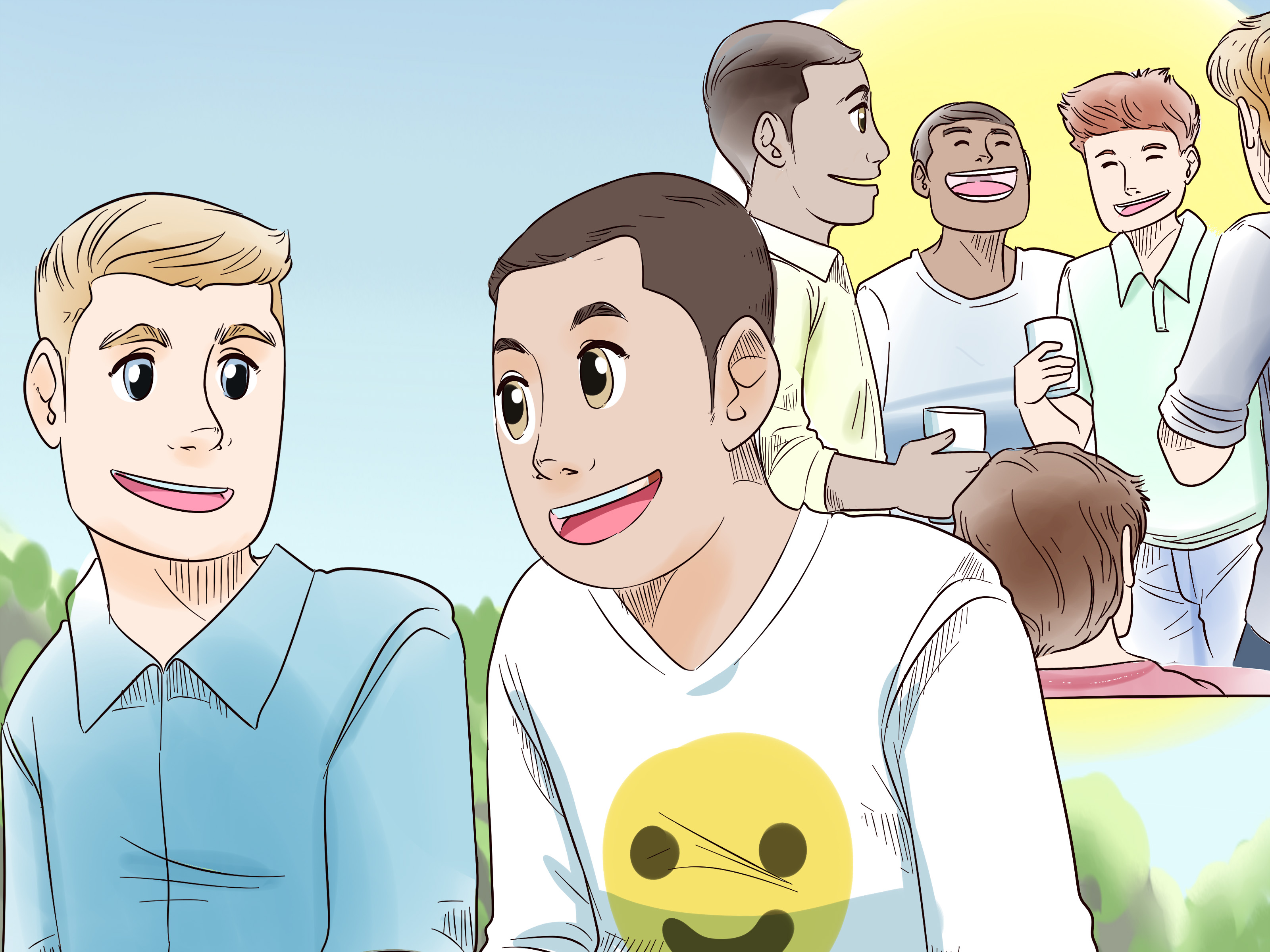
The first step toward becoming a good neighbor is wonderfully uncomplicated: acknowledge that other people exist.
Smile. Wave. Say hello in the hallway. Introduce yourself when someone moves in. These gestures may seem small, but they create familiarity. Familiarity makes future conversations easier, whether you are discussing a missing package, a fallen tree branch, or the mysterious trash can that has been wandering between driveways for three days.
Emily Post’s neighborly etiquette guidance recommends greeting neighbors, having occasional conversations, and paying attention to signals that someone needs to continue with their day. In other words, be warm, but do not turn a thirty-second mailbox greeting into an unauthorized podcast interview.
Make the First Introduction Easy
A simple introduction is enough:
“Hi, I’m Jordan. I live two doors down. Welcome to the neighborhood. Please let me know if you need the trash schedule or recommendations for nearby services.”
You can share a phone number when it feels appropriate, particularly if you live in a building where residents may need to contact one another about deliveries, parking, water leaks, or emergencies. There is no obligation to become best friends. The goal is to establish a comfortable line of communication.
Respect Different Social Styles
Some neighbors will gladly discuss gardening for forty minutes. Others prefer one polite nod every six months. Neither person is necessarily unfriendly.
A good neighbour notices boundaries. Do not repeatedly drop by without warning, pressure people to attend social events, ask overly personal questions, or assume that a friendly conversation gives you unlimited access to someone’s time. Privacy is especially important in apartment buildings, where physical proximity does not automatically create emotional intimacy.
Create Low-Pressure Opportunities to Connect
Community does not need to begin with a twelve-committee neighborhood festival. Start small:
- Invite nearby residents to a casual porch coffee.
- Organize a short weekend cleanup.
- Share extra garden produce.
- Welcome a new household with a note containing useful local information.
- Start a walking group that people can join whenever convenient.
HHS resources highlight simple gatherings, including neighborhood meals and block events, as opportunities to strengthen social connection. AARP also recommends walking groups and community activities as accessible ways for residents to meet and support one another.
2. Respect Shared Space, Peace, and Everyday Rules
Friendliness is valuable, but consideration is what keeps neighborhood relationships functioning on an ordinary Tuesday.
A good neighbor understands that sound, light, smells, pets, vehicles, trees, and trash have an impressive ability to cross property lines. Your favorite playlist may be excellent, but at 1:30 a.m. it becomes an involuntary subscription service.
Control Noise Before It Controls Your Reputation
Follow local quiet-hour rules and use extra care during early mornings and late evenings. Keep music, televisions, power tools, outdoor gatherings, and vehicle noise at reasonable levels. In shared buildings, remember that footsteps, furniture movement, exercise equipment, and enthusiastic indoor bowling experiments may be clearly audible below you.
If you are planning a party, renovation, or other unusually noisy activity, notify nearby residents in advance. Include the expected start and end times and provide a way to contact you. A warning does not create permission to produce unlimited noise, but it demonstrates consideration.
The Environmental Protection Agency recognizes excessive noise as a public health and welfare concern, while noting that most community-noise regulation is handled by state and local authorities. That makes local ordinances, lease terms, and association rules especially important.
Manage Pets Responsibly
Your dog may be a beloved family member, gifted emotional-support specialist, and undefeated household crumb detector. Your neighbor, however, should not have to manage its barking, waste, roaming, or unexpected visits.
Keep pets appropriately supervised, use leashes where required, clean up waste, maintain secure fencing, and address repeated barking. The American Kennel Club identifies waste cleanup and barking control as basic parts of responsible dog ownership and good community behavior.
Also remember that not everyone is comfortable around animals. Do not allow a dog to jump on someone while cheerfully shouting, “Don’t worry, he’s friendly!” The dog may be friendly; the muddy paw prints are less diplomatic.
Keep Your Property From Becoming a Group Project
Maintain the areas that affect other residents. Secure loose trash, trim vegetation that blocks sidewalks, remove dangerous debris, follow parking rules, and avoid placing personal belongings in shared corridors or entrances.
Be thoughtful with outdoor lighting. Security lighting should illuminate your property rather than shining directly into a neighbor’s bedroom like an interrogation lamp. Place garbage containers where they belong, retrieve them promptly, and follow community rules for large-item disposal.
These habits are not about achieving magazine-cover perfection. They are about preventing your choices from creating extra work, danger, or inconvenience for everyone nearby.
3. Offer Practical Help and Contribute to the Community
A friendly wave begins a relationship. Dependability strengthens it.
Good neighbors notice reasonable opportunities to help. They may carry a package out of the rain, share emergency information, lend a basic tool, bring in a trash container during a storm, or check on an older resident during extreme weather.
The key word is reasonable. Helping does not mean becoming the neighborhood’s free moving company, mechanic, childcare provider, and technical-support department. Sustainable neighborliness includes healthy boundaries.
Offer Specific Assistance
“Let me know if you need anything” is kind but vague. A specific offer is easier to accept:
- “I’m going to the grocery store this afternoon. May I pick up anything essential?”
- “I noticed your package is outside. Would you like me to hold it until you return?”
- “We’re clearing snow from our sidewalk. I can continue past your entrance.”
- “I have a ladder you may borrow this weekend.”
When lending something, agree on when it should be returned. When borrowing, return it promptly, clean, and in equal or better condition. A borrowed lawn mower should not come home looking as though it fought a bear.
Prepare to Help During Emergencies
Neighbor relationships become particularly valuable during storms, fires, power outages, heat waves, and other emergencies. Ready.gov recommends discussing emergency cooperation with neighbors, including whether anyone has specialized skills or equipment. The American Red Cross also encourages peopleespecially older adults and residents with access or functional needsto create support networks that may include trusted neighbors.
Useful preparation can include:
- Exchanging emergency contact details.
- Learning who may need assistance evacuating.
- Knowing which households have infants, older adults, or essential medical equipment.
- Agreeing to check on one another after severe weather.
- Sharing information about shelters and evacuation routes.
Always ask before assuming someone needs help. Respect medical privacy and personal independence. The goal is to make assistance available, not to take control.
Participate Without Playing Neighborhood Sheriff
Report genuine hazards or suspicious activity through appropriate channels, but do not treat unfamiliar residents, visitors, workers, or teenagers as automatic threats.
The National Crime Prevention Council describes neighborhood-watch participants as observant and caringnot vigilantes or replacements for law enforcement. Its guidance also encourages residents to work together to keep neighborhoods orderly and look out for vulnerable community members.
A safer community is built through awareness, cooperation, and accurate reporting, not rumor, profiling, or dramatic posts written in all capital letters.
4. Address Problems Early, Calmly, and Directly
Even excellent neighbors occasionally irritate one another. A hedge grows too far. A parking space becomes contested. A dog develops a passionate interest in barking at sunrise. Conflict does not automatically mean the relationship is ruined.
The way you raise the issue often matters as much as the issue itself.
Begin With a Polite Conversation
When it is safe to do so, speak privately and calmly. Avoid confronting someone while angry, in front of an audience, or during the disruptive activity itself if emotions are already high.
Use neutral language focused on the effect:
“I wanted to mention that the music has been carrying into our bedroom after midnight. Would you be able to lower it after 10 p.m.?”
This is more productive than:
“You people are always making ridiculous noise.”
The first version describes a specific problem and requests a realistic change. The second version invites a defensive argument and possibly a starring role in the next homeowners’ association newsletter.
Listen Before Assuming Intent
Your neighbor may not know that the sound travels, a tree is dropping branches into your yard, or a visitor has repeatedly used your parking space. Explain what you have observed, then allow the other person to respond.
A useful conversation should answer four questions:
- What exactly is happening?
- How is it affecting someone?
- What reasonable change is being requested?
- When will both parties review whether the solution worked?
Emily Post’s guidance on neighbor concerns recommends clear, honest communication and a polite initial conversation before escalating through formal channels when appropriate.
Escalate Responsibly When Necessary
Some issues cannot be solved through direct conversation. Contact a landlord, property manager, homeowners’ association, animal-control office, code-enforcement department, mediation service, or other appropriate authority when necessary.
Keep factual records of repeated incidents, including dates, times, photographs, written communication, and relevant rules. Do not exaggerate or recruit half the neighborhood into a gossip campaign.
For persistent disputes, mediation can help both sides discuss the issue with a neutral third party. The U.S. Department of Justice and HUD have recognized mediation and other alternative dispute-resolution procedures as useful options in appropriate housing conflicts, particularly when litigation would be expensive and time-consuming.
Threats, violence, harassment, discrimination, dangerous behavior, suspected abuse, or urgent safety risks should not be handled as ordinary etiquette disagreements. Contact the relevant emergency service, law-enforcement agency, housing authority, or professional resource.
Why Being a Good Neighbor Is Worth the Effort
Neighborliness is not a performance. You do not need to win an award, distribute homemade bread every Friday, or patrol the sidewalk wearing a sash labeled “Community Morale Officer.”
The real benefits are quieter and more useful. Familiar neighbors can exchange important information, notice hazards, support one another during emergencies, and solve minor problems before they become expensive disputes. Social connection also creates a stronger sense of belonging, which public-health organizations associate with individual and community well-being.
Good relationships are built through repeated ordinary choices: greeting people, controlling unnecessary noise, keeping shared areas usable, respecting boundaries, offering manageable assistance, and discussing problems honestly.
You may never become close friends with the person next door. That is perfectly fine. A successful neighborhood does not require constant togetherness. It requires enough mutual respect that everyone can feel comfortable, safe, and at home.
Real-Life Experiences: What Good Neighboring Looks Like in Practice
The most useful lessons about being a good neighbour often come from everyday situations rather than grand acts of generosity. Consider a resident who moved into an apartment building without knowing anyone. During the first week, a neighbor introduced herself in the elevator, explained the recycling schedule, and mentioned that deliveries were sometimes left near a side entrance. The conversation took less than two minutes, yet it immediately made the building feel less anonymous.
A month later, that small connection became unexpectedly useful. A water stain appeared on the new resident’s ceiling. Because the two neighbors had already exchanged contact information, they could quickly determine that a pipe beneath the upstairs sink was leaking. The building manager was contacted before significant damage occurred. No dramatic rescue was requiredjust a greeting, a phone number, and enough trust to communicate quickly.
Another common lesson involves noise. One household planned a backyard birthday party with music and several guests. Instead of hoping nearby residents would tolerate it, the hosts spoke with them beforehand, explained that the gathering would end by 9:30 p.m., and provided a phone number. They also moved the speakers away from neighboring bedrooms.
One neighbor had a baby whose bedtime began at 8 p.m. The hosts lowered the music earlier than planned on that side of the yard. The party still succeeded, the baby slept, and no one spent the following morning writing an angry message about “certain inconsiderate people.” Advance communication transformed a potential conflict into a simple scheduling adjustment.
Practical support can be equally modest. During a severe storm, a resident noticed that an older neighbor’s trash containers had blown into the road. He moved them to a protected area and checked whether she had working flashlights. She did not need further assistance, but appreciated being asked. Several months later, she noticed a package sitting outside his house while he was traveling and offered to store it safely. Neither favor created a debt. Each person simply responded when a manageable need appeared.
Pet ownership provides another useful example. A family adopted a young dog that barked whenever people walked past the fence. Rather than dismissing complaints with “dogs bark,” the owners spoke with their nearest neighbors, apologized, and worked on training. They blocked the dog’s view of the sidewalk, increased exercise, and brought it inside during early mornings.
The barking did not disappear overnight, but the visible effort mattered. Neighbors became more patient because the owners acknowledged the problem and shared what they were doing. Responsibility did more to preserve goodwill than pretending the disturbance did not exist.
Finally, consider a dispute over a tree whose branches extended across a property line. The affected homeowner initially felt tempted to cut everything back without discussion. Instead, both households examined the tree together and obtained advice from a qualified professional. They agreed on appropriate trimming and divided the cost because the work benefited both properties.
The experience demonstrated an important principle: a neighbor problem does not need a winner and a loser. Sometimes the best outcome is a practical agreement that protects both homes and allows everyone to return to the far more important business of peacefully ignoring one another’s choice of lawn decorations.
Across all these experiences, the same pattern appears. Good neighbors communicate before resentment grows, take responsibility for their impact, offer help without controlling others, and leave room for different personalities. The gestures may be small, but repeated small gestures are precisely how trust develops.
Conclusion
Learning how to be a good neighbour comes down to four habits: create a friendly connection, respect shared space, provide practical support, and address disagreements calmly. None requires extraordinary charm or unlimited free time.
Start with one manageable action. Introduce yourself to someone new. Turn down outdoor music earlier. Pick up litter near a shared walkway. Check on a neighbor during severe weather. Discuss a minor concern before it becomes a major grievance.
A better neighborhood is rarely created by one spectacular event. It grows through hundreds of considerate decisions made by ordinary people who understand that home does not stop at the front door.