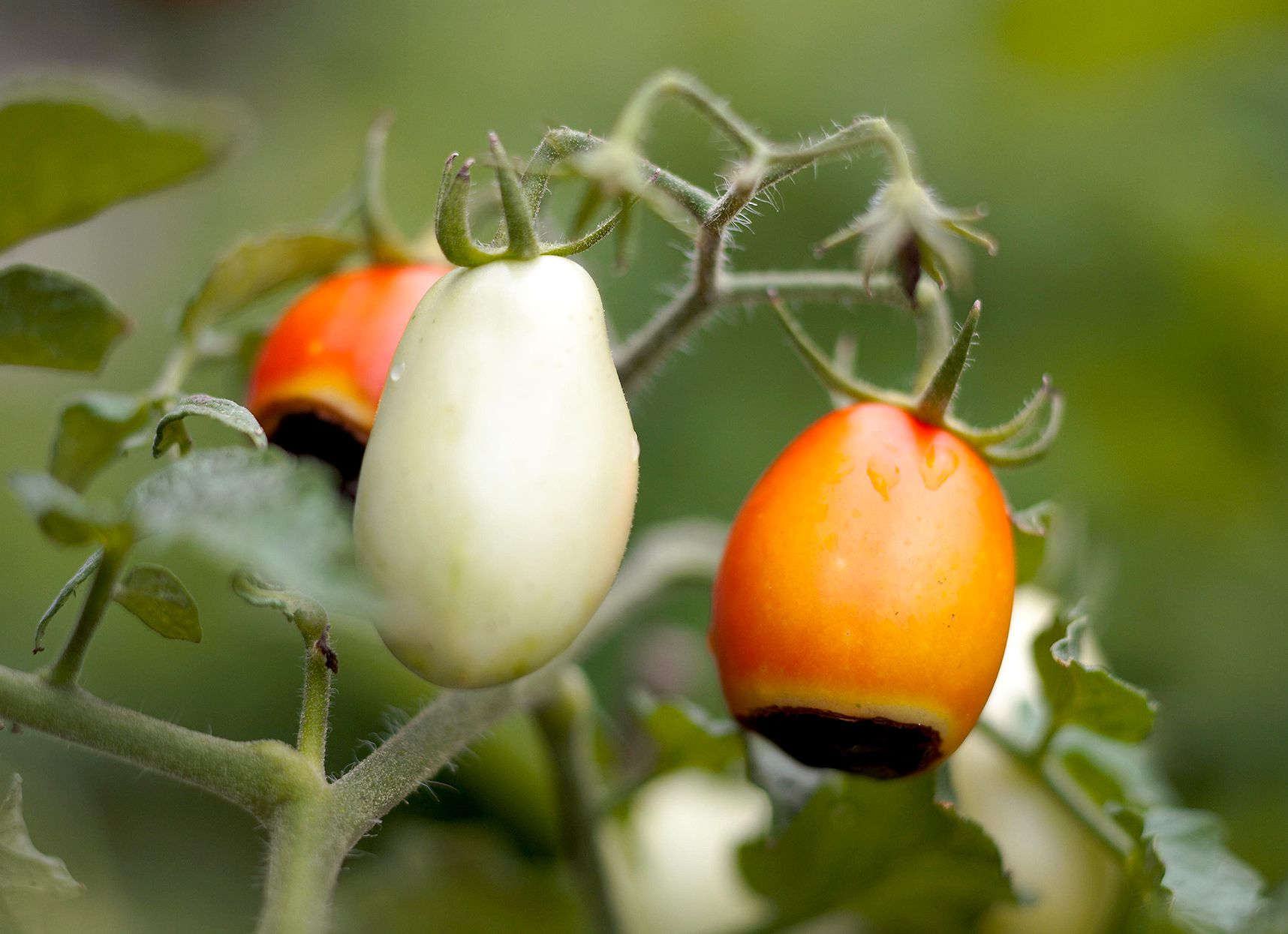
There are few gardening heartbreaks more dramatic than walking outside, admiring a plump tomato that looked perfect yesterday, turning it over, and discovering a dark, sunken spot on the bottom. Suddenly, your future BLT has the personality of a wet cardboard box. This problem is commonly called blossom-end rot, and while the name sounds like a villain from a garden-themed superhero movie, it is not a contagious disease. It is a physiological disorder, usually tied to calcium movement inside the plant, inconsistent watering, stressed roots, and overly enthusiastic fertilizing.
The good news? Tomato rot prevention is very doable. You do not need a chemistry degree, a greenhouse, or a tiny motivational speaker for each tomato plant. You need steady moisture, healthy soil, careful feeding, and smart garden habits that keep fruit and roots out of trouble. In this guide, we will break down 4 easy ways to prevent tomato rot before it steals your harvest, plus practical real-garden experience you can use whether you grow tomatoes in raised beds, containers, grow bags, or a backyard patch that started as “just one plant” and somehow became a salsa factory.
What Is Tomato Rot, Really?
When most home gardeners talk about “tomato rot,” they are usually describing blossom-end rot. It appears as a tan, brown, or black leathery patch on the blossom end of the fruitthe bottom, opposite the stem. It often shows up when tomatoes are still green and expanding. Large slicing tomatoes, paste tomatoes, and early fruit clusters tend to be hit harder than tiny cherry tomatoes.
Here is the twist: blossom-end rot is not always caused by a lack of calcium in the soil. In many gardens, calcium is present, but the plant cannot move enough of it into the developing fruit. Calcium travels with water through the plant, so anything that interrupts water movement can trigger trouble. Dry soil followed by heavy watering, damaged roots, hot weather, rapid growth, poor drainage, and too much nitrogen fertilizer can all contribute.
Other tomato problems can also lead to fruit loss, including cracking, anthracnose, sunscald, bacterial spot, and rotting where fruit touches wet soil. Fortunately, the same prevention habitssteady watering, mulch, soil testing, proper spacing, and clean garden managementhelp reduce several of these issues at once.
1. Water Deeply and Consistently
If tomato plants could write angry notes, most blossom-end rot complaints would begin with: “Dear gardener, pick a watering schedule and stick with it.” Tomatoes dislike dramatic moisture swings. Letting the soil dry out completely and then flooding it can disrupt calcium movement and lead to dark, sunken spots on developing fruit.
How Much Water Do Tomatoes Need?
A mature tomato plant often needs deep watering at least once per week, and more often during hot, dry weather or when grown in containers. The exact amount depends on your soil, temperature, rainfall, plant size, and whether mulch is used. Sandy soil dries faster than clay soil. Containers dry faster than raised beds. A tomato in a black grow bag on a 95-degree afternoon is basically living in a sauna with leaves.
The goal is not soggy soil. The goal is evenly moist soil. Push your finger a couple of inches into the soil near the root zone. If it is dry at that depth, water slowly and deeply. A quick splash on the surface does not help much. Tomato roots need moisture below the top crust, not a decorative rinse.
Best Watering Practices
Water at the base of the plant instead of spraying the leaves. This keeps moisture where the roots need it and helps reduce leaf diseases that spread through splashing water. Drip irrigation, soaker hoses, or a slow watering wand are excellent tools. If you use a watering can, pour slowly and let the water soak in instead of racing away like it has somewhere better to be.
Morning watering is usually best because plants have time to dry before evening. Wet foliage overnight can encourage disease, especially in humid climates. If your garden gets a soaking rain, wait before watering again; tomatoes want consistency, not swamp life.
2. Mulch Like You Mean It
Mulch is one of the easiest tomato rot prevention tools, and it does not require fancy equipment. A 2- to 3-inch layer of organic mulch helps keep soil moisture steady, reduces weed competition, protects shallow roots, and limits soil splash onto leaves and fruit. In other words, mulch is the quiet overachiever of the tomato garden.
Best Mulch Options for Tomatoes
Good tomato mulches include straw, shredded leaves, untreated grass clippings, compost, pine needles, and clean wood chips. Straw is popular because it is light, easy to spread, and keeps fruit from resting directly on wet soil. Shredded leaves are excellent if you have them available, and compost adds a tidy, nutrient-friendly layer while improving soil structure over time.
Avoid piling mulch directly against the tomato stem. Leave a small breathing space around the base to prevent excess moisture against the stem. Think of it like a scarf, not a chokehold.
Why Mulch Helps Prevent Blossom-End Rot
Mulch slows evaporation, which helps prevent the dry-wet-dry cycle that makes calcium movement unreliable. It also protects roots from temperature extremes. Healthy roots are essential because calcium enters the plant through active root growth and moves with water. When roots are damaged by drought, cultivation, heat stress, or poor aeration, fruit quality can suffer.
Mulch also reduces splashing soil, which matters because many tomato diseases survive in plant debris or soil and can spread onto lower leaves during rain or overhead watering. Cleaner plants are less stressed plants, and less stressed plants are better at producing smooth, healthy fruit.
3. Test Your Soil Before Adding Calcium
When gardeners see blossom-end rot, the internet often screams, “Add eggshells!” Then someone else shouts, “Use Epsom salt!” Then a third person appears holding a banana peel and a moon-phase calendar. Let us gently return to reality: the smartest first step is a soil test.
Blossom-end rot can happen even when soil calcium is adequate. The issue is often calcium uptake, not calcium supply. Still, soil pH and nutrient balance matter. Tomatoes generally perform well in slightly acidic to near-neutral soil, often around the 6.3 to 6.8 range. If pH is too low or nutrients are out of balance, the plant may struggle to access what it needs.
Use Gypsum or Lime Only When Appropriate
If a soil test shows low calcium but the pH is already in a good range, gypsum may be useful because it adds calcium without significantly raising soil pH. If the soil is too acidic, lime may help raise pH and add calcium, depending on the product. But guessing can create new problems. Adding the wrong amendment is like fixing a squeaky door with pancake syrup: technically an action, not necessarily a solution.
For containers, use a high-quality potting mix and refresh it each season. Old container mix can become compacted, depleted, or uneven in moisture retention. If you reuse potting mix, blend in compost and consider a balanced fertilizer according to label directions.
Do Not Overdo Nitrogen
Too much nitrogen encourages fast leafy growth, which may look impressive but can increase blossom-end rot risk. A tomato plant that is all leaves and no balance is basically wearing a green tuxedo to a fruit-production job interview. Choose fertilizers designed for tomatoes or vegetables, and follow the label. Avoid heavy applications of high-nitrogen fertilizers such as urea unless a soil test specifically supports that choice.
Also be cautious with Epsom salt. It contains magnesium sulfate, not calcium. Unless a soil test shows a magnesium deficiency, adding Epsom salt may not help and can contribute to nutrient imbalance. Tomatoes do not need garden folklore; they need good soil chemistry and steady care.
4. Keep Plants Healthy, Supported, and Clean
Tomato rot prevention is not only about calcium and water. Plant health matters from the ground up. A strong, well-spaced tomato plant with good airflow, clean lower leaves, and supported fruit is much less likely to turn into a humid jungle of disappointment.
Space and Support Your Plants
Give tomato plants enough room for airflow. Crowded plants stay damp longer after rain and are more vulnerable to disease. Use cages, stakes, trellises, or Florida weave support to keep vines upright and fruit off the soil. Fruit that rests on wet ground is more likely to rot, crack, or become a snack bar for slugs and insects.
For indeterminate tomatoes, remove some suckers and lower leaves to improve airflow, but avoid extreme pruning. Over-pruned plants can expose fruit to sunscald, which creates pale damaged areas that may later break down. Keep enough foliage to shade developing tomatoes while still allowing air to move.
Protect the Roots
Tomato roots are more delicate than many gardeners realize. Deep hoeing near the plant can damage feeder roots and interfere with water and calcium uptake. Pull weeds gently or use mulch to suppress them. If you must cultivate, stay shallow and keep tools away from the main root zone.
Good drainage is just as important as good watering. Waterlogged soil reduces oxygen around the roots and can contribute to root stress. If your garden soil stays soggy, consider raised beds or large containers with drainage holes. Tomatoes appreciate water, but they do not want to live in a bathtub.
Remove Damaged Fruit Promptly
Once a tomato has blossom-end rot, that damaged area will not heal into a perfect fruit. Remove affected tomatoes so the plant can redirect energy to healthy fruit. This is not giving up; it is garden triage. If only a small portion is affected and the rest is sound, some gardeners cut away the damaged area after harvest, but severely rotted fruit should be discarded.
Pick fruit before it becomes overripe, especially during wet weather. Overripe tomatoes are more vulnerable to anthracnose and other fruit rots. Many tomatoes can be harvested at the breaker stage, when the first blush of color appears, and finished indoors at room temperature. This can reduce cracking, pest damage, and weather-related rot while still giving you flavorful tomatoes.
Common Mistakes That Make Tomato Rot Worse
Mistake 1: Watering a Little Every Day
Daily surface watering may keep the top of the soil damp while deeper roots remain thirsty. Deep watering encourages a stronger root system and more reliable moisture. Check the soil before watering instead of following a rigid calendar that ignores weather.
Mistake 2: Adding Random Supplements
Crushed eggshells break down slowly. They are fine in compost, but they are not a quick fix for fruit already showing blossom-end rot. Epsom salt is not a calcium source. Calcium sprays may offer temporary help in some cases, but they are not a replacement for consistent watering and good soil management.
Mistake 3: Letting Containers Dry Out
Container tomatoes are especially prone to moisture swings. Use large containers, high-quality potting mix, mulch on top, and consistent watering. Small pots may look cute in May and become tiny ovens by July.
Mistake 4: Ignoring the First Signs
If you see one tomato with a dark blossom-end spot, adjust your watering immediately, check mulch depth, and remove affected fruit. Later fruit may develop normally once the plant is no longer stressed.
Quick Checklist: 4 Easy Ways to Prevent Tomato Rot
- Water consistently: Keep soil evenly moist, especially during flowering and fruit development.
- Mulch well: Use straw, shredded leaves, compost, or other clean organic mulch to reduce moisture swings.
- Test soil: Check pH and nutrient levels before adding calcium, lime, gypsum, or fertilizer.
- Grow clean and supported plants: Stake or cage tomatoes, improve airflow, avoid root damage, and remove damaged fruit.
Experience-Based Tips: What Actually Works in the Garden
After growing tomatoes in raised beds, containers, and the classic “I found one sunny corner, let’s see what happens” backyard setup, one lesson stands out: preventing tomato rot is less about dramatic rescue treatments and more about boring consistency. Boring, in this case, is beautiful. Boring gives you tomatoes.
The biggest improvement often comes from watering deeply before the plant looks stressed. Waiting until tomato leaves droop like sad little umbrellas may be too late during fruit development. A simple routine works well: check the soil every morning during hot weather, especially around container plants. If the top 2 inches are dry, water slowly until moisture reaches the deeper root zone. For containers, water until excess drains from the bottom, then let the mix breathe before watering again.
Mulch has also proven to be one of the best low-effort habits. In one raised bed, tomatoes grown without mulch developed more cracking and a few blossom-end rot spots after a hot, dry week followed by heavy rain. In the mulched bed, soil stayed cooler and more even. The plants looked less dramatic, which is exactly what you want from tomatoes. Drama belongs in reality TV, not in the root zone.
Another practical lesson: large paste tomatoes and big slicers often need closer attention than cherry tomatoes. Cherry tomatoes seem to laugh at chaos and keep producing bowls of fruit while the larger varieties complain about moisture, heat, fertilizer, and possibly your tone of voice. If your garden has a history of blossom-end rot, grow at least one reliable cherry or grape tomato as harvest insurance while you improve conditions for larger varieties.
Containers need special care. A five-gallon bucket can grow a tomato, but a larger container is usually easier to manage because it holds moisture more evenly. Grow bags are useful, but they dry out quickly in wind and heat. Adding mulch to the top of the potting mix makes a noticeable difference. So does moving containers where they receive morning sun and some late-afternoon relief in extremely hot climates.
Fertilizer is another area where less panic helps. Many gardeners feed tomatoes heavily as soon as they see flowers, hoping for giant fruit. But too much nitrogen can push leafy growth and stress the fruiting balance. A tomato-specific fertilizer or compost-based feeding plan, used modestly, often works better than constant “boosting.” If a plant is dark green, huge, and producing few tomatoes, it may not be hungry; it may be overfed.
Finally, removing damaged fruit quickly is worth the tiny emotional sting. Do not leave rotting fruit on the plant hoping it will heal. It will not. Pull it, toss it, adjust your care, and watch the next fruit clusters. Many gardeners see blossom-end rot on the first tomatoes of the season and then harvest clean fruit later once watering becomes more consistent and the plant matures.
The best tomato harvests usually come from steady habits: water before crisis, mulch before heat waves, test soil before adding amendments, and support plants before they collapse into a leafy spaghetti pile. Do those four things, and your tomatoes have a much better chance of reaching the kitchen instead of becoming compost with ambition.
Conclusion
Tomato rot can feel like a harvest disaster, but it is often preventable with simple, consistent care. Blossom-end rot usually points to stress in calcium movement, not necessarily a soil calcium shortage. The most effective solutions are practical: water deeply and evenly, mulch to stabilize soil moisture, test soil before adding amendments, avoid excessive nitrogen, protect roots, support plants, and remove damaged fruit quickly.
Think of tomato care as a rhythm, not a rescue mission. When plants receive steady moisture, balanced nutrition, healthy airflow, and clean growing conditions, they are far more likely to reward you with smooth, juicy fruit. And that means fewer sad tomatoes, fewer garden tantrums, and more summer meals that taste like you absolutely know what you are doing.