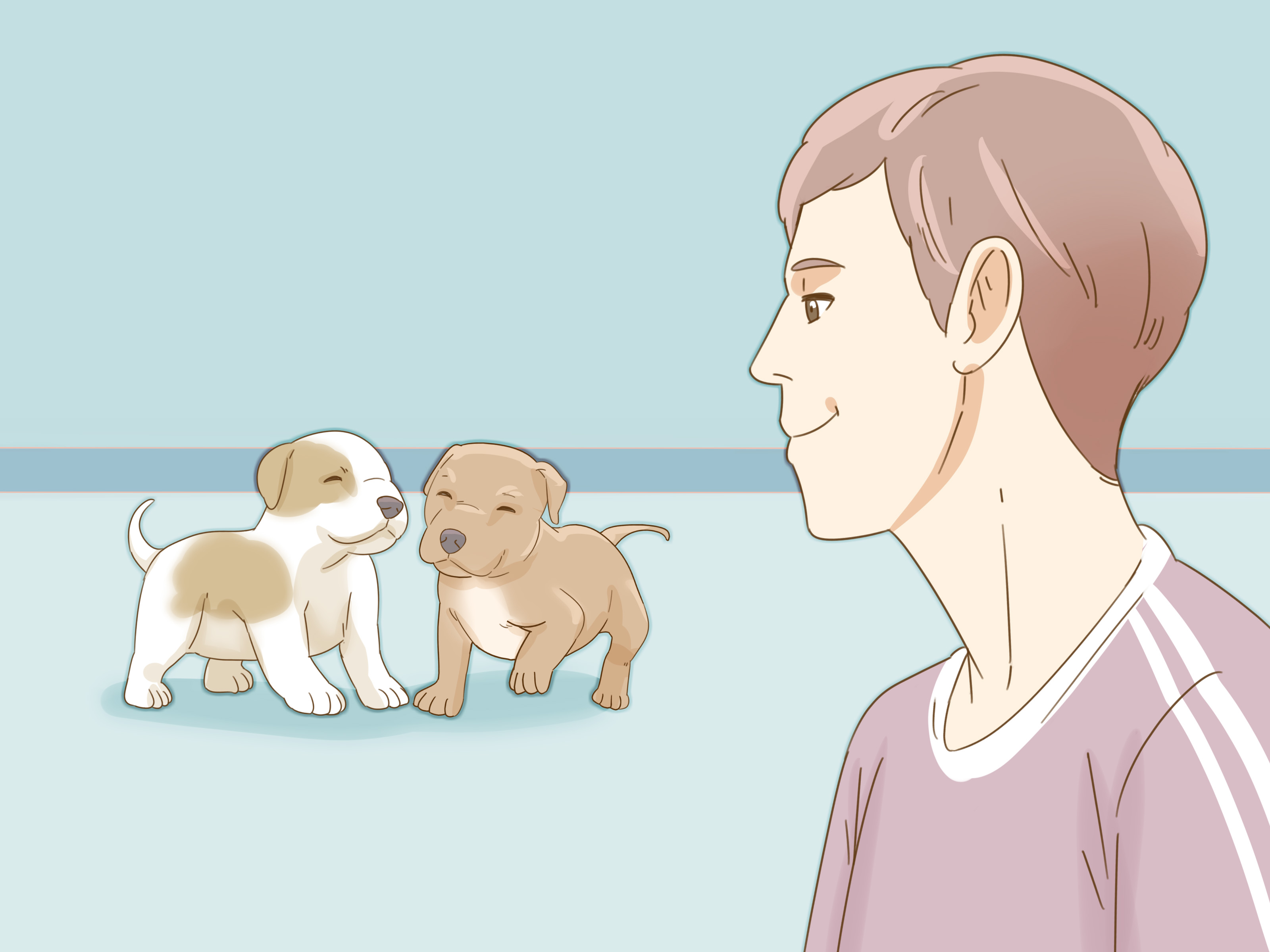
Bringing home a pitbull puppy is a little like adopting a furry personal trainer, comedian, and tiny demolition expert all in one wiggly package. One minute your puppy is snoring like a lawn mower under the coffee table, and the next minute they are proudly carrying your sock as if they just won Best in Show. Cute? Absolutely. Low effort? Not even close.
The good news is that caring for a pitbull puppy does not require magic. It requires structure, patience, good veterinary care, positive training, and enough chew toys to make your living room look like a pet-store clearance aisle. “Pitbull” is often used to describe several pit bull-type dogs and mixes, including American Pit Bull Terriers, American Staffordshire Terriers, Staffordshire Bull Terriers, and similar blocky-headed charm machines. While every puppy is an individual, many pit bull-type puppies are energetic, people-oriented, athletic, intelligent, and highly motivated by food, toys, praise, and being included in family life.
This guide breaks puppy care into three practical areas: health and nutrition, training and socialization, and daily exercise with responsible management. Master these three, and you will give your puppy the foundation to grow into a confident, well-mannered adult dog who knows the difference between a chew toy and your favorite sandals. Mostly.
Way 1: Build a Healthy Foundation From Day One
The first way to take care of a pitbull puppy is to make health boringin the best possible way. A healthy puppy routine should be predictable, preventive, and consistent. Your goal is not to wait until something goes wrong. Your goal is to create a lifestyle where your puppy’s body, brain, teeth, tummy, and immune system all get the support they need before trouble starts barking at the door.
Schedule a Veterinary Visit Early
Book your puppy’s first veterinary appointment as soon as possible after bringing them home. Even if your puppy seems bright-eyed and ready to audition for a dog food commercial, a veterinarian can check weight, heart, lungs, eyes, ears, skin, joints, teeth, and overall development. Bring any records you received from the breeder, rescue, shelter, or previous owner. These records help your vet decide which vaccines, deworming treatments, parasite prevention, and follow-up appointments your puppy needs.
Puppies usually need several wellness visits during the first few months of life. These visits are not just for shots. They are also your chance to ask about feeding, potty training, safe exercise, teething, behavior, spaying or neutering, microchipping, flea and tick prevention, heartworm prevention, and anything else that has you Googling at midnight with one eye open.
Keep Vaccines and Parasite Prevention on Track
Pitbull puppies, like all puppies, need protection from serious diseases such as parvovirus, distemper, adenovirus, parainfluenza, and rabies. Your veterinarian may also recommend noncore vaccines based on your puppy’s lifestyle and local risk, such as Bordetella, leptospirosis, Lyme disease, or canine influenza. Vaccine timing matters because puppies receive a series of shots while their immune system is developing.
Until your puppy is properly vaccinated, be careful about where they walk and play. Avoid dog parks, pet-store floors, unknown dogs, and high-traffic areas where unvaccinated dogs may have been. That does not mean locking your puppy indoors like a tiny canine vampire. Safe socialization can still happen through puppy classes with vaccine requirements, visits with healthy vaccinated dogs, car rides, stroller outings, carrying your puppy in public spaces, and controlled exposure to household sounds and gentle handling.
Parasite prevention is just as important. Puppies can pick up roundworms, hookworms, fleas, ticks, ear mites, and other unwanted freeloaders. Your veterinarian can recommend age-appropriate products. Do not use random over-the-counter treatments without professional guidance, especially on young puppies. A product that is safe for one dog may be unsafe for another depending on age, weight, health, and ingredients.
Feed a Complete Puppy Diet
A growing pitbull puppy needs a complete and balanced puppy food, not leftovers plus optimism. Choose a food labeled for growth and appropriate for your puppy’s expected adult size. Many pit bull-type dogs are medium to large, muscular dogs, so ask your vet whether a standard puppy formula or large-breed puppy formula is the better fit. The goal is steady growth, not “bulk season.” Rapid weight gain can put unnecessary stress on developing joints.
Feed measured meals instead of leaving food out all day. Most young puppies do well with three meals daily, though very young puppies may need more frequent meals. As they mature, many can transition to two meals a day. Always follow the feeding guide on the bag as a starting point, but adjust based on your puppy’s body condition, activity level, and veterinary advice. Your puppy should have a visible waist from above and a tucked abdomen from the side. You should be able to feel the ribs without pressing hard, but they should not look like a xylophone.
Fresh water should be available throughout the day. Use sturdy bowls, because many pitbull puppies have strong jaws and a deep respect for absolutely nothing made of flimsy plastic. Stainless steel or ceramic bowls are usually easier to clean and harder to chew into modern art.
Protect Their Teeth, Skin, and Growing Body
Puppy teeth are adorable until they land on your hand, sleeve, shoelace, or furniture leg. Teething is normal, but your puppy needs safe outlets. Offer puppy-safe chew toys with different textures, and rotate them to keep things interesting. Avoid cooked bones, hard items that can crack teeth, and toys small enough to swallow. If your puppy bites your hands during play, calmly pause the game, redirect to a toy, and reward gentle behavior.
Pit bull-type dogs can be prone to skin sensitivities, allergies, and irritation, so check your puppy’s coat regularly. Watch for redness, itching, hair loss, ear odor, hot spots, or excessive licking. Bathe only as needed with a gentle dog shampoo. Too much bathing can dry the skin, while too little cleaning after muddy adventures may create its own special aromausually discovered five minutes before guests arrive.
Because pitbull puppies are athletic and enthusiastic, protect their developing joints. Avoid forced long-distance running, repetitive jumping, slippery floors, and rough play that sends them crashing into furniture like a bowling ball with paws. Short play sessions, gentle walks, sniffing games, and age-appropriate movement are better than turning your baby dog into a weekend warrior.
Way 2: Train and Socialize With Kindness, Structure, and Snacks
The second way to take care of a pitbull puppy is to train early, train kindly, and train consistently. Pitbull puppies are often clever, eager, and strong-willed in the same way a toddler with a cookie plan is strong-willed. They need guidance, not intimidation. Positive reinforcement training builds trust, improves behavior, and helps your puppy understand what you want instead of simply learning what scares them.
Start With Name, Focus, and Reward-Based Basics
Before fancy commands, teach your puppy that paying attention to you is the best idea in the room. Say their name once in a happy voice. When they look at you, mark the moment with “yes” or a clicker, then reward with a small treat, praise, or play. Practice in quiet areas first, then slowly increase distractions.
Useful early skills include sit, down, come, touch, leave it, drop it, and loose-leash walking. Keep sessions shortone to five minutes is plenty for many puppies. End while your puppy is still interested. A good training session should feel like a fun game, not a board meeting about quarterly leash performance.
Use small treats, cheerful praise, and consistent cues. Do not repeat a command fifteen times like a broken doorbell. Say it once, help your puppy succeed, and reward the correct choice. If they do not understand, make the task easier. Training is not a battle of wills; it is communication.
Potty Train With a Schedule
Potty training depends on supervision, timing, and patience. Take your pitbull puppy outside first thing in the morning, after meals, after naps, after play, before bedtime, and anytime they sniff, circle, whine, or suddenly leave the room with suspicious urgency. Choose one potty spot and reward immediately after they go. Do not wait until you come back inside, because your puppy may think they are being rewarded for walking into the kitchen like a champion.
Accidents will happen. Clean them with an enzymatic cleaner so the smell does not invite repeat performances. Avoid punishment. Scolding a puppy after the fact usually teaches them that humans become weird and loud near puddles. Instead, supervise better, adjust the schedule, and reward success more clearly.
Use Crate Training as a Comfort Tool, Not a Punishment
A crate can help with potty training, safe rest, travel, vet visits, and preventing your puppy from chewing dangerous items when you cannot supervise. The crate should feel like a bedroom, not puppy jail. Choose a crate large enough for your puppy to stand, turn around, and lie down comfortably. If it is too large, use a divider so your puppy does not turn one corner into a bathroom and the other into a studio apartment.
Introduce the crate slowly. Toss treats inside, feed meals near or in the crate, and let your puppy explore without pressure. Start with short sessions while you are nearby. Gradually increase time as your puppy relaxes. Never use the crate for punishment, and do not leave a young puppy crated longer than they can comfortably hold their bladder.
Socialize Carefully and Positively
Socialization does not mean letting every stranger squeeze your puppy’s face or allowing random dogs to rush them. Good socialization means creating positive, controlled experiences with people, sounds, surfaces, objects, environments, and friendly vaccinated dogs. Your puppy should learn that the world is interesting, safe, and manageable.
Expose your puppy to people wearing hats, sunglasses, backpacks, uniforms, and raincoats. Let them hear doorbells, traffic, vacuum cleaners, thunder recordings at low volume, children playing at a distance, and kitchen noises. Introduce surfaces like grass, tile, carpet, gravel, stairs, and ramps. Pair new experiences with treats and praise. If your puppy looks worried, increase distance or reduce intensity.
Puppy classes can be extremely helpful when they require vaccinations, maintain cleanliness, and use reward-based methods. Avoid trainers who talk about domination, alpha rolls, harsh corrections, or “showing the dog who is boss.” Your puppy does not need a boss battle. They need a calm teacher.
Teach Bite Inhibition and Gentle Play
Pitbull puppies can be mouthy, and because they grow into strong dogs, gentle play is essential. When your puppy bites too hard during play, stop movement, pause attention briefly, and redirect to a toy. Reward licking, soft mouth behavior, and calm interaction. Teach children not to wrestle roughly, tease, pull ears, climb on the puppy, or grab toys from their mouth.
Play tug with rules: start when invited, release when asked, and take breaks when energy gets too wild. Tug does not “make dogs aggressive” when played properly; it can actually teach impulse control. The key is structure. The toy is fun. Human skin is not the toy. Repeat as needed until your puppy stops treating your forearm like a limited-edition chew stick.
Way 3: Meet Their Exercise, Enrichment, and Responsible Ownership Needs
The third way to take care of a pitbull puppy is to manage energy before it becomes chaos wearing a collar. Pitbull puppies often have enthusiasm in bulk packaging. They need exercise, mental stimulation, rest, and responsible boundaries. A tired puppy is not always a good puppy, but a fulfilled puppy is much easier to live with than one who has invented indoor parkour.
Balance Activity With Rest
Puppies need plenty of sleepoften much more than new owners expect. Overtired puppies may become bitey, jumpy, noisy, and dramatic, like tiny werewolves in need of a nap. Build a routine that includes meals, potty breaks, training, play, chew time, quiet time, and sleep. Predictability helps puppies feel secure.
Exercise should match your puppy’s age and development. Short walks, supervised yard play, gentle fetch, tug, sniff walks, and training games are excellent. Avoid intense running, repetitive jumping, or high-impact activities until your dog is physically mature and cleared by your veterinarian. For a young puppy, mental exercise can be just as tiring as physical exercise. Five minutes of training may do more than twenty minutes of zoomies.
Use Enrichment to Prevent Boredom
Enrichment gives your puppy legal ways to use their brain, nose, mouth, and muscles. Food puzzles, snuffle mats, stuffed rubber toys, lick mats, treat-dispensing balls, cardboard boxes for supervised shredding, and hide-and-seek games can all help. Rotate toys so they stay exciting. Put half the toys away for a week, then bring them back like they are brand-new treasures from an ancient puppy civilization.
Chewing is enrichment, stress relief, and teething support. Provide safe chews appropriate for your puppy’s age and chewing strength. Supervise chew time, especially with powerful chewers. If your puppy destroys soft toys, remove loose stuffing and squeakers before they become a snack. When in doubt, ask your vet which chews are safe.
Teach Leash Manners Before Strength Arrives
A pitbull puppy who pulls at twelve weeks may be funny. A muscular adult dog pulling toward a squirrel is less funny, especially if your shoulder files a complaint. Start leash training early. Reward your puppy for walking near you, checking in, and keeping the leash loose. Stop moving when they pull, then reward when they turn back or release tension.
Use a comfortable harness or flat collar that fits properly. Avoid equipment that causes pain or fear. The goal is not to overpower your puppy; it is to teach them that staying connected with you makes good things happen. Practice in low-distraction areas before trying busy streets, parks, or places full of irresistible smells.
Be a Responsible Pitbull Puppy Owner
Responsible ownership matters for every dog, but it is especially important for pit bull-type dogs because they are often judged unfairly by appearance. Your puppy’s behavior in public helps shape how people perceive them. Raise a dog who is well-managed, socialized, trained, and safely handled.
Check local laws, rental rules, insurance policies, and breed-specific regulations in your area. Make sure your puppy wears identification, is microchipped, and is kept safely contained. Use a leash in public. Supervise interactions with children and other animals. Do not allow your puppy to rehearse rude behavior such as charging fences, jumping on visitors, barking uncontrollably, or stealing food from counters like a furry magician.
Responsible ownership also means understanding your individual dog. Some pitbull puppies grow up to love other dogs. Some become selective as they mature. Some adore every human they meet. Others need slower introductions. Respect your dog’s personality while continuing to train, manage, and advocate for them.
Common Mistakes to Avoid With a Pitbull Puppy
Skipping Socialization Until Vaccines Are Finished
It is important to protect your puppy from disease, but waiting too long to introduce safe, positive experiences can create behavior challenges. Work with your veterinarian to balance disease prevention with socialization. Controlled puppy classes, vaccinated dog friends, car rides, and carried outings can help bridge the gap.
Confusing Exercise With Exhaustion
More exercise is not always better. Too much activity can overstimulate a puppy and stress growing joints. Instead of trying to drain your puppy like a phone battery, aim for balanced enrichment, calm training, appropriate play, and regular naps.
Using Harsh Training Methods
Fear-based training can damage trust and may worsen behavior. Pitbull puppies are strong, sensitive, and people-focused. They thrive when training is clear, fair, and rewarding. If you struggle with biting, reactivity, anxiety, or aggression, contact a qualified positive-reinforcement trainer or veterinary behavior professional early.
Letting Cute Behavior Become Adult Problems
A puppy jumping into your lap may be adorable. A full-grown dog launching into guests like a happy cannonball is less charming. Decide what behaviors will be allowed when your dog weighs fifty or sixty pounds, then train those expectations from the beginning.
A Simple Daily Routine for a Pitbull Puppy
A routine helps your puppy understand what comes next and reduces stress for everyone in the house. Here is a sample structure you can adjust to your schedule:
- Morning: Potty break, breakfast, short training session, gentle play, another potty break, then nap time.
- Midday: Potty break, meal if age-appropriate, sniff walk or enrichment toy, quiet rest.
- Afternoon: Short training session, supervised play, chew time, potty break.
- Evening: Dinner, calm walk, family time, grooming practice, final potty break.
- Night: Crate or safe sleeping area near you, especially during the early adjustment period.
Adjust based on your puppy’s age, bladder control, health, and energy level. Puppies are not robots. Some days will be smooth. Other days your puppy will forget everything except how to bite shoelaces. Stay consistent. Progress is built through repetition.
Real-Life Experiences: What Caring for a Pitbull Puppy Actually Feels Like
Here is the part many puppy guides do not tell you: caring for a pitbull puppy can be both heart-melting and mildly ridiculous. The first week may feel like a blur of potty breaks, tiny teeth, laundry, and wondering why such a small animal has so many opinions. You might prepare a perfect puppy bed, only to watch your pup fall asleep halfway inside a cardboard box. You may buy an expensive toy and discover their favorite object is the tag attached to it. This is normal. Puppies are professional chaos consultants.
One common experience is the “velcro puppy” phase. Many pitbull puppies love people deeply and want to be involved in every activity, including brushing your teeth, folding towels, and opening the refrigerator. This affection is wonderful, but it is also why teaching alone-time skills matters. Start with very short separations while your puppy has a safe chew or food puzzle. Return calmly. Avoid making departures and arrivals dramatic. Over time, your puppy learns that being alone is not a tragedy; it is just snack-and-nap time.
Another real-life challenge is managing mouthiness. Pitbull puppies explore with their mouths, and teething can make them extra chewy. Owners often worry that puppy biting means aggression, but in most cases it is normal puppy behavior that needs guidance. The key is consistency. Keep toys nearby in every room. Redirect early, before your puppy becomes overstimulated. If play gets wild, pause and give them a calm activity. Many “bad” puppy moments are actually nap requests written in teeth.
You may also notice that your puppy learns patterns quickly. If jumping gets attention, jumping becomes a hobby. If sitting politely earns greetings, sitting becomes powerful. Pitbull puppies are often smart enough to train you while you think you are training them. That is why everyone in the household should follow the same rules. If one person rewards couch jumping and another person says no, your puppy will simply choose the fun human and continue their research.
Social experiences can be emotional, too. Some strangers will love your puppy immediately. Others may react nervously because of stereotypes about pit bull-type dogs. Stay calm and advocate for your dog. Do not force greetings. Ask people to let your puppy approach at their own pace. Reward your puppy for calm behavior around new people, dogs, bikes, strollers, and noises. Your goal is not to prove anything to anyone in one dramatic public outing. Your goal is to build confidence one positive experience at a time.
Finally, expect bonding to happen in small moments. It happens when your puppy looks at you after hearing their name. It happens when they choose a toy instead of your hand. It happens when they settle in the crate for the first time, walk three steps on a loose leash, or sleep with their head on your foot after a day of tiny victories. Taking care of a pitbull puppy is not about perfection. It is about showing up with patience, humor, and a plan. Do that, and your puppy will have the best possible chance to become a steady, affectionate, beautifully behaved companion.
Conclusion
Taking care of a pitbull puppy comes down to three big responsibilities: protect their health, train and socialize them kindly, and meet their daily needs for exercise, enrichment, rest, and responsible management. These puppies are often affectionate, athletic, and eager to learn, but they need structure from the beginning. Feed a complete puppy diet, follow your veterinarian’s vaccine and parasite-prevention plan, make potty training predictable, use positive reinforcement, and give your puppy safe ways to chew, play, sniff, learn, and relax.
Most importantly, remember that your puppy is becoming the adult dog you are teaching them to be. Every meal, walk, training session, nap, and gentle correction is part of that education. Raise your pitbull puppy with patience and consistency, and you will not just have a strong dog. You will have a loyal friend with manners, confidence, and a tail that could probably power a small fan.
Note: This article is based on widely accepted veterinary, humane training, puppy nutrition, vaccination, socialization, and dog-care guidance. Always consult a licensed veterinarian or qualified positive-reinforcement trainer for advice specific to your puppy’s age, health, behavior, and local environment.