If your shoulders, waist, and hips are fairly similar in width, you may have what stylists often call a rectangle body shape. Some people call it a straight body type or athletic body shape, but let’s make one thing clear before the closet doors fly open: your body is not a geometry homework problem that needs fixing. Clothing is simply a tool. A very fun tool, preferably with pockets.
The rectangle body shape usually has balanced proportions, a straighter waistline, and an even distribution from top to bottom. That gives you a lot of styling freedom. You can wear clean minimalist looks beautifully, pull off tailored outfits with ease, and experiment with belts, layers, prints, structured jackets, wide-leg pants, fit-and-flare dresses, and clever outfit proportions.
This guide focuses on three practical ways to dress a rectangle body shape: define the waist, create shape with volume and proportion, and use fabric, color, necklines, and layers to add dimension. The goal is not to chase one “perfect” silhouette. The goal is to build outfits that feel intentional, comfortable, and stylish enough to make you check your reflection in a store window and pretend you were only looking at the weather.
What Is a Rectangle Body Shape?
A rectangle body shape generally means the shoulders, bust, waist, and hips do not dramatically differ in measurement. The waist may be less naturally defined than on an hourglass shape, and the overall silhouette often reads as straight, balanced, or athletic. Many people with this body type also find that clothing hangs evenly from the shoulders and hips, which is actually a huge advantage when wearing tailored pieces.
Because the upper and lower body are already balanced, dressing a rectangle body shape is less about “balancing” top versus bottom and more about deciding where you want the eye to go. Want a stronger waist moment? Add a belt, wrap detail, or high-rise bottom. Want a softer, curvier effect? Use volume at the bust and hips. Prefer sleek, modern lines? Lean into column dressing, monochrome outfits, and structured layers.
Think of your wardrobe as a lighting director. The clothes do not change the actor; they change the spotlight.
Way 1: Define the Waist Without Overthinking It
One of the easiest ways to dress a rectangle body shape is to create a focal point at the waist. This does not mean every outfit needs to squeeze, cinch, or shout, “Look, a belt!” Waist definition can be subtle. It can come from a wrap top, a half-tucked blouse, a paper-bag waistband, a cropped jacket, a belted dress, or a seam that naturally curves inward.
Choose Wrap Tops and Wrap Dresses
Wrap styles are a rectangle body shape’s reliable best friend. They create diagonal lines across the torso, draw attention toward the middle, and add movement without feeling stiff. A wrap blouse with straight-leg jeans is an easy everyday outfit. A wrap dress with simple sandals can work for brunch, work, dinner, or that mysterious event where the dress code says “smart casual” and nobody knows what that means.
For a polished look, choose wrap dresses that sit near your natural waist instead of dropping too low on the hips. A soft jersey wrap dress feels relaxed, while a structured cotton or crepe wrap dress looks more office-ready. If the wrap tie feels bulky, try a faux-wrap silhouette with a side seam or small knot detail.
Use Belts as Styling, Not Punishment
Belts are not just for holding up pants that gave up halfway through the day. For rectangle body shape outfits, a belt can visually break up a straight silhouette and give a simple outfit more structure. Try a medium-width leather belt over a shirt dress, a slim belt with high-waisted trousers, or a fabric belt on a jumpsuit.
The trick is placement. A belt usually works best at the narrowest part of your torso or slightly above it. Wearing it too low can lengthen the torso and make the outfit look more boxy. Wearing it too tight can make you uncomfortable, and discomfort has never been a good accessory. Choose a belt that sits securely but lets you breathe, sit, laugh, and eat fries with dignity.
Reach for High-Waisted Bottoms
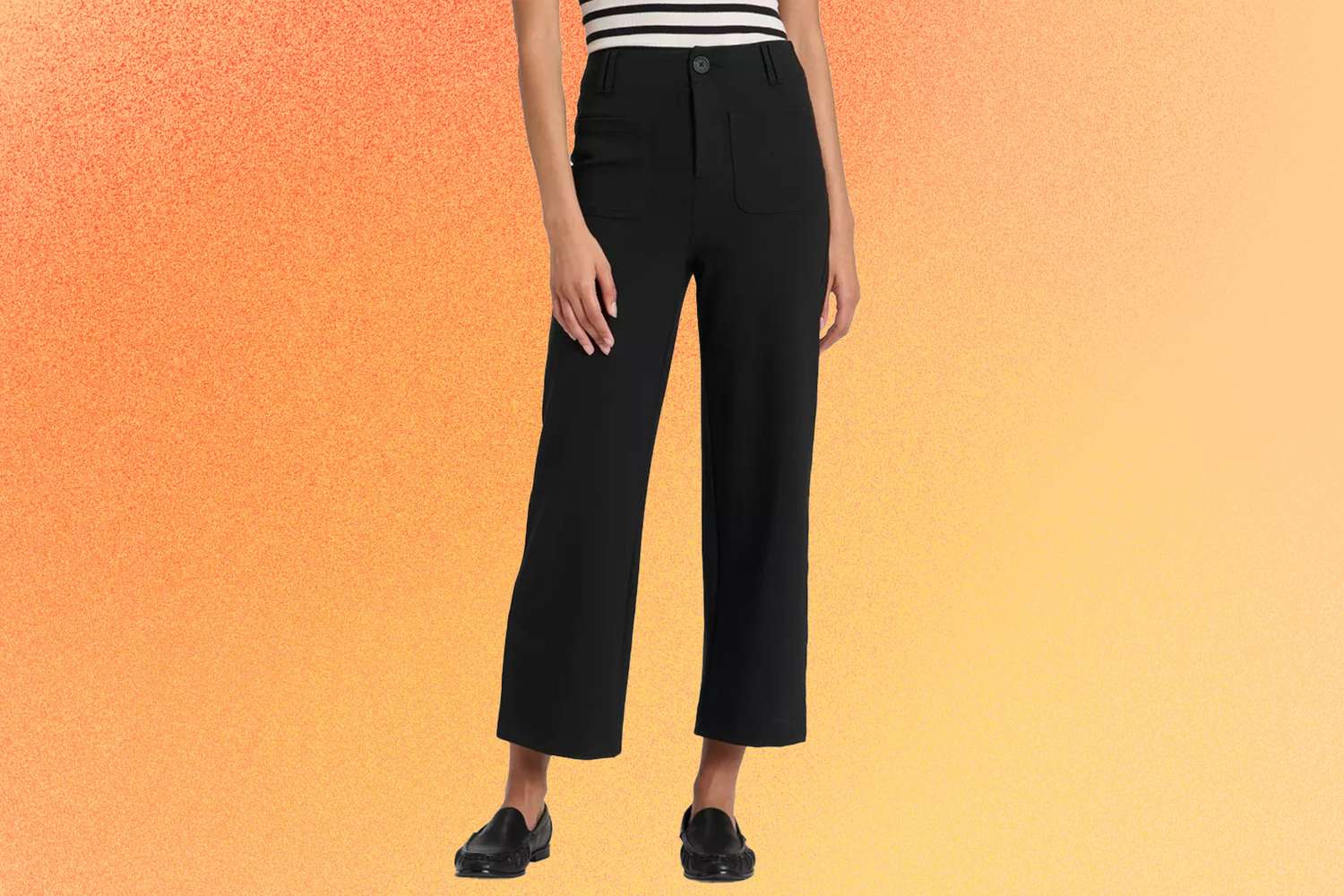
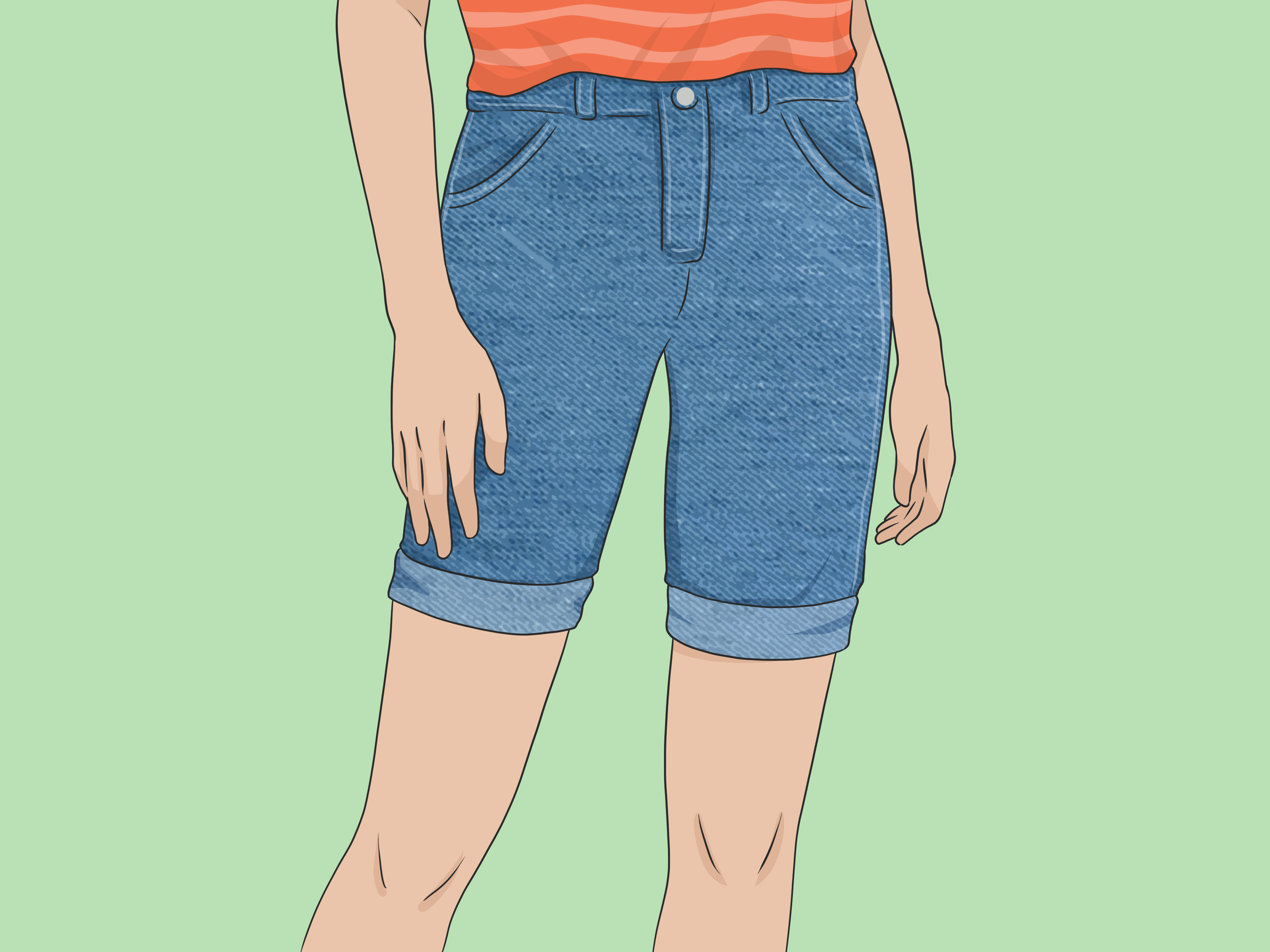
High-waisted jeans, trousers, skirts, and shorts can create the look of a more defined middle. They also make outfit building easier because they give tops a natural place to stop. A tucked blouse, cropped sweater, fitted tank, or button-down tied at the waist all pair well with high-rise bottoms.
For jeans, straight-leg, slim-straight, wide-leg, and flare styles can all work depending on your height, shoes, and personal taste. If you want more shape through the hips, try jeans with front pleats, curved seams, flap pockets, or a slightly wider leg. If you prefer a clean, minimal look, straight-leg denim and a tucked tee are hard to beat.
Way 2: Create Shape With Volume and Proportion
Because a rectangle body shape has a naturally balanced frame, you can play with volume in a very stylish way. The key is contrast. Pair something fitted with something relaxed. Add width at the shoulders or hips. Try a flared skirt, peplum top, puff sleeve blouse, wide-leg pants, or structured jacket. The outfit should feel intentional, not like laundry day made the decisions.
Try Fit-and-Flare, A-Line, and Shirt Dresses
Dresses are one of the simplest ways to create shape because the silhouette is already built in. Fit-and-flare dresses define the upper body and move outward through the skirt, which adds visual volume at the hips. A-line dresses do something similar in a softer way. Shirt dresses are especially useful because they can be worn loose for a relaxed look or belted for more waist definition.
For a rectangle body shape, look for dresses with details such as seaming, ruching, pleats, wrap fronts, pockets, flutter sleeves, or a skirt that moves. These features add dimension without needing a complicated outfit formula. A belted shirt dress with ankle boots, for example, is practically a complete outfit. Add earrings and you are suddenly “put together,” even if your laundry chair tells another story.
Balance Wide-Leg Pants With a Fitted or Cropped Top
Wide-leg pants are excellent for rectangle body shape outfit ideas because they add movement and shape to the lower half. To keep the outfit from feeling oversized everywhere, pair them with a more fitted top, cropped sweater, tucked tank, or bodysuit. This creates contrast between the waist and the leg line.
For work, try high-waisted wide-leg trousers with a tucked silky blouse and a belt. For weekends, wear wide-leg jeans with a fitted ribbed tank and sneakers. For a dressier outfit, choose flowing palazzo pants with a square-neck top and heeled sandals. The formula is simple: volume on the bottom, shape on the top, confidence everywhere.
Add Detail at the Bust, Shoulders, or Hips
If you want to create more visual curves, add detail where you want more emphasis. Ruffled tops, puff sleeves, gathered necklines, boat necks, square necks, flap pockets, pleated skirts, cargo pockets, and peplum hems can all add shape. A peplum top, for example, narrows at the waist and flares slightly at the hip, which creates a curved line without requiring layers.
Structured shoulders can also be helpful, especially in blazers and jackets. A blazer with a slightly nipped waist creates a strong outline. A cropped jacket that ends near the waist can visually shorten the torso and make the waistline more noticeable. Just avoid drowning your frame in too much fabric everywhere at once unless oversized is your deliberate aesthetic. There is a difference between “effortless cool” and “borrowed a coat from a friendly giant.”
Way 3: Use Fabric, Color, Necklines, and Layers to Add Dimension
The third way to dress a rectangle body shape is to think beyond garment type. Fabric, color placement, neckline, print, and layering can completely change how an outfit reads. Two outfits can have the same jeans and top, but the one with better texture, proportion, and layering will look more styled.
Choose Fabrics With Movement or Structure
Fabric matters. Soft fabrics like jersey, silk blends, rayon, and lightweight knits can drape around the body and create gentle movement. Structured fabrics like denim, cotton poplin, twill, linen blends, and suiting fabric can hold a shape and create sharper lines. Both can work beautifully for a rectangle body shape; the best choice depends on the outfit goal.
If you want a softer look, try a bias-cut skirt, draped blouse, or wrap dress. If you want a polished look, try tailored trousers, a fitted blazer, or a crisp button-down tucked into high-waisted pants. Mixing soft and structured pieces often works best. For example, a fluid satin skirt with a fitted knit top creates contrast without looking forced.
Use Color Blocking and Prints Strategically
Color can guide the eye. A darker belt or waistband can make the waist look more defined. A lighter or brighter top and bottom with a darker middle can create contrast. Vertical stripes can lengthen the body line, while horizontal details at the bust or hips can add width where you want it.
Prints are also useful. A patterned skirt with a simple fitted top adds interest to the lower half. A printed blouse with solid trousers brings attention upward. A dress with side panels, waist seams, or placed prints can create the feeling of shape through visual design alone. This is style magic, but the kind that does not require a wand, just a fitting room and patience.
Pick Necklines That Match Your Outfit Goal
Necklines can change the mood of an outfit. A V-neck or scoop neck creates openness and length through the upper body. A square neck frames the shoulders and collarbone. A boat neck or off-the-shoulder neckline adds width across the shoulders, which can make the waist appear more defined by comparison. Crew necks and mock necks create a clean, modern line, especially when paired with wide-leg pants or an A-line skirt.
There is no single best neckline for every rectangle body shape because bust size, neck length, shoulder width, and personal comfort all matter. The best neckline is the one that makes the outfit feel complete and makes you stop tugging at it every three minutes.
Layer With Jackets That Create Shape
Layers are powerful. A blazer, cardigan, denim jacket, trench coat, or cropped jacket can add structure and dimension. For waist definition, try belted blazers, wrap coats, cropped jackets, or jackets with princess seams. For a casual look, wear a longline cardigan open over a fitted top and high-waisted jeans. The vertical lines of the cardigan lengthen the outfit, while the fitted base layer keeps the shape visible.
If you love oversized blazers, you can still wear them. Pair an oversized blazer with a fitted tank, slim tee, or cropped knit underneath. You can also belt the blazer or push up the sleeves to make the outfit feel lighter. A rectangle body shape can carry tailoring very well, so do not be afraid of blazers. They are basically adult armor, but with lapels.
Best Outfit Ideas for a Rectangle Body Shape
Casual Everyday Outfit
Try high-waisted straight-leg jeans, a tucked scoop-neck tee, a medium-width belt, and a cropped denim jacket. This outfit creates a waist point, keeps the lines clean, and works with sneakers, loafers, or ankle boots.
Work Outfit
Wear high-waisted wide-leg trousers with a fitted knit top and a tailored blazer that nips slightly at the waist. Add a slim belt if you want more definition. This combination feels professional without looking stiff.
Date Night or Dinner Outfit
Choose a wrap dress, a fit-and-flare dress, or a square-neck top with a bias-cut skirt. Add simple jewelry and shoes that match the mood. The result is easy, comfortable, and stylish without trying too hard.
Weekend Outfit
Pair flare jeans with a fitted tank or cropped cardigan. Add a crossbody bag and casual shoes. The flare adds shape to the lower half, while the fitted top keeps the outfit balanced.
Special Occasion Outfit
Look for a dress with waist seams, ruching, an A-line skirt, or a wrap detail. Jumpsuits are also excellent, especially when they have a defined waist, wide-leg shape, or tie belt. A jumpsuit gives the sleekness of a dress with the secret confidence of pants.
What to Avoid If You Want More Shape
You do not have to avoid anything forever. Style rules are more like helpful suggestions than courtroom laws. However, if your goal is to create more waist definition or dimension, some pieces may work against that goal.
Very boxy tops with very boxy bottoms can make the outfit look flat. Drop-waist dresses may lengthen the torso and reduce waist emphasis. Oversized clothing from head to toe can hide your natural frame unless styled with intention. Low-rise bottoms can sometimes make the waist less noticeable, while stiff shapeless dresses may hang straight down without adding movement.
If you love any of those items, keep them. The solution is styling. Add a belt to a boxy dress. Pair a loose top with fitted or high-waisted bottoms. Wear an oversized blazer over a fitted base layer. Style is not about banning clothes; it is about making them work harder.
of Real-Life Styling Experience: What Actually Works
In real life, dressing a rectangle body shape is less about memorizing rules and more about noticing small outfit changes. One of the biggest lessons is that waist definition does not have to be dramatic. A half tuck can change everything. A button-down shirt worn loose may look fine, but the same shirt half-tucked into high-waisted jeans suddenly looks styled. Add a belt, roll the sleeves, and the outfit goes from “I found this near my chair” to “I understand proportions.”
Another experience that comes up often is the power of trying different rises in pants. Many people with a rectangle body shape assume jeans are the problem, when the real issue is rise and waistband placement. Mid-rise jeans can feel easy and casual, but high-rise jeans often create a stronger waist point. Wide-leg jeans can look amazing when the top is tucked or cropped. Straight-leg jeans are dependable because they keep the outfit clean and balanced. Flare jeans can be surprisingly effective because they add shape below the knee and make the overall silhouette feel more dynamic.
Dresses can be another trial-and-error adventure. A plain shift dress may look chic on the hanger but feel too straight on the body. Add a belt or choose a shift with seams, pockets, or a slightly flared hem, and suddenly it works. Shirt dresses are especially forgiving because you can style them several ways. Belted, they create waist definition. Unbelted, they feel relaxed and modern. Worn open over a tank and jeans, they become a lightweight layer. That is the kind of wardrobe versatility that deserves applause.
Layering is also a major discovery. Many rectangle body shape outfits improve instantly with a third piece. A blazer, cropped jacket, vest, cardigan, or trench coat can create lines that a basic top cannot. The key is making sure the layer has a purpose. A cropped jacket can highlight the waist. A belted blazer can create structure. A long open cardigan can add vertical movement. Even a simple vest over a tee can make the outfit look more intentional.
Accessories matter more than people think. A belt, necklace, scarf, or structured bag can shift the visual focus of an outfit. A belt creates a waist point. A necklace draws attention upward. A scarf can add volume near the shoulders. A small structured handbag can make casual clothes look sharper. These details are not just decoration; they are outfit punctuation. Without them, the sentence still exists. With them, it has rhythm.
The most useful experience, though, is learning that comfort changes everything. If a wrap dress looks great but feels fussy, it is not the one. If a fitted top makes you adjust it all day, choose a ribbed knit with more stretch. If a belt makes sitting uncomfortable, try a softer belt, a tie-waist pant, or a top with built-in shaping. The best clothes for a rectangle body shape are not the ones that follow every styling rule. They are the ones you can live in, move in, and forget about once you leave the house.
Conclusion
Dressing a rectangle body shape is all about choice. You can define your waist with belts, wrap styles, and high-waisted bottoms. You can create shape with fit-and-flare dresses, A-line skirts, wide-leg pants, peplum tops, and structured jackets. You can add dimension with fabric, color blocking, prints, necklines, and smart layers. The best part is that none of this requires changing your body. It only requires learning how clothes create lines, movement, and focus.
Start with one simple formula: high-waisted bottoms, a shaped or tucked top, and one piece that adds structure. From there, experiment. Try the belt. Test the blazer. Say yes to the dress with a little movement. Your rectangle body shape is not a limitation; it is a clean canvas. And honestly, a clean canvas is where the fun begins.
Note: This article uses body-shape styling as a practical wardrobe guide, not as a rulebook. Wear what feels comfortable, expressive, and true to your personal style.