Note: This article is for educational use and does not replace veterinary care. If your cat has motor oil, gasoline, essential oil, paint thinner, pesticides, unknown chemicals, burns, eye exposure, breathing trouble, vomiting, drooling, weakness, tremors, or has swallowed any oily substance, contact a veterinarian or animal poison control immediately.
There are many things cats are excellent at: judging your life choices, fitting into boxes that are clearly too small, and turning a quiet living room into a midnight racetrack. What they are not excellent at is safely removing oil from their own fur. When oil gets on a cat’s coat, the problem is more than cosmetic. Cats groom constantly, which means anything on the fur can quickly become something in the mouth.
Whether your cat brushed against cooking oil, stepped in garage grease, rolled near a leaking car, or somehow found the one oily spot in an otherwise clean house, the goal is the same: prevent licking, remove the oil gently, and know when the situation needs professional help. The good news is that many minor, non-toxic oil messes can be handled at home with calm hands, warm water, and the right soap. The bad news is your cat may file a formal complaint with the household management committee.
Below are three simple ways to remove oil from a cat safely, plus what not to use, when to call the vet, and real-world experience tips that can save your towels, your nerves, and possibly your forearms.
First: Identify the Oil Before You Start
Before grabbing the nearest bottle of shampoo, pause and figure out what kind of oil is on your cat. This matters because olive oil on a paw is a very different situation from motor oil on the belly. One is messy. The other may be toxic, irritating, or dangerous if inhaled or swallowed.
Common Types of Oil on Cats
Food oils include olive oil, vegetable oil, coconut oil, butter, cooking grease, and meat drippings. These are usually less dangerous than petroleum products, but they can still upset the stomach if your cat licks a lot of them.
Petroleum-based oils include motor oil, gasoline, diesel, kerosene, lubricants, and garage grease. These can irritate the skin and may cause serious problems if swallowed or inhaled. Do not wait to “see how it goes” if your cat smells like a mechanic’s apron.
Essential oils include tea tree oil, peppermint oil, eucalyptus oil, lavender oil, citrus oil, and concentrated fragrance oils. Cats are especially sensitive to many essential oils. If one gets on your cat’s fur or skin, treat it as urgent and get veterinary advice.
Sticky oily substances include tar, adhesive, paint, sealant, or mystery goo from the garage. These can cling to fur and skin. Never use paint thinner, turpentine, mineral spirits, gasoline, acetone, or alcohol to dissolve them. That is not cleaning; that is turning one emergency into two.
Way 1: Stop the Grooming and Contain the Mess
The first simple way to remove oil from a cat is not actually washing. It is stopping your cat from eating the problem. A cat’s built-in cleaning system is impressive, but it is not designed for used motor oil, fryer grease, or essential oils.
Move Your Cat to a Safe, Warm Area
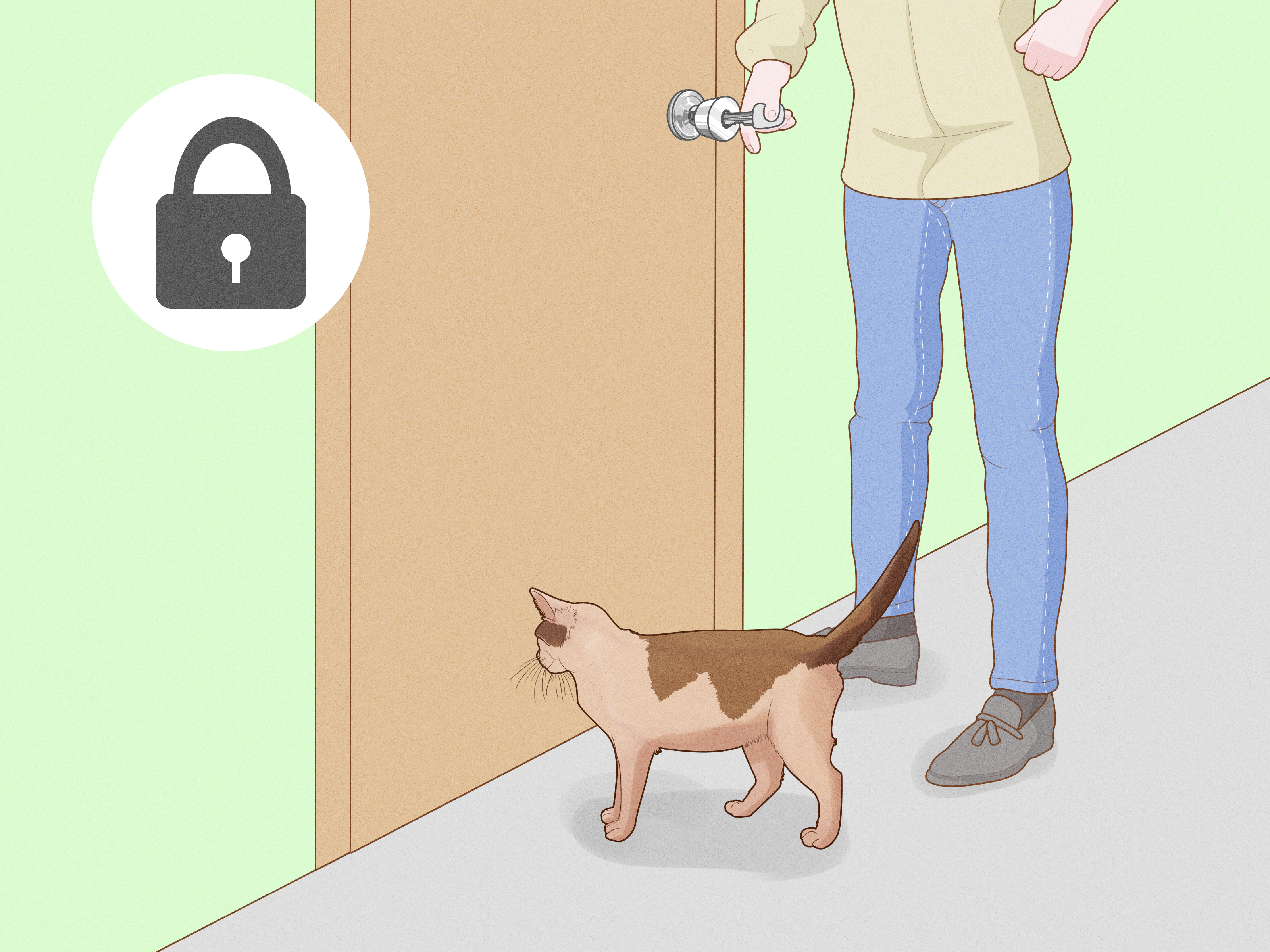
Place your cat in a bathroom, laundry room, or other small space with a closed door. Choose somewhere warm and easy to clean. Lay down old towels. Remove food bowls for the moment so you can monitor what your cat does. Keep other pets away, especially the family dog who may see the oily cat as a suspicious new snack.
Prevent Licking
If you have an Elizabethan collar, recovery cone, or soft cone, use it. If not, gently wrap your cat in a towel while you prepare cleaning supplies. The goal is not to restrain like a wrestling referee. The goal is to keep the oily fur away from the mouth until you can clean it.
If the oil is near the face, mouth, eyes, or nose, call your veterinarian before doing much at home. Oil in or near the eyes can cause irritation, and strong-smelling petroleum products may create inhalation concerns.
Remove the Collar
If your cat wears a collar and the collar touched the oil, remove it. Fabric and nylon collars can hold chemicals against the skin. If the collar is contaminated with petroleum, pesticide, essential oil, or unknown chemicals, bag it and keep it away from pets and children. You may need the product information for your veterinarian.
Call for Help When the Oil Is Dangerous
For toxic or unknown oils, contact your veterinarian, an emergency vet clinic, or animal poison control. Have the container, label, or product name ready. Do not induce vomiting unless a veterinary professional tells you to do so. With petroleum products, vomiting can increase the risk of oily material entering the lungs, which is far more serious than a greasy beard.
Way 2: Blot, Wipe, and Absorb Small Amounts of Oil
If the oil is a small amount of cooking oil or mild food grease, you may not need a full bath. This is excellent news because most cats consider bath time an act of international betrayal.
Use Dry Towels First
Start by blotting the oily area with paper towels or an old clean cloth. Press gently. Do not rub aggressively, because rubbing can spread oil deeper into the coat and irritate the skin. Replace towels as they become greasy.
For a paw, tail tip, or small patch on the side, blotting may remove enough oil that a brief washcloth cleaning is all your cat needs. Keep your cat calm with slow movements and a soft voice. Bribery with treats is not only acceptable; it may be the only thing standing between you and chaos.
Use a Damp Washcloth
After blotting, dampen a soft cloth with lukewarm water and gently wipe the oily area. If the oil is light, this may reduce residue. For food oil, a tiny amount of cat-safe shampoo can help, but rinse thoroughly with a second damp cloth. Any leftover soap can irritate the skin or encourage more licking.
Be Careful With Powders
Some groomers use a small amount of cornstarch to absorb grease from dry fur. If you try this, use only a tiny amount, keep it away from the face, and brush it out completely. Do not use powder on kittens, cats with asthma or breathing issues, or cats covered in toxic oil. Never use talcum powder.
Do Not Cut Oily Fur With Scissors
This is a big one. Oily fur can clump close to the skin, and cat skin is thin and stretchy. A quick snip can become a cut that needs veterinary treatment. If a sticky or oily patch must be clipped, use a professional groomer or veterinarian. Your cat will still be dramatic about it, but at least nobody will accidentally create a wound.
Way 3: Give a Gentle Degreasing Bath
For larger oily areas, a bath is usually the safest home method. The key phrase is gentle degreasing bath. Not a spa day. Not a power-wash. Not “let’s see what happens if we use dish soap, vinegar, baking soda, and panic.” Keep it simple.
Gather Supplies Before the Cat Arrives
Do not bring the cat into the bathroom and then start looking for towels. That is how cats escape, hide under beds, and return three hours later looking like they have joined a tiny motorcycle gang.
Prepare these items first:
- Several old towels
- A non-slip mat or folded towel for the sink or tub
- Lukewarm water
- Mild liquid dish soap for greasy or chemical residue, or cat-safe shampoo for mild food oil
- A cup or handheld sprayer on low pressure
- A helper, if available
- Treats for negotiation purposes
- A warm, draft-free drying area
Use Lukewarm Water
The water should feel warm but not hot. Cats are sensitive to temperature changes, and hot water can burn skin. Cold water can make the experience more stressful and may chill your cat. Fill the sink or tub with only a few inches of water, or use a cup to wet the coat gradually.
Apply Mild Liquid Dish Soap for Oil
For oil, mild liquid dish soap is often more effective than regular pet shampoo because it cuts grease. Use a small amount and lather only the oily areas first. Avoid the eyes, ears, nose, and mouth. If the face is contaminated, use a damp cloth and veterinary guidance rather than pouring water near the head.
Work from the neck backward when possible. Massage gently through the fur to reach the oil, but do not scrub the skin raw. If the coat is heavily greasy, you may need to rinse and repeat. The goal is to reduce the smell and slick texture significantly, not to make the cat smell like a dinner plate.
Rinse Thoroughly
Rinsing matters as much as washing. Soap residue can irritate skin and may cause your cat to lick even more. Use lukewarm water until the coat no longer feels slippery or soapy. Long-haired cats may need extra rinsing because suds can hide in the undercoat like tiny bubbles with a personal agenda.
Dry and Warm Your Cat
Wrap your cat in a clean towel and gently blot. Avoid rough rubbing, especially with long hair, because it can create tangles. Keep your cat in a warm room until fully dry. Do not let a wet cat sit near air-conditioning vents, fans, open windows, or cold floors.
A hair dryer is usually not necessary and may frighten your cat. If you use one, keep it on a cool or low warm setting, hold it far from the skin, and stop if your cat panics. A calm towel-dry is better than a high-speed chase involving a blow dryer and betrayal.
What Not to Use on an Oily Cat
When a cat is covered in oil, the temptation is to use something “strong.” Resist. Strong cleaners and solvents can poison cats, burn skin, or create fumes that irritate the lungs.
Avoid These Products
- Paint thinner
- Turpentine
- Gasoline
- Kerosene
- Acetone or nail polish remover
- Rubbing alcohol
- Bleach
- Human shampoo
- Dog flea shampoo unless your veterinarian specifically approves it
- Essential oils
- Tea tree oil
- Harsh household cleaners
- Dishwasher detergent
Also avoid letting your cat “clean it off naturally.” Natural grooming is wonderful when the problem is dust. It is not wonderful when the problem is engine oil.
When to Call a Veterinarian Immediately
Some oil exposures should not be handled as a casual home cleanup. Call a veterinarian or animal poison control if your cat has been exposed to:
- Motor oil, gasoline, diesel, kerosene, or other petroleum products
- Essential oils or liquid potpourri
- Pesticides, herbicides, or rodent chemicals
- Paint, sealant, tar, adhesives, or unknown substances
- Oil near the eyes, nose, mouth, genitals, or open wounds
- A large amount of oil over the body
- Any oil that your cat may have swallowed
Emergency warning signs include drooling, vomiting, coughing, gagging, difficulty breathing, wobbliness, tremors, weakness, unusual sleepiness, burns, red skin, crying, hiding, or refusing food. If you see these signs, do not continue experimenting with home care. Get help.
Aftercare: What to Watch for After Cleaning
Once the oil is removed, your job is not quite finished. Monitor your cat for at least 24 hours. Watch for stomach upset, coughing, skin redness, excessive licking, lethargy, or unusual behavior. Cats are famously committed to pretending everything is fine, so pay attention to subtle changes.
Check the cleaned area once the coat is dry. If it still feels greasy, smells strongly, or looks irritated, call your veterinarian. You may need a second bath, professional grooming, or medical treatment for skin irritation.
Wash contaminated towels separately. If the oil was petroleum-based or chemical, put used paper towels and disposable items in a sealed bag and keep them away from pets. Clean the area where the spill happened so your cat does not step in it again and give you the sequel nobody requested.
How to Prevent Oil Accidents
Prevention is easier than bathing a cat, which is a sentence every cat owner learns eventually. Keep garage doors closed, store automotive fluids in sealed containers, wipe cooking spills quickly, keep essential oils out of reach, and block access to workspaces where paint, lubricants, or adhesives are used.
If your cat goes outdoors, check paws and belly fur when they come inside, especially after walking near driveways, parking areas, workshops, or construction zones. Long-haired cats may hide oily spots under the belly or tail, so a quick daily grooming check can catch problems early.
Quick FAQ About Removing Oil from Cats
Can I use Dawn dish soap on my cat?
A mild liquid dish soap can be useful for removing greasy residue in urgent situations, but it should not become a routine cat shampoo. Use a small amount, avoid the face, rinse extremely well, and call your veterinarian if the oil may be toxic.
Can I use baby shampoo?
It is better to use a cat-safe shampoo for ordinary bathing or mild food oil. Human products, even gentle ones, may irritate feline skin. For oily or chemical residue, mild liquid dish soap is often more effective, but veterinary guidance is best for serious exposures.
What if my cat licked oil?
If your cat licked cooking oil, monitor for vomiting or diarrhea and call your vet if symptoms appear. If your cat licked motor oil, gasoline, essential oil, pesticides, or unknown substances, contact a veterinarian or animal poison control immediately.
Can I shave the oily fur?
Do not use scissors close to the skin. If clipping is needed, let a veterinarian or professional groomer do it. Cat skin is delicate, and oily mats can hide where the skin begins.
Experience-Based Tips: What Real Cat Owners Learn the Hard Way
Anyone who has ever tried to bathe an oily cat learns one thing quickly: preparation is not optional. The cat may be small, but the emotional energy in the room will be approximately the size of a weather system. One practical lesson is to set up everything before touching the cat. Towels should be open and ready. Soap should be uncapped. The rinse cup should already be beside the sink. The bathroom door should be closed. The backup towel should be somewhere you can reach with one hand, because the other hand may be holding a wet cat who has suddenly remembered every wild ancestor.
Another useful experience is to start with the least dramatic cleaning method. If the oil is a small splash of cooking oil on a paw, do not immediately launch a full-body bath. Blot first. Wipe second. Wash only the affected area if possible. Many cats tolerate a paw rinse or tail wash much better than a complete dunk. This approach also protects the skin from unnecessary soap and keeps stress lower.
Cat owners also learn that tone matters. Cats respond to tension. If you rush, shout, or move like you are defusing a bomb, your cat will assume there is a bomb. Speak softly. Move slowly. Keep the session short. A helper can be wonderful, but only if the helper is calm. A nervous helper who keeps saying, “Is he going to scratch us?” may not improve the operation.
For long-haired cats, oil removal can take patience. Grease may sit on the surface at first, then move deeper when water hits the coat. Lather gently in the direction of hair growth and rinse more than you think you need to. After drying, comb carefully to prevent mats. If the fur clumps or the skin looks red, do not keep scrubbing. That is the point where a professional groomer or vet is worth every penny.
One of the biggest lessons is not to underestimate smell. If your cat still smells like gasoline, motor oil, solvent, or essential oil after cleaning, assume residue remains or that your cat needs medical advice. Cats may keep licking a contaminated area even after it looks cleaner. A cone for a few hours, under supervision, can help prevent re-exposure while you arrange care.
Finally, reward the cat after the ordeal. Offer a favorite treat, a warm bed, and quiet space. Do not force cuddles. Your cat may need time to forgive you for saving them from licking garage sludge. In cat logic, both things can be true: you helped, and you are still suspicious.
Conclusion
Removing oil from a cat is all about acting quickly without panicking. First, stop your cat from grooming and identify the oil. Second, blot and wipe small, mild oil spots before escalating to a bath. Third, use a gentle degreasing bath with lukewarm water and mild liquid dish soap when oil is more widespread or stubborn. Avoid harsh solvents, avoid scissors, and never assume a toxic oil is harmless just because your cat looks calm.
When in doubt, call your veterinarian. A short phone call can prevent a long night of worry. Your cat may not appreciate the bath, the towel wrap, or your heroic efforts, but a clean, safe cat is worth a few offended meows.