Note: This article is for informational purposes only and does not replace a dental exam. If you have swelling, pus, fever, a loose tooth, trauma, or pain that keeps getting worse, call a dentist promptly.
If one of your teeth suddenly feels like it has developed a personal grudge against ice water, orange juice, and your toothbrush, you may be dealing with an exposed tooth root. It is not exactly the kind of surprise anyone wants before breakfast. Still, it is common, treatable, and very much worth addressing early.
An exposed tooth root usually happens when gum tissue pulls back from the tooth. That recession leaves the root surface vulnerable. Unlike the crown of your tooth, which is protected by hard enamel, the root is covered by softer tissue. Translation: it is more likely to complain loudly when cold, heat, sweetness, or brushing show up uninvited.
The good news is that you do not need to panic. The better news is that there are simple things you can do right away to calm the sensitivity and protect the area while you figure out the underlying cause. The best news is that dentists have several effective ways to treat exposed roots for the long haul.
What Is an Exposed Tooth Root?
A tooth root is the part of the tooth that normally sits below the gumline. When gums recede, the root surface becomes visible or more directly exposed to everyday triggers. Sometimes you can actually see that the tooth looks longer than usual. Other times, your mouth announces the problem with a dramatic zing every time something cold touches the area.
Common signs of an exposed tooth root
- Sharp sensitivity to cold, hot, sweet, or acidic foods and drinks
- Pain when brushing or flossing near the gumline
- A tooth that looks longer than the one next to it
- A notch or worn area near the gumline
- Tender, bleeding, or receding gums
Why it happens
Exposed roots do not appear out of nowhere. They usually show up because of one or more of these issues:
- Gum recession: The most common cause. The gumline slowly moves downward or backward.
- Gum disease: Plaque, tartar, and inflammation can damage the tissues that support teeth.
- Brushing too hard: Your teeth are not cast-iron skillets. Aggressive scrubbing can wear down gums and root surfaces.
- Teeth grinding or clenching: Extra force can contribute to wear and recession.
- Misaligned teeth or bite problems: Uneven pressure can stress certain teeth more than others.
- Tobacco use: Smoking and other tobacco products can worsen gum health.
3 Easy Ways to Treat an Exposed Tooth Root
Let’s be honest about one thing: a truly exposed root is usually not something you permanently “fix” with a kitchen cabinet miracle. But you can reduce the pain, protect the area, and stop making it worse while you get the right dental care. These three steps are the smartest place to start.
1. Switch to a desensitizing fluoride toothpaste and brush like you are cleaning a peach, not a driveway
If an exposed tooth root is causing sensitivity, your first move should be a desensitizing toothpaste. These toothpastes are designed to help reduce the nerve response that causes those sharp, annoying jolts. They are not magic in one brushing session, so do not declare them useless after eight minutes. Give them time and use them consistently.
At the same time, switch to a soft-bristled toothbrush if you are not already using one. This matters more than many people realize. Hard bristles and aggressive scrubbing can worsen gum recession and wear the root surface even more. Gentle brushing is not “lazy brushing.” It is the correct technique.
Here is the smarter routine:
- Brush twice a day for two minutes
- Use a soft-bristled brush
- Angle the brush gently toward the gumline
- Use light pressure and short strokes
- Choose a fluoride toothpaste made for sensitive teeth
If your bathroom shelf is crowded with whitening products, this may be the moment for a polite breakup. Some whitening or abrasive toothpastes can irritate already sensitive teeth. When your root is exposed, gentler is better.
Example: If cold water sends one lower front tooth into a tiny existential crisis, using a desensitizing fluoride toothpaste for a couple of weeks may noticeably reduce the sting. It will not regrow gum tissue, but it can make daily life far less dramatic.
2. Soothe the area and stop feeding the problem
Your second job is simple: calm the irritated area and stop doing the things that keep poking the bear.
A warm salt-water rinse can be soothing when the gumline feels irritated. It is an old-school remedy for a reason. It will not cure gum disease or reverse recession, but it can help the area feel less angry while you arrange proper care. A mild rinse can also help keep the mouth feeling cleaner when brushing is uncomfortable.
You should also avoid common triggers for a few days if the area is flaring up:
- Very cold drinks
- Very hot drinks
- Acidic foods like citrus and vinegar-heavy foods
- Super sugary snacks that seem harmless until they hit the gumline
- Brushing with too much force
And please do not try the internet’s stranger ideas. Do not scrub the area harder “to toughen it up.” Do not press random powders onto the tooth. Do not assume pain means the tooth just needs to “get used to it.” Teeth are not training for a marathon.
Helpful short-term routine: Rinse gently with warm salt water, eat softer foods if the area is sore, sip room-temperature drinks, and use your desensitizing toothpaste regularly. Think of this as damage control, not the grand finale.
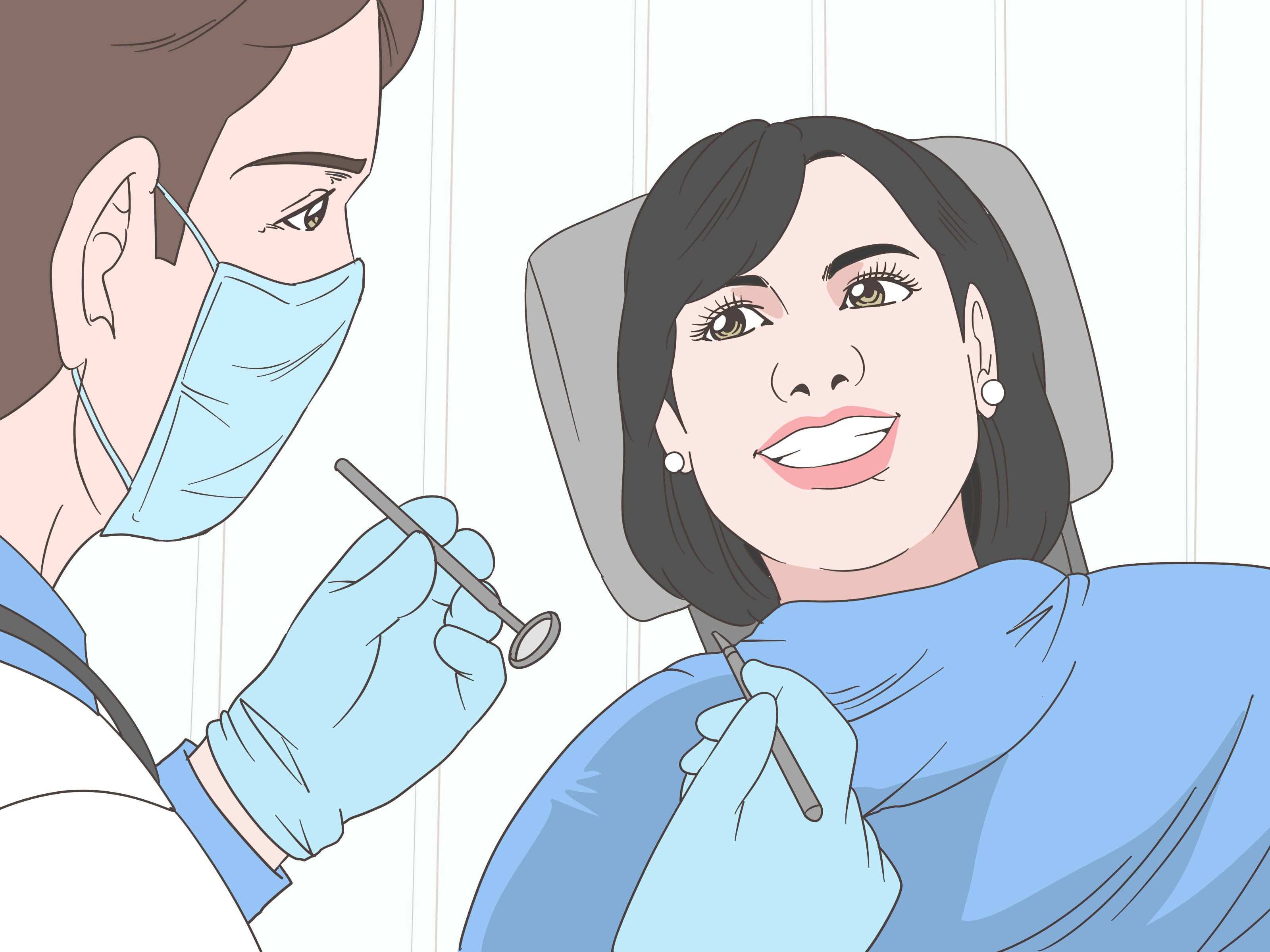
3. See a dentist to treat the real cause
This is the step people postpone, and it is also the one that matters most. An exposed root is usually a symptom. If you only chase the sensitivity and ignore the cause, the problem may keep progressing.
Your dentist will figure out why the root is exposed and match treatment to the cause. That might include:
- Fluoride varnish or a desensitizing treatment: Often used to reduce sensitivity on exposed areas
- Dental bonding or a filling: Helpful if the root surface is worn, notched, or vulnerable
- Scaling and root planing: A deeper cleaning if gum disease is involved
- A night guard: If grinding or clenching is contributing to the problem
- Gum graft surgery: Used in more advanced cases to cover exposed roots and protect the tooth
That sounds like a long list, but it is actually good news. It means dentists have options. Mild cases may improve with simple changes and in-office desensitizing care. More advanced recession can still be treated with procedures that protect the tooth and improve comfort.
Rule of thumb: If the sensitivity lasts more than a couple of weeks, the tooth looks longer, the gums bleed often, or the area seems to be getting worse, make the appointment. Early treatment is usually easier, less invasive, and kinder to your wallet.
What Not to Do When a Tooth Root Is Exposed
- Do not use a hard-bristled toothbrush
- Do not scrub aggressively at the gumline
- Do not ignore frequent bleeding gums
- Do not rely on whitening products when your teeth are already sensitive
- Do not assume every sensitive tooth needs a root canal
- Do not wait months if the area is painful or visibly receding
A quick note on that root canal fear: many cases of root exposure involve dentin sensitivity, not nerve death. But constant throbbing pain, pain that wakes you up, swelling, or a bad taste in the mouth needs prompt professional evaluation. That is not the moment for wishful thinking and another tube of toothpaste.
When an Exposed Tooth Root Needs Faster Care
Some symptoms suggest more than simple sensitivity. Call a dentist soon if you notice:
- Swelling in the gums or face
- Pus, drainage, or a foul taste
- A loose tooth
- Pain that is severe, constant, or spreading
- Bleeding gums that keep happening
- A chipped, cracked, or injured tooth
Those signs can point to gum disease, infection, fracture, or other issues that need treatment beyond home care.
How to Prevent Another Exposed Root
Once you have had one exposed root, your mouth has basically sent you a strongly worded memo. Prevention matters.
- Use a soft-bristled toothbrush every day
- Brush gently, not aggressively
- Clean between your teeth daily
- Keep regular dental checkups and cleanings
- Ask about grinding if you clench your jaw or wake up sore
- Avoid tobacco products
- Pay attention to bleeding gums instead of pretending they are “normal”
If gum disease is caught early, treatment is simpler. If brushing habits are the problem, technique changes can make a real difference. If bite or grinding is the issue, your dentist can help protect the tooth before the damage gets bigger.
Real-Life Experiences People Commonly Have With an Exposed Tooth Root
The following examples are composite, educational scenarios based on common complaints dentists hear. They are here to help readers recognize the problem earlier.
One of the most common experiences is the “Why does this one tooth hate cold water?” phase. A person feels fine most of the time, but every time they drink iced coffee or bite into fruit, one spot along the gumline lights up. At first, they assume it is a cavity. Then they look closer and realize the tooth seems a little longer than the others. That tiny change in the mirror is often the clue that gum recession has started exposing the root.
Another very common story involves brushing habits. Some people are convinced that a harder scrub means cleaner teeth. They brush like they are sanding a table, especially around the front teeth. Months later, they notice sensitivity and a little notch near the gumline. The surprising part is that the problem was not caused by poor effort. It was caused by too much force. When they switch to a soft-bristled toothbrush, use a lighter hand, and stop attacking the same area morning and night, the irritation often starts to calm down.
Then there is the “I thought bleeding gums were normal” experience. A person notices a little pink in the sink during brushing for weeks or months. It does not hurt much, so it gets ignored. Eventually the gums look puffy, one tooth becomes sensitive, and the gumline seems to pull back. That is often the moment they realize the issue is not just sensitivity. It is a gum health problem. In those cases, professional cleaning and treatment of inflammation can make a huge difference.
Some people describe the problem as random, but it usually is not. They may connect the pain to cold air on a winter day, sweet foods, or even brushing one exact corner of one tooth. That pattern matters. Exposed roots tend to be very specific and dramatic. The tooth can seem perfectly fine until something touches that one vulnerable area. Then suddenly it feels as if the tooth is auditioning for a soap opera.
There are also people who feel embarrassed because the tooth looks longer or the gumline looks uneven. This is especially common when the exposed root is on a canine or front tooth. In those situations, treatment is not only about pain. It is also about protecting the root from decay and helping the smile look more balanced again. Dental bonding or gum grafting can sound intimidating at first, but many patients feel relieved once they understand that treatment options exist and that the goal is both comfort and long-term protection.
Finally, a lot of people say the same thing after getting help: they wish they had dealt with it sooner. Not because the problem was catastrophic, but because the day-to-day annoyance added up. Eating became less enjoyable. Brushing became cautious and awkward. They started avoiding cold drinks or chewing on one side. Once the cause was identified and treated, even simple habits like drinking water felt normal again. That is the real lesson of exposed tooth roots. They are easy to underestimate, but they are also very treatable when you stop ignoring the warning signs.
Final Takeaway
If you have an exposed tooth root, the three smartest steps are simple: use a desensitizing fluoride toothpaste, switch to gentle brushing with a soft-bristled toothbrush, and see a dentist to treat the reason the root is exposed in the first place. Warm salt-water rinses and trigger avoidance can help in the short term, but lasting relief usually comes from addressing gum recession, inflammation, wear, or bite-related stress.
In other words, you do not need to panic, but you also should not just tough it out while your tooth keeps filing complaints. Handle it early, treat it gently, and let your dentist help protect that root before a small nuisance turns into a bigger problem.