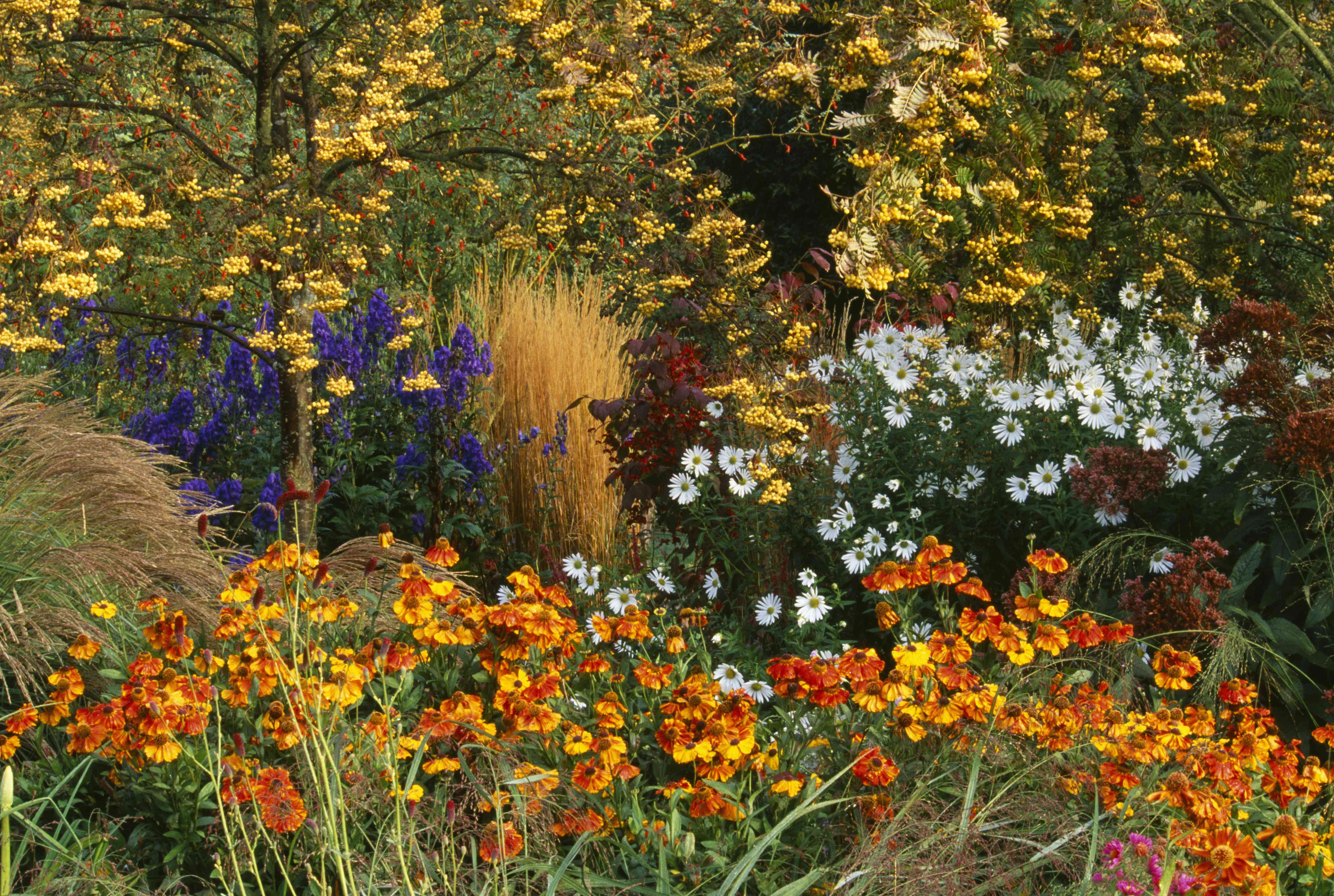
Fall has a funny way of sneaking up on gardeners. One minute you are admiring summer zinnias, and the next minute your garden looks like it attended a party, lost its shoes, and forgot where it parked. The good news? Your landscape does not have to fade quietly into beige. With the right fall color perennials, you can refresh borders, brighten containers, support late-season pollinators, and give your yard one last glorious encore before winter pulls the curtain.
The phrase “plant right now” depends on where you live, of course. In many areas of the United States, early fall is an excellent time to plant perennials because the soil is still warm, the air is cooler, and plants can focus on root growth instead of surviving scorching summer heat. As a general rule, aim to plant at least four to six weeks before your average first hard frost. If you are cutting it close, choose healthy container-grown plants, water deeply, mulch lightly, and skip the fertilizer until spring.
Below are 16 dependable perennials that can bring last-minute fall color through flowers, foliage, seed heads, or all three. Some bloom like they are trying to win a county fair ribbon. Others glow through their leaves. All of them can make your fall garden look intentional instead of “I got busy in August and hoped nobody noticed.”
Why Fall Is a Smart Time to Plant Perennials
Many gardeners think spring is the only sensible planting season, but fall has a secret advantage: roots. Cool air reduces stress on new plants, while warm soil encourages roots to settle in before winter. That stronger root system helps plants wake up ready to grow when spring returns.
Fall planting also gives you a clearer view of gaps in your garden. By September and October, you can see where the border went flat, where summer bloomers collapsed, and where a splash of purple, gold, copper, or ruby would make the whole bed sing. Planting perennials for fall color now is not just a quick fix; it is a long-term investment in a better garden next year.
Before You Plant: A Quick Fall Success Checklist
Check your frost window
Planting too late is like sending a guest into a snowstorm wearing flip-flops. Most perennials need several weeks to establish roots before freezing weather. In colder zones, shop early. In milder climates, you usually have a longer window.
Water deeply, not dramatically
A new perennial needs steady moisture, not a daily splash that barely wets the soil. Water deeply after planting, then keep the root zone slightly moist until the ground begins to freeze. If fall is dry, keep watering. Plants cannot establish roots in soil that feels like crackers.
Mulch lightly
Apply one to two inches of mulch around the plant after watering, keeping it away from the crown. Mulch helps conserve moisture, moderates soil temperature, and reduces weed competition. Do not bury the plant like you are hiding evidence.
Hold the fertilizer
Fall is for roots, not forced leafy growth. Compost is fine when mixed into the planting area, but heavy fertilizer can push tender growth that cold weather may damage.
16 Perennials to Plant Right Now for Last-Minute Fall Color
1. New England Aster
New England aster is one of the great stars of the fall perennial garden. Its daisy-like purple, pink, lavender, or blue flowers arrive when many summer plants are winding down. Butterflies and bees adore it, and its bold color pairs beautifully with goldenrod, ornamental grasses, and sedum.
Best for: Sunny borders, pollinator gardens, cottage gardens, native plantings.
Planting tip: Give it full sun and decent air circulation. Taller varieties may need support, while compact cultivars work better near the front or middle of a border.
2. Hardy Garden Mum
Mums are the pumpkin spice latte of fall gardening: familiar, everywhere, and honestly pretty satisfying. For a plant that returns year after year, look for hardy garden mums rather than florist mums. Garden mums come in warm shades of yellow, bronze, orange, red, pink, white, and purple.
Best for: Front beds, containers, porch displays, mass plantings.
Planting tip: Fall-planted mums can struggle in cold climates because they are spending energy on bloom instead of roots. Plant as early as possible, water well, and mulch after the ground cools.
3. Autumn Joy Sedum
Autumn Joy sedum is the low-drama friend every garden needs. This succulent perennial forms tidy clumps with fleshy leaves and broad flower heads that shift from pink to rosy bronze as the season progresses. It tolerates heat, drought, and less-than-perfect soil once established.
Best for: Full-sun borders, dry gardens, pollinator beds, modern landscapes.
Planting tip: Do not pamper it with soggy soil or too much fertilizer. Rich, wet conditions can make sedum flop like a tired noodle.
4. Goldenrod
Goldenrod brings rich yellow color to the fall garden and is far more useful than its unfair allergy reputation suggests. Ragweed is usually the real sneeze villain. Goldenrod’s nectar-rich flowers are valuable for pollinators, and compact cultivars fit nicely into home landscapes.
Best for: Native gardens, meadow-style plantings, sunny borders, pollinator habitats.
Planting tip: Choose garden-friendly cultivars if you have limited space. Some wild species spread enthusiastically, which is polite gardener language for “they may try to take over the block.”
5. Helenium
Also called sneezeweed, helenium offers warm fall shades of yellow, orange, copper, mahogany, and red. Its cheerful, daisy-like flowers look especially good with ornamental grasses and purple asters. Despite the common name, it is not usually the cause of seasonal sneezing.
Best for: Sunny beds, rain gardens, pollinator borders, late-season color schemes.
Planting tip: Helenium prefers consistent moisture. If your garden is dry and sandy, add compost and water well during establishment.
6. Japanese Anemone
Japanese anemone adds elegance to fall beds with airy pink or white flowers held above handsome foliage. It has a graceful look that softens heavy plantings and brings movement to part-shade gardens. Think of it as the ballet dancer of the autumn border, only less likely to complain about rehearsal.
Best for: Part shade, woodland edges, cottage gardens, mixed perennial borders.
Planting tip: Plant in rich, moist, well-drained soil. In happy conditions, Japanese anemone can spread, so give it room or choose its location wisely.
7. Toad Lily
If your shade garden looks sleepy in fall, toad lily is the wake-up call. Its orchid-like, speckled flowers appear late in the season, often in shades of white, lavender, purple, and mauve. The blooms are small but fascinating, the kind of flowers that make visitors lean in and say, “Wait, what is that?”
Best for: Shade gardens, woodland paths, moist borders, close-up viewing areas.
Planting tip: Place toad lily where people can see it up close. It is not a shout-across-the-yard plant; it is a charming secret.
8. Coral Bells
Coral bells, or heuchera, are grown mainly for foliage, and that is exactly why they are useful for last-minute fall color. Depending on the variety, leaves may be burgundy, caramel, silver, lime, peach, purple, or nearly black. They look beautiful tucked into containers or repeated along a shaded path.
Best for: Part shade, containers, edging, woodland gardens, mixed foliage beds.
Planting tip: Coral bells prefer moist, well-drained soil enriched with organic matter. Avoid heavy, poorly drained clay.
9. Threadleaf Bluestar
Threadleaf bluestar is not planted for fall flowers; it is planted for fall fireworks. In spring it produces soft blue star-shaped blooms, but in autumn its fine, feathery foliage turns glowing gold. It brings texture, movement, and a warm sunset effect to perennial beds.
Best for: Naturalistic gardens, sunny borders, low-maintenance landscapes, prairie-inspired plantings.
Planting tip: Be patient. Amsonia may take time to establish, but once settled, it becomes one of those plants you wonder how you ever gardened without.
10. Little Bluestem
Little bluestem is a native ornamental grass with blue-green summer blades that shift into bronze, orange, red, or copper tones in fall. Its fluffy seed heads catch low autumn light beautifully and can remain attractive into winter.
Best for: Prairie gardens, dry slopes, wildlife-friendly landscapes, modern borders.
Planting tip: Give it full sun and lean, well-drained soil. Too much shade or rich soil can make it flop.
11. Plumbago
Hardy plumbago, also called leadwort, is a low-growing perennial ground cover with bright blue flowers from late summer into fall. As temperatures cool, its green leaves often turn bronze-red, creating a two-for-one color show.
Best for: Edging, slopes, ground cover, rock gardens, underplanting shrubs.
Planting tip: It spreads by rhizomes, so use it where you want a colorful carpet rather than a perfectly obedient little clump.
12. Hardy Geranium
Hardy geraniums, also known as cranesbills, are far tougher than their delicate flowers suggest. Long-blooming cultivars such as Rozanne can keep producing violet-blue flowers into fall in many regions. Some types also develop reddish fall foliage.
Best for: Border edges, cottage gardens, containers, underplanting roses or shrubs.
Planting tip: If plants look tired after summer, shear them lightly to encourage fresh growth and possible rebloom.
13. Black-Eyed Susan
Black-eyed Susan brings classic golden petals and dark centers to late summer and early fall gardens. It is cheerful, sturdy, and easy to combine with asters, grasses, sedum, and coneflowers. The seed heads can feed birds if left standing.
Best for: Sunny borders, pollinator gardens, meadow-style beds, casual landscapes.
Planting tip: Choose perennial species or cultivars suited to your zone. Some commonly sold types behave as short-lived perennials or biennials.
14. Russian Sage
Russian sage offers hazy lavender-blue flowers and silver-gray foliage from summer into fall. It adds an airy, drought-tolerant look that pairs beautifully with yellow, orange, and deep purple plants. It is especially useful in hot, sunny sites where fussier perennials melt into sadness.
Best for: Dry sunny borders, Mediterranean-style gardens, pollinator plantings, curbside beds.
Planting tip: Excellent drainage is essential. Avoid wet winter soil, which can shorten its life.
15. Joe-Pye Weed
Joe-Pye weed is a tall native perennial with mauve-pink flower clusters that attract butterflies and other pollinators. It brings height, structure, and a relaxed meadow feel to the fall garden. Compact cultivars are available if your yard is not prepared for a plant with basketball-player ambitions.
Best for: Pollinator gardens, rain gardens, large borders, naturalized areas.
Planting tip: It prefers moist soil and full sun to part sun. Use it near the back of a border unless you want your smaller plants to disappear behind it.
16. Coreopsis
Coreopsis, or tickseed, is loved for its bright yellow, gold, red, or bicolor daisy-like flowers. Many varieties bloom for a long period, and a light trim can encourage fresh flowers later in the season. It brings a sunny mood to the garden even when the sky starts acting dramatic.
Best for: Sunny borders, pollinator beds, cutting gardens, low-maintenance landscapes.
Planting tip: Most coreopsis prefer full sun and well-drained soil. Deadheading can extend bloom, but leave some seed heads for birds if you enjoy a more natural look.
How to Design with Fall Color Perennials
Use warm and cool contrasts
Fall gardens come alive when warm colors and cool colors play together. Pair goldenrod or coreopsis with purple asters. Place copper little bluestem behind blue plumbago. Tuck burgundy coral bells beside soft pink Japanese anemones. Contrast makes the planting feel layered rather than random.
Repeat plants for rhythm
One lonely aster can look accidental. Three asters repeated along a border look like a plan. Repetition is one of the easiest ways to make a garden look professionally designed, even if you planned it while drinking coffee in muddy shoes.
Mix flowers, foliage, and texture
Flowers are wonderful, but foliage and seed heads extend the season. Sedum flower heads, little bluestem seed plumes, amsonia foliage, and coral bells leaves keep working even after individual blooms fade.
Plant for pollinators
Late-season flowers matter. Bees, butterflies, and other beneficial insects depend on nectar and pollen sources as the growing season winds down. Asters, goldenrod, sedum, helenium, Joe-Pye weed, and black-eyed Susan can help turn your garden into a fall buffet for pollinators.
Common Mistakes to Avoid When Planting Fall Perennials
Planting too deep
Most perennials should be planted at the same depth they grew in their nursery container. Burying the crown can cause rot, especially during wet fall weather.
Forgetting to loosen roots
If a plant is root-bound, gently tease apart the outer roots before planting. This encourages roots to grow outward into the surrounding soil instead of circling like they are stuck on a tiny botanical treadmill.
Overcrowding
Fall plants may look small now, but many will double or triple in size. Check mature height and spread before planting. Crowding reduces airflow and can increase disease problems.
Stopping water too soon
Cool weather does not mean plants no longer need moisture. Keep watering new perennials until the ground freezes or regular rainfall takes over.
Personal Gardening Experience: What I Have Learned from Chasing Last-Minute Fall Color
The first time I tried to create last-minute fall color, I made the classic beginner mistake: I bought whatever looked pretty at the garden center and planted everything in a heroic burst of enthusiasm. The result was colorful for about two weeks, then slightly chaotic for the next two years. Some plants were too tall for the front of the bed, one goldenrod behaved like it had plans for regional domination, and a few mums looked wonderful in October but quietly exited the garden by spring.
That experience taught me that fall planting is not just about buying flowers in bloom. It is about choosing plants that have a job after the flowers fade. Sedum became one of my favorite “rescue” plants because it gives structure immediately. Even when the flower color deepens and dries, the seed heads still look good with frost on them. Asters taught me the value of planting in groups. One purple aster looked sweet; three planted together looked intentional. When I added goldenrod nearby, the combination became the kind of purple-and-gold pairing that makes a garden look awake again.
I also learned to respect foliage. Coral bells saved a shady corner where flowers were unreliable. A caramel-leaved heuchera beside a dark purple variety created more fall interest than I expected, and it did not depend on perfect bloom timing. Threadleaf bluestar was another slow lesson in patience. For the first season, it seemed quiet. Then fall arrived, and the foliage turned golden enough to make me forgive its modest spring behavior. Some plants are not loud; they are just waiting for their moment.
Watering was another hard-won lesson. In fall, it is easy to assume the garden is fine because the weather feels cool. But new roots still need moisture. Now, after planting, I water deeply and check the soil a few inches down instead of trusting the surface. I also mulch carefully, leaving space around crowns. The first time I tucked mulch too close around a plant, I thought I was being protective. The plant apparently interpreted it as a wet blanket and sulked accordingly.
My best practical advice is to shop with a simple plan: one plant for height, one for mid-level bloom, one for foliage, and one for texture. For example, little bluestem in the back, asters in the middle, sedum near the front, and coral bells along the edge can transform a tired bed quickly. Add plumbago as a ground cover, and suddenly the garden has layers instead of empty patches.
Last-minute fall color does not need to look last-minute. The trick is to plant perennials that solve more than one problem. Choose blooms for pollinators, foliage for staying power, grasses for movement, and compact plants for containers and edges. Your garden will look better now, stronger next spring, and much less like it gave up after Labor Day.
Conclusion
Planting perennials for fall color is one of the easiest ways to give your garden a fresh, polished look at the end of the growing season. Choose asters for purple drama, sedum for structure, goldenrod for sunny pollinator power, coral bells for foliage, little bluestem for movement, and plumbago for ground-hugging blue flowers with bronze-red leaves. Plant early enough for roots to establish, water deeply, mulch lightly, and let the garden enjoy its final performance before winter.
Whether your landscape needs a full seasonal makeover or just a few strategic color boosters, these 16 perennials can help you create a fall garden that feels vibrant, intentional, and alive. Summer may be over, but your flower beds do not have to file a resignation letter.