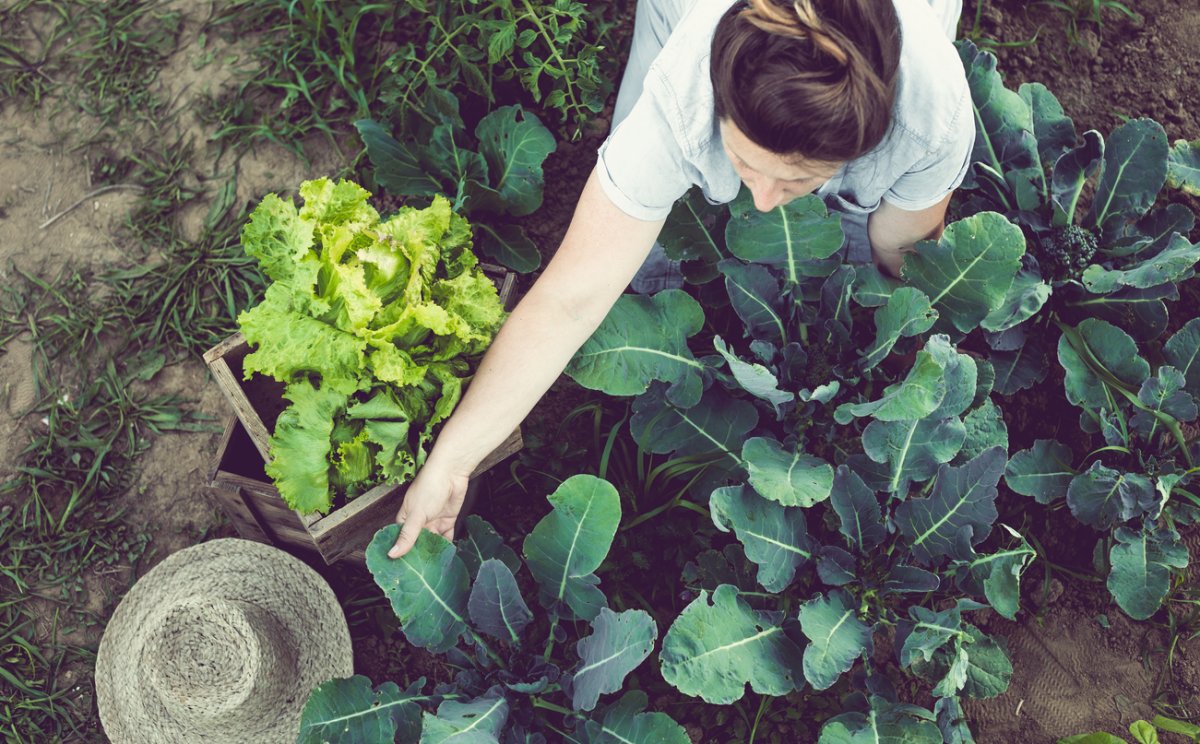
When summer tomatoes begin looking tired and zucchini plants seem determined to occupy the entire neighborhood, it is tempting to declare the vegetable garden finished. Do not put away the trowel yet. Late summer is the starting line for a productive fall vegetable garden filled with crisp roots, tender greens, and cold-tolerant crops.
Fall gardening offers several advantages. Cooler weather makes outdoor work more pleasant, many insect pests become less aggressive, and vegetables such as kale, carrots, collards, and turnips often develop better flavor after exposure to chilly temperatures. The major challenge is timing. Plants must become established before shortening days and cold soil slow their growth.
Gardening note: “Plant now” means different dates in Minnesota, Georgia, Oregon, and Texas. Find your area’s average first fall frost, check the days-to-maturity figure on each seed packet, and count backward. Add approximately 10 to 14 extra days because plants grow more slowly as daylight decreases.
How to Prepare a Garden Bed for Fall Vegetables
Begin by removing spent summer crops, fallen fruit, weeds, and visibly diseased plant material. Do not simply bury unhealthy vines and hope they develop better manners underground. Diseased debris can shelter pests and pathogens that return later.
Loosen the top several inches of soil and mix in finished compost. A balanced fertilizer may also be helpful if summer crops have consumed much of the bed’s available nutrition, but a soil test is the most reliable guide. Root vegetables need especially loose, stone-free soil so they can grow straight rather than producing shapes that resemble tiny garden monsters.
Late-summer seedbeds dry quickly. Water before planting, sow seeds at the recommended depth, and keep the surface consistently moist during germination. Temporary shade cloth, lightweight row cover, or a board placed abovenot directly onthe soil can reduce heat and evaporation. Remove any solid cover as soon as seedlings emerge.
15 Vegetables to Plant for a Fall Harvest
1. Bush Beans
Bush beans are warm-season plants rather than true cold-weather vegetables, but fast varieties can produce one more crop before frost. Many mature in roughly 45 to 60 days, making them useful where the frost-free season still has sufficient time remaining.
Direct sow bush beans in warm soil and choose compact, early-maturing cultivars. Avoid pole beans for this late planting because they generally need more time to establish vines and begin producing. Since even a light frost can kill bean plants, count backward from the first frost date and include at least a week or two for harvesting.
2. Beets
Beets provide two harvests from one modest row: sweet roots below ground and edible greens above it. Most varieties mature in approximately 50 to 70 days, although young leaves can be clipped earlier for salads.
Plant seeds directly in loose, fertile soil. Each rough beet “seed” is actually a cluster that may produce several seedlings, so thinning is important. Space the strongest seedlings a few inches apart and eat the extras as baby greens. Consistent moisture helps prevent tough, woody roots.
3. Bok Choy and Other Asian Greens
Bok choy, tatsoi, mizuna, Chinese broccoli, and similar Asian greens often struggle during hot weather because heat encourages bolting. Cooler fall conditions allow them to develop tender leaves, crisp stems, and a milder flavor.
Many baby varieties can be harvested in 30 to 45 days, while full-size heads may need 50 to 60 days. Direct sow seeds once the most intense summer heat begins to fade. A lightweight insect cover can protect young plants from flea beetles and caterpillars without requiring a pesticide parade.
4. Broccoli
Broccoli generally produces tighter, better-quality heads when it matures in cool weather. However, it is not an instant vegetable. Depending on the variety and whether you begin with seeds or transplants, it may need 60 to 90 days.
Gardeners in short-season regions should use sturdy transplants rather than direct sowing. Place plants in full sun, maintain even soil moisture, and provide fertile soil rich in organic matter. After harvesting the main head, leave the plant in place; many varieties produce smaller side shoots for several additional meals.
5. Cabbage
Cabbage is a reliable fall crop when given enough time, sunlight, and room. Fast varieties may mature in about 50 days, while large storage types can require 90 days or longer. Transplants are usually the safest choice for late-season planting.
Space plants according to their mature size and keep them growing steadily with consistent moisture. Sudden drought followed by heavy watering can cause mature heads to split. Watch for imported cabbageworms hiding beneath the leaves; those green caterpillars treat brassicas as an all-inclusive resort.
6. Carrots
Carrots tolerate cool weather and can remain in the soil after light freezes. Chilly conditions may even improve their sweetness as the roots accumulate sugars. Standard varieties often require 60 to 80 days, while small round or finger-shaped carrots may finish sooner.
Direct sow carrots in finely prepared soil because they dislike transplanting. Keep the shallow seedbed continuously moist until germination, which can take two weeks or more. Thin seedlings early so the remaining roots have room to expand. In colder regions, a thick straw mulch can help protect mature carrots for an extended harvest.
7. Collard Greens
Collards are among the toughest leafy vegetables for a fall garden. Established plants can tolerate frost, and cool weather often makes their broad leaves taste sweeter and less bitter.
Grow collards from seed or transplants in full sun and fertile soil. Harvest the lower outer leaves first while allowing the center to continue producing. This cut-and-come-again approach can supply greens for weeks. Give each plant adequate spacing because a healthy collard does not believe in personal restraint.
8. Green Onions
Full-size storage onions depend heavily on day length and usually require a long growing season. Green onions, scallions, and bunching onions are much faster, with some cultivars reaching usable size in 40 to 60 days.
Direct sow seeds in narrow rows or plant onion sets closely together. Harvest whenever the stems reach the thickness you prefer. Because the goal is tender tops and slim white bases rather than large bulbs, green onions fit easily along bed edges or between slower-growing crops.
9. Kale
Kale is practically the unofficial mascot of fall vegetable gardening. It germinates readily, tolerates frost, and can be harvested as baby greens or allowed to grow into large plants. Many varieties mature in approximately 40 to 65 days.
Direct sow kale or use transplants for a faster start. Pick lower leaves regularly and leave the central growing point untouched. Curly kale, lacinato kale, and Russian types differ in texture and cold tolerance, so choose varieties suited to your climate and kitchen. A little frost usually improves the flavor.
10. Lettuce
Lettuce dislikes midsummer heat, which can produce bitter leaves and premature flower stalks. Fall provides the cooler temperatures this salad favorite prefers. Loose-leaf varieties can be ready for baby-leaf harvesting in about a month.
Sow small amounts every one or two weeks for a continuous supply rather than planting the entire seed packet at once. During hot weather, give the seedbed afternoon shade and frequent light watering. As temperatures fall, row covers or a cold frame can keep lettuce productive beyond the first light frost.
11. Peas
Fall peas are rewarding but slightly risky. They need cool weather to flower well, yet they also require enough time to produce pods before hard freezes. Most varieties take approximately 60 to 80 days, and autumn growth may be slower than spring growth.
Select an early snow pea or snap pea and sow it as soon as local summer heat begins to moderate. Provide a short trellis at planting time so roots are not disturbed later. In regions with long, mild falls, peas can deliver a crisp late-season harvest. In colder climates, consider them an edible experiment rather than a guaranteed pension plan.
12. Radishes
Radishes are the sprinters of the fall garden. Small round varieties can mature in 25 to 35 days, allowing several succession plantings before the ground freezes. Cooler weather also helps produce crisp roots with a balanced peppery flavor.
Sow seeds directly and thin promptly. Crowded radishes may produce abundant leaves but disappointing roots. Keep the soil evenly moist and harvest as soon as the roots reach their expected size. Leaving them too long can result in cracked, woody, or excessively spicy radishes.
13. Summer Squash
Winter squash must be planted much earlier because its fruits require a long season to develop hard skins. Summer squash and zucchini mature much faster, so gardeners with at least 50 to 60 warm days remaining may squeeze in a final crop.
Direct sow an early bush variety in rich soil and full sun. Because squash cannot tolerate frost, this planting works best in regions with long autumns. Watch for squash bugs, vine borers, and powdery mildew. Harvest young fruits frequently to encourage continued production and prevent another baseball-bat-sized zucchini from appearing overnight.
14. Swiss Chard
Swiss chard tolerates light frost and remains productive through cool autumn weather. It typically reaches maturity in 50 to 60 days, but small leaves can be harvested much sooner. Colorful varieties with red, pink, orange, or yellow stems are attractive enough for ornamental beds.
Plant chard in full sun or light afternoon shade. Remove only the outer leaves, cutting them near the base, and allow the center to keep growing. Both the leaves and stems are edible, although thick stems benefit from a few extra minutes of cooking.
15. Turnips
Turnips are efficient fall vegetables because both their roots and leaves are edible. Many varieties mature in 45 to 60 days and tolerate light frost. Smaller salad turnips are especially quick and have a mild, juicy texture suitable for eating raw.
Direct sow seeds in loose soil and thin seedlings according to the size of the mature roots. Harvest some plants early for greens and leave others to form turnips. Even moisture helps roots remain tender. Roasted turnips are delicious, despite decades of unfair public relations from cafeteria steam tables.
Practical Tips for a More Productive Fall Vegetable Garden
Use the Frost Date, Not the Calendar Alone
Regional planting charts are useful starting points, but frost dates, elevation, soil temperature, and local weather patterns matter more than a nationwide calendar. Calculate each planting date by adding the crop’s maturity period to an additional fall growth allowance, then count backward from the first expected frost.
Choose Seeds and Transplants Strategically
Direct sow carrots, radishes, turnips, beets, beans, peas, and most quick greens. Use transplants for broccoli, cabbage, and other slow brassicas when the remaining season is short. Look for seed packets labeled “early,” “fast,” “baby,” or “short season.”
Protect Seedlings From Heat Before Protecting Them From Cold
The first challenge in a fall garden is often August heat, not October frost. Keep newly seeded beds damp, provide temporary afternoon shade, and apply a thin organic mulch after seedlings emerge. Later, floating row covers, low tunnels, cold frames, or supported sheets can protect crops during cold nights.
Plant in Succession
Sow lettuce, radishes, Asian greens, and turnips in small batches every one or two weeks. Succession planting prevents a kitchen crisis in which 47 radishes demand immediate attention on the same Tuesday.
Lessons From Planting a Fall Vegetable Garden
One of the most useful lessons from growing fall vegetables is that late-season gardening begins much earlier than autumn feels. The first time many gardeners attempt it, they wait until cool evenings arrive before opening the seed packets. The weather is comfortable, the mosquitoes have reduced their operations, and planting seems perfectly timed. Unfortunately, shorter days soon slow the seedlings, leaving tiny plants that survive but never produce much food.
A better experience begins with planning during midsummer. While tomatoes and peppers are still productive, identify which beds will become available first. Bush beans, early potatoes, cucumbers, and declining squash can often be followed by greens or root crops. Seeds can be purchased before garden centers replace them with holiday decorations and inflatable snowmen.
Hot-soil germination is another practical challenge. A row of lettuce or carrots may disappear simply because the soil surface dried for a few hours. Watering the furrow before sowing, covering seeds lightly, and checking moisture morning and evening can make a dramatic difference. Temporary shade is helpful, but it should not remain after seedlings emerge or they may become weak and stretched.
Fall gardens also teach restraint. Planting an entire packet of radishes feels productive until every root matures simultaneously. Small succession sowings provide better quality and reduce waste. The same principle applies to lettuce and Asian greens. A short row planted every 10 to 14 days is generally more useful than one enormous planting that transforms the refrigerator into a commercial produce warehouse.
Another lesson is that cold tolerance varies considerably. Kale and collards may look refreshed after frost, while beans and squash can collapse after one cold night. Grouping crops by tenderness makes protection easier. Place vulnerable plants together where they can be covered quickly, and reserve the most exposed beds for hardy vegetables.
Row covers are especially valuable. They protect seedlings from several insect pests early in the season and provide limited frost protection later. Covers should be supported over delicate plants and secured at the edges. On warm sunny days, ventilation may be necessary to prevent overheating.
Finally, fall gardening rewards observation more than perfection. Record sowing dates, varieties, weather, pest problems, and harvest results. A variety that matures successfully in one region may be too slow in another. After two or three seasons, these notes become a customized planting calendar more valuable than any generic chart.
The greatest surprise is often how enjoyable the garden becomes once summer heat fades. Weeding is less punishing, watering demands usually decline, and harvesting greens on a crisp morning feels far more civilized than wrestling zucchini vines in 95-degree weather. Even a modest fall planting can extend the homegrown season and turn an apparently finished garden into a productive second act.
Conclusion
A successful fall vegetable garden depends on choosing quick-growing or cold-tolerant crops and planting them early enough to mature. Bush beans and summer squash can provide a final warm-season harvest where frost remains distant, while beets, carrots, kale, collards, radishes, chard, and turnips welcome cooler conditions.
Start with your average first frost date, select short-season varieties, refresh the soil, and maintain steady moisture during germination. Add succession planting and simple frost protection, and the garden can continue producing long after the tomatoes have submitted their formal resignation.