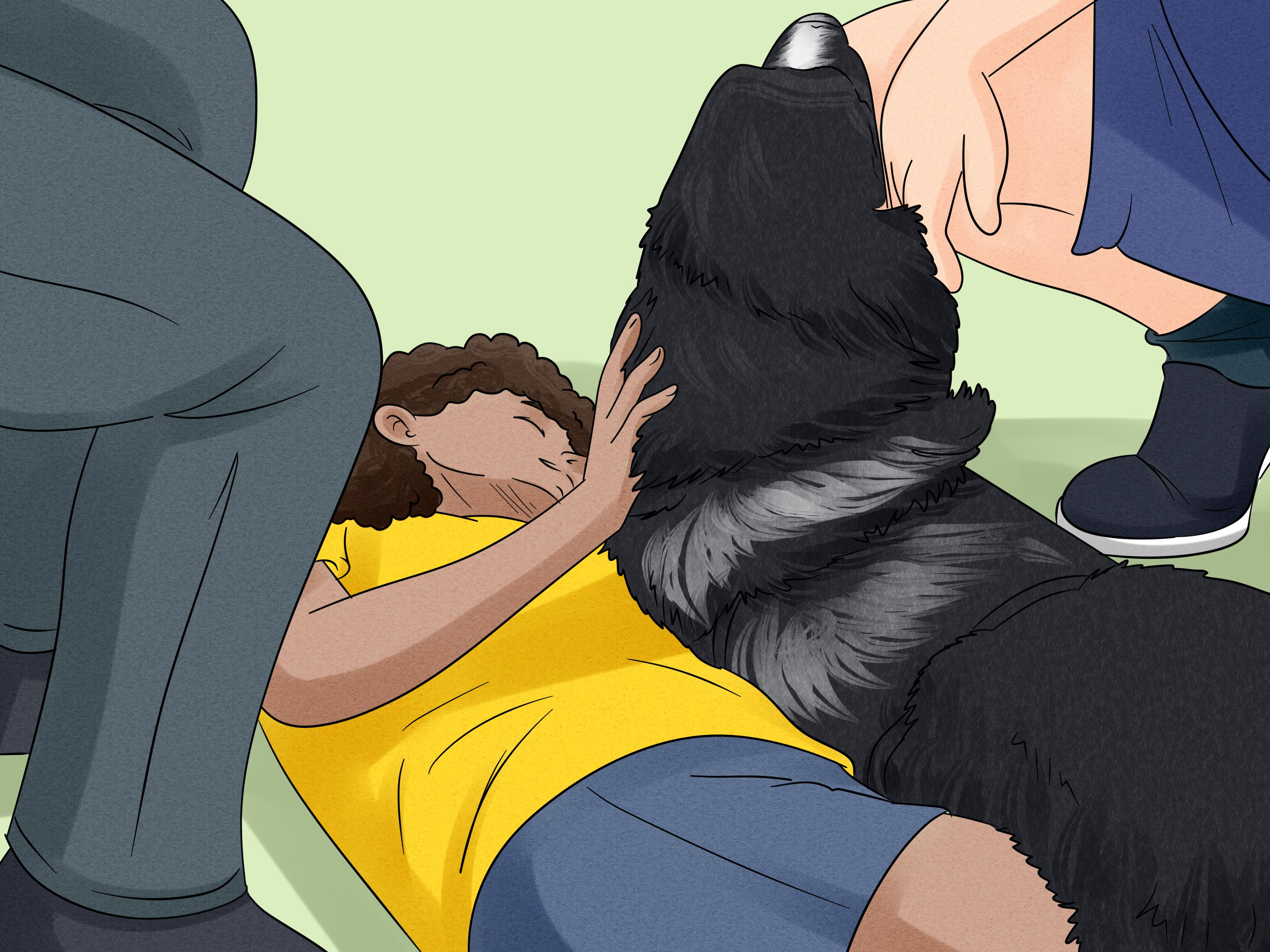
Training your own service dog is not a tiny weekend hobby you squeeze between laundry and leftovers. It is a serious, structured, long-term commitment that asks you to be part coach, part teammate, part behavior nerd, and part walking treat pouch. The good news? Many handlers successfully owner-train their dogs. The less-cute news? It takes consistency, patience, realistic expectations, and a dog with the right temperament for the job.
If you are planning to train a service dog without a professional trainer, your mission is not simply to teach “sit” and hope for the best. Your dog must learn task work that directly helps with your disability, along with calm, reliable behavior in real life. That means no lunging, no public meltdowns, no begging for fries under restaurant tables like a tiny furry lobbyist.
This guide breaks down 14 practical ways to train your service dog on your own, using humane, effective methods and real-world structure. You will also learn how to build public-access manners, strengthen task training, avoid common mistakes, and stay sane while doing it.
Can You Really Train Your Own Service Dog?
Yes, in the United States, a person with a disability can train their own service dog. You do not have to use a professional trainer, and there is no federal requirement for a special vest, ID card, or certification. What matters is whether the dog is individually trained to do work or perform tasks related to the handler’s disability and whether the dog can behave appropriately in public.
That said, owner-training is not the easier route. It is usually the more affordable route, but not the faster one. You must teach foundation skills, public-access behavior, task work, and handler communication. You also need to be honest about your dog’s limits. Not every sweet dog is service-dog material. Some dogs are wonderful companions but not suited for the pressure of working around strangers, noise, food, carts, doors, children, and a man loudly FaceTiming in the cereal aisle.
Before You Begin: Set Your Dog Up for Success
Start with three basics: health, temperament, and a plan. Your dog should be physically sound, emotionally stable, comfortable around people, and able to recover from distractions without falling apart. A dog that is highly fearful, aggressive, overly reactive, or easily overwhelmed may not be a good candidate for service work.
Next, build a training system. Pick a marker word such as “yes” or use a clicker. Decide what rewards your dog loves most: tiny treats, toys, praise, or a quick game. Keep sessions short and repeat them often. Think “many good reps” instead of “one heroic marathon.” Service dogs are built through hundreds of ordinary moments practiced well.
Finally, keep a training log. Write down what you practiced, what went well, what distracted your dog, and what needs work. Progress feels less mysterious when it is written down.
14 Ways to Train Your Service Dog Without a Professional Trainer
1. Build Engagement Before You Build Obedience
Before your dog can work for you, your dog needs to want to work with you. Engagement means your dog checks in, responds to your voice, and treats you like the most interesting thing in the room. That does not happen by magic. It happens when you consistently reward attention, eye contact, and voluntary focus.
Start in a quiet room. Say your dog’s name once. The moment your dog looks at you, mark and reward. Take a few steps away. Reward your dog for following. Pause and reward check-ins. This creates the habit of orientation to you, which becomes priceless later in public spaces where squirrels, shopping carts, and random toddlers all believe they are the main character.
2. Master the Foundational Cues First
A service dog needs excellent basic skills. Teach sit, down, stand, stay, come, leave it, heel or loose-leash walking, place, and settle. These are not “nice extras.” They are the scaffolding for everything else.
Break each cue into tiny steps. Lure if needed, then fade the lure quickly so your dog responds to the cue, not to the visible cookie. Practice in short sessions until the behavior is reliable at home. Then add duration, distance, and distraction one piece at a time.
If your dog cannot lie quietly on a mat in your living room, your dog is not ready to do it in a doctor’s office waiting room where the magazines are old and the stakes are high.
3. Use Positive Reinforcement With Precise Timing
Reward the behavior you want the moment it happens. Timing matters. If your dog glances at you and then jumps on a chair while you fumble for a treat, you may accidentally reward “chaotic furniture decisions” instead of focus.
Use high-value rewards for high-value work. For easy behaviors in low-distraction settings, kibble may be fine. For difficult behaviors around distractions, bring better paychecks. Chicken, cheese, freeze-dried treats, or a favorite toy can make a huge difference.
Clear communication builds confident dogs. Confused dogs do not become polished service dogs. They become little lawyers who argue every cue.
4. Train in Short Sessions, but Train Often
Most dogs learn better with brief, frequent sessions than with one long, exhausting lesson. Aim for five to ten minutes at a time, several times a day. End while your dog is still successful and interested.
This approach helps prevent frustration and keeps motivation high. It also fits real life better. You do not need a perfect 90-minute training block and a mountain retreat. You need consistency in your kitchen, hallway, driveway, parking lot, and local pet-friendly store.
5. Proof Every Skill in Layers
A dog who knows “down” in your bedroom may act like you are speaking ancient poetry when you ask for it near a grocery cart. That is normal. Dogs do not generalize well unless you teach them to.
Proofing means practicing the same skill in many places, with many distractions, and under different levels of difficulty. Start easy. Then slowly add one challenge at a time: a new room, a friend walking by, a dropped spoon, a different floor surface, a busier sidewalk.
Think of training like turning up the volume one click at a time, not slamming the speakers to full blast.
6. Teach a Rock-Solid Settle
One of the most underrated service dog skills is doing absolutely nothing with elegance. A good settle means your dog can lie quietly by your side under a chair, desk, or table without fidgeting, whining, sniffing strangers, or trying to launch a side quest.
Teach settle first at home with a mat or blanket. Reward calm body language: hip rolled, head down, relaxed breathing. Gradually extend the duration. Then move to calm public environments and repeat. A strong settle makes public access smoother and reduces stress for both handler and dog.
7. Train Loose-Leash Walking Like It Is a Superpower
Public access falls apart fast when the leash looks like a tug-of-war championship. Loose-leash walking is essential for safety, control, and credibility. Reward your dog for walking near your side with the leash slack. Stop when the leash tightens. Resume when your dog returns to position.
Change direction often to keep your dog engaged. Reward frequently in the early stages. Practice near driveways, sidewalks, stores, and parking lots. Service work often involves moving through tight spaces, automatic doors, crowds, and waiting lines. Your dog should move with you, not against you.
8. Create Neutrality Around People, Dogs, and Food
Your dog does not need to adore the public. Your dog needs to ignore the public. Neutrality is more important than friendliness in service work. A service dog should not solicit petting, stare at other dogs, drag you toward children, or investigate every cracker crumb on the floor like a tiny food detective.
Reward calm observation. If your dog sees a distraction and then looks back at you, mark and reward. Increase distance if your dog is too stimulated to think. Neutrality is built gradually through controlled exposure and repetition, not by tossing your dog into overwhelming situations and hoping for character development.
9. Shape Public-Access Skills in Pet-Friendly Places First
If you are owner-training, do not jump from your living room straight to a crowded hospital lobby. Start in dog-friendly environments where training is allowed. Practice entering calmly, walking through aisles, ignoring dropped food, tucking under a chair, staying focused near carts, and waiting quietly at checkout.
Create mini-goals for each outing. Maybe today you practice entering and exiting. Tomorrow you add a three-minute settle. The next day you work on elevator manners. Small wins stack into big reliability.
Also remember that federal law does not automatically grant public-access rights to dogs still in training, so you need to know your state and local rules before bringing a dog-in-training into non-pet-friendly spaces.
10. Train Tasks That Directly Mitigate Your Disability
Task training is what separates a service dog from a very polite pet. The task must be directly related to the handler’s disability. Examples may include retrieving dropped items, opening or closing doors, alerting to sounds, interrupting specific behaviors, providing medication reminders, guiding to an exit, bracing only when medically and ethically appropriate, or performing trained responses during episodes of disability-related need.
Pick one task at a time. Break it into teachable pieces. For retrieval, teach hold, pick up, carry, and hand delivery separately before chaining them together. For interruption tasks, begin with a clear cue, reward the target behavior, then gradually pair it with the real-life context in which it is needed.
Task training is where patience becomes your best friend. You are not downloading software. You are building behavior brick by brick.
11. Generalize Tasks to Real Life, Not Just Practice Drills
A task that works in your hallway but disappears in public is not finished. Once a task is reliable at home, practice it in different rooms, outside, at a friend’s house, in the car, and in pet-friendly public spaces where appropriate.
You want your dog to understand the job, not just the wallpaper. Add realistic body positions, clothing changes, bags, mobility equipment, background noise, and routine interruptions. Real life is messy. Training should prepare for that.
12. Keep a Public-Access Checklist and Scorecard
Guesswork is not a training plan. Make a checklist of service-dog standards you expect before your dog works in public full time. Include house training, quiet settling, calm entries and exits, no jumping, no barking, no scavenging, no pulling, no greeting strangers, response to cues, recovery from distractions, and reliable task performance.
Score each item honestly. If your dog struggles with shopping carts, note it. If your dog can settle for twelve minutes but starts wiggling at fifteen, note that too. This helps you spot patterns and measure progress with less emotion and more clarity.
13. Practice Handler Skills, Not Just Dog Skills
Owner-training is not only about teaching the dog. It is also about teaching yourself. You need to learn leash handling, reward timing, body language, reading stress signals, pacing outings, and ending sessions before your dog melts into canine applesauce.
Video your sessions when possible. You may notice that you repeat cues, lean forward too much, reward late, or accidentally tighten the leash every time a distraction appears. Dogs often reveal our habits with brutal honesty and zero concern for our ego.
14. Know When to Slow Down, Step Back, or Get Help
Training your own service dog does not mean refusing help forever like a proud hero in a movie montage. It means you are leading the process. If your dog shows persistent fear, reactivity, aggression, shutdown behavior, pain, or task confusion, pause and reassess. A veterinarian should rule out medical issues, and a qualified, humane trainer or veterinary behavior professional may still be necessary for specific problems.
Sometimes the most responsible thing you can do is admit a dog is not suited for service work. That is not failure. That is ethical handling. A washed prospect can still be a wonderful pet. The goal is not to force a title onto a dog. The goal is to build a safe, reliable partner.
Common Mistakes to Avoid
The biggest mistake is moving too fast. Handlers often rush into public access before the dog is ready, then blame the dog for struggling in an environment that would challenge a seasoned professional. Another common mistake is confusing emotional comfort with trained task work. Comfort can be meaningful, but for service work, the dog must be trained to perform tasks related to the handler’s disability.
Other pitfalls include inconsistent cues, long boring sessions, poor reward timing, skipping proofing, and overlooking stress signals. Lip licking, yawning, scanning, sniffing off, pinned ears, frantic panting, or sudden refusal can all mean your dog is overwhelmed. Service training should build confidence, not erode it.
A Simple Weekly Owner-Training Structure
To keep things organized, divide your week into categories:
- Foundation: focus, recall, position changes, stays, loose-leash walking
- Calm behavior: settle on mat, waiting quietly, ignoring distractions
- Task work: shaping, chaining, cue response, real-life application
- Public practice: short pet-friendly outings with one or two goals
- Review: notes, videos, stress signs, what to repeat next week
This structure keeps your training balanced. It also prevents the classic trap of doing only the fun part while the boring-but-essential manners quietly fall apart in the background.
Final Thoughts
Training your own service dog without a professional trainer is possible, but it works best when you treat it like a long-term craft, not a shortcut. Focus on engagement, strong basics, public-access manners, ethical task training, and realistic progression. Reward generously. Keep your standards high. Go slower than your impatience wants. Then go slower again.
The result is not just a better-trained dog. It is a clearer partnership between handler and dog, built one repetition at a time. And that kind of teamwork is worth far more than any flashy vest bought online at 2 a.m.
Real-World Owner-Training Experiences: What the Journey Actually Feels Like
On paper, owner-training a service dog sounds wonderfully tidy. You make a plan, teach the cues, proof the skills, and eventually stroll through public spaces like a calm, coordinated dream team. In real life, the journey usually looks more human than heroic. One day your dog nails a perfect settle under a café table, and you briefly consider writing a motivational memoir. The next day the same dog forgets how doors work because someone nearby opened a bag of chips.
Many owner-trainers describe the experience as a series of tiny breakthroughs. The first time your dog ignores a stranger and checks in with you instead, it feels huge. The first clean retrieval in a distracting environment feels even bigger. The first outing where you realize you spent more time functioning and less time micromanaging the leash can feel like a genuine life improvement, not just a training milestone.
There is also an emotional side that people do not always mention. Training your own service dog can deepen trust in a way that feels very personal. You learn your dog’s stress signals, working rhythm, favorite rewards, and weird little preferences. Maybe your dog focuses better after a sniff break. Maybe left turns are easier than right turns. Maybe a quieter parking lot works better as a warm-up before a harder outing. These details become part of your shared language.
At the same time, owner-training can be frustrating. Progress is rarely linear. A dog may do beautifully for two weeks, then hit an adolescent phase, a fear period, or a distraction spike that makes you feel like the training fairy packed up and left town. That does not always mean you are failing. Often it means the dog is still developing and needs clearer steps, easier setups, or more repetition.
Handlers who succeed over time tend to have one thing in common: they stop chasing perfection in every session. Instead, they chase clarity, consistency, and recovery. A messy outing is not the end of the story. It is data. A stalled task is not a disaster. It is information. The dog who needs a step back today may come back stronger next month because you respected the process instead of forcing it.
That is the heart of owner-training. It is not glamorous every day, but it can be deeply rewarding. You are not just teaching commands. You are building a working partnership that fits your actual life. And when it starts to click, even in small, ordinary ways, it feels less like training and more like teamwork finally becoming fluent.