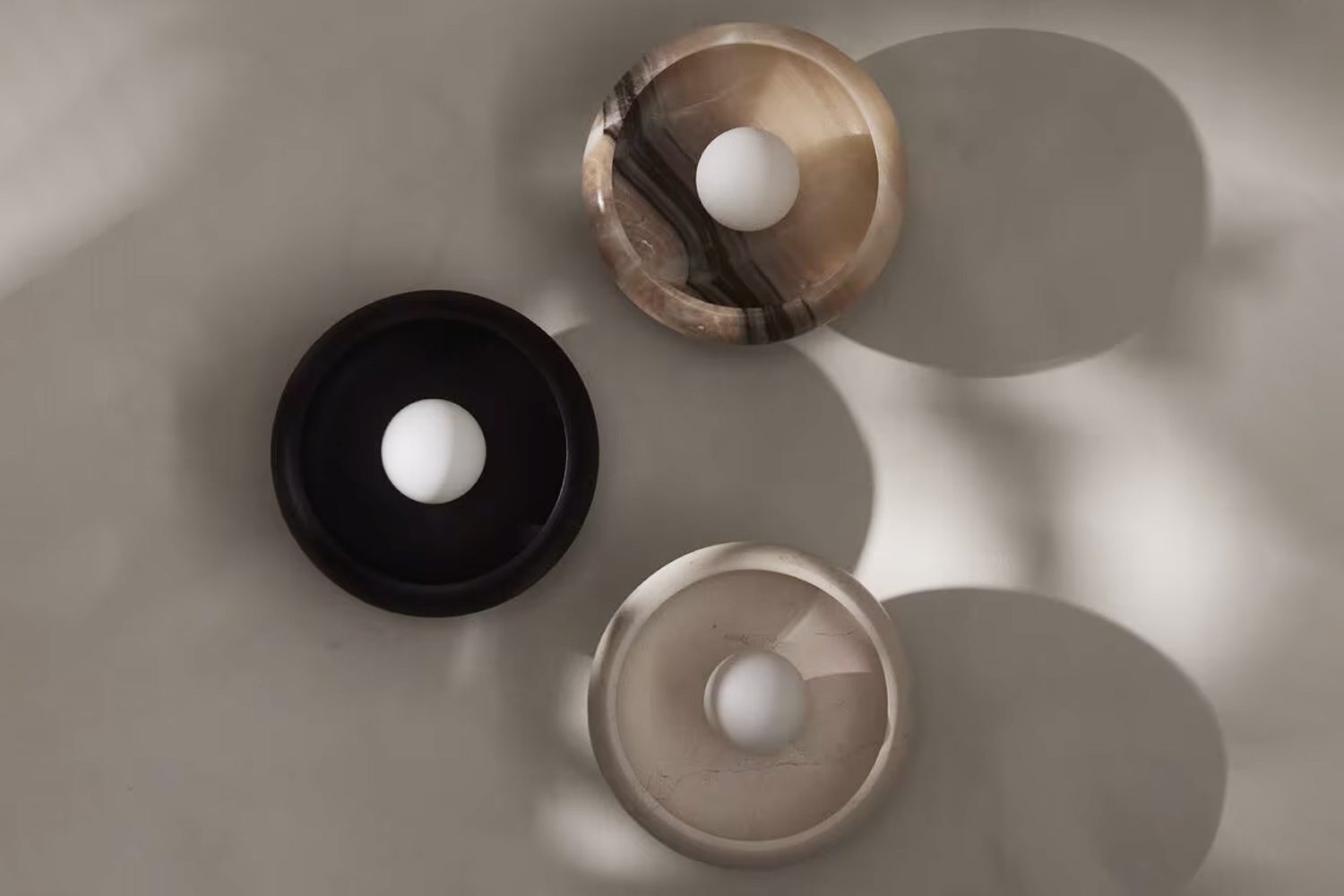
Wall-mounted stone sconces are what happens when lighting stops whispering, “I am useful,” and starts saying, “I may have been carved by a glamorous mountain.” Whether made from alabaster, marble, travertine, or stone-like composite, these fixtures bring texture, warmth, and architectural drama to a wall without stealing floor space, tabletop space, or your last remaining inch of sanity.
The best stone wall sconces do more than glow. They soften a hallway, frame a bathroom mirror, dress up a bedside wall, or turn a plain dining room into the kind of place where guests suddenly lower their voices and ask where you found “that light.” Natural stone has personality: veining, opacity, color shifts, tiny imperfections, and the occasional dramatic streak that looks like it has secrets. That is exactly the point.
This guide gathers ten easy pieces inspired by current wall-mounted stone sconce trends in American interiors: alabaster globes, marble slabs, fluted forms, sculptural demi-lunes, indoor/outdoor stone lights, and minimalist fixtures that make the wall itself feel designed. Think of it as a practical shopping and styling roadmap, not a museum tour. No velvet ropes here.
Why Wall-Mounted Stone Sconces Are Having a Moment
Interior lighting has moved far beyond the old formula of one ceiling light plus one lonely lamp trying its best in the corner. Designers now use layered lighting: overhead lighting for general brightness, task lighting for function, and accent lighting for atmosphere. Stone sconces fit beautifully into that third category while still being useful enough for hallways, vanities, bedsides, and dining spaces.
Alabaster is especially popular because it is naturally translucent. When light passes through it, the stone does not simply “shine”; it glows. The effect is warm, diffused, and flattering, like candlelight after a college degree. Marble, meanwhile, brings stronger pattern and sculptural presence. Travertine adds earthy texture and quiet Mediterranean energy. Each material behaves differently, but all three give a wall depth that flat metal or plain glass rarely achieves.
Another reason stone sconces work so well is scale. A large chandelier announces itself from the ceiling. A stone sconce creates a smaller but more intimate moment. In a hallway, it adds rhythm. Beside a bed, it frees up the nightstand. In a bathroom, it can make daily grooming feel less like standing under interrogation lighting. In an entryway, it offers a stylish first impression without shouting at the mail carrier.
10 Easy Pieces: Wall-Mounted Stone Sconces to Know
1. The Elongated Alabaster Sconce
An elongated alabaster sconce is a smart choice for narrow walls, stair landings, and tall bathroom mirrors. Its vertical profile draws the eye upward, making the room feel more architectural. Many designer versions pair carved alabaster with brass, bronze, or blackened metal, which creates a handsome contrast between soft stone and crisp structure.
This style works especially well in modern interiors where the furniture has straight lines. The rounded translucency of the stone softens the geometry, preventing the room from feeling like it was designed by a very stylish calculator.
2. The Alabaster Globe Sconce
The alabaster globe sconce is simple, friendly, and hard to dislike. A round stone shade mounted to a metal backplate creates a soft pool of light that feels relaxed but polished. Because the form is compact, it can suit powder rooms, small hallways, reading nooks, and bedside walls.
Look for a globe with visible veining if you want a more organic look. Choose a cleaner, milkier stone if your home leans minimalist. Either way, no two natural alabaster shades will be exactly alike, which is a polite way of saying your wall light has better individuality than most office coffee mugs.
3. The Demi-Lune Stone Sconce
A demi-lune sconce, shaped like a half moon, is one of the most versatile stone lighting designs. Mounted flat against the wall, it often casts light upward, downward, or both. That makes it excellent for hallways, dining rooms, and living areas where you want glow rather than direct beam.
The curved stone face also gives a room a softer silhouette. In alabaster, the effect is creamy and quiet. In marble, it becomes bolder and more graphic. This is a good “first stone sconce” because it feels elevated without demanding that the rest of the house immediately dress up.
4. The Fluted Marble Wall Sconce
Fluted marble sconces add texture before the light is even turned on. A rippled or carved stone face catches shadow during the day, then becomes more dimensional at night. White marble versions look crisp and gallery-like, while darker marble creates a moodier, richer effect.
This style is particularly attractive beside fireplaces, in formal dining rooms, or along a hallway with plaster, limewash, or painted paneling. The fluting gives the fixture a vintage note, but the wall-mounted form keeps it fresh.
5. The Travertine-and-Glass Sconce
Travertine sconces are for people who want texture but not sparkle. A block of travertine paired with cast glass, opal glass, or a hidden LED source can feel earthy, warm, and quietly luxurious. The stone’s porous surface adds character, especially in homes with wood floors, linen upholstery, plaster walls, or neutral palettes.
Travertine is also a strong choice for transitional rooms where a bright brass or polished chrome fixture might feel too shiny. It brings a grounded quality, as if the wall has been doing yoga and drinking mineral water.
6. The Sculptural Alabaster Cylinder
A cylindrical alabaster wall sconce brings order and calm. It can read modern, Art Deco, or quietly hotel-like, depending on the metal finish and proportion. A slim cylinder works well on either side of a mirror, while a thicker version makes a stronger decorative statement in a hallway or bedroom.
For bathrooms, check whether the fixture is damp-rated. Stone itself may feel timeless, but electrical ratings are not the place to get poetic. If the sconce will be near a shower, tub, or sink, confirm the location rating before installation.
7. The Indoor/Outdoor Stone Sconce
Some stone sconces are designed for both indoor and outdoor use, giving patios, covered entries, and exterior walls a refined alternative to the usual lantern shape. A round alabaster or stone-like shade can look striking beside a front door, especially against stucco, brick, or dark-painted siding.
For exterior use, pay attention to wet or damp ratings, exposure, and mounting conditions. Outdoor lighting also benefits from scale: one larger sconce may suit a single door, while two smaller sconces can flank a wider entry. The goal is welcoming, not “airport runway.”
8. The Brass-and-Alabaster Statement Sconce
Brass and alabaster are a classic pairing because both materials warm each other up. Brass adds polish; alabaster diffuses the light. Together, they look intentional without feeling cold. This combination is especially effective in dining rooms, bedrooms, and living rooms with warm woods, cream upholstery, or antique accents.
Choose aged brass or burnished brass for a softer, lived-in look. Polished brass feels brighter and more glamorous. Bronze or blackened brass can make the stone appear even creamier by contrast.
9. The Minimalist Stone Disc
A stone disc sconce is ideal for modern homes that need texture but not visual clutter. The shape is simple: usually a round or oval stone face with a hidden or subtle light source. The effect is architectural, almost like illuminated wall art.
This is a great option for stairwells, long corridors, and rooms where the furniture already has a lot going on. A minimalist disc says, “I have taste,” but it does not say, “Please rearrange the sofa around me.”
10. The Double-Light Alabaster Sconce
A double-light alabaster sconce gives more presence and more illumination, making it useful for vanities, larger bedrooms, and statement walls. Two stone shades can balance a wide mirror, frame artwork, or provide enough ambient light for a small powder room.
Because natural stone can be heavy, pay attention to installation requirements. Some premium stone fixtures require proper junction boxes, secure mounting hardware, and professional installation. This is not the moment for “I watched half a video and found a screwdriver.”
How to Choose the Right Stone Sconce for Your Space
Start With the Room’s Job
Before choosing a fixture, decide what the sconce needs to do. A hallway sconce can be primarily atmospheric. A bathroom sconce needs to help you see your face without creating horror-movie shadows. A bedside sconce should be comfortable for reading, relaxing, and reaching the switch without performing gymnastics.
If the sconce is for task lighting, consider brightness, bulb type, and direction. If it is for mood, prioritize diffusion and dimming. Stone sconces often excel at warm ambient light, but not all of them are ideal as the only light source in a room.
Mind the Color Temperature
Warm light is usually the friendliest partner for stone. Bulbs around 2700K create a cozy glow that flatters alabaster, marble, and travertine. A slightly cooler 3000K can work in bathrooms or kitchens where clarity matters, but very cool light may make natural stone feel harsh or gray.
Dimmers are strongly recommended. A stone sconce at full brightness can be useful; the same sconce dimmed at night can become pure atmosphere. It is like giving your wall a volume knob.
Check the Projection
Projection refers to how far the fixture extends from the wall. In tight hallways, staircases, and small rooms, a low-profile sconce may be safer and more comfortable. Some wall lights are designed to meet accessibility standards by projecting no more than four inches from the wall when mounted within certain height ranges.
Even when strict compliance is not required, projection matters. A beautiful sconce that catches shoulders, bags, or elbows is not a design feature; it is a tiny obstacle course.
Think About Stone Variation
Natural stone varies in tone, veining, and translucency. That is part of its charm. If you need a perfectly identical pair, stone may test your emotional flexibility. When ordering two sconces for either side of a mirror or bed, buy from the same retailer and check whether the pieces can be visually matched.
Some variation looks rich and authentic. Too much contrast can feel accidental. The sweet spot is “sisters, not twins.”
Where Wall-Mounted Stone Sconces Look Best
In the Hallway
Hallways love sconces because they often lack space for furniture or lamps. Install a series of stone sconces to create rhythm and soften the tunnel effect. A repeated alabaster cylinder or globe can make even a plain hallway feel thoughtfully designed.
Beside the Bed
Stone sconces beside a bed free up nightstand space and create a boutique-hotel look. Choose a fixture with gentle diffusion, a reachable switch, or dimmer compatibility. If you read in bed, make sure the light direction and brightness are practical, not just pretty.
In the Bathroom
Stone sconces on either side of a mirror can be extremely flattering when placed around eye level. Vertical alabaster shades are especially useful because they distribute light evenly across the face. Always verify damp ratings for bathroom use.
In the Dining Room
Dining rooms benefit from wall lighting because sconces add glow at eye level while a chandelier or pendant handles the table. Marble or alabaster sconces can bring intimacy to dinner, even if the menu is takeout pretending to be plated cuisine.
Near Artwork or Architectural Features
A stone sconce can frame art, highlight built-ins, or emphasize a fireplace. Just avoid placing sconces too close to framed glass, glossy screens, or mirrors where glare may become annoying. A little drama is good. A bright reflection in your eye during movie night is not.
Installation and Care Tips
Most wall-mounted stone sconces are hardwired, which means professional installation is often the safest route. Stone fixtures can be heavier than glass or fabric-shade sconces, so secure mounting matters. Check the product’s required junction box, weight, projection, bulb type, maximum wattage, and location rating before buying.
For care, keep it simple. Dust stone shades with a soft, dry cloth. Avoid harsh cleaners, acidic sprays, abrasive pads, or anything that sounds like it belongs in a garage. Marble and alabaster can be sensitive to chemicals, and the goal is to clean the sconce, not exfoliate it into regret.
If the fixture uses replaceable bulbs, choose LEDs with the right base, wattage equivalent, and color temperature. If the sconce has integrated LED lighting, check the listed brightness, color temperature, and expected life span. Integrated LEDs can look sleek, but replacement may involve the fixture rather than just the bulb.
Design Experience: What It Feels Like to Live With Stone Sconces
Living with wall-mounted stone sconces is different from living with ordinary wall lights. At first, you notice the beauty: the veining, the glow, the sculptural form. Then, after a few days, you notice the mood. A hallway feels calmer. A bedroom feels more finished. A bathroom mirror becomes less aggressive. The room stops relying on one overhead light and starts behaving like it has layers, depth, and perhaps a small trust fund.
The biggest practical lesson is that placement is everything. A stone sconce mounted too high can look disconnected from the room. Mounted too low, it may glare or feel awkward. Around 60 to 66 inches from the floor to the center of the fixture is a common starting point for many interiors, while bathroom vanity sconces often work best around eye level. But the best height depends on the fixture, ceiling height, mirror size, and who actually uses the room.
Another experience worth mentioning: stone changes with light. During the day, an alabaster shade may look creamy, quiet, and almost matte. At night, the same piece can reveal veining you barely noticed before. Marble may look bold in daylight and softer when lit from behind or beside. Travertine can cast a warm, textured shadow that makes walls feel less flat.
If you are choosing sconces for a pair, especially beside a bed or mirror, open the boxes before installation and compare the stone. Natural variation is lovely, but a very pale shade next to a heavily veined one may look mismatched. A good installer can sometimes swap left and right positions to create better balance. This is the lighting version of arranging family members for a photo: everyone has a good side.
Stone sconces also encourage better lighting habits. Once you have them, you may stop using overhead lights so often. In bedrooms and living rooms, that can make evenings feel softer and more restful. In dining spaces, sconces help create a flattering glow that makes food, faces, and even slightly chaotic dinner conversations look better.
The main drawback is commitment. Hardwired sconces require planning. You need electrical boxes in the right place, measurements before ordering, and a clear idea of furniture placement. Unlike a table lamp, a wall sconce cannot simply move three inches left because you “felt weird about it after lunch.” Measure carefully, tape the fixture dimensions on the wall, and view it from sitting and standing positions before installation.
Finally, stone sconces are best treated as long-term design elements. They are not trendy in the disposable sense. Alabaster, marble, and travertine have been used in interiors for centuries because they bring natural depth that manufactured materials often imitate but rarely equal. A good stone sconce can outlast paint colors, pillow trends, and that brief moment when everyone thought neon signs belonged in breakfast nooks.
Conclusion: A Small Fixture With Serious Presence
Wall-mounted stone sconces are easy pieces in the best sense: compact, practical, and surprisingly transformative. They add light, texture, and architectural interest without requiring a full renovation. Whether you choose a glowing alabaster globe, a fluted marble slab, a travertine block, or a brass-and-stone statement piece, the right sconce can make a room feel warmer, calmer, and more considered.
The key is to choose for both beauty and function. Check the scale, projection, brightness, location rating, bulb requirements, and installation needs. Match the stone to the room’s mood. Use dimmers when possible. And remember that natural variation is not a flaw; it is the reason stone lighting feels alive.
In a world full of flat walls and harsh overhead lighting, a stone sconce is a small rebellion. A tasteful one. A glowing one. The kind your hallway will thank you for.