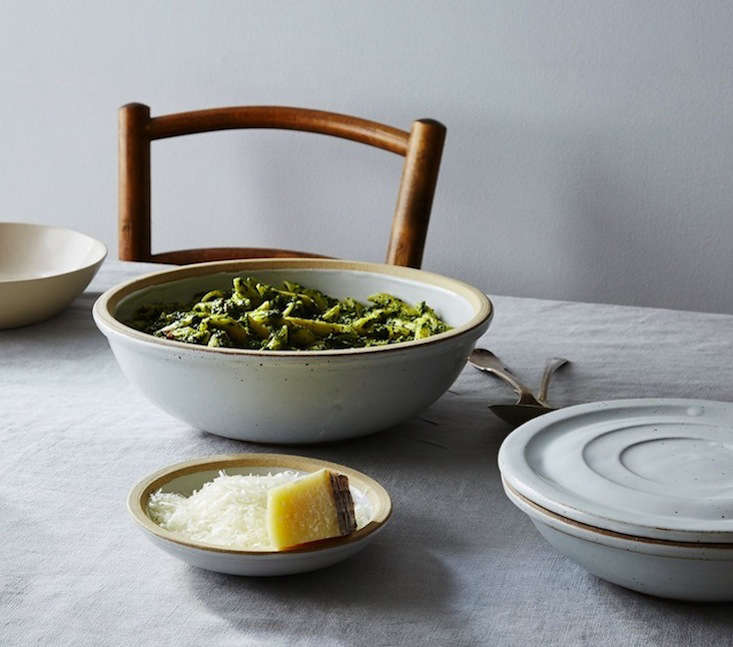
Holiday kitchens have a special talent for producing three things in abundance: good smells, happy guests, and a terrifying number of dirty dishes. Handmade ceramic nesting bowls cannot prevent Uncle Larry from debating politics before dessert, but they can make food preparation, serving, and storage considerably more beautiful.
Unlike ordinary mixing bowls that disappear into a cabinet until pancake day, artisan ceramic bowls are designed to be seen. Their hand-thrown profiles, speckled clay bodies, softly irregular rims, and layered glazes give them enough personality to live permanently on an open shelf or kitchen counter. When nested, they occupy surprisingly little room. When separated, they can handle everything from whisking vinaigrette to serving roasted vegetables.
The following ten designs represent some of the most memorable approaches to handmade ceramic nesting bowls. Availability can change because studio pottery is often produced in small batches, but each piece offers useful inspiration for choosing a practical holiday giftor upgrading your own kitchen before the relatives arrive.
Research basis:
Why Handmade Ceramic Nesting Bowls Make Excellent Holiday Gifts
A successful kitchen gift should be attractive without becoming another decorative object that must be dusted forever. Ceramic nesting bowls pass that test because they are decorative, functional, and naturally space-saving.
The smallest bowl can hold flaky salt, chopped herbs, toasted nuts, or jewelry beside the sink. Medium bowls are useful for sauces, side dishes, fruit, and baking ingredients. The largest bowl can mix cookie dough on Tuesday, serve salad on Wednesday, and become a centerpiece filled with citrus fruit on Thursday. That is a respectable work schedule for any household object.
Handmade pottery also carries visible evidence of its production. Subtle throwing lines, glaze variations, finger marks, and imperfectly matched rims remind the owner that a person shaped the piece rather than a machine stamping out ten thousand identical copies. In a season dominated by overnight shipping and mass-produced gift bundles, that human quality feels especially meaningful.
10 Handmade Ceramic Nesting Bowl Ideas for the Holidays
1. Infinity Bowls: A Sculptural Seven-Piece Set
The Infinity Bowls created by ceramicist Clair Catillaz are a dramatic example of nesting pottery as functional sculpture. The original set included seven wheel-thrown bowls made from porcelain and stoneware, finished with hand-mixed glaze. Because the glaze was mixed and applied by hand, every set developed its own tonal shifts and surface character.
Seven bowls may sound excessive until holiday cooking begins. Suddenly, one is holding melted butter, another contains chopped pecans, and three more are occupied by ingredients you were absolutely certain would fit into one bowl. The graduated sizes support serious meal preparation while forming a compact, tiered display when stacked.
This style works best for the enthusiastic cook, frequent host, or design lover who believes kitchen equipment should look good enough to qualify as art.
Research basis:
2. Christiane Perrochon White-Beige Stoneware Bowls
For a quieter holiday table, Christiane Perrochon’s white-beige stoneware bowls offer an elegant study in neutral color. Handmade in Italy, these bowls are known for organic proportions and softly varied surfaces rather than sharp, factory-perfect symmetry.
The pale palette works beautifully with nearly any holiday menu. Cranberry sauce looks brighter, roasted carrots appear richer, and dark chocolate desserts gain dramatic contrast. Neutral stoneware also transitions easily beyond December, pairing with rustic linens, modern flatware, colorful glassware, or whatever dishes survived last year’s family gathering.
These bowls suit the minimalist who dislikes obvious seasonal patterns. There are no painted snowflakes shouting from the cabinet in Julyonly calm, versatile pottery that happens to look particularly lovely beside evergreen branches and candlelight.
Research basis:
3. Eric Bonnin Kam Stacking Mixing Bowls
Brooklyn-based ceramicist Eric Bonnin’s Kam bowls combine straightforward usefulness with a warm studio-made appearance. The original collection was offered in graduated sizes and earthy finishes such as oatmeal and bronze, making it easy to assemble a personalized nesting set.
The oatmeal finish brings a soft, natural look to a kitchen, while bronze adds depth and drama. Either option complements the cozy colors of holiday cooking: cinnamon, dark sugar, toasted nuts, golden pastry, and the mysterious gravy that someone insists is a family secret.
Buying individual sizes can be helpful for cooks who already own a large mixing bowl but need smaller vessels for preparation and serving. A carefully selected trio may prove more useful than a huge matching set that consumes half a cabinet.
Research basis:
4. Sylvia Stacking and Folding Bowls
Also associated with Eric Bonnin, the Sylvia collection takes nesting bowls in a more sculptural direction. Instead of standard round forms, these hand-thrown stoneware pieces feature elongated, oval-like silhouettes that appear to fold and flow into one another.
The unusual geometry makes the set especially effective for serving. Narrow bowls fit comfortably between platters on a crowded buffet, while their curved profiles add visual movement to a table dominated by round dinner plates. Use them for olives, roasted squash, dinner rolls, sugared cranberries, or the Brussels sprouts everyone politely takes before secretly returning for seconds.
This is the choice for someone who already owns basic kitchen equipment and wants a set with more artistic presence. When empty, the nested bowls function as a tabletop object rather than looking like dishes awaiting their next assignment.
Research basis:
5. Unglazed-Exterior Porcelain Mixing Bowls
Handmade porcelain bowls with glazed interiors and unglazed exteriors create a pleasing contrast between smooth and tactile surfaces. The exposed porcelain reveals the clay’s natural texture, while the glazed interior provides a practical surface for mixing and serving food.
This combination is particularly appealing during the holidays, when kitchens are full of polished metal, glossy icing, sparkling glass, and other shiny distractions. A matte exterior adds visual calm and offers a more secure grip when hands are dusted with flour.
White porcelain also makes ingredients easy to see. That matters when checking whether flour has been fully incorporated into batter or whether a vinaigrette has properly emulsified. The design is simple, but simplicity is often what prevents a kitchen from looking like a holiday craft store exploded inside it.
Research basis:
6. Petite Stoneware Nesting Bowls
Small nesting bowls are the quiet heroes of meal preparation. A six-piece petite stoneware set can organize measured spices, minced garlic, citrus zest, chopped herbs, nuts, sauces, and garnishes before cooking begins.
Professional cooks call this preparation mise en place. Home cooks may call it “the only reason the onions did not burn while I searched for paprika.” Either way, separating ingredients before cooking reduces confusion and makes complicated holiday recipes easier to manage.
Petite bowls also shine after dinner. Use them for dipping sauces, individual desserts, candy, nuts, or small portions of leftovers. Their compact scale makes them a good gift for apartment dwellers and anyone whose kitchen storage strategy currently involves closing cabinet doors very quickly.
Research basis:
7. Sarah Kersten-Style Lidded Ceramic Bowls
Nesting bowls become even more versatile when lids are included. Sarah Kersten’s ceramic bowl designs paired storage vessels with practical lids that could also function as trivets or serving platters.
That multifunctional thinking is perfect for the holidays. A bowl can hold cookie dough in the refrigerator, travel to a gathering with its contents covered, and later appear on the table as a serving piece. Meanwhile, the lid can protect a countertop from a hot dish or present crackers beside a dip.
When considering lidded handmade bowls, check how securely each lid rests. Studio pottery may not create an airtight seal unless specifically designed to do so. For short-term refrigerator storage and tabletop protection, however, a well-fitted ceramic lid can reduce the need for disposable plastic wrap while keeping the presentation polished.
Research basis:
8. Felt+Fat Grey Bowl Trio
The Grey Bowl Trio by Philadelphia-based studio Felt+Fat demonstrates how texture can give restrained colors more personality. The original bowls used slightly textured, two-toned porcelain, creating a modern look without becoming cold or overly formal.
Grey pottery is surprisingly festive. It provides a grounding backdrop for jewel-toned foods, brass serving utensils, white linens, red berries, and deep green foliage. It also disguises the occasional splash better than pristine white dishesa valuable quality once someone enthusiastically attacks the cranberry sauce.
A three-bowl set is an approachable starting point for buyers who want handmade ceramics without committing to a large collection. Look for clearly differentiated capacities so each bowl has an obvious role in preparation, serving, or storage.
Research basis:
9. Kelli Cain’s Seven Nest
Kelli Cain’s Seven Nest set explored a darker, moodier interpretation of handmade nesting bowls. The hand-thrown bowls featured honed dark brown stoneware exteriors paired with interior glaze options ranging from silvery white to deep charcoal.
The contrast between raw-looking clay and a smooth glazed interior gives these bowls depth even when they are empty. On a holiday table, the dark exterior can make pale mashed potatoes, whipped cream, bright citrus, and colorful salads appear especially vivid.
A seven-piece set also offers excellent flexibility for households that entertain. The largest bowl can anchor a buffet, medium bowls can hold side dishes, and the smallest pieces can manage toppings or condiments. Once the party ends, the whole family of bowls tucks neatly into a single footprint.
Research basis:
10. Silverlake Nesting Bowl Set
The Silverlake collection from Sheldon Ceramics balances farmhouse warmth with urban simplicity. The bowls were hand-thrown and trimmed, with custom glaze surfaces meeting exposed stoneware rims. High firing contributed to the durable character expected from functional stoneware.
This combination of raw clay and controlled glaze feels casual enough for everyday breakfasts but refined enough for a holiday buffet. Depending on the finish, a Silverlake-style set can blend into a pale Scandinavian kitchen or add contrast to dark cabinetry and industrial shelving.
For gift buyers, this is an excellent middle ground: distinctive without being eccentric, handmade without feeling fragile, and attractive without demanding that every other dish in the recipient’s home be replaced immediately.
Research basis:
How to Choose the Right Handmade Ceramic Nesting Bowls
Match the Sizes to Real Kitchen Tasks
A beautiful set is less useful when all the bowls are nearly the same size. Ideally, the smallest bowl should manage spices or garnishes, a middle bowl should handle sauces and side dishes, and the largest should be capable of mixing batter or tossing salad.
People who regularly cook for a crowd may want a largest bowl of roughly five quarts or more. Smaller households can often manage with a more compact top size. Consider depth as well as diameter: shallow bowls are comfortable for whisking and folding, while deeper bowls help contain splashes from electric mixers.
Research basis:
Confirm Food Safety and Appliance Compatibility
Decorative pottery is not automatically suitable for food. Buy functional bowls from reputable ceramicists or retailers who clearly identify the pieces as food-safe. The U.S. Food and Drug Administration advises against using ceramicware for cooking, serving, or storage when testing shows that it can leach lead. Decorative pieces labeled as unsafe for food should remain decorative, no matter how perfectly they match the gravy.
Do not assume every handmade bowl is microwave-, oven-, freezer-, or dishwasher-safe. Clay body, glaze, firing temperature, decorative finishes, and construction methods all affect care requirements. Follow the maker’s instructions for the specific set rather than applying a universal rule to all ceramics.
Research basis:
Expect Small Variations
Handmade bowls may vary slightly in diameter, glaze color, speckling, and rim shape. These differences are not usually defects; they are part of the appeal. Still, well-designed nesting sets should stack without excessive pressure or unstable wobbling.
When ordering online, review measurements instead of relying only on photographs. A bowl that appears large enough for bread dough may turn out to be ideal for three olives and a brave almond.
Choose a Finish That Fits the Recipient
Neutral white, oatmeal, charcoal, and grey glazes are versatile gifts because they coordinate with many kitchens. Rich greens, blues, rust tones, and reactive glazes feel more personal but require a better understanding of the recipient’s taste.
For serious cooks, prioritize comfortable rims, stable bases, and practical capacities. For design-focused recipients, sculptural profiles and unusual finishes may matter just as much as mixing performance.
Caring for Handmade Ceramic Bowls
Avoid sudden temperature changes. Moving a cold ceramic bowl directly from a freezer into a hot oven can cause thermal shock and cracking. Allow pieces to warm or cool gradually, even when the maker identifies them as oven-safe.
Dishwasher-safe pottery can generally handle routine machine washing, but hand-washing may help preserve delicate glazes and hand-painted surfaces over many years. Use nonabrasive sponges, avoid cutting directly inside glazed bowls, and place protective material between pieces if they are stored in a loose stack rather than a fitted nesting arrangement.
Inspect functional pottery periodically. Deep cracks, unstable handles, or significant chips along food-contact surfaces deserve attention. When uncertain, ask the maker whether the piece remains safe for use.
Research basis:
A Holiday Kitchen Experience: From Preparation to Leftovers
The usefulness of handmade ceramic nesting bowls becomes obvious during a full day of holiday cooking. Imagine beginning in the morning with the entire set stacked neatly on the counter. It occupies about as much space as one large bowl, leaving room for cutting boards, ingredients, and the coffee cup that will be reheated three times and finished cold.
The bowls separate as the cooking plan develops. The smallest holds orange zest for cranberry sauce. Another contains chopped rosemary and thyme. A medium bowl receives toasted pecans, while the largest waits for bread dough. Instead of balancing ingredients on saucers and random plastic containers, everything has a visible place. The preparation feels calmer because each component can be checked before the stove is turned on.
Texture plays a larger role than expected. A substantial stoneware bowl stays stable while ingredients are whisked. A matte exterior feels secure in floury hands. The gently irregular rim offers a reminder that the object was shaped individually, which brings warmth to a task that might otherwise feel like a race against the oven timer.
As guests arrive, the same bowls change jobs. The herb bowl becomes a container for flaky finishing salt. The pecan bowl carries cranberry relish. A larger piece filled with roasted vegetables moves directly from the kitchen to the dining table. Because the bowls share related glazes and proportions, the table looks coordinated without appearing rigidly matched.
This flexibility is particularly helpful in a small home. There is no need to store one set of bowls for mixing and another for serving. The handmade nesting set performs both roles, then returns to a compact stack when the meal is finished.
The experience also reveals a few practical limits. Ceramic bowls are heavier than stainless steel, especially when filled with dense dough or a large salad. Pouring batter can be awkward if a bowl lacks a pronounced lip. Anyone using a hand mixer should protect delicate surfaces from hard metal attachments, and no one should place a bowl in the microwave or oven without confirming the maker’s care instructions.
After dinner, the bowls continue working. Leftover rolls go into the largest piece beneath a reusable cover. A lidded bowl stores roasted vegetables in the refrigerator. The smallest pieces hold sauces for the next day’s sandwiches. Their beauty makes leftovers feel intentional rather than like evidence from a culinary crime scene.
The final pleasure arrives during cleanup. Once washed and dried, each bowl disappears inside the next. The stack returns to the shelf as a single sculptural object, carrying subtle signs of the day: perhaps a faint variation in glaze that becomes more noticeable in evening light or a throwing line that the owner had not seen before.
That repeated cycleprepare, serve, store, wash, and displayis what distinguishes great handmade kitchenware from purely decorative pottery. The bowls earn their space through use. Over time, they become associated with particular recipes and gatherings: the large bowl used for annual gingerbread dough, the medium one that always holds cranberry sauce, or the tiny dish reserved for a grandmother’s spiced nuts.
Those associations are also why handmade ceramic nesting bowls make memorable holiday gifts. The recipient is not simply receiving dishes. They are receiving tools that may become part of future celebrations, complete with flour on the counter, crowded tables, imperfect meals, and stories retold every December.
Conclusion
Handmade ceramic nesting bowls combine three qualities that rarely cooperate so successfully: beauty, practicality, and efficient storage. Whether the preferred style is pale Italian stoneware, dark sculptural clay, textured grey porcelain, or warm farmhouse pottery, a thoughtfully chosen set can improve both everyday cooking and elaborate holiday meals.
The best set is not necessarily the largest or most expensive. It is the one with useful graduated sizes, clearly stated food-safety information, care requirements that suit the owner, and a finish attractive enough to remain on display. Choose well, and the bowls will spend less time hiding in a cabinet and more time mixing, serving, storing, and quietly making the kitchen look far more organized than it really is.