Severe weather has an impressive talent for arriving when the flashlight batteries are dead, the gutters are clogged, and someone has just filled the freezer with expensive groceries. Tornadoes, hurricanes, flash floods, blizzards, extreme heat, lightning, hail, wildfire smoke, and long power outages all create different problems, but smart preparation follows the same basic rule: do the boring work before the sky becomes dramatic.
This homeowner severe weather checklist turns official U.S. safety guidance into 80 practical actions. It covers emergency planning, home protection, safe shelter, evacuation, backup power, food safety, and post-storm cleanup. You do not need a movie-worthy bunker or a garage full of survival gadgets. You need reliable alerts, a realistic plan, maintained equipment, and enough supplies to avoid making desperate decisions in dangerous conditions.
Build Your Severe Weather Plan Before the Forecast Turns Ugly
Family Planning, Alerts, and Emergency Supplies
- Learn your local hazards. Check whether your property faces tornadoes, hurricanes, river flooding, flash flooding, wildfire, extreme heat, winter storms, or several hazards wearing one trench coat.
- Sign up for local emergency alerts. Enable Wireless Emergency Alerts on every compatible phone and subscribe to county or city notifications.
- Own a NOAA Weather Radio. Choose a battery-powered or hand-crank model with alert capability so warnings still reach you when internet service fails.
- Understand watches and warnings. A watch means dangerous conditions are possible. A warning means danger is occurring or imminent and you should act immediately.
- Choose a shelter location. For tornadoes and extreme wind, identify a basement, safe room, or small interior room on the lowest floor, away from windows.
- Map two evacuation routes. Roads can flood, burn, freeze, or close, so one route is a plan and two routes are preparedness.
- Pick a family meeting place. Choose one location near home and another outside the neighborhood in case household members become separated.
- Name an out-of-area contact. Long-distance messages may go through when local networks are overloaded.
- Practice the plan twice a year. Include children, older adults, guests, and anyone who may need mobility, sensory, or medical assistance.
- Build a home emergency kit. Include water, shelf-stable food, flashlights, batteries, a radio, first-aid supplies, hygiene items, masks, tools, and cash.
- Store at least one gallon of water per person per day. Plan for several days and include additional water for pets, medical needs, and hot climates.
- Rotate food and water. Check expiration dates every six months. Emergency crackers should not qualify as archaeological artifacts.
- Protect medications. Keep an updated medication list and discuss emergency refills, refrigeration needs, and backup power with a pharmacist or physician.
- Prepare for pets. Pack food, water, carriers, leashes, medicine, vaccination records, waste supplies, and a current photo of each animal.
- Keep small kits in vehicles. Add water, snacks, a blanket, charger, flashlight, basic tools, and seasonal items such as an ice scraper.
- Store documents securely. Keep insurance policies, identification, medical information, deeds, inventories, and emergency contacts in waterproof storage and encrypted digital backup.
Strengthen the House Before Wind, Rain, Ice, and Fire Arrive
Routine Maintenance That Prevents Expensive Surprises
- Review insurance annually. Know your deductibles, exclusions, coverage limits, temporary housing benefits, and whether separate flood or earthquake coverage is needed.
- Create a home inventory. Photograph rooms, valuables, serial numbers, receipts, and major improvements, then store copies away from the property.
- Inspect the roof. Repair loose shingles, flashing, vents, and leaks before high wind turns a small defect into indoor weather.
- Clean gutters and downspouts. Move water away from the foundation and make sure discharge paths are clear.
- Trim hazardous branches. Hire a qualified professional for limbs near roofs, streets, or power lines. Never improvise around energized lines.
- Secure outdoor objects. Bring in furniture, grills, planters, decorations, tools, and toys that could become airborne debris.
- Reinforce the garage door. Have wind-rated bracing or replacement evaluated where hurricanes and extreme winds are common.
- Install approved window protection. Use rated shutters or properly fitted plywood where recommended. Tape does not prevent glass from breaking.
- Check exterior drainage. Grade soil away from the house and keep swales, drains, and culverts unobstructed.
- Test the sump pump. Clean the pit, verify the discharge line, and consider a battery backup or water-powered secondary pump.
- Install backflow protection where appropriate. A licensed plumber can advise whether sewer or drain backflow valves suit your home.
- Label utility shutoffs. Household adults should know where water, electricity, and gas controls are located and when professionals must handle them.
- Service heating and cooling systems. Preventive maintenance improves safety and reliability before extreme temperatures strain equipment.
- Test smoke and carbon monoxide alarms. Install alarms in recommended locations, replace batteries as needed, and replace expired units.
- Keep fire extinguishers accessible. Select appropriate units, learn the PASS method, and never fight a fire that blocks your escape.
- Add surge protection. Whole-home and point-of-use protection can reduce damage from voltage spikes, although no device makes electronics lightning-proof.
Survive Thunderstorms, Lightning, Tornadoes, Hail, and High Wind
Know When to Stop Watching and Start Sheltering
- Go indoors when thunder is heard. A substantial enclosed building or hard-topped vehicle is safer than porches, sheds, tents, dugouts, or isolated trees.
- Stay away from windows. High wind and hail can shatter glass and drive debris deep into rooms.
- Avoid plumbing during lightning. Postpone showers, baths, dishwashing, and contact with connected pipes until the storm passes.
- Unplug sensitive electronics before the storm. Do not handle plugs or cords while lightning is already nearby.
- Wait 30 minutes after the last thunder. Sunshine peeking through one cloud does not issue an official all-clear.
- Move immediately for a tornado warning. Do not step outside to confirm the tornado with your own eyes or phone camera.
- Get low and cover up. Protect the head and neck with your arms, a helmet, mattress, heavy blanket, or cushions.
- Put more walls between you and outside. Interior bathrooms, closets, and hallways are generally safer than large open rooms.
- Leave mobile homes when warned. Go early to a sturdy building or designated shelter because mobile homes are vulnerable to extreme wind.
- Bring pets into shelter. Keep carriers or leashes nearby so frightened animals cannot bolt during the warning.
- Wear sturdy shoes. Broken glass, nails, and splintered materials often become the first hazards after a storm.
- Protect vehicles from hail only when time allows. Use a garage or covered structure before the storm. Never run outside during large hail to save the paint.
Prepare for Hurricanes, Heavy Rain, and Flooding
Water Is Powerful, Fast, and Rarely Impressed by Your SUV
- Know your evacuation zone. Storm-surge and flood zones may require evacuation even when your particular street looks calm.
- Leave when officials order evacuation. Delaying can trap you behind flooded roads, traffic, falling trees, or suspended emergency services.
- Fuel vehicles early. Keep the tank at least half full during threatening weather and avoid the last-minute gas-station festival.
- Charge devices and battery banks. Download offline maps, save emergency numbers, and enable low-power settings.
- Move valuables higher. Raise documents, electronics, chemicals, and sentimental items above expected flood levels when it is safe to do so.
- Use sandbags correctly. They may redirect shallow water but cannot stop major flooding or make a structurally unsafe home safe.
- Never walk through moving floodwater. Water can knock people down, hide holes, carry debris, and contain sewage or chemicals.
- Never drive through a flooded road. Turn around rather than guessing water depth, current strength, or whether pavement still exists underneath.
- Stay away from flood-control structures. Ditches, channels, culverts, riverbanks, and drainage areas can become unstable or violently fast.
- Do not enter a flooded basement. Electrical shock, contaminated water, structural damage, and displaced wildlife may be present.
- Shut off electricity only from a dry location. When you cannot safely reach the main breaker, call the utility or a qualified electrician.
- Use bottled or officially approved water. Follow boil-water notices and local guidance after flooding or pressure loss.
Handle Winter Storms, Extreme Heat, Wildfire, and Smoke
Temperature and Air Quality Are Home Emergencies, Too
- Insulate vulnerable pipes. Protect pipes in crawl spaces, garages, exterior walls, and other cold locations before a freeze.
- Know how to prevent frozen-pipe damage. Follow local utility guidance, maintain safe indoor heat, and open cabinet doors where warm air needs to reach plumbing.
- Never heat the home with an oven or grill. Combustion appliances can cause fire, burns, and deadly carbon monoxide buildup.
- Use space heaters carefully. Place them on stable surfaces, keep combustibles at least three feet away, and turn them off when sleeping or leaving.
- Concentrate warmth during outages. Close unused rooms, cover windows, block drafts, wear layers, and keep everyone in a safer central space.
- Watch for hypothermia and frostbite. Confusion, slurred speech, severe shivering, numbness, or waxy skin require prompt action and medical help.
- Plan a cool room for heat waves. Use shades, ventilation, air conditioning, and fans appropriately while limiting heat-producing appliances.
- Hydrate before feeling thirsty. Check on older adults, infants, outdoor workers, and people with health conditions or limited cooling.
- Never leave anyone in a parked vehicle. Children, pets, and adults can develop heat illness rapidly, even during a brief errand.
- Recognize heat stroke. Confusion, collapse, seizures, or very high body temperature is a medical emergency. Call 911 and begin rapid cooling.
- Create defensible space in wildfire country. Remove dry vegetation, leaves, combustible debris, and stored materials from areas around structures.
- Keep evacuation bags ready during fire weather. Wildfires can change direction quickly, and packing while smoke thickens is a poor hobby.
- Create a clean-air room. Choose a room with few openings and use a properly sized portable air cleaner that does not intentionally produce ozone.
- Reduce indoor particle sources during smoke events. Avoid candles, smoking, frying, wood fires, and unnecessary vacuuming.
Manage Power Outages and Post-Storm Recovery Safely
The Storm May Be Over, but the Hazards Are Not
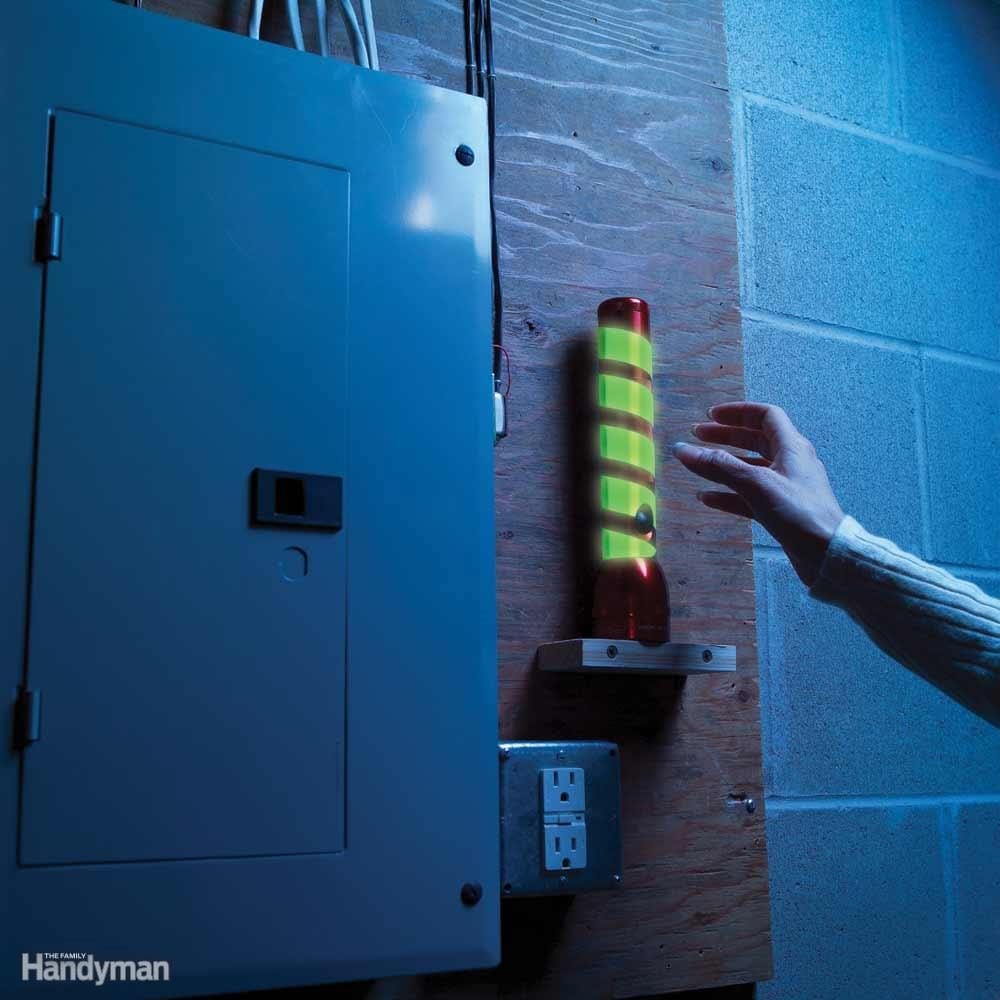
- Use flashlights instead of candles. Battery lights reduce the chance that an outage becomes a house fire.
- Operate generators outdoors only. Place portable generators at least 20 feet from the home, with exhaust directed away from doors, windows, and vents.
- Never run a generator in a garage, carport, basement, porch, or shed. Open doors and windows do not make enclosed operation safe.
- Prevent generator backfeeding. Use a professionally installed transfer switch or approved connection method. Never plug a generator into a wall outlet.
- Keep generators dry without enclosing them. Follow manufacturer instructions and use a properly designed weather cover that preserves ventilation.
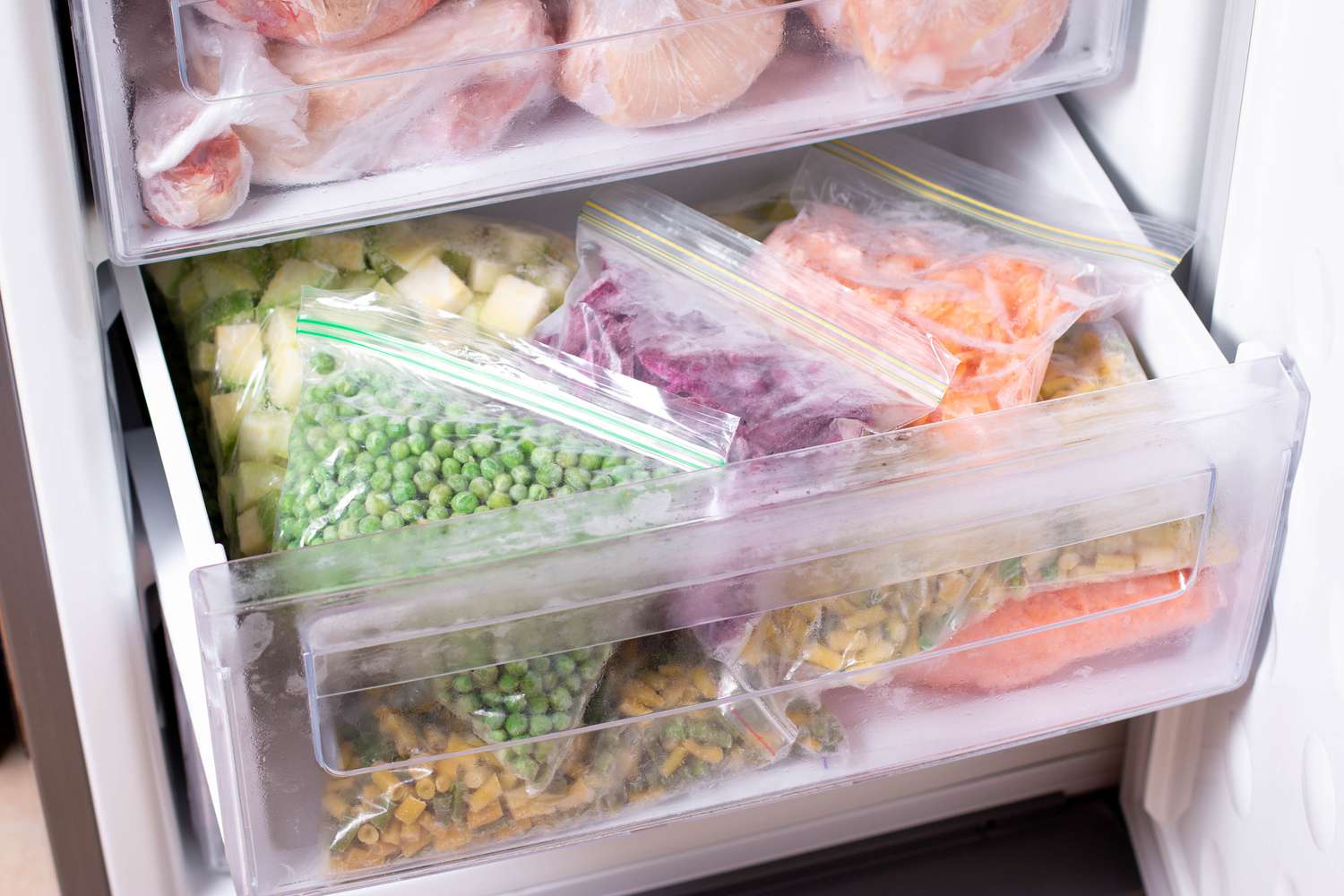
- Keep refrigerator and freezer doors closed. An unopened refrigerator generally protects food for about four hours. A full freezer may hold its temperature for approximately 48 hours.
- Discard questionable food. Do not taste food to test safety, and throw away items touched by floodwater or held above safe temperatures too long.
- Photograph damage before cleanup. Contact the insurer, document every room and item, and make only necessary temporary repairs until instructed otherwise.
- Reenter only when authorities say it is safe. Watch for structural instability, gas leaks, electrical hazards, contaminated water, sharp debris, and animals.
- Dry wet materials quickly and use protective equipment. Mold can begin growing rapidly. Wear suitable gloves, eye protection, and respiratory protection, and hire professionals for extensive contamination.
What Severe Weather Experience Teaches Homeowners
Five Lessons That Become Obvious Only When the Lights Go Out
Preparation must be easy to use, not merely impressive to own. Homeowners often discover that supplies scattered across a basement, garage, and kitchen are nearly useless when a warning arrives at 2:00 a.m. A better system puts headlamps beside beds, shoes near the tornado shelter, a radio where everyone knows how to operate it, and evacuation bags near an exit. Batteries should fit the devices they are meant to power. Keys, pet carriers, and medication should not require a household treasure hunt. Severe weather rewards simple organization. The fanciest emergency kit in America cannot help when it is buried behind holiday decorations.
Communication plans fail when they depend on one phone. During real outages, phones lose charge, towers become congested, and family members may be at work, school, or across town. Experienced households use several methods: text messages, an out-of-area contact, written phone numbers, local alert systems, radio broadcasts, and a predetermined meeting place. Texting is often more practical than repeated calls when networks are strained. Children should know who to contact and where to go, but the instructions must be age-appropriate. A plan that only one adult understands is not a family plan; it is a personal memo with optimistic branding.
The decision to evacuate is easier before conditions deteriorate. People naturally want more certainty before leaving home, especially when evacuation means traffic, expense, pets, and disrupted work. Yet waiting for visible danger can remove safe options. Water may cover roads, wind may bring down trees, wildfire may move faster than expected, and fuel may become scarce. Homeowners with smoother evacuations prepare the vehicle, choose destinations, confirm pet-friendly lodging or shelters, and leave when local officials advise it. The goal is not to predict the storm perfectly. The goal is to avoid being trapped by a storm that does not care whether the forecast was convenient.
Power outages create secondary emergencies. Many storm injuries occur after the main weather threat because people improvise with generators, candles, grills, damaged wiring, spoiled food, and risky cleanup. Generator exhaust can enter through openings that seem far away. Floodwater may energize electrical systems. A refrigerator becomes a food-safety countdown, not a cupboard to inspect every ten minutes. The experienced response is patient and procedural: use flashlights, keep appliance doors closed, operate generators outdoors at a safe distance, assume downed lines are energized, and wait for qualified help when utilities or structural damage are involved.
Recovery takes longer than the dramatic part. The thunder ends, cameras leave, and homeowners are left with wet drywall, insurance calls, contractors, debris, stress, and disrupted routines. Good documentation reduces confusion. Photos taken before and after damage, receipts for emergency purchases, written claim notes, and a current inventory can save hours of argument later. Cleanup also requires restraint. Wet buildings may contain mold, sewage, chemicals, unstable ceilings, and hidden electrical hazards. Asking for professional help is not weakness; it is often the fastest route to a safe home. Finally, neighbors matter. Sharing verified information, checking vulnerable residents, and lending tools responsibly can make a difficult recovery more manageable.
Conclusion
Severe weather survival is less about heroic last-minute action and more about ordinary maintenance, reliable information, and decisions made early. Build a kit, practice shelter and evacuation plans, maintain the house, protect against carbon monoxide, respect floodwater, and treat post-storm cleanup with the same caution as the storm itself.
Start with the risks most likely in your area, complete a few improvements each month, and review the plan every season. When the forecast turns alarming, your home may still creak and your nerves may still buzz, but you will have something much better than panic: a practiced next step.
Note: This article provides general preparedness information based on guidance from U.S. emergency-management, weather, public-health, fire-safety, food-safety, consumer-safety, and environmental agencies. Follow current instructions from local authorities, utilities, emergency services, and qualified professionals during an actual event.