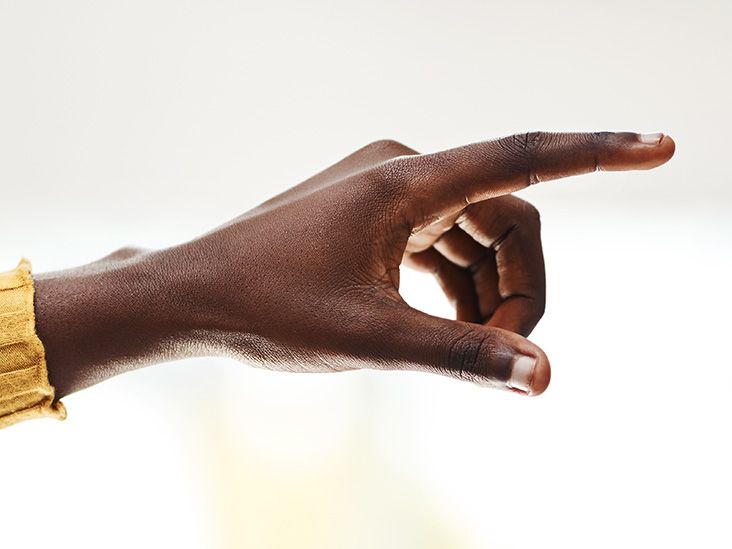
When a finger clicks, catches, or stubbornly refuses to straighten, everyday tasks can become surprisingly dramatic. Opening a jar feels like competitive weightlifting. Holding a coffee mug becomes a negotiation. Even pressing a button may cause your finger to announce its displeasure with an uncomfortable snap.
Trigger finger, medically known as ststem that holds it close to the finger bones. The affected finger or thumb may feel stiff, tender, or locked in a bent position, particularly after sleep or a long period of inactivity.
Gentle trigger finger exercises may help maintain mobility, reduce stiffness, and encourage sfortable motionnot forcing the finger to perform a heroic escape from a locked position.
Important Safety Guidelines Before Exercising
These exercises are most appropriate for mild stiffness or as part of a treatment program recommended by a physician, occupational therapist, or certified hand therapist. Stop an exercise if it causes sharp pain, repeated catching, increased swelling, or a stronger locking sensation.
- Move slowly and stay within a comfortable range.
- Do not deliberately make the finger click or pop.
- Begin with three to five repetitions rather than dozens.
- Keep the wrist relaxed and in a neutral position.
- Do not use heavy resistance during an active flare-up.
- Allow the hand to rest between exercise sessions.
People recovering from hand surgery or a corticosteroid injection should follow the schedule provided by their clinician. A general online routine should never replace individualized postoperative instructions.
Why Trigger Finger Exercises May Help
The tendons that bend the fingers travel through narrow tunnels called tendon sheaths. Small bands of tissue, known as pulleys, keep the tendons positioned close to the bones. When a tendon or pulley becomes irritated and thickened, the tendon may hesitate or catch as it moves through the tunnel.
Gentle hand exercises may help by maintaining joint range of motion and allowing the flexor tendons to move through several positions without a forceful grip. They may also reduce the stiffness that develops when a painful finger is kept still for long periods.
Exercise should be viewed as one part of conservative trigger finger treatment. Activity modification, night splinting, ergonomic changes, medication, hand therapy, corticosteroid injections, and surgery may also be considered depending on the severity and duration of symptoms.
How to Prepare Your Hand
Begin when your hand is relatively calm rather than immediately after prolonged gripping, gardening, weight training, or an intense session with a screwdriver. Some people find it more comfortable to exercise after a warm shower or after placing a comfortably warm towel around the hand for five minutes.
Warmth should feel soothing, never hot enough to burn the skin. Skip heat if the hand is noticeably red, unusually swollen, or hot to the touch. Sit at a table, support your forearm, relax your shoulders, and breathe normally. Your finger does not need a motivational speech, but your upper body will appreciate the lack of tension.
12 Trigger Finger Exercises for Pain and Stiffness
1. Gentle Finger Opening and Closing
Hold the affected hand in front of you with the wrist straight. Begin with the fingers comfortably extended. Slowly bend them into a loose fist without squeezing, then gradually straighten them again.
Perform five repetitions. The movement should remain smooth and light. If the affected finger starts catching before the fist is complete, stop just before that point and return to the starting position. A loose fist is enough; you are not trying to crush an imaginary stress ball.
2. Tendon-Gliding Sequence
Tendon-gliding exercises move the fingers through several shapes to change the position of the flexor tendons inside their sheaths.
- Start with the fingers straight.
- Bend the large knuckles while keeping the middle and end joints straight, forming a tabletop shape.
- Bend the middle and end joints into a gentle hook.
- Move toward a loose full fist only if it does not trigger the finger.
- Finish with a straight fist by touching the fingertips near the base of the palm while keeping the end joints relatively straight.
Hold each position for two or three seconds. Complete three slow sequences. Skip any position that causes catching or sharp pain.
3. Fingertip Joint Blocking
This exercise isolates the distal interphalangeal joint, which is the joint closest to the fingernail. Use the opposite hand to support the affected finger just below that joint. Keep the rest of the finger straight while slowly bending and straightening the fingertip.
Perform three to five repetitions. Use only the muscles of the affected finger; do not pull the fingertip down with the supporting hand.
4. Middle-Joint Blocking
Hold the affected finger at the base so the large knuckle remains straight. Slowly bend the middle and fingertip joints together, then return to a straight position.
Repeat three to five times. Stop before the motion produces a click or lock. This small movement can look unimpressive, but effective hand rehabilitation is rarely known for its theatrical special effects.
5. Passive Finger Extension
Rest the affected hand on a table with the palm facing upward. Use the opposite hand to support the stiff finger and gently guide it toward a straighter position. Apply only enough assistance to feel a mild stretch.
Hold for five to ten seconds and repeat three times. Never wrench a locked finger straight. If the finger cannot be extended without significant force or pain, arrange a medical evaluation instead.
6. Tabletop Knuckle Bend
Start with the fingers straight and together. Keeping the middle and end joints straight, bend only at the large knuckles until the hand resembles the top and legs of a table. Slowly straighten the fingers again.
Complete five repetitions. This exercise encourages motion at the metacarpophalangeal joints without requiring a tight fist, which may be more comfortable during a trigger finger flare.
7. Hook-Fist Stretch
Hold the large knuckles relatively straight. Bend the middle and end joints so the fingertips point toward the upper palm, forming a hook shape. Do not squeeze the fingertips into the palm.
Hold for three seconds, straighten the fingers, and repeat three to five times. The hook position should create a gentle pulling sensation rather than a painful snap.
8. Finger Spreading and Closing
Place the hand flat on a table with the palm down. Slowly spread the fingers apart, then bring them back together without pressing hard into the surface.
Repeat five to eight times. This movement activates the small muscles between the hand bones and provides mobility without repetitive gripping.
9. Individual Finger Lift
Keep the palm resting flat on a table. Lift one finger a small distance from the surface, lower it, and continue with the next finger. When you reach the affected finger, lift only as far as is comfortable.
Complete one or two rounds. Do not force the finger upward with the opposite hand. A few millimeters of controlled movement is perfectly acceptable.
10. Thumb-to-Fingertip Touches
Hold the hand in a relaxed position. Touch the thumb gently to the index fingertip, forming a round “O.” Continue with the middle, ring, and little fingers. Avoid pinching the fingertips together.
Complete three rounds. This coordination exercise is particularly useful when stiffness has made buttoning clothing, writing, or picking up coins more awkward.
11. Prayer Stretch
Place the palms together in front of the chest with the fingers pointing upward. Keep the palms touching as you slowly lower the hands until a mild stretch is felt through the wrists and fingers.
Hold for approximately ten seconds, then relax. Repeat two or three times. Keep the stretch gentle, especially if the affected finger does not fully straighten.
12. Gentle Isometric Finger Extension
Place the affected hand palm-down on a table. Rest a finger from the opposite hand lightly on top of the affected finger. Attempt to lift the affected finger while providing only enough resistance to prevent visible movement.
Hold the muscle contraction for three seconds and relax. Repeat three times. This exercise should be introduced only when basic motion is comfortable. Skip it during an acute, painful flare or when a clinician has advised against strengthening.
A Simple Daily Trigger Finger Exercise Routine
A short routine performed consistently is usually more practical than a heroic 45-minute session followed by three days of hand rebellion. A beginner schedule might include:
- Five gentle opening-and-closing movements
- Three tendon-gliding sequences
- Three fingertip and middle-joint blocking movements
- Three passive extension stretches
- Two prayer stretches
Perform the routine once or twice daily at first. A hand therapist may recommend a different frequency based on the finger involved, symptom severity, work demands, splint use, and other medical conditions.
More exercise is not automatically better. If stiffness or soreness remains elevated for several hours afterward, reduce the number of repetitions, shorten the range, or temporarily stop the aggravating movement.
Daily Habits That Can Support Recovery
Exercises will have limited opportunity to help if the tendon spends the rest of the day wrestling with heavy handles. Temporarily reducing forceful or repetitive gripping can decrease mechanical irritation.
- Use wider, padded handles on pens, tools, kitchen utensils, and steering wheels.
- Alternate hands when carrying bags or performing repetitive tasks.
- Use the whole hand or both hands instead of pinching with one finger and the thumb.
- Take short breaks during gardening, crafting, gaming, typing, or tool use.
- Avoid repeatedly testing whether the finger still clicks.
- Ask a clinician whether a nighttime finger splint may be appropriate.
Repeatedly bending the finger to “check” it can become the hand equivalent of pressing a sore tooth with your tongue. The information gained is rarely worth the irritation created.
Exercises and Activities to Avoid During a Flare
Some popular hand-strengthening activities can place substantial pressure on an already irritated flexor tendon. Until symptoms improve, consider avoiding:
- Hard stress-ball squeezing
- Heavy hand grippers
- Forceful putty exercises
- Prolonged fist positions
- Pull-ups or heavy deadlifts without grip modification
- Repetitive pruning, stapling, or power-tool use
- Any exercise that repeatedly produces clicking or locking
Strengthening may eventually be useful, particularly after surgery or prolonged inactivity, but it should be added gradually and preferably under professional guidance.
When Trigger Finger Needs Medical Attention
Arrange an evaluation if symptoms persist, interfere with work or sleep, or continue getting worse despite activity changes. A clinician can confirm whether the problem is trigger finger rather than arthritis, a tendon injury, Dupuytren contracture, nerve compression, infection, or another hand condition.
Seek prompt medical care when:
- The finger becomes stuck and cannot be straightened.
- Pain follows a fall, cut, puncture, or other injury.
- The hand or finger is hot, red, markedly swollen, or accompanied by fever.
- New numbness, tingling, weakness, or color changes develop.
- Symptoms spread to several fingers or both hands.
- You have diabetes, rheumatoid arthritis, or another condition that may affect treatment decisions.
Persistent trigger finger may respond to corticosteroid injection. When nonsurgical treatment does not provide adequate relief, a trigger finger release procedure can create more room for the tendon to glide.
What the Trigger Finger Exercise Experience May Be Like
Progress with trigger finger exercises is rarely a perfectly straight line. A realistic experience may include good mornings, stiff mornings, and occasional moments when the finger behaves as though it has forgotten every lesson from the previous week. That variability does not automatically mean the routine has failed.
During the first few sessions, many people discover that they have been guarding the entire hand rather than only the affected finger. The neighboring fingers may feel stiff, the wrist may remain tense, and the shoulder may rise toward the ear during every movement. Supporting the forearm on a table and relaxing the wrist often makes the exercises feel smoother.
The most useful early goal is usually not maximum flexibility. It is learning where comfortable motion ends and irritation begins. For example, a person with a catching ring finger may be able to form a tabletop position without difficulty but feel a click when moving into a full fist. In that situation, practicing the tabletop and hook positions while temporarily skipping the full fist may be more productive than repeatedly forcing the complete sequence.
After several days, the first noticeable change may be practical rather than dramatic. The finger may feel less wooden while washing the face, holding a fork, or reaching into a pocket. Morning stiffness may still be present but settle sooner after a few gentle movements. These modest improvements are worth tracking because the finger is unlikely to celebrate with balloons and a press conference.
A simple symptom diary can make patterns easier to recognize. Record morning stiffness, the number of locking episodes, the most irritating activities, and how the hand feels several hours after exercise. Someone may notice, for instance, that the routine feels comfortable but symptoms worsen every evening after prolonged phone use, knitting, or gripping a steering wheel. The lesson is not necessarily to abandon exercise; it may be to modify the activity that repeatedly reloads the tendon.
Temporary setbacks are common when normal tasks are resumed too quickly. A weekend of home repairs, a long gardening session, or an ambitious gym workout may increase tenderness at the base of the finger. When this happens, reducing repetitions and returning to gentle range-of-motion exercises is generally more sensible than trying to “stretch the soreness out” with extra force.
Some people experience little improvement despite careful exercise and activity modification. That is important information, not a personal failure. Trigger finger is a mechanical tendon-pulley problem, and stretching alone cannot resolve every case. A corticosteroid injection, custom splint, occupational therapy program, or surgical consultation may provide a more appropriate next step.
The best experience usually comes from combining patience with clear limits: move regularly, avoid provoking the catch, modify gripping tasks, and seek professional care when progress stalls. The objective is not to complete all 12 exercises at any cost. It is to restore useful, comfortable hand movement while keeping irritation as low as possible.
Conclusion
Trigger finger exercises can be useful for maintaining movement, easing stiffness, and helping the tendons glide through a comfortable range. Start with slow finger opening, tendon glides, joint-blocking movements, gentle extension, and light coordination exercises. Avoid forceful gripping and never push through a painful lock.
Because trigger finger varies from mild morning stiffness to a finger that remains stuck, the right treatment plan also varies. Exercises may be sufficient for some mild cases, while others require splinting, medication, injection, or surgical release. When symptoms are severe, persistent, or worsening, a physician or hand therapist can provide a diagnosis and an individualized plan.