Feeling nervous before a presentation, first date, job interview, or awkward office happy hour is part of being human. Your brain is simply checking whether the room contains danger, snacks, or someone who might ask you to “tell everyone a fun fact.”
But for some people, social situations trigger fear that is far more intense, persistent, and disruptive than ordinary shyness. Social anxiety disorder, sometimes called social phobia, involves a strong fear of being judged, embarrassed, rejected, or humiliated in front of other people. The anxiety can make everyday activities such as speaking up in class, ordering food, attending meetings, making phone calls, or meeting someone new feel like a full-scale emergency drill.
Recognizing the signs matters because social anxiety disorder is treatable. A person does not have to spend years avoiding invitations, rehearsing simple conversations in their head, or treating every group chat notification like a legal summons. This article explains six common ways to recognize social anxiety disorder, how it differs from everyday nervousness, and when it may be time to talk with a qualified mental health professional.
What Is Social Anxiety Disorder?
Social anxiety disorder is more than being quiet, introverted, or uncomfortable in large crowds. It is a mental health condition marked by intense fear or anxiety in social or performance situations where a person believes they may be watched, judged, criticized, rejected, or embarrassed.
The fear is usually out of proportion to the actual situation. Someone may logically understand that asking a coworker a question is unlikely to cause public humiliation, yet their body may react as if they are about to perform stand-up comedy in front of a stadium full of critics.
For a diagnosis, symptoms generally need to persist for at least six months, occur consistently in social situations, and cause significant distress or impairment in work, school, relationships, or daily routines. Only a licensed health professional can diagnose social anxiety disorder.
6 Ways to Recognize Social Anxiety Disorder
1. The Fear Centers on Being Judged, Embarrassed, or Rejected
The most recognizable feature of social anxiety disorder is not simply discomfort around people. It is the powerful fear of negative evaluation.
A person may worry that others will think they are awkward, boring, unintelligent, rude, unattractive, incompetent, or visibly nervous. They may fear blushing, shaking, sweating, stumbling over words, speaking too quietly, saying the wrong thing, or drawing attention to themselves in any way.
For example, someone with social anxiety may spend an entire meeting thinking, “Everyone can tell I am nervous,” even when coworkers are focused on their own notes, coffee, inboxes, or the mysterious disappearance of the conference room marker.
Common fears may include:
- Being criticized during a conversation
- Making a mistake while speaking in public
- Looking anxious in front of others
- Being rejected when meeting new people
- Eating, drinking, writing, or using a public restroom where others may notice
- Being asked an unexpected question in class or at work
These worries are not always based on real social feedback. Often, the person imagines harsh judgments before anyone else has said a word. Fear of scrutiny and negative evaluation is a core feature of social anxiety disorder.
2. Everyday Social Tasks Feel Like High-Stakes Events
Many people feel nervous before giving a speech. Social anxiety disorder can make even ordinary interactions feel intimidating.
Someone may struggle with tasks that other people barely notice, such as:
- Making a phone call
- Ordering at a restaurant
- Returning an item to a store
- Asking a question in class
- Starting a conversation with a neighbor
- Introducing themselves at a work event
- Answering the door
- Speaking to authority figures
The situation may appear simple from the outside, but internally it can involve hours of dread, mental rehearsal, and worst-case-scenario planning. A person might practice ordering coffee several times before reaching the counter, only to panic and say, “One large… beverage… please.”
Social anxiety may be limited to performance situations, such as public speaking or playing music in front of others. In other cases, it affects many parts of life, including school, work, dating, friendships, shopping, medical appointments, and social gatherings.
3. Avoidance Starts Running the Schedule
Avoidance is one of the strongest clues that anxiety may be more than ordinary shyness. People with social anxiety disorder may avoid situations that could trigger embarrassment, judgment, or attention.
This can look obvious, such as skipping parties, refusing to give presentations, avoiding dating, or declining invitations. It can also be subtle. Someone may sit in the back of the classroom, choose self-checkout lanes, avoid eye contact, leave events early, stay silent in meetings, or only communicate through text messages.
At first, avoidance can feel helpful because it brings immediate relief. The person does not have to face the feared situation, so the anxiety drops. Unfortunately, that relief can teach the brain that avoidance is the only safe option. Over time, the list of avoided situations may grow.
For example, a student who avoids one class presentation may later avoid raising their hand, joining clubs, attending networking events, and applying for leadership opportunities. The problem is not a lack of talent. It is that anxiety has quietly become the project manager.
Social anxiety disorder often involves avoiding feared social or performance situations, or enduring them with intense distress.
4. The Body Reacts Before the Conversation Even Starts
Social anxiety is not just “in someone’s head.” It can cause real physical symptoms, especially before or during a feared interaction.
Common physical signs include:
- Rapid heartbeat or pounding chest
- Blushing or feeling suddenly hot
- Shaking hands or trembling voice
- Excessive sweating
- Nausea, stomach pain, or diarrhea
- Shortness of breath
- Dizziness or lightheadedness
- Muscle tension
- Dry mouth or difficulty speaking
- Feeling frozen, tongue-tied, or unable to think clearly
These symptoms can create a frustrating loop. A person fears looking anxious, then notices their hands shaking, then becomes more anxious because their hands are shaking, then worries that everyone is noticing the shaking. Meanwhile, everyone else may be busy wondering whether they remembered to send that email.
Physical symptoms such as blushing, sweating, trembling, nausea, difficulty talking, rapid heartbeat, and shortness of breath can occur with social anxiety disorder.
5. The Anxiety Begins Long Before the Event and Lingers Long After
Ordinary nerves often fade after the stressful event ends. With social anxiety disorder, the emotional workload may start days or weeks beforehand and continue long after everyone else has moved on.
Before an event, a person may repeatedly imagine embarrassing outcomes. They may rehearse conversations, search for excuses to cancel, worry about what to wear, or lose sleep over a short meeting. During the event, they may monitor every facial expression, word choice, pause, and body movement.
Afterward, they may replay the interaction in painful detail. This is sometimes called post-event rumination. A person might think:
- “Why did I say that?”
- “I probably sounded strange.”
- “They must think I am incompetent.”
- “I should have stayed home.”
The problem is that the brain becomes an unpaid editor with terrible work-life boundaries. It rewatches a five-second awkward pause as though it were a documentary called The Greatest Social Disaster of All Time.
People with social anxiety may feel significant anxiety before, during, and after feared social situations, even when they manage to attend the event.
6. The Fear Interferes With Work, School, Relationships, or Daily Life
The biggest difference between normal social discomfort and social anxiety disorder is impact. A person may be shy and still participate in life. Social anxiety disorder can make participation feel nearly impossible.
Signs of impairment may include:
- Turning down promotions because they involve speaking or managing others
- Missing school or avoiding classes that require participation
- Struggling to make or maintain friendships
- Avoiding dating or romantic relationships
- Skipping medical appointments because talking to staff feels overwhelming
- Using alcohol or other substances to get through social events
- Feeling isolated, lonely, depressed, or ashamed because of avoidance
When fear consistently limits opportunities, relationships, education, or career choices, it is worth taking seriously. Anxiety disorders can interfere with everyday functioning, but effective treatment is available.
Social Anxiety Disorder vs. Shyness: What Is the Difference?
Shyness is a personality trait. A shy person may need time to warm up, prefer smaller gatherings, or feel quiet around strangers. That is not automatically a disorder, and it does not need to be “fixed.”
Social anxiety disorder is different because the fear is intense, persistent, and disruptive. The person may desperately want connection, opportunities, friendships, or success, but anxiety blocks their ability to participate.
A useful question is not, “Am I outgoing enough?” The better question is, “Is fear stopping me from living in ways that matter to me?”
When Should Someone Seek Professional Support?
Consider speaking with a doctor, psychologist, psychiatrist, therapist, or licensed counselor when social fear:
- Has lasted six months or longer
- Causes major distress before or after social situations
- Leads to avoidance that affects work, school, relationships, or health care
- Causes panic symptoms or physical distress
- Contributes to depression, substance use, or isolation
- Makes daily life feel much smaller than it should
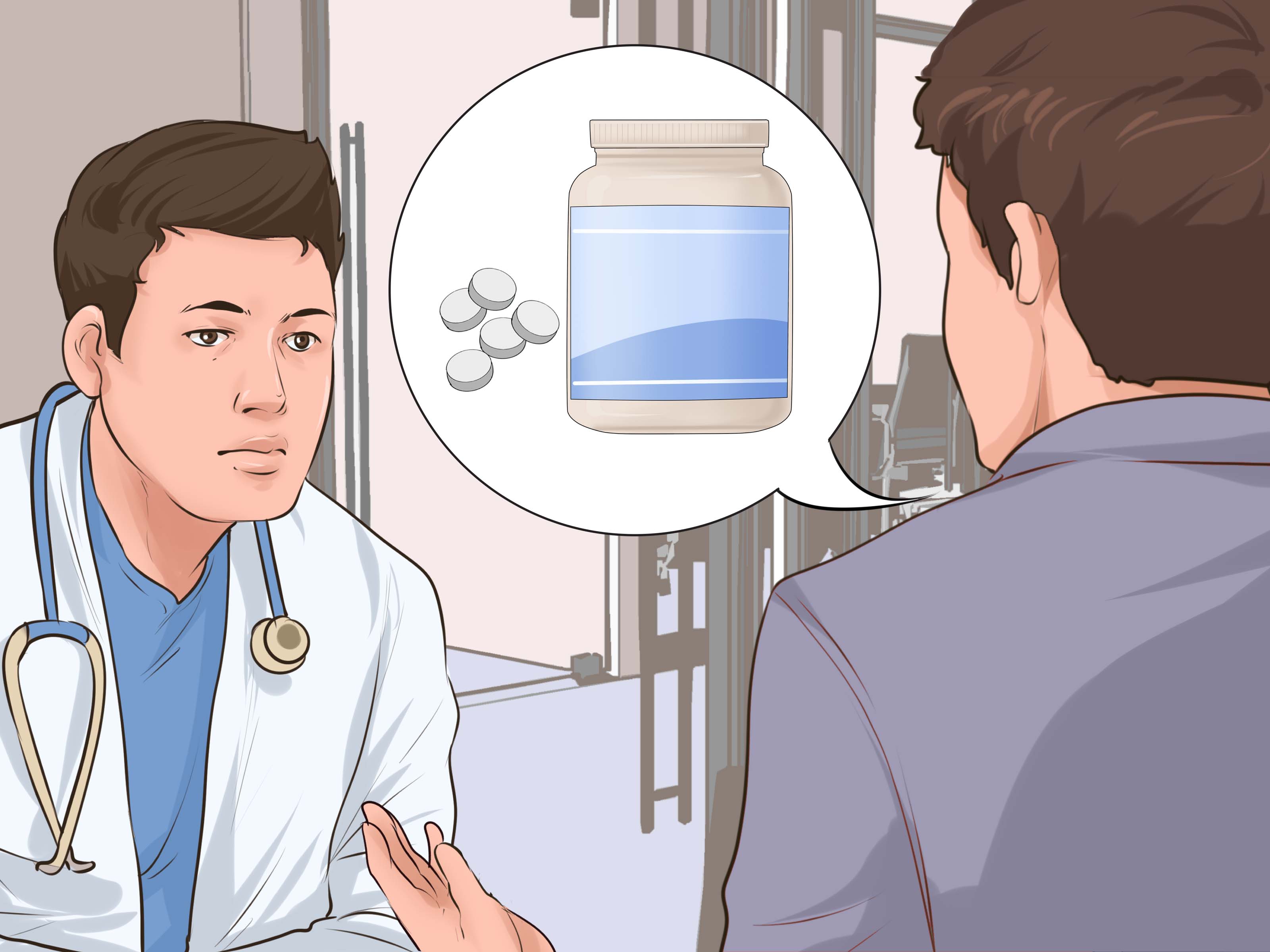
A professional can help rule out other conditions, explore whether social anxiety disorder fits the pattern, and discuss treatment options. Cognitive behavioral therapy, including gradual exposure-based approaches, is commonly used. Medication may also be appropriate for some people, depending on their needs and medical history.
If someone is in immediate emotional crisis, thinking about self-harm, or unable to stay safe, they should contact emergency services or a crisis resource right away. In the United States, people can call or text 988 for the Suicide & Crisis Lifeline.
Experiences Related to Social Anxiety Disorder: What It Can Feel Like Day to Day
Social anxiety disorder does not look the same for everyone. Some people appear quiet and withdrawn. Others appear cheerful, talkative, and high-functioning while privately feeling like their internal alarm system is going off every time someone says, “Let’s go around the room and introduce ourselves.”
One common experience is the constant mental rehearsal before ordinary interactions. A person may practice how to answer the phone, imagine several versions of a conversation, or write and delete a short text message five times before sending it. The message may simply say, “Sounds good!” Yet sending it can feel like submitting a legal brief to the Supreme Court.
Another experience is overanalyzing small social moments. Someone may leave a lunch with coworkers and spend the evening wondering whether they laughed too loudly, spoke too little, interrupted someone, or looked strange while eating. The event may have been completely normal, but their mind keeps scanning for evidence that they made a mistake.
Many people with social anxiety also describe a conflict between wanting connection and fearing it. They may want friends, a relationship, a promotion, or a stronger social life. They may enjoy people once they feel safe. However, the anxiety before social situations can become so uncomfortable that avoiding them feels easier in the moment.
For students, social anxiety may show up as avoiding presentations, skipping school on days when participation is expected, sitting near the exit, or refusing to ask for help even when they need it. A student may know the material well but freeze when called on. Teachers may mistake this for a lack of preparation, when the actual issue is fear.
At work, social anxiety can look like staying silent in meetings, avoiding networking events, declining leadership roles, or turning down opportunities that require presentations. A talented employee may be viewed as disengaged when, in reality, they are working extremely hard just to keep their anxiety from showing.
In relationships, social anxiety may cause someone to avoid dating, cancel plans at the last minute, or worry intensely about being disliked. They may assume a delayed reply means rejection, even when the other person is simply busy, asleep, driving, or staring into the refrigerator trying to decide whether leftovers count as dinner.
Physical symptoms can add another layer of stress. A person may fear blushing, sweating, shaking, or feeling nauseated in public. They may become so focused on preventing those symptoms that the anxiety grows stronger. This is why social anxiety can feel exhausting: the person is managing the social situation, their thoughts, their body sensations, and the fear of being noticed all at once.
It is also common for people to hide their struggles. They may make excuses such as being tired, busy, antisocial, or “not really a people person.” Those explanations can be easier than saying, “I am afraid people will judge me.” But recognizing the pattern can be an important first step.
The encouraging part is that social anxiety disorder is not a life sentence. With professional support, practical coping skills, and gradual treatment approaches, many people learn to participate more fully in the situations that once felt impossible. Progress may start small: making one phone call, staying at an event for ten extra minutes, asking one question in class, or saying hello without rehearsing it for half an hour. Small steps may not look dramatic from the outside, but they can be enormous victories for someone whose anxiety has been running the show.
Conclusion
Recognizing social anxiety disorder starts with looking beyond ordinary shyness. Persistent fear of judgment, avoidance of everyday interactions, intense physical symptoms, excessive worry before and after events, and meaningful disruption to work, school, or relationships can all be important warning signs.
Social anxiety disorder can make life feel narrower than it needs to be, but support is available. The goal is not to turn every quiet person into the loudest voice at karaoke night. The goal is to help people make choices based on what matters to them, not what anxiety demands.