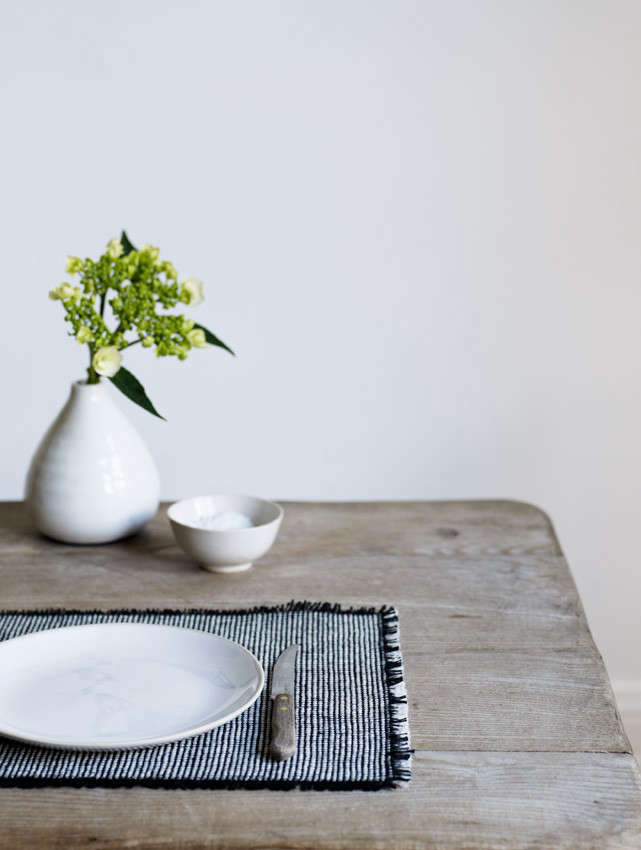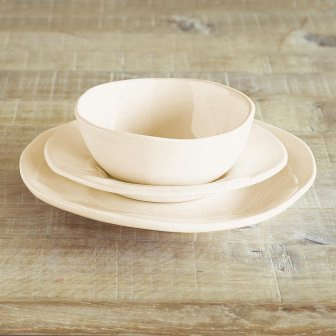
A three-piece dinnerware set sounds almost suspiciously simple: one plate, one bowl, and one mug. No gravy boat shaped like a swan. No tiny saucer that spends the next decade hiding behind the toaster. Just three practical pieces designed to handle most of the meals an ordinary person actually eats.
That compact format is exactly why three-piece place settings have become appealing to apartment dwellers, students, couples, minimalists, gift shoppers, and anyone whose kitchen cabinets are already negotiating surrender. A thoughtfully selected set can cover breakfast, lunch, dinner, snacks, coffee, soup, pasta, and the occasional midnight cereal emergency without demanding an entire china cabinet.
However, not every small dinnerware set is equally useful. Material, dimensions, weight, bowl shape, mug capacity, glaze quality, stackability, and appliance compatibility all affect how the pieces perform. This guide explains how to choose a three-piece dinnerware set that looks good on the table and still makes sense after the twentieth trip through the dishwasher.
What Is Included in a Three-Piece Dinnerware Set?
The most common three-piece dinnerware set includes:
- One dinner plate
- One bowl
- One mug
Some manufacturers replace the mug with a smaller salad plate, especially in collections intended for formal dining. Others include a dinner plate, side plate, and low pasta bowl. Traditional place settings are often sold with four or five pieces, but smaller sets remove specialty items that many households rarely use.
Before buying, read the product description instead of relying on the phrase “three-piece set.” A photograph can make a pasta bowl look like a dinner plate, and product photography has never apologized for causing confusion.
Why Three Pieces Can Be Enough
A compact dinnerware set works because modern meals are flexible. The dinner plate handles sandwiches, roasted vegetables, pancakes, grilled meat, and traditional entrées. The bowl covers cereal, soup, oatmeal, salads, rice, noodles, and desserts. The mug takes care of coffee and tea while occasionally volunteering for ice cream, instant soup, or desk-side snacks.
Low bowls and so-called “blates,” which combine the broad surface of a plate with the raised edges of a bowl, have become especially popular because they can serve pasta, curries, grain bowls, stews, salads, and saucy meals without creating a tomato-based disaster on the tablecloth.
For one person, a single set may be sufficient in a dorm, studio apartment, recreational vehicle, or office kitchenette. Couples can purchase two matching sets. Families may buy one set per household member, avoiding the unwanted pieces commonly bundled into larger collections.
Choosing the Best Dinnerware Material
The material determines much of a set’s appearance, durability, weight, heat retention, and maintenance. Ceramic dinnerware is not one uniform category; porcelain, stoneware, earthenware, and bone china are produced differently and behave differently in daily use.
Porcelain
Porcelain is fired at high temperatures and usually has a smooth, dense, nonporous surface. It can look delicate while remaining suitable for everyday meals. White porcelain also provides a neutral background that makes colorful food stand out, whether the meal is herb-roasted salmon or a frozen burrito with excellent self-esteem.
Many porcelain sets are dishwasher- and microwave-safe, although buyers should always check the manufacturer’s instructions. Porcelain is often lighter than thick stoneware, stacks efficiently, and works in casual or formal settings. Tested dinnerware guides frequently favor porcelain for its combination of polished appearance, manageable weight, and durability.
Stoneware
Stoneware has an earthy, substantial feel. Its thicker construction and reactive glazes can create subtle variations in color, texture, and edge shape. Those variations are part of the appeal; each piece may look slightly handmade without requiring you to become a potter and convert the garage into a kiln room.
Stoneware generally retains heat well and feels sturdy, but it can be heavier than porcelain or laminated glass. Testing has also shown that although stoneware is durable, some finishes may chip, scratch, or show utensil marks over time. Quality varies considerably, so glaze consistency and edge construction matter.
Earthenware
Earthenware often has a warm, rustic appearance and may be less expensive than porcelain or premium stoneware. Because it is fired at lower temperatures and can be more porous, it usually depends on its glaze to resist moisture and staining.
It is best for buyers who value artisanal style and are comfortable handling dishes with a little more care. Cracked or heavily crazed glazing should not be ignored, particularly when food can reach the underlying material.
Bone China
Bone china is thin, lightweight, refined, and surprisingly strong when manufactured well. It is often associated with formal place settings, but plain designs can function as elegant everyday dinnerware. Its primary drawback is price. A person who routinely carries three dishes in one hand while opening the refrigerator with an elbow may prefer a less expensive material.
Laminated or Tempered Glass
Glass dinnerware can be thin, light, easy to stack, and highly practical. Laminated glass performed well in scratch and durability evaluations cited by Good Housekeeping. It is especially useful for households that dislike the weight of thick ceramic dishes.
Glass still requires sensible handling. “Break-resistant” is not the same as “immune to being launched onto a tile floor by a determined toddler.”
Melamine
Melamine dinnerware is light, affordable, colorful, and resistant to breaking. It is useful for patios, pool areas, campers, picnics, and households with young children. Outdoor dinnerware tests often highlight melamine for its low weight and ability to survive drops better than ceramic.
Melamine generally should not be used in a microwave. The U.S. Food and Drug Administration advises consumers to follow labeled uses and avoid heating food in melamine tableware unless the manufacturer specifically indicates otherwise. Transfer food to microwave-safe glass or ceramic for reheating.
Get the Sizes Right
A three-piece dinnerware set offers little room for poorly chosen dimensions. If the bowl is too small, half the menu becomes inconvenient. If the plate is enormous, it may not fit in the cabinet or dishwasher. If the mug holds six ounces, your morning coffee will disappear before your brain has finished loading.
Dinner Plate
For most households, a dinner plate measuring approximately 10 to 11 inches is versatile without being cumbersome. Oversized plates can encourage larger portions and occupy more dishwasher space. Plates with broad decorative rims may also provide less usable eating area than their overall diameter suggests.
Check the flat center of the plate, not just its edge-to-edge measurement. A heavily curved plate may look impressive online but struggle with toast, quesadillas, or anything that prefers a level surface.
Bowl
The bowl is often the most important item in a compact set. A medium bowl of roughly 20 to 30 ounces can accommodate cereal, soup, pasta, salads, rice bowls, and oatmeal. A wide, shallow bowl is more versatile for full meals, while a deeper cereal bowl is better for liquids but less convenient for cutting food.
Consider the foods eaten most frequently. Pasta fans may prefer a broad low bowl. Soup enthusiasts should look for higher sides. People who routinely construct salads large enough to qualify as landscaping projects need generous capacity.
Mug
A capacity between 10 and 14 ounces suits most coffee and tea drinkers. Larger mugs are useful for lattes, cocoa, and herbal tea, but they can feel heavy when filled. Check handle clearance as well. A beautiful handle that accepts only two fingertips becomes less charming at 7:00 a.m.
Mug capacity should also match the household’s coffee maker. Single-serve machines commonly dispense several preset volumes, so the mug should hold the preferred serving with room for milk or cream.
Design Features That Matter in Daily Use
Stackability
Place the pieces in a mental cabinet before adding them to a shopping cart. Straight-sided mugs, wide rims, and irregular handmade shapes may require more storage space. A well-designed set should stack without wobbling or placing excessive pressure on a single point.
Weight
Heavy dinnerware feels substantial on the table, but carrying several pieces from the dishwasher can become a wrist workout nobody requested. Older adults, children, and people with limited hand strength may be more comfortable with porcelain or lightweight glass.
Rim Shape
Rolled or reinforced rims can help resist chipping. Very thin rims look elegant but may be more vulnerable when dishes bump against one another. Organic edges add visual interest, although they sometimes stack less neatly than symmetrical round pieces.
Color and Glaze
Neutral white, cream, gray, and muted blue coordinate easily with table linens and serving dishes. Dark plates create dramatic contrast, but they may show water spots, dust, or scratches more clearly. Reactive glazes provide depth and variation, while glossy finishes are generally easier to wipe clean than heavily textured surfaces.
Food presentation matters, too. Fresh greens and colorful vegetables tend to pop against white or neutral dishes. Beige food on a beige plate may still taste wonderful, but visually it can resemble a meeting that should have been an email.
Safety and Appliance Compatibility
Look for specific statements such as “dishwasher-safe,” “microwave-safe,” “freezer-safe,” or “oven-safe to 300°F.” Do not assume that one claim implies another. A dishwasher-safe plate is not automatically suitable for an oven, and a microwave-safe bowl may still become extremely hot.
Metallic rims, gold accents, and certain decorative finishes should generally stay out of the microwave. Fine china with metallic decoration may also require hand-washing because strong dishwasher detergent and water jets can damage the finish.
USDA guidance recommends using only containers labeled for microwave use. When reheating food, arrange it evenly, cover it with a microwave-safe cover, allow steam to vent, and rotate or stir the food to reduce cold spots.
Decorative, antique, handmade, or imported pottery deserves additional attention. The FDA monitors lead and cadmium in foodware and warns that improperly made glazed pottery may allow contaminants to migrate into food. Avoid using pieces labeled “decorative only,” and be cautious with damaged, unknown, or highly worn glazes.
How to Evaluate Quality Before Buying
- Read the exact dimensions. Confirm that plates fit the cabinet, microwave, and dishwasher.
- Check the weight. Product weight can reveal whether the set is comfortably light or unusually substantial.
- Inspect care instructions. Look for explicit appliance-safe language rather than vague claims about convenience.
- Study the bowl. In a three-piece set, the bowl often determines whether the collection is truly versatile.
- Confirm replacement availability. Open-stock pieces allow one broken plate to be replaced without purchasing another full set.
- Review return policies. Color, texture, and weight can look very different in person.
- Examine customer photographs. They may reveal glaze variation, utensil marks, uneven bases, or misleading product scale.
Independent dinnerware testing commonly considers scratching, staining, chipping, stackability, weight, bowl usefulness, and ease of cleaning. These practical factors are often more valuable than a product description filled with phrases such as “timeless sophistication” and “curated living.”
Care Tips for Longer-Lasting Dinnerware
Wash new dinnerware before its first use, following the manufacturer’s care directions. This removes dust and residue left from production, packing, shipping, and store handling.
In the dishwasher, leave enough space between pieces to prevent rims from knocking together. Position bowls so water can drain rather than collect in their bases. Avoid overcrowding, especially with stoneware, which can chip when heavy pieces collide.
Use nonabrasive cleaning products on glossy or decorated surfaces. Gray utensil marks on plates may be metal transfer rather than true scratches and can sometimes be removed with a cleaner approved by the manufacturer. Hand-wash dishes with metallic trim, hand-painted decoration, or delicate applied designs.
Do not move a refrigerated ceramic dish directly into a hot oven unless it is specifically rated for that use. Sudden temperature changes may cause thermal shock. Likewise, placing a hot plate on a cold or wet countertop is rarely an exciting experiment.
Place a soft liner or paper separator between delicate pieces if they must be stacked tightly. When moving, wrap plates individually and pack them vertically in a sturdy box to reduce pressure across their broad surfaces.
Who Should Buy a Three-Piece Dinnerware Set?
A three-piece set is especially practical for:
- People furnishing a first apartment or dorm room
- Couples who prefer buying settings individually
- Minimalist households with limited cabinet space
- Recreational vehicles, cabins, and vacation rentals
- Office kitchens and employee break rooms
- Housewarming, graduation, and wedding gifts
- Shoppers replacing only their everyday essentials
It may be less suitable for frequent formal entertainers who need salad plates, bread plates, cups, saucers, serving platters, and coordinated accessories. However, choosing an open-stock collection allows a basic three-piece place setting to expand gradually.
Common Buying Mistakes
Choosing Appearance Over Function
A sculptural mug may look wonderful on a shelf while being uncomfortable to hold. A dramatic bowl may refuse to stack. A matte black plate may photograph beautifully but show every fork mark. Style matters, but it should survive contact with scrambled eggs.
Ignoring Cabinet and Dishwasher Dimensions
Measure before ordering oversized plates. Some modern dinner plates cannot rotate freely in compact microwaves or fit comfortably in shallow upper cabinets.
Assuming “Ceramic” Explains Everything
Ceramic is a broad materials category. Porcelain, stoneware, and earthenware can differ in porosity, strength, thickness, and weight. Ceramics are generally hard and heat-resistant, but manufacturing and firing conditions strongly affect the final product.
Buying a Bowl That Is Too Specialized
A tiny cereal bowl or shallow decorative dish limits the value of a three-piece set. For maximum flexibility, choose a bowl capable of holding both liquid meals and solid entrées.
Buying a Discontinued Pattern
A clearance price is attractive until one plate breaks and replacements are available only from an online collector who knows exactly how desperate you are. Established, open-stock collections are safer for long-term use.
Everyday Experiences With a Three-Piece Dinnerware Set
The practical value of a three-piece dinnerware set becomes clearer after it has been used for ordinary meals rather than arranged for a product photograph. The following representative experiences reflect common patterns in small households, apartments, and work-from-home kitchens.
The Small-Apartment Experience
In a compact apartment, the greatest benefit is not visual style but cabinet space. A resident using two three-piece settings can store two plates, two bowls, and two mugs on a single shelf. There is no pile of unused saucers leaning at a dangerous angle and no collection of tiny appetizer plates waiting for a social life that never arrives.
The limited quantity also encourages faster cleanup. When both plates are dirty, washing dishes becomes less of a philosophical question. A basic six-piece household collection is enough for a couple’s breakfast and dinner without filling the sink.
The challenge appears when guests arrive. Two place settings do not magically become four, regardless of how confidently the host rearranges them. Apartment dwellers who entertain should either buy extra settings or keep a small stack of neutral side plates for backup.
The Work-From-Home Experience
During a typical workday, the bowl often becomes the star. It handles oatmeal in the morning, leftovers at lunch, and popcorn in the afternoon. A wide bowl is particularly convenient because it works for salads and rice dishes without requiring a separate lunch plate.
The mug matters almost as much. A comfortable handle and practical capacity become obvious after the third cup of coffee. Small decorative mugs require frequent refills, while extremely large mugs allow the coffee to cool before it is finished. A balanced 12-ounce design usually feels more useful than either extreme.
Microwave-safe construction is essential in this setting. Leftovers can move directly from the refrigerator to reheating, provided food-safety guidelines and manufacturer instructions are followed. A bowl that becomes scorching hot while the food remains lukewarm quickly loses its promotion to favorite dish.
The First-Week Test
New dinnerware often earns compliments during the first meal. The meaningful test comes later. Does the plate fit the dishwasher rack? Does water collect under the mug? Do the bowls nest without sticking together? Does the matte glaze show silver streaks after one encounter with a dinner knife?
One common surprise is weight. Thick stoneware may feel luxurious when a single plate is lifted in a store. Four plates and four bowls carried from the dishwasher feel considerably more ambitious. Buyers with limited hand strength often appreciate lightweight porcelain or glass after several days of real use.
Another surprise is usable surface area. Plates with wide rims can look generous while providing relatively little room for food. Bowls with steep sides may hold plenty of soup but feel cramped when used for salads. Measurements should therefore be considered alongside shape.
The Chip-and-Replacement Experience
Eventually, a plate may meet the edge of a granite countertop. This is when open-stock availability becomes valuable. Replacing one piece is cheaper and less wasteful than purchasing an entire new set.
Minor glaze variation can complicate replacement, especially with reactive-glaze stoneware. A new bowl may be slightly lighter, darker, or more speckled than the original. Some owners enjoy the collected look, while others prefer consistent white porcelain that matches more predictably across production batches.
Durability is also influenced by household habits. Dinnerware that survives years in a careful adult household may chip quickly when children load the dishwasher. No material completely eliminates risk, but rounded rims, moderate weight, and sufficient spacing during washing can improve longevity.
The Gift-Giving Experience
Three-piece sets make practical gifts because they do not require the recipient to store a 40-piece collection. One setting can be given to a student, new homeowner, coworker, or relative. Additional settings can be added later if the pattern remains available.
Neutral colors are usually safest when the recipient’s taste is unknown. White porcelain, cream stoneware, or soft gray dishes coordinate with most kitchens and serving pieces. Bold patterns are more personal and memorable, but they carry the risk of becoming the recipient’s official “special plate” that lives permanently at the back of the cabinet.
The best gift sets balance appearance with convenience: dishwasher-safe, microwave-safe, comfortable to hold, and easy to replace. Attractive packaging is pleasant, but the real gift is dinnerware that does not require reading a two-page care manual before serving soup.
Conclusion
A three-piece dinnerware set proves that a useful table setting does not need to be enormous. A well-proportioned plate, versatile bowl, and comfortable mug can cover most daily meals while conserving storage space and reducing unnecessary purchases.
Porcelain offers a refined balance of durability and manageable weight. Stoneware provides warmth, texture, and excellent everyday presence. Laminated glass is light and practical, while melamine is a sensible choice for outdoor meals when used according to its care and heating restrictions.
The best set is not simply the one that looks impressive online. It should fit the cabinet, dishwasher, microwave, menu, hands, and habits of the person using it. Choose practical dimensions, verify safety labels, examine replacement availability, and give the bowl more attention than you think it deserves. In a three-piece collection, that bowl may eventually handle everything except filing taxes.
Research note: This article synthesizes material science, foodware safety, microwave-use guidance, product testing, care recommendations, and dinnerware-buying information from the FDA, USDA Food Safety and Inspection Service, University of Maryland, Serious Eats, Good Housekeeping, Food & Wine, Better Homes & Gardens, Allrecipes, Real Simple, Southern Living, Crate & Barrel, The Spruce, and Consumer Reports.