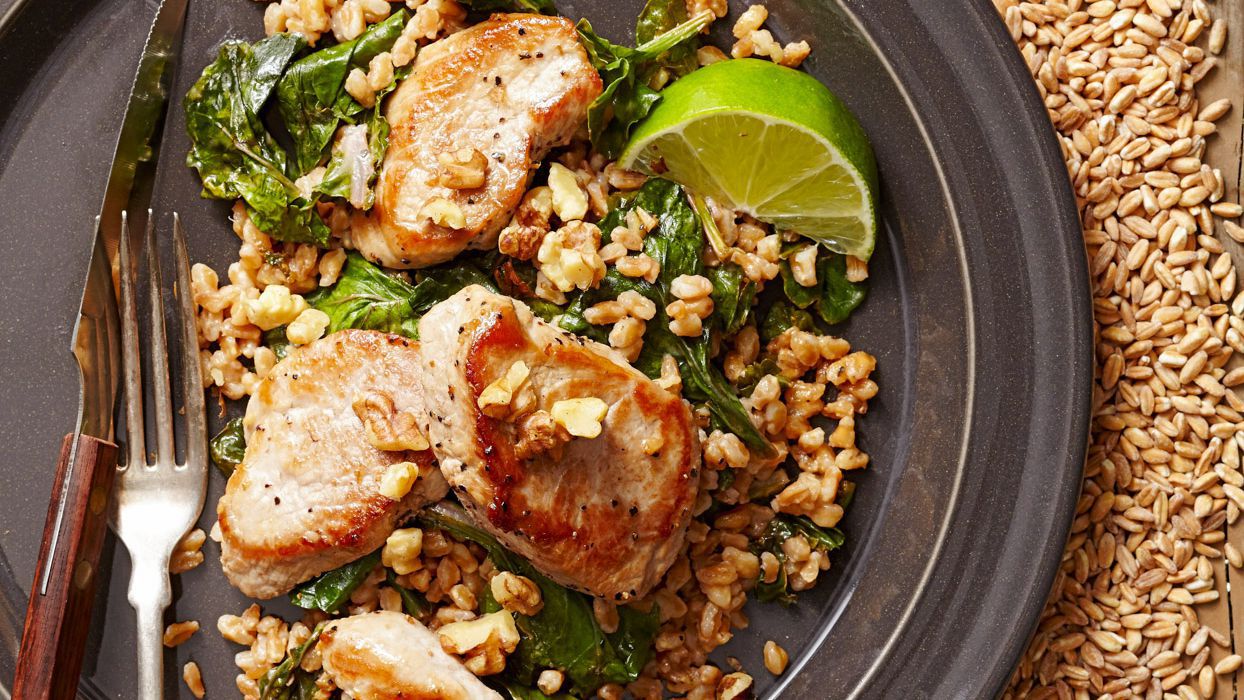
If dinner had a personality type, this Garlic-Lime Pork with Farro and Kale Recipe would be the confident friend who shows up wearing clean sneakers, brings a bright salad, and somehow makes Monday night feel like a tiny vacation. It is fresh, hearty, tangy, slightly nutty, and satisfying without leaving you in a food coma on the couch wondering why you challenged a full casserole to single combat.
This dish brings together juicy pork, a punchy garlic-lime marinade, chewy farro, and tender kale in one balanced bowl. The pork gives you savory richness, the lime cuts through with sparkle, the garlic does what garlic does bestmakes everyone lean closer to the panand the farro adds the kind of wholesome texture that says, “Yes, I own measuring spoons, and I am thriving.”
Best of all, this is a practical weeknight recipe. It feels restaurant-worthy but does not require a culinary degree, a blowtorch, or a dramatic apron monologue. With a few smart techniques, you can turn simple ingredients into a bright, protein-packed meal that works for dinner, meal prep, or a very respectable lunch the next day.
Why You’ll Love This Garlic-Lime Pork with Farro and Kale
This recipe works because it balances flavor, texture, and nutrition. Pork tenderloin or lean pork loin cooks quickly and takes beautifully to citrus, garlic, and a little sweetness. Farro brings a nutty chew that holds up well under dressing, and kale adds color, earthiness, and structure. Nothing gets mushy, bland, or sad in the container by noon tomorrow. That alone deserves applause.
The garlic-lime sauce is the engine of the recipe. Lime juice brightens the pork, garlic adds depth, honey or maple syrup rounds out the sharpness, and olive oil helps everything coat evenly. A little soy sauce or tamari gives the dish savory backbone. If you like a touch of heat, crushed red pepper flakes or chili powder slide right in without taking over the room.
Another reason this bowl shines is flexibility. You can serve it warm, room temperature, or chilled. You can use baby kale for a softer bite or lacinato kale for a deeper, more robust flavor. You can cook farro ahead, swap in another grain, or make extra pork for tacos, wraps, or salads. It is a recipe, yes, but also a strategy for not staring into the fridge at 7:14 p.m. like it owes you money.
Ingredients for Garlic-Lime Pork with Farro and Kale
For the Pork
- 1 1/4 to 1 1/2 pounds pork tenderloin, trimmed
- 3 tablespoons fresh lime juice
- 1 tablespoon lime zest
- 4 garlic cloves, finely minced
- 2 tablespoons olive oil
- 1 tablespoon honey or maple syrup
- 1 tablespoon low-sodium soy sauce or tamari
- 1 teaspoon ground cumin
- 1/2 teaspoon smoked paprika
- 1/2 teaspoon kosher salt
- 1/4 teaspoon black pepper
- Optional: 1/4 teaspoon crushed red pepper flakes
For the Farro and Kale
- 1 cup pearled or semi-pearled farro, rinsed
- 3 cups water or low-sodium broth
- 1 bunch kale, stems removed and leaves chopped
- 1 tablespoon olive oil
- 1 tablespoon fresh lime juice
- 1/4 teaspoon kosher salt
- 1/4 cup chopped cilantro or parsley
- Optional: sliced avocado, toasted pumpkin seeds, crumbled feta, or pickled red onions
How to Make Garlic-Lime Pork with Farro and Kale
Step 1: Marinate the Pork
In a medium bowl, whisk together lime juice, lime zest, minced garlic, olive oil, honey, soy sauce, cumin, smoked paprika, salt, pepper, and red pepper flakes if using. Pat the pork dry with paper towels, then place it in a shallow dish or resealable bag. Pour the marinade over the pork, turning it so every side gets coated.
Let the pork marinate for at least 20 minutes at room temperature if you are cooking soon, or refrigerate it for 2 to 8 hours for deeper flavor. Because lime juice is acidic, avoid marinating pork tenderloin for too long. Overnight can work in some recipes, but with a citrus-forward marinade, too much time can make the surface texture a little soft. The goal is lively and juicy, not pork ceviche with commitment issues.
Step 2: Cook the Farro
While the pork marinates, cook the farro. Add rinsed farro and water or broth to a medium saucepan. Bring it to a boil, then reduce the heat and simmer until the grains are tender but still chewy. Pearled farro usually cooks faster, often in about 20 to 30 minutes, while whole farro may take longer.
Drain any extra liquid, then fluff the farro with a fork. Season it while warm with a pinch of salt and a small splash of olive oil. Warm farro absorbs flavor better than cold farro, which is why this is the perfect moment to make it taste like part of the dish instead of plain grain homework.
Step 3: Prepare the Kale
Remove the tough stems from the kale and chop the leaves into bite-size pieces. Place the kale in a large bowl with olive oil, lime juice, and salt. Massage it with clean hands for 1 to 2 minutes, until the leaves darken slightly and soften. Yes, you are massaging kale. No, it will not tip you, but it will taste much better.
This step matters because raw kale can be sturdy. A quick massage breaks down some of the fibrous texture and helps the leaves absorb dressing. If you prefer cooked greens, you can sauté the kale in a skillet for 2 to 3 minutes instead. Both versions work beautifully in this garlic-lime pork bowl.
Step 4: Cook the Pork
Heat a large oven-safe skillet over medium-high heat. Add a small drizzle of oil. Remove the pork from the marinade and let excess liquid drip off. Sear the pork for 2 to 3 minutes per side, until browned all around. Transfer the skillet to a 400°F oven and roast for 10 to 15 minutes, depending on thickness.
For best results, use an instant-read thermometer. Whole cuts of pork should reach 145°F, followed by a 3-minute rest. This keeps the pork safe while preserving juiciness. Overcooked pork tenderloin dries out quickly, so do not wander off to reorganize your spice cabinet unless you enjoy eating protein with the texture of a polite eraser.
Step 5: Rest, Slice, and Assemble
Transfer the cooked pork to a cutting board and let it rest for at least 3 minutes. Slice it thinly across the grain. In a large serving bowl, combine the cooked farro, prepared kale, and herbs. Add extra lime juice, olive oil, salt, and pepper to taste.
Top the farro and kale with sliced garlic-lime pork. Add any optional toppings you love: avocado for creaminess, toasted pumpkin seeds for crunch, feta for tang, or pickled onions for a sharp little zing. Serve warm or at room temperature.
Recipe Tips for the Best Flavor
Use Fresh Lime, Not Bottled Lime Juice
Fresh lime juice gives this dish its clean, bright flavor. Bottled lime juice can taste flat or slightly bitter, especially in a marinade where citrus is one of the stars. Lime zest is also important because it carries fragrant oils that make the pork taste more vibrant.
Do Not Skip the Resting Time
Resting pork allows juices to redistribute. If you slice immediately, those juices run onto the cutting board instead of staying in the meat. Three minutes may not sound dramatic, but in pork tenderloin terms, it is the difference between juicy slices and dinner that needs an emotional support sauce.
Salt the Farro While It’s Warm
Farro is wonderfully nutty, but it needs seasoning. Add salt after cooking, and consider using broth instead of water for more depth. You can also stir in a spoonful of the pork resting juices before serving. That tiny move makes the bowl taste connected from top to bottom.
Massage or Sauté the Kale
Kale is nutritious and sturdy, which is a polite way of saying it can be a little bossy when raw. Massaging it softens the leaves and improves the texture. If you prefer milder greens, sautéing kale lightly will make it sweeter and more tender.
Variations and Substitutions
This garlic-lime pork with farro and kale recipe is easy to customize. If you do not have farro, use brown rice, quinoa, barley, or couscous. Keep in mind that farro contains gluten because it is a type of wheat, so quinoa or rice is a better option for a gluten-free version.
If pork tenderloin is unavailable, boneless pork chops can work. Pound them lightly to an even thickness, marinate, and pan-sear until cooked through. Chicken thighs or chicken breast can also take the same garlic-lime marinade well, though cooking times will differ.
For a spicier bowl, add chipotle powder, cayenne, jalapeño, or a drizzle of chili crisp. For a creamier finish, whisk Greek yogurt with lime juice, garlic, salt, and a splash of water to make a quick sauce. For extra vegetables, add roasted sweet potatoes, cherry tomatoes, shredded carrots, sautéed peppers, or cucumbers.
What to Serve with Garlic-Lime Pork, Farro, and Kale
This meal is complete on its own, but a few simple sides can stretch it for guests or make it feel more festive. Try a cucumber and tomato salad, roasted carrots, grilled corn, black beans, or a simple avocado-lime salsa. If you are serving this for a casual dinner party, warm tortillas on the side let people turn the pork and farro into soft tacos. Rules are flexible. Dinner should be useful, not bossy.
A sparkling water with lime, iced tea, or a citrusy mocktail pairs nicely with the bright garlic-lime flavor. For a richer plate, add a dollop of yogurt sauce or a small handful of toasted nuts. The dish already has acidity, grain, protein, and greens, so the best sides are simple and fresh.
Storage and Meal Prep
Garlic-lime pork with farro and kale is excellent for meal prep because the ingredients hold their texture. Store sliced pork, farro, and kale together in airtight containers for up to 3 to 4 days in the refrigerator. If you are adding avocado, wait until serving so it does not brown.
To reheat, warm the pork and farro gently in a skillet or microwave. Add a splash of water or broth to prevent dryness. Kale can be eaten cold, room temperature, or lightly warmed. A squeeze of fresh lime just before serving wakes everything back up.
If you want to prep ahead, cook the farro and chop the kale up to 2 days in advance. The marinade can be mixed the day before, but add it to the pork the same day you plan to cook. This keeps the texture of the meat at its best.
Nutrition Notes
This recipe offers a balanced mix of lean protein, whole grains, leafy greens, and healthy fats. Pork tenderloin is a lean cut that cooks quickly and provides satisfying protein. Farro contributes fiber, chew, and nutty flavor, making the bowl feel hearty without being heavy. Kale brings vitamins, minerals, and a pleasantly earthy bite that pairs well with citrus.
The olive oil in the marinade and dressing helps carry flavor and gives the dish a smoother finish. Lime juice adds brightness without needing a heavy sauce. If you are watching sodium, choose low-sodium soy sauce or tamari and season gradually. If you need a gluten-free version, replace farro with quinoa or brown rice and use gluten-free tamari.
Garlic-Lime Pork with Farro and Kale Recipe Card
Prep Time
20 minutes, plus optional marinating time
Cook Time
30 minutes
Total Time
50 minutes
Servings
4 servings
Ingredients
- 1 1/4 to 1 1/2 pounds pork tenderloin
- 3 tablespoons lime juice
- 1 tablespoon lime zest
- 4 garlic cloves, minced
- 3 tablespoons olive oil, divided
- 1 tablespoon honey or maple syrup
- 1 tablespoon low-sodium soy sauce or tamari
- 1 teaspoon cumin
- 1/2 teaspoon smoked paprika
- 3/4 teaspoon kosher salt, divided
- 1/4 teaspoon black pepper
- 1 cup farro
- 3 cups water or broth
- 1 bunch kale, stems removed and chopped
- 1/4 cup chopped cilantro or parsley
- Optional toppings: avocado, feta, toasted seeds, pickled onions
Instructions
- Whisk lime juice, lime zest, garlic, 2 tablespoons olive oil, honey, soy sauce, cumin, smoked paprika, 1/2 teaspoon salt, and black pepper.
- Coat pork with marinade. Let stand 20 minutes or refrigerate for 2 to 8 hours.
- Cook farro in water or broth until tender and chewy. Drain excess liquid and season lightly.
- Massage kale with remaining olive oil, lime juice, and salt until softened.
- Sear pork in a hot skillet until browned, then roast at 400°F until the internal temperature reaches 145°F.
- Rest pork for at least 3 minutes, then slice thinly.
- Combine farro, kale, and herbs. Top with pork and desired toppings. Serve warm or at room temperature.
Common Mistakes to Avoid
Using Too Much Marinade Time
Citrus marinades are powerful. A short marinating time gives pork flavor without damaging texture. If the pork sits too long in lime juice, the outside may become mushy. Keep it reasonable and your pork will stay tender.
Overcooking the Pork
Pork tenderloin is lean, so temperature matters. Pull it from the oven when it reaches 145°F, then rest it. A thermometer is the easiest way to avoid guessing. Guessing works for birthday presents, not pork.
Leaving the Kale Too Large
Big pieces of kale can feel tough and awkward in a grain bowl. Chop the leaves into bite-size pieces so each forkful gets pork, grain, greens, and dressing together.
Forgetting the Final Lime Squeeze
A final squeeze of lime right before serving makes the flavors pop. It is a small step, but it gives the dish that fresh, finished taste.
Personal Cooking Experience: What Makes This Recipe Worth Repeating
The first time I made a version of garlic-lime pork with farro and kale, I was mostly trying to rescue a weeknight dinner from becoming “random things on toast.” There was a pork tenderloin in the fridge, a half-used bag of farro in the pantry, and kale that looked like it had been waiting patiently for its big break. The lime and garlic were the obvious heroes. When in doubt, citrus and garlic can usually convince dinner to get its life together.
What surprised me most was how well the farro handled the bold marinade flavors. Rice is great, quinoa is useful, but farro has personality. It stays chewy and nutty, even when dressed with lime juice, pork juices, and olive oil. It does not collapse into softness or disappear under the toppings. In this recipe, farro acts almost like the bass line in a song. You may not notice it first, but without it, the whole thing feels thinner.
Kale also earns its spot here. I know kale has a reputation. Some people hear “kale” and immediately picture a salad that requires jaw endurance training. But when you remove the stems, chop it small, and massage it with olive oil and lime juice, it becomes tender, flavorful, and much easier to love. The slight bitterness of kale actually helps balance the honey and garlic in the pork marinade. It keeps the bowl from tasting too sweet or too rich.
One useful lesson from making this recipe several times is that the pork should not be rushed after cooking. The resting time is tiny, but the payoff is big. Slice too soon and the juices escape. Wait a few minutes and the pork stays moist, tender, and easy to layer over the farro. During that rest, I usually toss the farro and kale together, taste for salt, and add one more squeeze of lime. This makes the timing feel natural instead of like standing around staring at meat, which is not the most glamorous kitchen activity.
Another experience-based tip: make extra farro. Cooked farro is one of those leftovers that feels like a gift from your past self. The next day, it can become a breakfast bowl with an egg, a quick lunch salad, or a side for roasted vegetables. Extra garlic-lime pork is just as useful. Slice it thin for wraps, chop it for tacos, or serve it cold over greens with avocado. The recipe is not just dinner; it is a meal-prep shortcut wearing a very tasty disguise.
If you are cooking for people with different preferences, serve the toppings separately. Some will want feta, some will want avocado, and someone will inevitably believe that hot sauce belongs on everything, including possibly cereal. Let the bowl be customizable. The base recipe is strong enough to handle different toppings without losing its identity.
The best part of this dish is that it tastes bright and fresh but still feels comforting. It is not a heavy winter stew, and it is not a fragile salad that leaves you hungry an hour later. It sits right in the sweet spot: hearty, colorful, practical, and lively. The garlic-lime pork brings the big flavor, the farro makes it filling, and the kale keeps the whole thing grounded. That is why this recipe has become one of those reliable dinners worth keeping in rotation.
Conclusion
This Garlic-Lime Pork with Farro and Kale Recipe is the kind of meal that proves healthy-ish cooking does not have to be boring, bland, or suspiciously beige. With juicy pork, a zesty garlic-lime marinade, chewy farro, and tender kale, it delivers bold flavor and real satisfaction in one bowl. It is quick enough for weeknights, sturdy enough for meal prep, and flexible enough for whatever toppings are currently living in your fridge.
Whether you serve it warm for dinner or pack it for lunch the next day, this recipe gives you a smart balance of protein, whole grains, greens, and bright citrus flavor. Add it to your regular rotation and your future hungry self will be extremely grateful.