Some internet trends arrive with choreography, expensive equi production. Others begin with a frying pan, a carton of eggs, and one brave person asking, “How uncomfortable can breakfast become?” The unsettling-looking eggs trend belongs proudly to the second category.
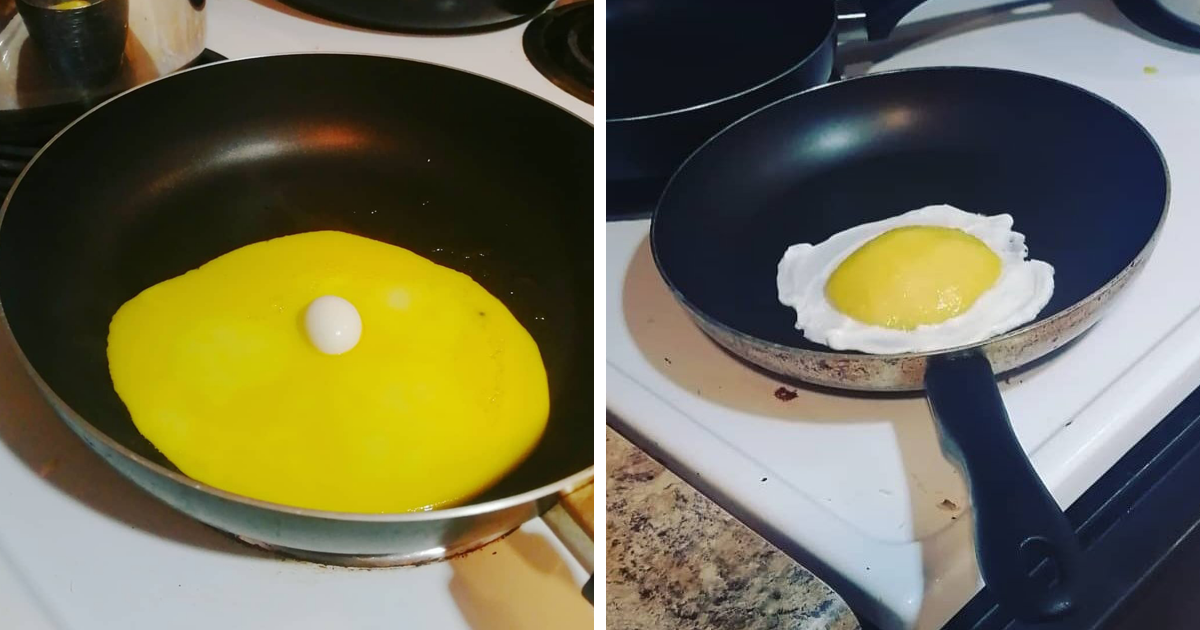
During the 2020 quarantine period, Twitter user Anna Hughes shared her personal mission to make eggs that looked increasingly strange. Instead of perfecting sourdough or whipping coffee into a photogenic cloud, she turned an ordinary breakfast ingredient into something that seemed capable of blinking first. Her creations inspired thousands of people to respond with their own bizarre egg dishes, including cyclops-like yolks, accidental faces, alien shapes, noodle nests, and omelets with the emotional energy of a haunted puppet.
Origin and documented thread: sult was a wonderfully low-stakes internet spectacle: part cooking challenge, part visual joke, and part reminder that creativity does not always need to be beautiful. Sometimes it only needs to be edible, recognizable, and just unsettling enough to make someone whisper, “Why does it know my name?”
How the Unsettling-Looking Eggs Trend Began
The trend started when Hughes contrasted her quarantine hobby with the polished kitchen projects filling social feeds at the time. While many home cooks were learning artisan bread, elaborate coffee drinks, and restaurant-style plating, she announced that she had been developing a different skill: making eggs look progressively more disturbing.
Her original post included several egg “masterpieces.” Their appeal was not traditional culinary beauty. The whites stretched into odd shapes, yolks appeared in unexpected places, and familiar breakfast forms suddenly resembled eyes, faces, animals, or organisms recently recovered from a meteorite. At the time the story was widely covered, the post had attracted hundreds of thousands of likes and an enormous wave of replies and reposts.
Other users immediately understood the assignment. They did not merely share failed breakfasts. They began cooking with comic intention. Some arranged ingredients to create faces. Others leaned into accidental shapes. A few offered techniques for producing even stranger results, proving that the internet can turn almost anything into a competitive disciplineincluding making an omelet look emotionally complicated.
Why Bizarre Egg Dishes Are So Funny
Eggs Are Familiar Enough to Become Unfamiliar
A fried egg is one of the most recognizable foods in the world. The bright yolk, pale white, and simple circular form are visually reassuring. That familiarity makes distortion especially effective. Move the yolk off-center, split it into two “eyes,” stretch the white into tentacles, or add a condiment mouth, and the brain begins searching for a face.
This is a classic visual-comedy shortcut. We naturally detect patterns in random shapes, especially face-like arrangements. A normal egg says breakfast. Two yolks and a strip of bacon say a tiny creature has been waiting to discuss your browser history.
The Barrier to Entry Is Almost Comically Low
Many viral challenges require talent, money, coordination, or a willingness to fall off furniture. The Twitter egg trend required eggs, heat, and questionable artistic judgment. That accessibility helped it spread. A participant did not need to create the “best” dish. In fact, technical perfection could make the result less effective.
The ideal unsettling egg sits in a narrow zone between intentional food art and a breakfast accident. It should look planned enough to earn admiration but chaotic enough to create concern.
The Timing Was Perfect for Pandemic-Era Humor
Quarantine cooking became a shared online ritual in 2020. People baked bread, traded pantry substitutions, joined virtual cooking clubs, and posted the results as a way to create structure and connection. The unsettling egg trend playfully rejected the pressure to make every homemade meal look aspirational.
Instead of presenting a flawless kitchen life, participants celebrated weirdness. Research published through the American Psychological Association later found that humorous pandemic-related memes could help viewers feel calmer and more content. Unsettling eggs were not therapy, of course, but they fit the same emotional pattern: take a stressful shared situation, make something ridiculous, and let the group laugh together.
Pandemic cooking and humor context: ld Guide to 40 of the Best Unsettling Egg Ideas
The original thread and the replies around it produced many different shapes and characters. The following field guide captures the funniest visual ideas associated with the trend and the wider world of deliberately bizarre egg art.
- One-Eyed Owl Ramen: A yolk stares from a noodle nest like a bird with classified information.
- Breakfast Cyclops: One centered yolk turns an uneven white into a watchful creature.
- Double-Yolk Witnesses: Two golden eyes silently observe every questionable decision.
- Sad Egg Face: A sauce frown gives breakfast instant existential dread.
- Shocked Egg: Yolk eyes and an open mouth recreate the grocery-receipt expression.
- Suspicious Egg: Uneven yolks create the culinary equivalent of one raised eyebrow.
- Alien Specimen: Pale colors and irregular edges make the dish look recently discovered.
- Egg Birthday Cake: Stacked eggs imitate a celebration dessert nobody requested.
- Crispy-Lace Spider: Browned edges spread like delicate legs around the center.
- Omelet Puppet: A folded egg becomes a mouth with filling for teeth.
- Noodle-Nest Creature: Ramen frames the yolk like hair, feathers, or camouflage.
- Runny-Eye Portrait: A broken yolk supplies one extremely dramatic golden tear.
- Two Friends: Small eggs sit together like characters waiting for dialogue.
- Charred Halo: A dark ring turns the yolk into a tiny eclipse.
- Toast Portal: An egg cooked in bread becomes a doorway to mandatory brunch.
- White-Tendril Monster: Thin strands stretch across the pan like nerves or roots.
- Yolk Island: One bright center floats alone in a wide white sea.
- Condiment Face: Ketchup or hot sauce adds eyebrows, mouths, and bad intentions.
- Sausage-Limbed Egg: Breakfast links become arms and legs for instant character design.
- Accidental Chicken: A pointed white and well-placed yolk resemble the original producer.
- Accidental Fish: A tapered edge becomes a tail swimming across the skillet.
- Accidental Map: Spreading whites create coastlines no geographer recognizes.
- Rubber Mask: Overcooking produces a stiff shape ready for miniature horror.
- Ghost Scramble: Pale curds gather into a figure with unfinished business.
- Yolk in a Blanket: Folded white makes the center look tucked in or trapped.
- Breakfast Skull: Two cavities and a rough jaw form an edible warning.
- Melting Smile: A cheerful face collapses as the yolk begins to run.
- Egg Tower: Stacked layers challenge gravity, stability, and common sense.
- Cheese Membrane: Melted cheese stretches over the egg like creature skin.
- Sriracha Veins: Red lines add heat and an unnecessary medical atmosphere.
- Green Nest: Herbs and spinach make the egg appear to hatch from a shrub.
- Pancake Impostor: A smooth omelet is decorated like something sweet.
- Half-Flipped Mutant: The egg cannot decide whether it is fried or folded.
- Pan-Scraped Ghost: One spatula drag creates a head, tail, and haunting silhouette.
- Nervous Sun: Crisp rays surround a yolk that looks emotionally unstable.
- Judgmental Eyebrows: Herbs or browned strips give the plate permanent disapproval.
- Breakfast Crab: Bacon or crisp edges become claws around an egg body.
- Deliberately Bad Flip: Tearing and folding turn failure into a recognizable style.
- The 2 A.M. Creation: It resembles nothing, yet clearly came from late-night confidence.
- The Egg That Looks Back: The champion is always the one that notices you first.
The Food Science Behind Beautifully Disturbing Eggs
Eggs are unusually good material for edible art because heat changes their structure quickly. Raw egg-white proteins are folded chains suspended mostly in water. As heat unfolds those proteins, they connect into a network that traps water and turns the clear liquid opaque. Continue heating, and the network tightens, which can make the white firm, dry, or rubbery.
The yolk and white also set differently. That gives cooks a short window in which one part can remain soft while another becomes crisp, folded, stretched, or browned. High heat can create lacy edges; gentle heat can preserve smooth curves; whisking can produce curds; and partial folding can make mouths, wings, blankets, or unlicensed anatomical features.
Freshness affects appearance, too. Fresher eggs generally have tighter whites that hold their shape, while older eggs tend to spread more in the pan. For ordinary cooking, that may be a practical detail. For unsettling egg art, it is a creative choice: use a fresh egg for a controlled cyclops or a looser egg for maximum tentacle potential.
Egg protein, texture, and cooking science: o Make Unsettling Eggs Without Making Unsafe Eggs
Creative plating should never become an excuse for careless handling. The U.S. Food and Drug Administration notes that even clean, uncracked eggs may contain Salmonella. Wash hands, utensils, and work surfaces after contact with raw egg, and keep eggs refrigerated until needed.
For the safest result, cook eggs until the yolks and whites are firm, or cook egg dishes to an internal temperature of 160°F. People who are pregnant, very young, older, or immunocompromised should be especially cautious with raw or lightly cooked eggs. Refrigerate leftovers promptly, and do not let cooked eggs sit at room temperature for more than two hours.
In other words, an egg may look like it emerged from a forbidden laboratory, but it should still follow normal kitchen rules.
U.S. egg-safety guidance: the Twitter Egg Trend Reveals About Viral Creativity
The best internet trends give people a simple grammar and let them improvise. In this case, the grammar was easy: cook an egg, make it strange, photograph it, and invite others to judge whether it had crossed the line from breakfast into sentient object.
That structure encouraged participation rather than passive viewing. Each reply could escalate the joke. A plain odd-shaped egg led to a face; a face led to an animal; an animal led to a plated scene; and a plated scene led to someone offering advanced instructions for engineering a runny-centered omelet monster.
The trend also challenged the usual rules of food photography. Social platforms often reward symmetry, clean surfaces, bright light, and dishes that look expensive. Unsettling eggs rewarded irregularity, surprise, and personality. Their ugliness was not a flaw to hide. It was the entire point.
That is why the images remain funny even outside their original quarantine context. They represent a universal kind of creativity: using whatever is available, abandoning perfection, and discovering that a badly behaved egg can become a very good story.
Conclusion: Sometimes the Weirdest Breakfast Wins
The unsettling-looking eggs trend succeeded because it was easy to understand, cheap to join, and endlessly adaptable. Anna Hughes’s quarantine experiment transformed ordinary eggs into a collaborative gallery of faces, creatures, accidents, and edible nightmares. The 40 best examples are funny not because they display flawless technique, but because they reveal imagination in the middle of mess.
Experience Notes: What Happens When You Try the Trend Yourself
Trying an unsettling egg challenge at home begins with a strange reversal of normal cooking instincts. Usually, the goal is control. You crack the shell neatly, protect the yolk, manage the heat, and aim for a clean result. Here, you still need enough control to keep breakfast edible, but you also have to welcome a little chaos.
The first attempt often looks disappointingly normal. The egg lands in the pan, forms a respectable circle, and behaves like it has a job interview. You may try nudging the white with a spatula, only to create something that resembles a mitten. Add two peppercorn eyes and it becomes a worried mitten. That is progress.
The second attempt tends to become more intentional. A lower pour from the shell can keep the yolk centered, while a quick tilt of the pan can stretch the white into a tail. A strip of toast can frame the shape. Hot sauce can create a mouth. Suddenly, the plate resembles a fish, a ghost, or a regional weather system. The uncertainty is part of the fun because other people may see an entirely different character.
Photography changes the experience. Viewed from directly above, a messy fried egg may look like a face. Rotated ninety degrees, it may become a bird. Move a piece of bacon two inches, and the creature gains an arm. This is less like formal food styling and more like cloud watching with breakfast ingredients.
The social part is equally important. Show the image to friends without explaining it, and reactions usually arrive in stages. First comes silence. Then someone names the creature. Another person claims it looks exactly like a former coworker. Someone else insists the yolk is expressing disappointment. The image gathers a story that did not exist when the egg left the shell.
There are practical lessons, too. High heat creates dramatic crisp edges but can overcook the center quickly. Low heat gives more time to shape the white but may produce a softer, less defined form. A nonstick skillet makes deliberate rearrangement easier. A small lid helps set the top. A flexible spatula is useful for folding sections without completely destroying themunless complete destruction is the chosen aesthetic.
The most satisfying moment comes when you stop trying to imitate another person’s creation. The original trend worked because participants responded with their own accidents, visual jokes, ingredients, and kitchen habits. Your best contribution may not be a perfect owl, alien, or skull. It may be a shapeless egg that looks like a startled sofa. Give it a name, take the picture, eat it while warm, and accept that the internet has trained you to seek emotional depth in yolks.
That experience explains the trend’s lasting charm. It turns an inexpensive everyday task into a creative prompt. It creates permission to make imperfect food. Most importantly, it produces a breakfast that can be enjoyed twice: once as a joke and once with toast.
Perfect food photography will always have its place. Still, there is something refreshing about a trend that asks cooks to make breakfast less polished and more memorable. A carefully plated brunch may earn admiration. A one-eyed egg monster earns a group chat, a nickname, and possibly a small amount of fear. On the internet, that is often the stronger legacy.
Note: This original article synthesizes documented reporting and guidance from Bored Panda, the American Psychological Association, the FDA, USDA, CDC, Exploratorium, Serious Eats, Vox, Eater, TIME, Smithsonian Magazine, WIRED, and the American Egg Board. No creator captions or source passages have been copied.
Additional cultural background on viral eggs and food as art: