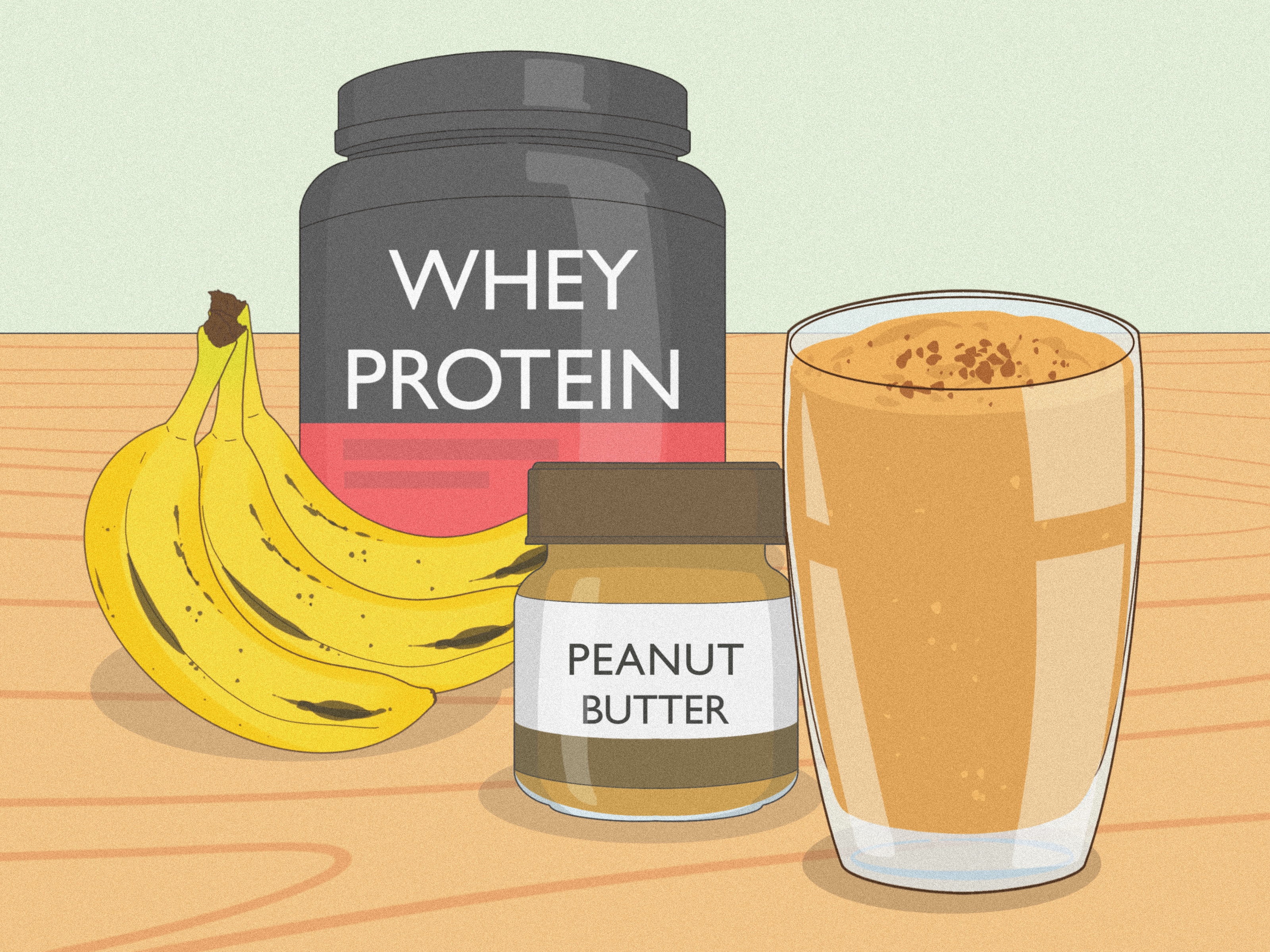
Eating 50 grams of protein a day sounds like a major nutritis, a calculator and a refrigerator full of grilled chicken. Fortunately, it is much easier than that. A few ordinary foods spread across breakfast, lunch, dinner and a snack can get you there without turning every meal into a bodybuilding commercial.
Protein helps the body build and maintain muscles, bones, skin and other tissues. It also supplies amino acids used in countless everyday processes, from repairing cells to supporting the immune system. Meat and protein powder are not the only options, either. Eggs, dairy foods, seafood, beans, lentils, tofu, tempeh, nuts, seeds and whole grains can all contribute to your daily protein intake.
This guide explains how to eat 50 grams of protein every day using affordable, realistic meals. You will find simple protein targets, approximate food counts, omnivore and plant-based meal plans, shopping ideas and an extended practical experience section showing how the strategy can work during a normal, imperfect week.
Research basis: FDA, MedlinePlus and NIH guidance on protein functions and labeling.
Nutrition note: The protein amounts below are estimates. Portions and brands vary, so check the Nutrition Facts label when precise tracking matters. People with kidney disease, liver disease, pregnancy-related needs, food allergies or other medical conditions should obtain individualized advice from a physician or registered dietitian.
Is 50 Grams of Protein a Day Right for You?
The FDA uses 50 grams as the Daily Value for protein on a standard 2,000-calorie diet. That makes 50 grams a convenient reference point for food labels, but it is not a personalized recommendation for every body on Earth. Your ideal intake may be lower or higher depending on your weight, age, health, activity level and overall calorie requirements.
A widely used baseline for healthy adults is approximately 0.8 grams of protein per kilogram of body weight. To estimate that amount, divide your weight in pounds by 2.2 and multiply the result by 0.8. A person weighing 140 pounds, for example, would have a baseline of roughly 51 grams per day. Someone weighing 170 pounds would land closer to 62 grams.
Research basis: FDA Daily Value and adult RDA guidance from Harvard Health, Cleveland Clinic and the Academy of Nutrition and Dietetics. r adults, competitive athletes, people doing frequent resistance training and those recovering from certain illnesses may need more protein. In contrast, some people with chronic kidney disease may be advised to limit protein, while dialysis patients may need more. In other words, protein targets are personal. Nutrition does enjoy making simple questions slightly complicated.
Kidney-related guidance: Easiest Way to Reach 50 Grams
Do not wait until dinner and attempt to tackle 50 grams in one heroic sitting. Divide the target across the day. A manageable schedule might look like this:
- Breakfast: 15 grams
- Lunch: 15 grams
- Dinner: 15 grams
- Snack: 5 grams
You could also aim for 20 grams at breakfast, 20 at lunch and 10 at dinner. The exact distribution does not need to be mathematically perfect. The purpose is to give each meal a job so that you are not staring into the refrigerator at 9:47 p.m., wondering whether three cheese sticks count as a balanced supper.
Including protein at several meals also makes it easier to build balanced plates containing vegetables, fruit, whole grains and healthy fats rather than allowing one giant serving of meat to dominate the day.
Meal distribution and balanced-diet guidance synthesized from Cleveland Clinic, Johns Hopkins Medicine and current U.S. dietary guidance. tein-Rich Foods: A Quick Reference Chart
Protein counts differ by product, cooking method and serving size. Use these approximate numbers for planning, then verify packaged foods with the label.
| Food | Example Portion | Approximate Protein |
|---|---|---|
| Chicken or turkey breast | 3 ounces cooked | 25–27 grams |
| Tuna | 3 ounces drained | 20–22 grams |
| Salmon | 3 ounces cooked | 21–23 grams |
| Greek yogurt | About 1 cup | 17–20 grams |
| Cottage cheese | 1/2 cup | 12–14 grams |
| Eggs | 2 large | 12 grams |
| Milk | 1 cup | 8 grams |
| Soy milk | 1 cup | 7–9 grams |
| Cooked lentils | 1 cup | 17–18 grams |
| Cooked black beans | 1 cup | 14–16 grams |
| Tempeh | 3 ounces | 15–17 grams |
| Firm tofu | 1/2 cup | 10–20 grams |
| Peanut butter | 2 tablespoons | 7–8 grams |
| Almonds or peanuts | 1 ounce | 6–7 grams |
| Cooked quinoa | 1 cup | 8 grams |
Food examples synthesized from USDA-aligned dietary resources, Harvard Nutrition Source, CSPI and the Academy of Nutrition and Dietetics. en Easy Tips for Eating 50 Grams of Protein Every Day
1. Give Breakfast a Protein Anchor
A breakfast built entirely from toast, fruit or sweet cereal may provide energy but only a modest amount of protein. Add one reliable protein anchor: eggs, Greek yogurt, cottage cheese, milk, fortified soy milk or tofu.
Two eggs with a cup of milk provide roughly 20 grams. Greek yogurt mixed with oats may offer 20 to 25 grams, depending on the brand and portion. A smoothie made with soy milk, Greek yogurt or an appropriate protein powder can also work when mornings are rushed.
2. Choose the Protein Before Planning the Rest of the Meal
When deciding what to eat, start with one question: “What is my protein source?” Then add vegetables, fruit, grains and healthy fats around it.
For lunch, that anchor could be tuna, leftover chicken, lentils, beans, tofu or cottage cheese. For dinner, it might be salmon, turkey, tempeh, chickpea pasta or a bean-and-grain bowl. This approach prevents the classic meal-planning outcome of preparing an impressive plate of roasted vegetables and then realizing it contains about four grams of protein.
3. Stack Several Moderate Sources
Every food does not need to contain 25 grams. Small amounts add up. Oatmeal may provide about 5 grams, milk adds 8, peanut butter adds 7 and chia seeds add a few more. Together, an ordinary bowl can approach 20 grams without a steak hiding under the oats.
The same strategy works at lunch. Whole-grain bread, hummus, turkey, cheese or seeds can each contribute. Think of protein as a team effort rather than assigning the entire workload to one chicken breast.
4. Keep Emergency Protein in the Pantry and Freezer
Convenience matters. Stock foods that can rescue a busy day:
- Canned tuna, salmon or chicken
- Canned beans and lentils
- Frozen shelled edamame
- Frozen fish fillets or cooked chicken portions
- Nut and seed butters
- Roasted chickpeas
- High-protein pasta made from lentils or chickpeas
- Shelf-stable milk or soy milk
Rinse canned beans when you want to reduce some of their sodium. Frozen and canned foods are not nutritional failures; they are often the reason dinner happens at all.
Practical meal-planning guidance: Read Grams, Serving Sizes and Ingredients
Protein claims on the front of a package can be helpful, but the Nutrition Facts panel is more useful. Check the serving size first, followed by the grams of protein. A bottle may advertise 20 grams while quietly containing two servingsor a serving may be much larger than you expected.
Compare the entire product, not protein alone. Look at added sugar, sodium, saturated fat, fiber and the ingredient list. A food does not automatically become nutritious because the package has the word “protein” printed in letters large enough to see from space.
FDA label-reading guidance: Use Both Plant and Animal Protein Wisely
Animal foods can provide concentrated protein, but plant foods contribute fiber and a range of vitamins, minerals and beneficial plant compounds. Beans, peas, lentils, soy foods, nuts and seeds can be used alone or alongside seafood, eggs, poultry and lower-fat dairy products.
People following a vegan diet can comfortably reach 50 grams by eating enough food and including legumes or soy products regularly. It is not necessary to combine specific plant proteins at every meal. Eating a varied diet across the day generally supplies the essential amino acids the body needs.
Examples of useful combinations include lentils with brown rice, hummus with whole-grain pita, tofu with noodles, peanut butter on whole-wheat toast and black beans with corn tortillas.
Protein variety guidance: Treat Protein Powder as Optional
Protein powder can be convenient, especially for people with limited appetite, demanding training schedules or little time to prepare food. It is not mandatory. Most healthy adults can reach 50 grams with regular meals.
When buying a powder, check the serving size, protein amount, sweeteners and other ingredients. Choose products from reputable companies that use independent quality testing. Supplements should fill a practical gap, not replace every meal containing an actual fork.
Protein powder guidance: ee Simple 50-Gram Protein Meal Plans
Meal Plan 1: No-Fuss Omnivore Day
- Breakfast: Two eggs and one cup of milk about 20 grams
- Lunch: Three ounces of tuna with whole-grain crackers and vegetables about 23 grams
- Snack: Two tablespoons of peanut butter with an apple about 7 grams
Estimated daily total: 50 grams
Meal Plan 2: Vegetarian Day
- Breakfast: Greek yogurt with oats and berries about 22 grams
- Lunch: Lentil soup made with approximately one cup of cooked lentils about 18 grams
- Snack: One-half cup of cottage cheese with fruit about 13 grams
Estimated daily total: 53 grams
Meal Plan 3: Fully Plant-Based Day
- Breakfast: Oatmeal with soy milk and two tablespoons of peanut butter about 20 grams
- Lunch: Tempeh stir-fry with vegetables and brown rice about 20 grams
- Dinner: Chickpea-and-quinoa salad about 11 grams
Estimated daily total: 51 grams
These plans intentionally use common foods rather than specialized “high-protein” products. Add vegetables, fruit, whole grains and healthy fats in portions that suit your appetite and calorie needs.
Fast High-Protein Meal Ideas
Greek Yogurt Breakfast Bowl
Combine Greek yogurt, berries, oats and chopped nuts. Depending on your portions, the bowl may provide 20 to 25 grams of protein. Choose plain or lightly sweetened yogurt when you want greater control over added sugar.
Chicken and Bean Taco Bowl
Add chopped chicken, black beans, brown rice, lettuce, tomatoes and salsa to a bowl. A modest serving of chicken plus one-half cup of beans can provide roughly 30 grams before the grain makes its contribution.
Ten-Minute Tuna Plate
Mix tuna with plain Greek yogurt or a small amount of mayonnaise. Serve it with whole-grain crackers, sliced cucumber and fruit. This requires almost no cooking and provides about 20 to 25 grams of protein.
Tofu Scramble Wrap
Cook crumbled firm tofu with peppers, onions, spinach and seasonings. Wrap it in a whole-grain tortilla and add beans or nutritional yeast if desired. Depending on the tofu and tortilla, one wrap may deliver 18 to 25 grams.
Lentil Pasta Dinner
Prepare lentil or chickpea pasta and top it with tomato sauce, vegetables and a spoonful of Parmesan or nutritional yeast. Some legume-based pastas provide approximately 20 grams per serving, though labels vary considerably.
Common Protein Mistakes to Avoid
Eating Nearly All Your Protein at Dinner
A large dinner may get you to the daily total, but spreading protein among meals usually makes the goal easier and creates more balanced breakfasts and lunches.
Assuming “High Protein” Means “Healthy”
Processed meats, fried foods and heavily sweetened bars may contain protein while also supplying substantial sodium, saturated fat or added sugar. Choose lean meats, seafood, legumes, soy foods, nuts, seeds and lower-fat dairy products more often.
Protein-quality guidance: nting Only Obvious Protein Foods
Bread, oats, pasta, quinoa, vegetables and seeds contribute smaller amounts that can meaningfully raise the daily total. Count the entire meal rather than only the item sitting in the “protein” section of your mental filing cabinet.
Adding Protein Without Considering Calories
Nuts, nut butters and cheese are nutritious but calorie-dense. They can help you reach 50 grams, yet portions still matter if you are managing energy intake. Add protein by replacing less nutritious foods instead of simply stacking extra items on top of an already sufficient diet.
Forgetting About Fiber and Produce
A healthy eating pattern needs more than protein. Keep vegetables, fruits, whole grains and other fiber-rich foods on the plate. Fifty grams of protein accompanied by almost no plant food is technically a target achieved, but nutritionally it is a group project where several teammates never arrived.
A Realistic Experience: What a Week of Aiming for 50 Grams Can Teach You
The following is an illustrative experience based on common meal-planning challenges. It is not a personal medical diary or a promise that everyone will feel the same way.
On the first day, the biggest surprise is often how little protein appears in a familiar breakfast. Toast with jam, coffee and a banana may be perfectly enjoyable, but it leaves most of the 50-gram target untouched. Adding two eggs changes the calculation immediately. A glass of milk or soy milk brings the meal close to 20 grams, and suddenly the rest of the day looks much less intimidating.
Day two usually reveals the value of reading labels. Two containers that look almost identical can have very different protein counts. One yogurt may offer 8 grams while a strained Greek-style option provides 16 or more. A plant-based milk may contain 8 grams per cup, while another contains only 1. The lesson is not that one product is automatically bad; it is that assumptions are terrible accountants.
By day three, lunch becomes the weak link. Breakfast has been upgraded and dinner already includes fish, chicken, tofu or beans, but lunch is still a handful of crackers consumed near a keyboard. Keeping tuna, lentils, cooked eggs or leftover chicken available solves the problem. A five-minute bowl made with beans, rice, salsa and vegetables can produce a respectable amount of protein without requiring an inspirational cooking montage.
Day four is when food boredom may appear. Eating the same chicken breast repeatedly works on paper but can make the refrigerator feel like a cafeteria with one employee. Rotating protein sources makes the routine sustainable: eggs one morning, yogurt the next, lentils at lunch, salmon at dinner, tofu later in the week and peanut butter when cooking sounds unreasonable.
On day five, a busy schedule tests the system. This is where emergency foods earn their shelf space. A carton of Greek yogurt, a packet of tuna, roasted edamame or a peanut butter sandwich can keep the day on track. The goal is not to produce a flawless meal. It is to create a better option than skipping lunch and attempting to compensate with a mountain of food at night.
During the weekend, tracking becomes easier because familiar combinations have developed. Two eggs equal about 12 grams. A cup of milk adds roughly 8. A cup of cooked lentils approaches 18. There is less need to calculate every crumb because a few repeatable meals have become reliable templates.
The most useful lesson from the week is that reaching 50 grams does not require eating enormous portions. It requires noticing where protein is missing and making small adjustments. Adding yogurt to breakfast, beans to lunch or tofu to dinner is usually more comfortable than forcing down an oversized serving at one meal.
Another lesson is that daily totals naturally fluctuate. One day may reach 47 grams and another may reach 58. For most healthy people, there is no need to treat the target like a game-show buzzer that triggers at exactly 50. Consistency over time matters more than numerical perfection.
After a week, the strategy feels less like “following a high-protein diet” and more like building complete meals. Protein is present, but so are vegetables, grains, fruit and enjoyable flavors. That is the routine most likely to last: flexible enough for real life, structured enough to be useful and delicious enough that lunch does not feel like homework.
Conclusion
Learning how to eat 50 grams of protein every day is mostly an exercise in distribution and preparation. Start with a protein-containing breakfast, choose an anchor for lunch and dinner, and keep one convenient snack available. Eggs, yogurt, chicken, tuna, beans, lentils, tofu, tempeh, milk, soy milk, nuts and whole grains can all contribute.
Remember that 50 grams is a useful reference amount rather than a universal prescription. Calculate your approximate needs using your body weight and discuss your diet with a qualified professional when age, athletic training, pregnancy or a medical condition changes the equation.
Final note: Nutrition information and protein values are approximate and intended for general education. Always use product labels and personalized medical guidance when making decisions for a specific health condition.
The article synthesizes information from 12 reputable U.S. sources and organizations, including the FDA, NIH/MedlinePlus, Dietary Guidelines for Americans, USDA MyPlate, Harvard Nutrition Source, Mayo Clinic, Cleveland Clinic, Johns Hopkins Medicine, the Academy of Nutrition and Dietetics, the National Kidney Foundation and CSPI. ode>