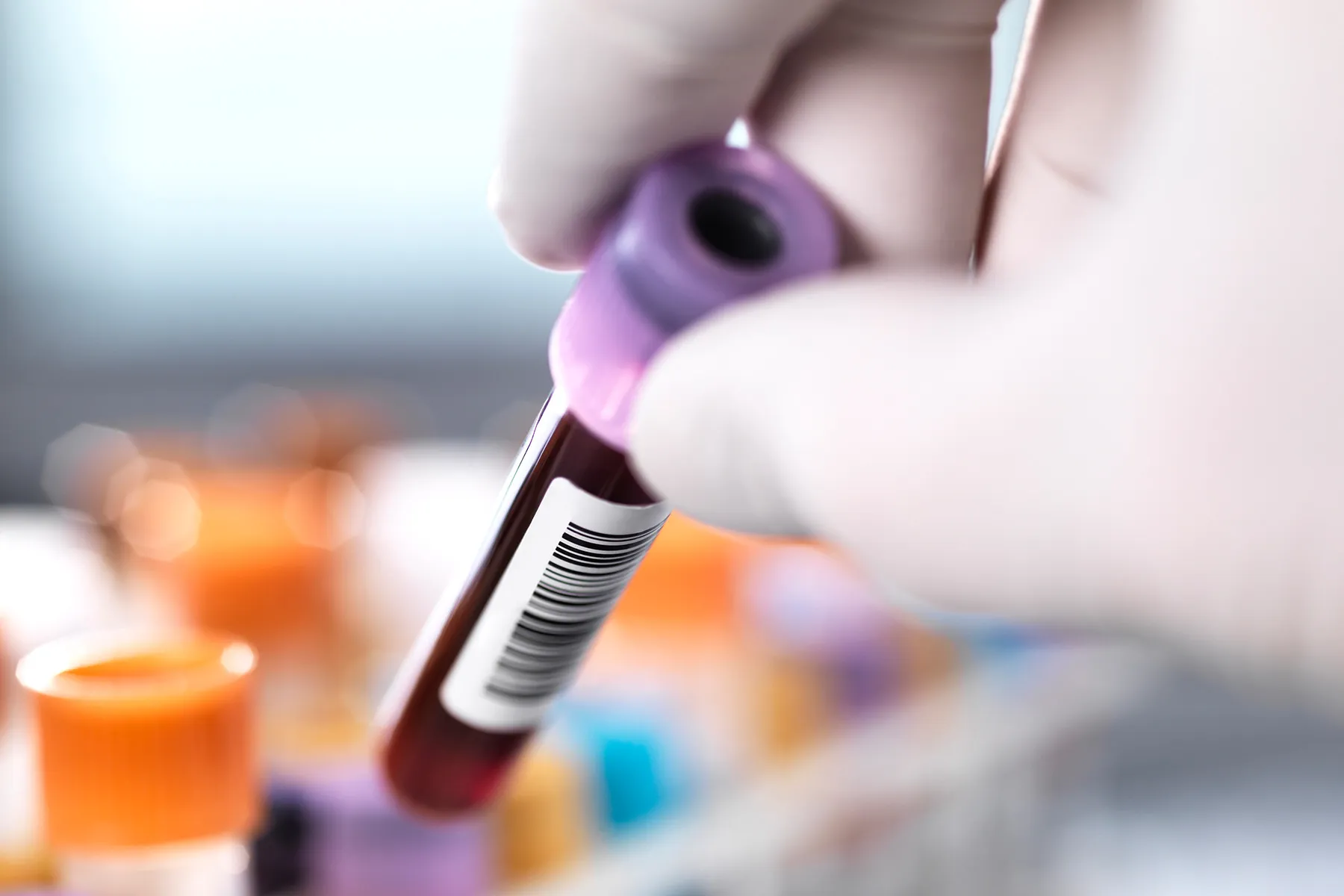
The Gamma-Glutamyl Transpeptidase (GGT) test, also called the gamma-glutamyl transferase test, is one of those blood tests that sounds like it escaped from a biochemistry textbook wearing a lab coat. But behind the complicated name is a practical, commonly used test that helps healthcare providers evaluate the health of your liver and bile ducts.
GGT is an enzyme found throughout the body, with especially high activity in the liver. When liver cells or bile ducts are irritated, inflamed, blocked, or damaged, GGT can leak into the bloodstream, causing blood levels to rise. A GGT test does not diagnose one specific disease by itself, but it can provide an important clue in the larger “what is going on with the liver?” investigation. Think of it as a smoke alarm: it tells you something may be burning, but it does not tell you whether it is toast, a candle, or your uncle’s famous “extra crispy” barbecue.
This article explains what the GGT blood test measures, why it is ordered, what high GGT levels may mean, how to prepare, and what patients often experience before and after testing.
What Is a Gamma-Glutamyl Transpeptidase (GGT) Test?
A GGT test measures the amount or activity of gamma-glutamyl transpeptidase in the blood. GGT is involved in the movement of amino acids and peptides across cell membranes and plays a role in the body’s handling of glutathione, an important antioxidant. In everyday medical use, however, GGT is best known as a liver enzyme test.
GGT is found in several organs, including the liver, kidneys, pancreas, spleen, and intestines. Still, blood GGT levels are most often interpreted in relation to the liver and biliary system. The biliary system includes the bile ducts, which carry bile from the liver and gallbladder into the small intestine to help digest fats.
When liver cells are injured or bile flow is blocked, GGT may rise. For this reason, doctors often order the test along with other liver-related blood tests, such as alanine aminotransferase (ALT), aspartate aminotransferase (AST), alkaline phosphatase (ALP), bilirubin, and albumin.
Why Do Doctors Order a GGT Blood Test?
Healthcare providers may order a gamma-glutamyl transpeptidase test when they suspect liver disease, bile duct problems, alcohol-related liver stress, or unexplained abnormal results on a liver panel. The test is especially useful when another enzyme, alkaline phosphatase, is elevated.
To Check for Liver or Bile Duct Disease
GGT may rise in many liver and bile duct conditions. These can include hepatitis, fatty liver disease, cirrhosis, bile duct obstruction, cholangitis, gallbladder-related problems, and liver tumors. A high GGT result does not automatically mean a serious condition is present, but it is a signal that the liver and bile ducts deserve closer attention.
To Help Explain High Alkaline Phosphatase
One of the most common reasons for ordering a GGT test is to help determine why alkaline phosphatase is high. ALP can increase because of liver or bile duct disease, but it can also rise because of bone conditions. GGT helps separate those possibilities. If ALP is high and GGT is also high, the source is more likely liver or bile duct related. If ALP is high but GGT is normal, bone may be the more likely source.
To Evaluate Possible Alcohol-Related Liver Stress
GGT can increase with regular or heavy alcohol use. For some patients, doctors use GGT as one piece of information when assessing alcohol-related liver injury. However, GGT should not be treated as a perfect “alcohol detector.” Some people who drink heavily may not have dramatically high GGT, while some people who do not drink may have elevated levels because of medications, metabolic disease, or other liver conditions.
To Investigate Symptoms of Liver Trouble
A GGT test may be ordered when a patient has symptoms that could suggest liver or bile duct disease. These symptoms may include yellowing of the skin or eyes, dark urine, pale stools, nausea, vomiting, abdominal pain, swelling, intense itching, unusual fatigue, loss of appetite, or unexplained weight changes.
How the GGT Test Is Performed
The GGT test is a simple blood test. A healthcare professional usually draws blood from a vein in the arm using a small needle. The process typically takes only a few minutes. You may feel a quick pinch, mild pressure, or a brief sting. Afterward, the site may be covered with a small bandage.
The blood sample is sent to a laboratory, where the level of GGT is measured. Results may be available the same day or within a few days, depending on the clinic, hospital, or lab system.
How to Prepare for a GGT Test
Preparation instructions can vary, so patients should follow the directions from their healthcare provider or testing laboratory. In some cases, fasting may be recommended before the blood draw, especially if the GGT test is part of a broader liver panel or metabolic panel.
It is also important to tell your provider about all medicines, supplements, and herbal products you take. Certain medications may affect GGT levels. These can include some anti-seizure medications, barbiturates, blood pressure medicines, cholesterol-lowering drugs, antibiotics, antifungals, and other drugs that affect the liver. Never stop a prescribed medication just to “make the lab look better” unless your healthcare provider specifically tells you to. The lab report is not a school exam; you do not need to cheat your liver into an A+.
What Is a Normal GGT Level?
Normal GGT ranges vary by laboratory, age, sex, and testing method. Many labs report adult reference ranges in units per liter, often abbreviated as U/L. A result considered normal at one laboratory may be slightly different at another, so it is best to interpret your number using the reference range printed on your own lab report.
In general, adult men often have higher reference ranges than adult women. Children and infants may have different ranges as well. Because of these differences, a GGT value should not be judged by a random number found online. The most useful comparison is your result versus your lab’s stated normal range, combined with your symptoms, medical history, and other test results.
What Does a High GGT Level Mean?
A high GGT level means there is more GGT activity in the blood than expected. This can happen when the liver, bile ducts, or related tissues are under stress. The challenge is that GGT is sensitive but not very specific. In plain English, it is good at saying, “Something may be happening,” but not great at saying, “Here is the exact problem, case closed.”
Common Causes of Elevated GGT
High GGT levels may be associated with:
- Fatty liver disease, including metabolic dysfunction-associated fatty liver disease
- Alcohol-related liver disease
- Hepatitis or liver inflammation
- Cirrhosis or liver scarring
- Bile duct obstruction
- Gallbladder disease
- Pancreatic disease
- Heart failure or other systemic illness
- Certain medications or supplements
- Diabetes, obesity, or metabolic syndrome
A mildly elevated GGT may require repeat testing, lifestyle review, medication review, or additional blood work. A very high GGT, especially with abnormal bilirubin, ALP, AST, or ALT, may prompt imaging tests such as ultrasound, CT scan, MRI, or more specialized liver and bile duct evaluation.
Can GGT Be High Without Liver Disease?
Yes. GGT can be elevated for reasons that are not strictly liver disease. Alcohol use, medications, recent illness, obesity, diabetes, and even some heart or pancreatic conditions may affect the result. That is why doctors rarely use GGT alone. It works best as part of a team, like the liver panel’s slightly dramatic but useful coworker.
What Does a Low GGT Level Mean?
Low or normal GGT levels are usually not a concern. In most cases, doctors pay attention to GGT when it is elevated. A normal GGT may help suggest that an elevated alkaline phosphatase result is less likely to come from the liver or bile ducts and may be related to bone or another source.
GGT Compared With Other Liver Tests
The GGT test is often interpreted with other liver function tests because each test provides a different clue.
GGT and ALT
ALT is more specific to liver cell injury. When ALT is high, it often suggests liver cell inflammation or damage. GGT may also rise, but it is less specific.
GGT and AST
AST is found in the liver but also in muscles and other tissues. When AST and GGT are both elevated, doctors may look more closely at liver-related causes, alcohol use, medications, and metabolic factors.
GGT and ALP
The GGT and ALP combination is particularly helpful. High ALP plus high GGT often points toward liver or bile duct involvement. High ALP with normal GGT may lead doctors to consider bone-related causes.
GGT and Bilirubin
Bilirubin is a yellow pigment formed when red blood cells break down. If bilirubin is high along with GGT and ALP, bile flow problems or liver processing issues may be considered.
Symptoms That May Lead to a GGT Test
Some people have a GGT test because of symptoms. Others discover abnormal GGT levels during routine blood work. Symptoms that may lead a doctor to check GGT include:
- Yellow skin or yellow eyes
- Dark urine
- Light-colored or clay-colored stools
- Persistent nausea
- Upper right abdominal pain
- Itchy skin
- Fatigue that does not improve with rest
- Loss of appetite
- Unexplained swelling in the abdomen or legs
These symptoms do not always mean liver disease, but they should be evaluated, especially if they are new, worsening, or paired with abnormal lab results.
What Happens After an Abnormal GGT Result?
If your GGT level is high, your healthcare provider may review your alcohol intake, medications, supplements, health history, and symptoms. They may also compare your GGT result with other liver enzymes. The next step depends on the full picture.
Possible follow-up steps may include repeat blood testing, hepatitis testing, iron studies, autoimmune liver disease testing, metabolic testing, abdominal ultrasound, or referral to a gastroenterologist or hepatologist. If alcohol, medication, or fatty liver is suspected, your provider may recommend specific lifestyle changes and then recheck your levels.
How to Support Healthy GGT Levels
The best way to support healthy GGT levels depends on the cause of the elevation. There is no magic “GGT detox smoothie” that can erase liver stress overnight, no matter how confidently someone on social media holds a blender.
Limit or Avoid Alcohol
Because alcohol can raise GGT and contribute to liver injury, reducing or avoiding alcohol may help some patients lower elevated levels. Anyone who drinks heavily or feels unable to cut back should talk with a healthcare provider. Medical support can make stopping safer and more successful.
Review Medications Safely
Some medications can raise liver enzymes. If your GGT is high, ask your provider whether any prescriptions, over-the-counter drugs, or supplements could be contributing. Do not stop medication on your own, especially anti-seizure medicines, heart medicines, or psychiatric medications.
Maintain a Healthy Weight
Fat accumulation in the liver is a common reason for abnormal liver tests. Gradual weight loss, balanced eating, physical activity, and improved blood sugar control may help support liver health in people with fatty liver or metabolic syndrome.
Manage Diabetes and Cholesterol
High blood sugar, insulin resistance, and abnormal cholesterol levels can affect liver health. Working with a healthcare provider to manage these conditions may improve overall metabolic and liver markers.
Eat for Liver Health
A liver-friendly eating pattern often includes vegetables, fruits, whole grains, lean proteins, nuts, seeds, legumes, and healthy fats. It also limits highly processed foods, sugary drinks, and excessive saturated fat. The goal is not punishment by salad; it is giving the liver fewer daily messes to clean up.
Common Myths About the GGT Test
Myth 1: High GGT Always Means Alcohol Abuse
Not true. Alcohol can raise GGT, but many non-alcohol causes exist, including fatty liver disease, medications, bile duct problems, and metabolic conditions.
Myth 2: A Normal GGT Means the Liver Is Perfect
A normal GGT is reassuring, but it does not rule out every liver condition. Doctors interpret it with other tests and clinical information.
Myth 3: You Can Diagnose Yourself From One Lab Number
A single GGT result is not a diagnosis. Trends, symptoms, medication history, imaging, and other lab values matter. One number is a clue, not the whole detective novel.
When to Contact a Healthcare Provider
Contact a healthcare provider if you have symptoms such as yellowing of the skin or eyes, severe abdominal pain, confusion, vomiting blood, black stools, sudden swelling, or extreme weakness. These may require urgent medical care.
You should also follow up if your GGT is elevated, even if you feel fine. Many liver conditions are quiet in the early stages. Early evaluation can identify reversible causes before more serious damage occurs.
Patient Experience: What It Feels Like to Get a GGT Test
For many people, the most stressful part of a GGT test is not the blood draw; it is seeing an unfamiliar abbreviation on a lab report and wondering whether it is serious. “GGT” looks small, but it can create big questions. Patients often describe the experience as a mix of curiosity, anxiety, and frantic internet searching. Unfortunately, the internet can turn one elevated enzyme into a midnight tour of worst-case scenarios. That is why context matters.
A typical experience starts with routine blood work. Maybe you went in for an annual physical, a medication check, fatigue, abdominal discomfort, or monitoring after a previous abnormal liver panel. The blood draw itself is usually quick. You sit down, roll up your sleeve, answer a few identity questions, and try not to stare too intensely at the needle. A trained phlebotomist cleans the area, draws a small tube of blood, and places a bandage over the puncture site. Most people return to normal activities right away.
The emotional part often begins when results arrive in a patient portal. A high GGT may appear in bold, red, or with an alarming “H” next to it. That little letter can feel like a tiny siren. But an abnormal result does not automatically mean liver failure, cancer, or permanent damage. Many elevations are mild and temporary. Some are related to alcohol intake, recent medication changes, fatty liver, or other manageable causes.
A helpful next step is to compare the GGT result with the rest of the liver panel. If ALT, AST, ALP, bilirubin, and albumin are normal, the interpretation may be different than if several results are abnormal together. For example, a patient with high ALP and high GGT may need evaluation for bile duct or liver sources. A patient with mildly high GGT and metabolic risk factors may be evaluated for fatty liver disease. A patient who recently started a new medication may need a medication review.
Patients often find it useful to prepare a short list before discussing results with a provider. Write down alcohol intake honestly, including frequency and amount. List all medications, supplements, protein powders, herbal products, and over-the-counter pain relievers. Mention symptoms even if they seem unrelated, such as itching, nausea, stool color changes, dark urine, fatigue, or right upper abdominal discomfort. Doctors are good, but they are not mind readers with stethoscopes.
Another common experience is being told to repeat the test. This does not mean your doctor is ignoring the result. Repeating GGT can show whether the number is rising, falling, or staying stable. Trends can be more meaningful than a single snapshot. If a patient stops alcohol, changes a medication under medical supervision, improves blood sugar control, or loses weight gradually, a repeat test may help show whether the liver is responding.
The best mindset is practical, not panicked. A GGT test is a signal to investigate, not a final verdict. Ask what the result means in your specific case, what other tests matter, whether imaging is needed, and what lifestyle changes are appropriate. If your provider recommends follow-up, keep the appointment. The liver is a remarkably resilient organ, but it appreciates attention before problems become advanced.
Conclusion
The Gamma-Glutamyl Transpeptidase (GGT) test is a valuable blood test used to evaluate liver and bile duct health. It is especially helpful when doctors need to understand whether abnormal alkaline phosphatase comes from the liver or another source, such as bone. A high GGT level can be linked to liver inflammation, bile duct obstruction, alcohol use, medications, fatty liver disease, and several other conditions.
Still, GGT is not a stand-alone diagnosis. It is most useful when interpreted with other liver tests, symptoms, medical history, and sometimes imaging. If your result is elevated, do not panic and do not self-diagnose based on one number. Talk with a healthcare provider, review possible causes, and follow through with recommended testing or lifestyle changes. Your liver does a lot of quiet work every day; the GGT test is one way to check whether it is asking for backup.
Note: This article is for educational purposes only and is not a substitute for professional medical advice, diagnosis, or treatment. Medical information was synthesized from reputable U.S. health and laboratory references, including Mayo Clinic, Cleveland Clinic, MedlinePlus, UCSF Health, University of Rochester Medical Center, Testing.com, Mayo Clinic Laboratories, Quest Diagnostics, Labcorp, and related clinical laboratory guidance.