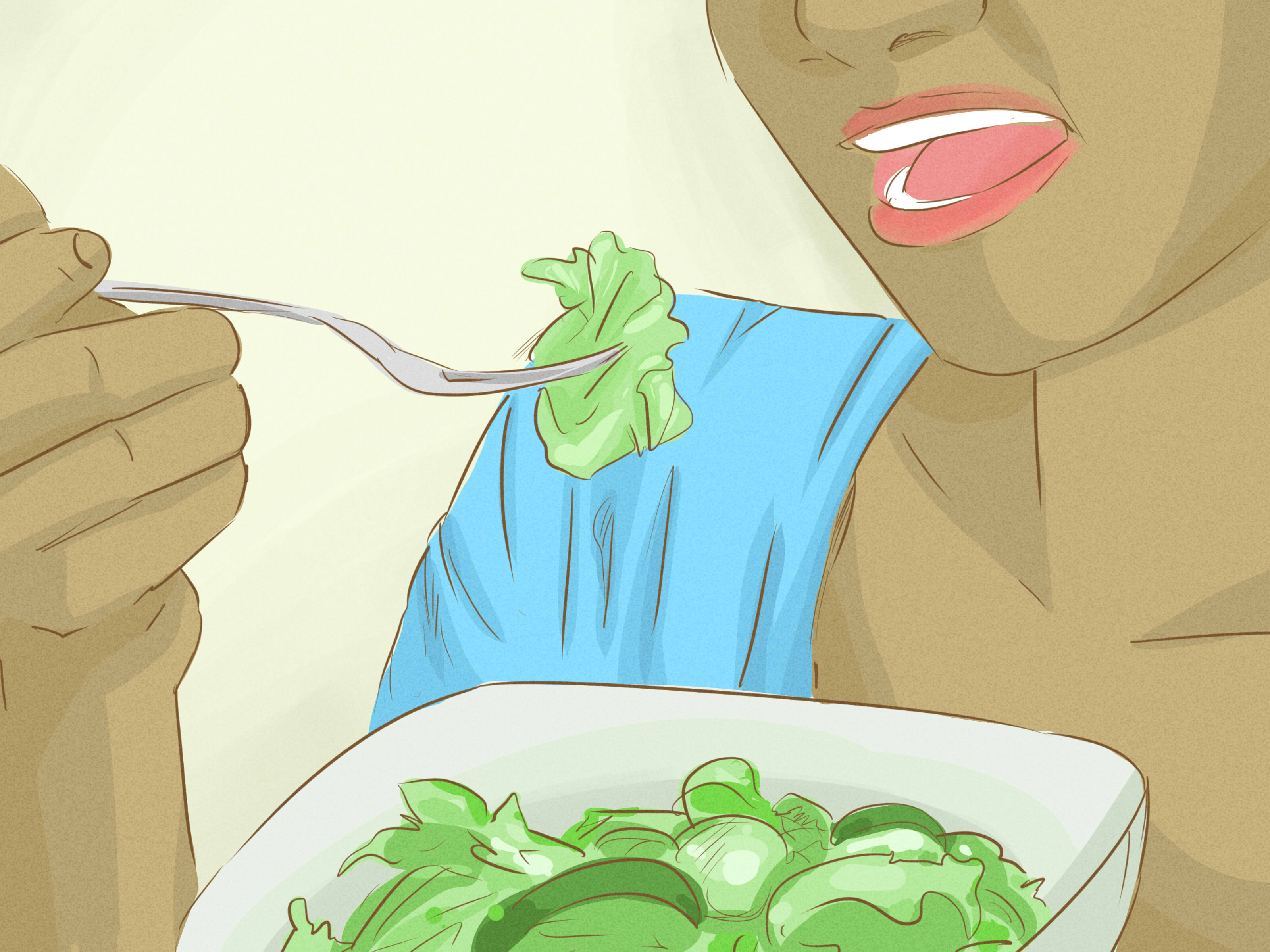
Going on a diet when you’re a picky eater can feel like being invited to a salad bar by someone who has never met your taste buds. Everyone says, “Just eat more vegetables,” as if broccoli has been patiently waiting for you to discover its personality. Meanwhile, you know the truth: certain textures make you shudder, unfamiliar sauces look suspicious, and “just try quinoa” does not count as a full wellness plan.
The good news? You do not need to become a kale smoothie influencer overnight. A healthy diet for picky eaters should be realistic, flexible, and built around foods you can actually tolerate. The goal is not perfection. The goal is progress: more protein, more fiber, better portions, fewer empty calories, and a wider comfort zone one bite at a time.
This guide explains how to lose weight, improve nutrition, and build healthier eating habits without forcing yourself into a miserable menu of foods you secretly hate. Think of it as a picky eater diet plan with less drama, more strategy, and absolutely no judgment if cauliflower still feels like a personal attack.
Why Dieting Feels Harder When You’re a Picky Eater
Picky eating is not always about being stubborn. Many people avoid foods because of taste, smell, texture, temperature, appearance, past bad experiences, or fear of digestive discomfort. Some people dislike mushy foods. Others cannot handle bitter vegetables, slimy textures, mixed dishes, or strong odors. If that sounds familiar, you are not being “difficult.” Your brain and body simply have strong food preferences.
The challenge is that many popular diet plans assume you are comfortable eating a wide variety of foods. Mediterranean bowls, bean salads, fish, lentils, Greek yogurt, roasted vegetables, and overnight oats may be nutritious, but they are not helpful if they make you want to fake an urgent phone call and leave the kitchen.
That is why the best diet for picky eaters starts with what already works. Instead of deleting your safe foods, you upgrade them. Instead of forcing unfamiliar meals, you introduce small changes. Instead of chasing a strict meal plan, you build a repeatable structure that fits your real life.
Start With a “Safe Foods” Audit
Before changing your diet, make a list of foods you already like. Divide them into categories: proteins, fruits, vegetables, grains, dairy or dairy alternatives, snacks, and drinks. This list becomes your foundation.
Examples of picky-eater-friendly foods
Your list might include grilled chicken, eggs, turkey, peanut butter, apples, bananas, rice, pasta, potatoes, cheese, yogurt, cereal, carrots, corn, peas, crackers, tortillas, or smoothies. Some of these foods may not sound “diet perfect,” and that is fine. The question is not, “Would a wellness blogger approve?” The question is, “Can this food help me build a healthier routine?”
For example, plain pasta can become a balanced meal with lean turkey meatballs and a blended tomato sauce. A peanut butter sandwich can be improved with whole-grain bread and a side of fruit. Chicken nuggets can become more filling with roasted potato wedges and a familiar vegetable. Your current menu is not a failure. It is raw material.
Build Meals Around Protein First
Protein is a picky eater’s best friend because it helps you feel full and supports muscle maintenance while dieting. If you only cut calories without enough protein, you may feel hungry, cranky, and personally betrayed by your lunch.
Choose protein sources you can tolerate and repeat them often. Healthy eating does not require a different recipe every day. Repetition is helpful when you are trying to build consistency.
Picky-eater protein ideas
- Scrambled eggs or egg bites
- Grilled chicken strips
- Turkey slices or turkey burgers
- Lean ground beef in small portions
- Greek yogurt, if you like creamy textures
- Cottage cheese, if texture is not an issue
- String cheese or reduced-fat cheese
- Tuna packets, salmon, or mild white fish
- Tofu blended into sauces or stir-fries
- Beans blended into dips, soups, or burritos
If you dislike obvious beans, try blending white beans into pasta sauce or soup. If fish is too strong, start with mild options like baked cod or shrimp. If yogurt feels too tangy, mix it with fruit, cinnamon, or a small amount of honey. The trick is not to force the healthiest version immediately. Move one step closer.
Use the “Same Food, Better Version” Method
One of the easiest ways to diet as a picky eater is to keep the meal familiar while improving the ingredients. This reduces the mental resistance that often comes with new foods.
Simple upgrades that do not feel scary
- Swap regular soda for sparkling water, diet soda, or flavored water.
- Use whole-grain bread instead of white bread if the texture feels acceptable.
- Choose baked fries or air-fried potatoes instead of deep-fried fries.
- Add grilled chicken to pizza and reduce the extra cheese.
- Use lean ground turkey in tacos instead of higher-fat meat.
- Try a smaller portion of pasta with extra protein on the side.
- Choose fruit with breakfast instead of pastries every morning.
These changes may sound small, but small changes are exactly what make a picky eater diet sustainable. You are not trying to win a nutrition contest by Thursday. You are trying to create habits you can repeat for months.
Make Vegetables Less Obvious
Vegetables are packed with fiber, vitamins, minerals, and volume, which makes them useful for weight loss. Unfortunately, many picky eaters hear “vegetables” and immediately imagine a steamed pile of sadness.
You do not have to start with plain vegetables. Start with vegetables prepared in ways that match your texture and flavor preferences.
Ways to make vegetables easier to eat
- Blend carrots, onions, spinach, or zucchini into tomato sauce.
- Roast vegetables until crispy instead of steaming them.
- Add finely chopped broccoli to egg bites or turkey meatballs.
- Use lettuce or spinach in wraps with a familiar dressing.
- Try raw vegetables with hummus, Greek yogurt dip, or salsa.
- Add frozen cauliflower rice to regular rice in a small amount.
- Put spinach into smoothies with banana or berries.
If you hate one vegetable, do not declare war on the entire produce aisle. Try different cooking methods. Raw carrots taste nothing like roasted carrots. Steamed broccoli and crispy roasted broccoli might as well be distant cousins who only see each other at awkward family reunions.
Use the “Tiny Bite Rule” for New Foods
Trying new foods does not mean eating a full serving. For picky eaters, a tiny bite is a victory. Even smelling, touching, cooking, or placing a new food on your plate can be part of the process.
Choose one new food at a time and pair it with something familiar. For example, if you like pasta, add one spoonful of blended vegetable sauce. If you like chicken tenders, try one bite of grilled chicken with the same dipping sauce. If you like smoothies, add a small handful of spinach and keep the fruit flavor dominant.
Do not judge the food after one attempt. Taste preferences can change with repeated exposure. You may not fall in love with bell peppers immediately. That is normal. Bell peppers are not expecting a proposal.
Control Portions Without Obsessing
Weight loss usually requires a calorie deficit, but counting every crumb can become stressful. A simpler approach is to use plate structure and portion awareness.
Try building meals with this flexible formula:
- One palm-sized portion of protein
- One fist-sized portion of carbs
- One to two servings of fruits or vegetables
- A small amount of healthy fat, such as olive oil, avocado, nuts, or cheese
This does not have to look fancy. A picky-eater-friendly plate could be grilled chicken, rice, apple slices, and roasted carrots. Another could be eggs, toast, berries, and a small amount of cheese. A third could be a turkey wrap with lettuce, baked chips, and fruit.
Portion control works best when you are not starving. That is why protein, fiber, and regular meals matter. Skipping breakfast and then trying to “be good” at dinner often ends with you negotiating with a family-size bag of chips.
Plan Snacks Before Hunger Gets Dramatic
Picky eaters often rely on snack foods because they are predictable. Crunchy, salty, sweet, and packaged foods taste the same every time. That consistency can feel safe. The problem is that many snack foods are easy to overeat and low in protein or fiber.
Instead of banning snacks, upgrade them. A good snack should help you stay full, not simply entertain your mouth for six minutes.
Healthy snacks for picky eaters
- Apple slices with peanut butter
- String cheese with whole-grain crackers
- Greek yogurt with berries
- Popcorn with a boiled egg
- Carrots with ranch made from Greek yogurt
- Turkey roll-ups with cucumber slices
- Protein smoothie with banana and milk
- Roasted chickpeas, if you like crunchy foods
The snack rule is simple: pair something you enjoy with something that gives it staying power. Carbs plus protein, fruit plus fat, or vegetables plus dip can keep hunger under control better than crackers alone.
Do Not Start With a Diet You Already Hate
A common mistake is choosing a diet based on popularity rather than personality. If you dislike seafood, a strict Mediterranean meal plan may feel impossible. If you hate eggs and avocado, a low-carb plan may become breakfast torture. If you cannot stand salads, a raw-food-heavy plan is not your soulmate.
The best diet is the one you can follow consistently while meeting your nutrition needs. For some picky eaters, that may look like a higher-protein plan with familiar meals. For others, it may be a flexible calorie-controlled plan, a balanced MyPlate-style approach, or a modified Mediterranean diet using only acceptable foods.
Do not ask, “What diet is perfect?” Ask, “What healthy structure can I repeat without becoming miserable?” Misery is not a required nutrient.
Create a Simple Picky Eater Meal Plan
Meal planning helps reduce last-minute decisions, which is when picky eaters often return to the same low-nutrient comfort foods. Keep your plan boring in the best possible way. Choose two breakfasts, three lunches, three dinners, and a few snacks you can rotate.
Sample picky eater diet day
Breakfast: Scrambled eggs, whole-grain toast, and strawberries.
Snack: String cheese and an apple.
Lunch: Turkey wrap with lettuce, light mayo or mustard, baby carrots, and baked chips.
Snack: Greek yogurt with banana slices.
Dinner: Chicken taco bowl with rice, shredded lettuce, mild salsa, cheese, and a small amount of avocado or sour cream.
This plan is not exotic, and that is the point. It includes protein, fruit, vegetables, grains, and dairy while staying familiar. You can adjust it based on your preferences. Hate lettuce? Try cucumbers. Hate yogurt? Try cottage cheese, milk, or a protein smoothie. Hate bananas? Good news: apples have been waiting patiently.
Make Restaurant Eating Easier
Eating out can be tricky because menus are full of hidden calories, large portions, and surprise ingredients. Picky eaters also face the added fear of ordering something that arrives covered in an unexpected sauce. The horror.
Before you go, check the menu online. Pick one or two safe options. Look for grilled, baked, roasted, or broiled items. Ask for sauces and dressings on the side. Choose a protein-based entrée and add a side you can tolerate, such as fruit, salad, rice, potatoes, or vegetables.
If portions are huge, split the meal or pack half before you start eating. You can still enjoy restaurants while dieting. You just need a plan that protects you from panic-ordering fried appetizers because the menu used the word “seasonal” too many times.
Watch Drinks, Sauces, and “Little Extras”
Many picky eaters eat fairly simple meals but consume extra calories through drinks, sauces, dips, and toppings. Sweet tea, soda, fancy coffee drinks, juice, creamy dressings, mayo, butter, and large portions of cheese can add up quickly.
You do not need to eliminate flavor. Instead, measure once to learn what a serving looks like. Use lighter versions when they still taste good. Put sauce on the side. Try mustard, salsa, hot sauce, vinegar-based dressings, Greek yogurt dips, or lower-sugar condiments.
Flavor matters. A diet with no flavor is just punishment in a bowl. The goal is to keep the flavor while reducing the calorie pile-up.
Know When Picky Eating Needs Extra Support
Most picky eating can be managed with gradual exposure, smart planning, and flexible nutrition. However, some people experience extreme food avoidance that affects health, weight, energy, social life, or nutrient intake. If your safe-food list is very short, if you gag or panic around many foods, if you are losing weight unintentionally, or if eating causes major anxiety, consider speaking with a registered dietitian, doctor, or mental health professional.
Some people with severe food restriction may have avoidant/restrictive food intake disorder, often called ARFID. This is not the same as ordinary pickiness, and it deserves compassionate, professional care. Getting help is not a failure. It is a smart move, like calling a mechanic when your car starts making a noise that sounds financially dangerous.
Real-Life Experiences: Dieting as a Picky Eater Without Losing Your Mind
One of the most helpful lessons from picky eaters who successfully improve their diets is this: change works better when it feels almost too easy. People often fail because they try to transform breakfast, lunch, dinner, snacks, drinks, and exercise all in the same week. That sounds ambitious, but for a picky eater it can feel like moving to a new country where every meal speaks a language you do not understand.
A more realistic experience might start with breakfast. For example, someone who usually eats sugary cereal could keep cereal but choose a higher-fiber option, add milk, and include a boiled egg or Greek yogurt on the side. Nothing dramatic happens. No inspirational music plays. But hunger improves, protein goes up, and the person is less likely to snack all morning. That is a win.
Another common experience is learning that texture matters more than flavor. A picky eater may hate steamed vegetables but enjoy roasted vegetables because they are crispier and sweeter. Someone who cannot tolerate chunky tomato sauce may enjoy a smooth blended sauce with hidden carrots or zucchini. A person who dislikes salads may still like cucumbers, apples, or raw carrots because they are crunchy and predictable. Once you understand your texture preferences, healthy eating becomes less mysterious.
Many picky eaters also discover that sauces are bridges. A familiar dip can make a new food less intimidating. A small amount of ranch, salsa, barbecue sauce, hummus, or yogurt-based dressing can help introduce vegetables, lean protein, or whole grains. Over time, you can reduce the amount if needed, but the first goal is acceptance. Nobody gets a medal for eating dry chicken with plain lettuce while silently questioning their life choices.
Another real-world strategy is the “one safe food” rule. At every meal, include at least one food you know you like. This lowers anxiety and makes it easier to experiment. If dinner includes grilled chicken, rice, and a new vegetable, the chicken and rice act as the safety net. Even if the vegetable is not a hit, the meal is not ruined. This keeps dieting from becoming an all-or-nothing event.
People also tend to do better when they stop moralizing food. You are not “bad” because you like plain pasta, cheese, or chicken nuggets. You are simply someone with preferences. The useful question is, “How can I make this meal a little more balanced?” Add protein. Add fruit. Reduce the portion. Try an air fryer. Choose a higher-fiber version. Put vegetables in the sauce. Small adjustments create momentum.
Finally, successful picky eaters usually accept repetition. They may eat the same breakfast five days a week or rotate three lunches for months. That is not boring if it helps. Consistency beats chaos. Once your core meals are healthier, you can experiment when you have energy. Dieting as a picky eater is not about becoming adventurous overnight. It is about becoming strategic, patient, and honest about what you will actually eat.
Conclusion: A Diet for Picky Eaters Should Feel Doable
Learning how to go on a diet when you’re a picky eater is not about forcing yourself to love every vegetable, grain, or protein source. It is about building a healthier routine from foods you already accept, then slowly expanding your options. Start with safe foods. Add protein. Improve portions. Make vegetables less intimidating. Plan snacks. Choose restaurant meals before hunger takes over. Most importantly, stop treating picky eating like a character flaw.
A sustainable picky eater diet plan should feel like a series of manageable upgrades, not a personality transplant. You do not need to eat perfectly to make progress. You need meals that are balanced enough, enjoyable enough, and repeatable enough to support your goals. Small bites count. Small swaps count. And yes, if you finally find one vegetable you do not hate, that absolutely counts as personal growth.