There are two kinds of people in this world: people who think books are for reading, and people who know books are also excellent interior designers. The second group is not wrong. A room lined with books feels warmer, wiser, and somehow more alive, even before anyone opens a cover. A stack of novels on a side table softens a sterile corner. A wall of shelves gives architecture a pulse. A row of cookbooks in the kitchen says, “Yes, we sauté with confidence here.” Even a single art book left casually open can make a room feel intentional rather than abandoned by adulthood.
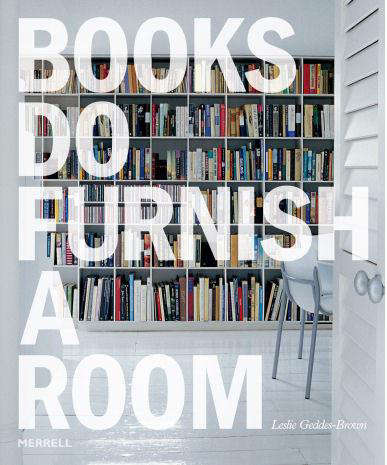
The phrase Books Do Furnish a Room is famously the title of an Anthony Powell novel, but it also works as a neat little truth about how we live. Books furnish a room in the literal sense because they fill space, add color, create texture, and shape how the eye moves. But they also furnish it emotionally. They suggest memory, curiosity, taste, ambition, comfort, and sometimes a mild inability to stop buying hardcovers. In other words, books do not just sit there looking pretty. They set a tone.
In an age when so much of life floats around in the cloud, books still do something very grounded. They anchor a room. They make a home feel inhabited by a person rather than assembled by a very efficient algorithm. And that is why the old idea still feels fresh: books are storage, decor, biography, and atmosphere all at once.
Why Books Still Matter in a Digital Age
The rise of e-books, audiobooks, and digital reading has not made printed books irrelevant. Far from it. Digital formats are convenient, flexible, and undeniably handy when your vacation suitcase is already losing a battle with shoes. But print remains a powerful presence in everyday life. People still read across formats, and print books still dominate as objects people want to keep, display, revisit, and lend out with a level of optimism that is often not rewarded.
That matters for interiors because printed books do something a tablet never will: they become part of the physical environment. You can carry a thousand titles on a device, but it will not create visual rhythm on a shelf, add a lived-in feel to a room, or spark a conversation when a guest notices your suspiciously large section on gardening, architecture, or nineteenth-century detective fiction. A room with books says something before anyone speaks.
Books also carry emotional weight. Research and cultural reporting alike suggest that reading is associated with reflection, empathy, learning, and pleasure. That does not mean every bookshelf belongs to a philosopher-king. Sometimes it just means someone likes mystery novels and wants a calm chair near a lamp. But even that humble setup turns a room into a place with purpose. It says this is not just where I put furniture. This is where I think, feel, and occasionally ignore my phone.
How Books Change the Look of a Room
They Add Color, Texture, and Shape
Interior designers love books because books solve several decorating problems at once. Spines introduce color without feeling random. Pages create soft, matte texture that balances shiny surfaces like metal, glass, or polished stone. Vertical rows and horizontal stacks create rhythm. A room that feels too flat often needs variation, and books provide that without trying too hard. They are decorative, but they come with a résumé.
If you prefer a crisp, modern room, books can be organized by size, tone, or color to create a clean visual effect. If your taste runs more layered and eclectic, mixed bindings and uneven stacks add character. That is the beauty of decorating with books: they can behave like disciplined design elements or delightful little rebels, depending on the room you want.
They Make Architecture Feel Intentional
Built-in shelves, alcoves, under-stair nooks, corners, and long blank walls all become more interesting when books enter the scene. A wall of shelving can turn a plain room into a library-like retreat. A slim ledge in a hallway can make a forgotten passage feel curated. Even floating shelves in a small apartment can create the sense that the space was designed for living, not merely surviving.
Books are also one of the easiest ways to make a room feel finished. Plenty of spaces have the big pieces in place: sofa, rug, coffee table, lamp, done. Yet they still feel oddly incomplete. Books often fix that. They fill visual gaps, soften hard lines, and add layers that make the room feel settled rather than staged for a real estate listing.
How Books Change the Feeling of a Room
They Signal Personality Without Shouting
A bookshelf is one of the most revealing pieces of furniture in a home. It tells visitors what you care about, what you return to, and what you are still trying to become. Travel books suggest curiosity. Poetry suggests a fondness for language and possibly dramatic weather. Cookbooks suggest generosity, ambition, or a brave belief that this time the sourdough starter will behave.
Unlike generic decor, books have content. They are not just objects; they are choices. That is why a room with books often feels more personal than a room filled with purely ornamental accessories. A ceramic vase is lovely. A ceramic vase next to three dog-eared novels, an art monograph, and a cookbook stained with olive oil feels like a life.
They Encourage Calm and Attention
Books also help define a room as a place for slower attention. A reading nook, however simple, creates a visual cue that rest and focus are allowed here. Add a lamp, a chair, and a reachable shelf, and suddenly the room begins to suggest a different rhythm. It becomes easier to imagine sitting down for twenty minutes, which may not sound glamorous, but in the modern world it is practically a luxury spa treatment.
This is why home libraries, reading corners, and shelf-lined living rooms feel so appealing. They do not just look cozy. They imply a certain kind of life: thoughtful, layered, and pleasantly resistant to doomscrolling.
How to Furnish a Room With Books Without Creating Chaos
Start With the Books, Not the Trinkets
If your goal is a room that feels bookish rather than cluttered, let the books lead. Too many decorative objects can turn shelves into a hostage situation for hardcovers. Begin by placing books where they make the most sense functionally and visually. Group favorites where they are easy to reach. Put frequently used books near the chair, desk, or bed that supports the way you actually live.
Mix Vertical Rows and Horizontal Stacks
This is the classic styling trick for a reason: it works. Vertical rows create order. Horizontal stacks create variation. Together, they keep shelves from feeling rigid or chaotic. A few horizontal piles can also serve as platforms for a framed photo, a bowl, or a small sculpture. The result looks layered, not fussy.
Leave Breathing Room
Not every shelf needs to be crammed to the edge. Negative space helps books stand out and keeps the room from feeling heavy. Think of empty space as punctuation. Without it, the sentence runs on forever and everyone gets tired.
Use Lighting Like You Mean It
Books look best when they are actually visible. Wall sconces, picture lights, floor lamps, and warm table lamps make a major difference. Good lighting turns shelving into a feature and invites the room to be used, not merely admired from across the hall.
Blend Books With a Few Meaningful Objects
Books pair beautifully with framed art, ceramics, plants, travel finds, and family photographs. The key is meaning. Shelves look best when the objects feel chosen, not randomly deployed in a decorative emergency. A room furnished with books should feel human and slightly specific, not like a catalog trying very hard to seem relaxed.
Room-by-Room Ideas That Actually Work
Living Room
The living room is the obvious champion. Built-ins around a fireplace, a low bookcase under the television, or even a tall shelf in one corner can turn the room into a social, intellectual, and visually rich space. Books in a living room invite conversation and make even modern spaces feel warmer.
Bedroom
A bedroom library does not have to be grand. Bedside stacks, a narrow shelf above the headboard, or one bookcase near a chair can make the room feel softer and more personal. Books in the bedroom also reinforce the idea that winding down with a story is a lot kinder to the nervous system than falling asleep next to a glowing rectangle.
Hallway or Landing
These forgotten spaces are surprisingly good for books. Shallow shelves, wall-mounted ledges, or built-ins can turn circulation space into destination space. A hallway lined with books feels elegant, intimate, and faintly like the entrance to a secret society, which is never a bad look.
Kitchen and Dining Area
Cookbooks, food writing, gardening books, and entertaining guides belong here. They add charm and make the kitchen feel like a place of culture, not just caffeine extraction. Open shelving with a few carefully chosen titles can look especially lovely in a breakfast nook or dining corner.
Kids’ Rooms
Low shelves, front-facing displays, baskets, and cozy reading corners help books become part of daily life for children. When books are visible and reachable, they are more likely to be used. Bonus: a bookshelf can make a kids’ room look adorable and noble at the same time, even if the floor is currently losing a fierce battle with crayons.
Common Mistakes to Avoid
The first mistake is treating books only as color blocks. Yes, arranging by color can look striking, but if you cannot find anything afterward, your bookshelf has become a very smug rainbow. The second mistake is overdecorating. If every shelf contains candles, beads, coral, brass birds, and one lonely paperback, the room may look stylish, but it will not feel genuinely bookish.
Another common error is ignoring scale. Tiny shelves packed with oversized art books look stressed. Massive built-ins filled with only six paperbacks look abandoned. Match storage to the collection you have and the collection you are likely to keep growing, because readers are often one “I’m just browsing” trip away from a new stack.
Finally, do not forget comfort. The room is not furnished by books alone. A good chair, decent light, and a place for tea, coffee, or dramatic contemplation complete the picture. Books may be the soul of the room, but furniture still has to do some actual work.
Experiences That Prove Books Really Do Furnish a Room
Almost everyone who loves books has had the same experience at least once: walking into an otherwise ordinary room and feeling instantly more at ease because there were books in it. Maybe it was a grandparent’s den with biographies and old atlases. Maybe it was a college professor’s office with uneven shelves and handwritten notes tucked into paperbacks. Maybe it was a friend’s apartment where the sofa was slightly worn, the lamp leaned a little to one side, and the books were absolutely everywhere in the most convincing way possible. The room felt complete not because it was expensive, but because it had a mind.
Moving house offers another lesson. When people pack their books, rooms often look strangely hollow. The same walls remain. The same tables remain. But something essential vanishes. Without the novels, cookbooks, reference works, and random impulse purchases from that one bookstore trip in Chicago or Portland or Boston, the room suddenly feels like a rental brochure. Then the books come back, shelf by shelf, and the room recovers its personality. It is one of the few decorating transformations that feels emotional in real time.
There is also the experience of inheriting books. A small stack from a parent, an aunt, a teacher, or a friend can change a room more than a new chair ever could. Their books bring in more than paper and glue. They bring annotations, old receipts used as bookmarks, inscriptions on title pages, and the quiet sense that another life is still in conversation with your own. Put those books on a shelf and the room becomes layered with memory. It is decor, yes, but also continuity.
Then there are the books people keep in rooms where they work. A home office with blank walls can feel efficient but cold. Add shelves with field guides, design books, business titles, favorite essays, or novels you dip into when your brain starts making dial-up noises, and the office becomes less mechanical. It starts to feel like a thinking place. Books remind you that ideas do not come only from screens and alerts. Sometimes they arrive quietly from a page you marked three years ago and forgot until the exact right afternoon.
Guest rooms tell a similar story. A guest room with no books is perfectly acceptable. A guest room with five or six good books on a nightstand or shelf feels generous. It tells visitors, “Stay awhile. Rest. Browse. Be a person, not just luggage.” The gesture is small, but it changes the room’s energy. It becomes hospitable in a deeper way.
Even in tiny apartments, books furnish a room by proving that usefulness and beauty can share the same square footage. A windowsill lined with paperbacks, a single shelf above a desk, or a stack beside the bed can do more for atmosphere than many larger, pricier purchases. Books reward closeness. They make corners feel intentional. They turn leftover space into lived space. That is why the phrase endures. Books do not merely occupy a room. They animate it, soften it, and quietly explain the person who lives there.
Conclusion
Books do furnish a room, and they do it in more ways than one. They provide storage, style, warmth, and character. They transform blank walls into statements, awkward corners into destinations, and ordinary spaces into rooms with identity. They also signal something valuable: that the people who live here care about stories, knowledge, memory, beauty, or all four at once.
You do not need a mansion, rolling ladder, or a room that looks like it belongs to a retired Oxford don with excellent cheekbones. A single shelf can do the job. A stack by the bed can do the job. A little reading corner with good light and a chair that does not punish your spine can do the job beautifully. The point is not perfection. The point is presence. Books make a room feel inhabited by a real life, and that remains one of the best design tricks ever invented.