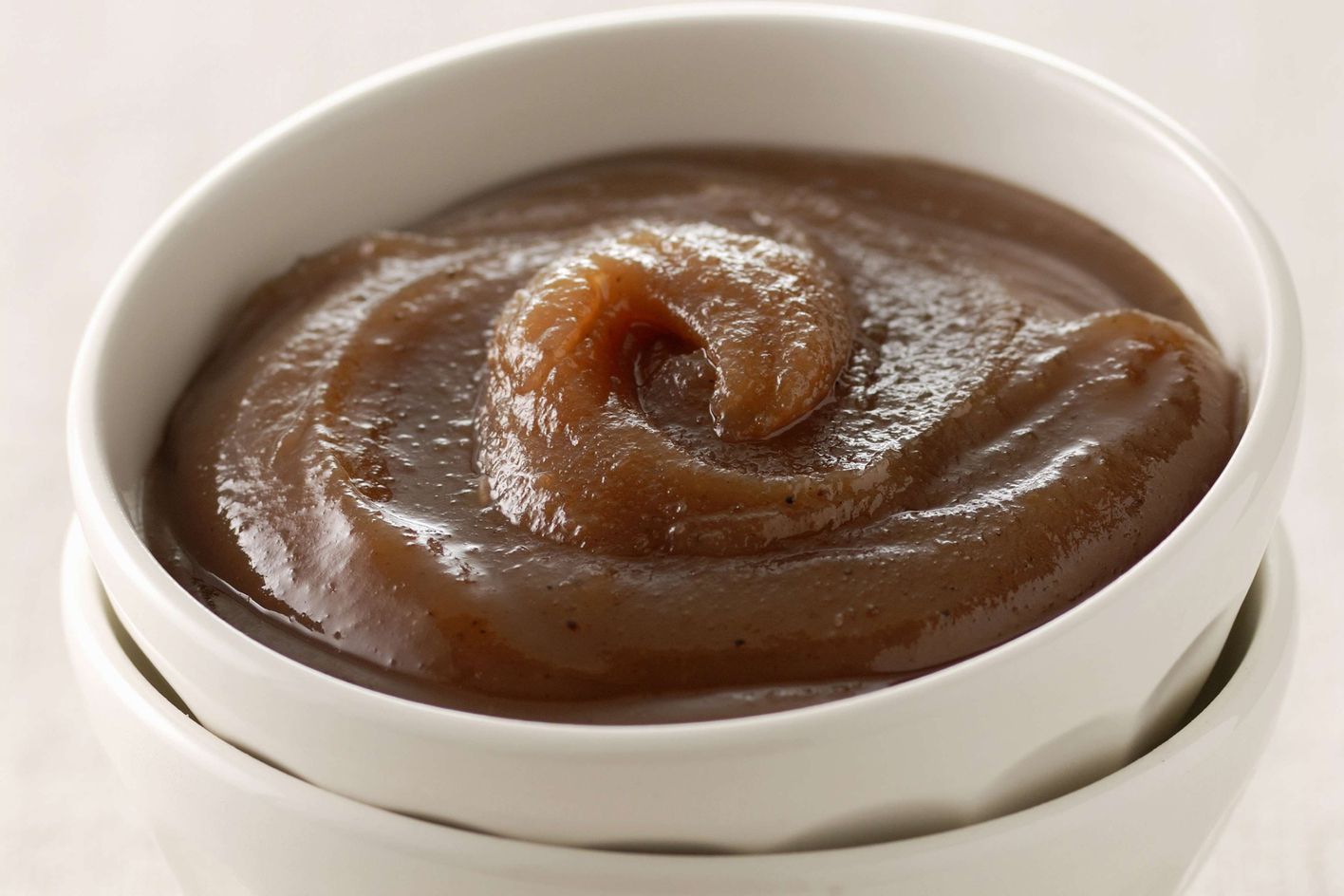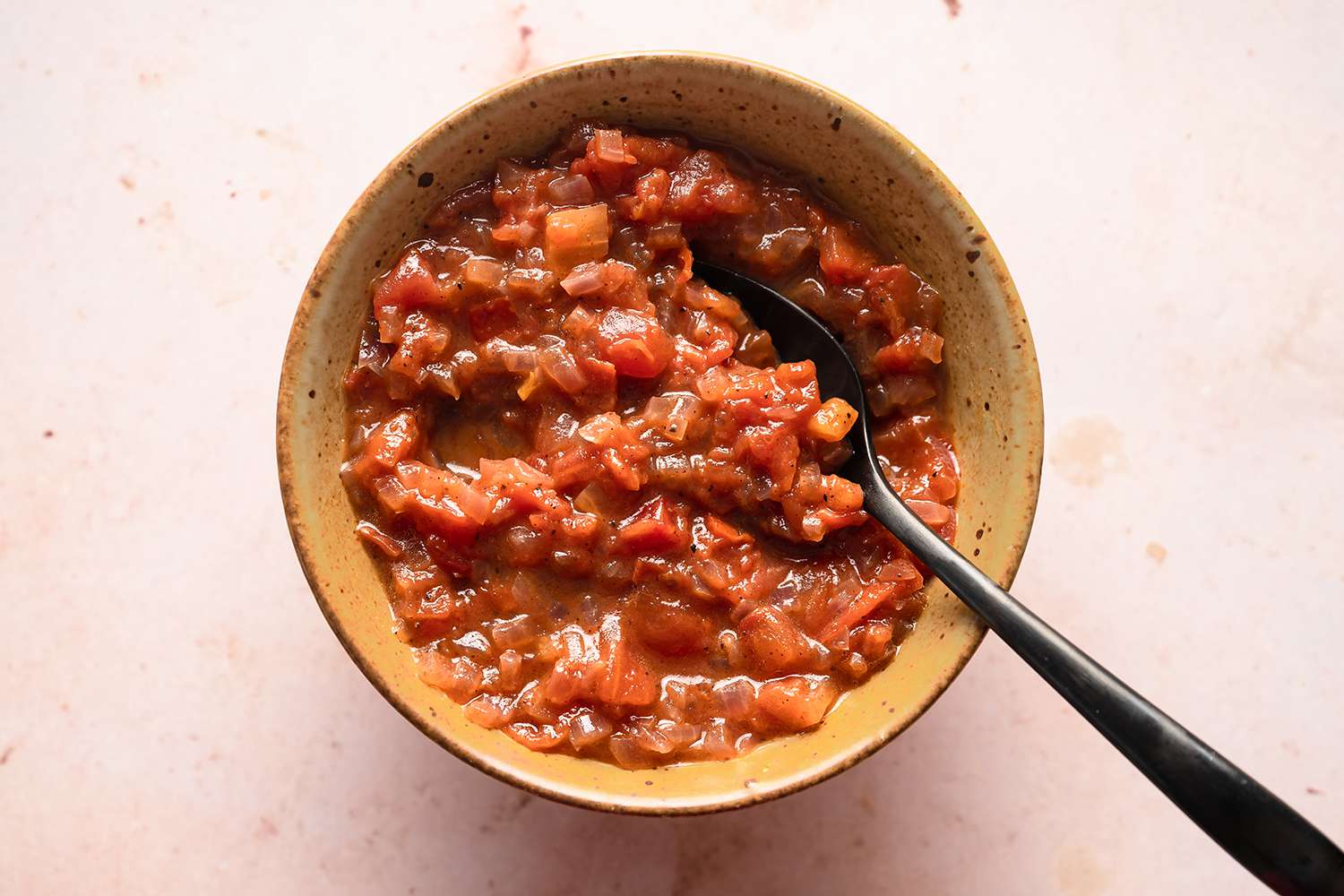
If you’ve got a pile of ripe tomatoes staring at you from the counter and about 20 minutes before everyone gets hangry, this quick tomato chutney is exactly what you need. It’s bright, tangy, a little spicy, and ridiculously versatile. Serve it with dosa or idli, spoon it over grilled chicken, swipe it inside a sandwich, or treat it like a fancy cousin of ketchup for fries and snacks.
Many South Indian–style tomato chutneys follow the same basic idea: sizzle whole spices like mustard seeds and cumin in hot oil, sauté aromatics like onion, garlic, and ginger, add chopped tomatoes and spices, and cook everything down until thick and jammy. Some versions skip onion and garlic for a simpler, “no-onion-no-garlic” chutney, while others add nuts, tamarind, or a touch of sweetness for balance.
This recipe pulls together the best bits: the quick cooking time from weeknight-friendly versions, the spice layering from restaurant-style chutneys, and the tangy, slightly sweet flavor that makes it so addictive. And yes, you can absolutely make it on a busy Tuesday.
Why You’ll Love This Quick Tomato Chutney
- Fast: Ready in about 15–20 minutes, including chopping.
- Small ingredient list: Uses pantry staples like tomatoes, onion, garlic, and basic spices.
- Flexible heat level: Adjust the chilies to your taste, from mild and kid-friendly to “who needs coffee?” spicy.
- Multi-purpose: Works as a dip, spread, side for South Indian breakfasts, or a condiment for Western-style meals.
- Make-ahead friendly: Keeps well in the fridge for several days and can be frozen in small portions.
Key Ingredients for Tomato Chutney
Base Ingredients
- Tomatoes: Use ripe, red tomatoes for the best flavor. Roma or plum tomatoes cook down nicely, but any juicy ripe tomato will work.
- Onion: Adds sweetness and body. Yellow or red onion both work; red onion gives a slightly sweeter note.
- Garlic and Ginger: Garlic brings depth and savoriness, ginger adds a warm, fresh kick. Many classic chutney recipes use both.
Spices and Seasoning
- Oil: Neutral vegetable oil, canola oil, or light olive oil works. Some traditional versions use sesame (gingelly) oil for a richer flavor.
- Mustard seeds: These pop in the hot oil and give the chutney a signature South Indian flair.
- Cumin seeds (optional but recommended): Add a warm, earthy aroma.
- Dried red chilies or red chili powder: Choose milder chilies if you’re spice-shy, or use Kashmiri chili powder for bold color with gentler heat.
- Turmeric: Adds color and a subtle earthy bitterness.
- Salt and a pinch of sugar: Salt wakes up the flavors; a tiny bit of sugar balances tomato acidity (or use jaggery, honey, or maple syrup if you prefer).
- Optional tang boosters: A small piece of tamarind or a squeeze of lemon juice for extra brightness.
- Curry leaves (optional, but great): If you can find fresh curry leaves, they bring a fragrant, toasty layer of flavor.
Quick Tomato Chutney Recipe (Step-by-Step)
Ingredients (Makes about 1 ½ cups)
- 2 tablespoons oil
- 1 teaspoon mustard seeds
- ½ teaspoon cumin seeds (optional)
- 1 small onion, sliced or chopped
- 2–3 cloves garlic, roughly chopped
- ½-inch piece ginger, chopped
- 2–3 dried red chilies or ½–1 teaspoon red chili powder (to taste)
- 4 medium ripe tomatoes, chopped
- ¼ teaspoon turmeric powder
- ½–1 teaspoon sugar or jaggery (optional, to taste)
- ½–1 teaspoon salt, or to taste
- 2–3 curry leaves (optional)
- 1–2 teaspoons lemon juice or a small piece of tamarind (optional)
- Fresh cilantro, chopped, for garnish (optional)
Step 1: Prep Your Ingredients
Chop the tomatoes, onion, garlic, and ginger before you turn on the heat. Tomato chutney cooks quickly, and having everything ready makes the process smoother (and prevents the classic “oh no, the onions are burning” moment). Many professional and home cooks prep their spices and aromatics on a plate so they can add them in order without rushing.
Step 2: Temper the Spices
- Heat the oil in a medium skillet or saucepan over medium heat.
- When the oil is hot, add mustard seeds. Let them crackle and pop.
- Add cumin seeds and curry leaves (if using). Stir for 10–15 seconds until fragrant.
This quick tempering step (called tadka in Indian cooking) builds the flavor foundation of your chutney and is used in many traditional recipes.
Step 3: Sauté the Aromatics
- Add the sliced onion and cook for 3–5 minutes, stirring, until the edges soften and turn light golden.
- Add garlic, ginger, and dried red chilies. Sauté 1–2 minutes more, until the raw smell fades and everything smells amazing.
Don’t rush this step; lightly caramelized onion gives the chutney its sweetness and balance.
Step 4: Add Tomatoes and Spices
- Stir in the chopped tomatoes, turmeric, and salt.
- Cook over medium heat for 7–10 minutes, stirring occasionally, until the tomatoes break down, release their juices, and the mixture thickens.
- If using chili powder instead of whole chilies, add it now.
- Taste and add sugar or jaggery if the chutney feels too sharp or acidic.
You’re aiming for a thick, spoonable texturesomewhere between salsa and jam. If it looks too dry and starts to stick, splash in a tablespoon of water.
Step 5: Blend (or Don’t) and Adjust
- Take the pan off the heat and let the chutney cool slightly.
- For a smooth chutney, transfer to a blender and pulse until you reach your desired consistency. For a rustic, chunky version, mash lightly with the back of a spoon and skip the blender.
- Add lemon juice or tamarind if you’d like a tangier finish, then taste and adjust salt, sweetness, and heat.
Transfer the chutney to a serving bowl and garnish with chopped cilantro, if you like. Serve warm or at room temperature.
Serving Suggestions
Tomato chutney might be most famous as a side for South Indian breakfast dishes like idli and dosa, but it’s way more than a one-trick condiment.
- With South Indian staples: Spoon it alongside idli, dosa, uttapam, paniyaram, vada, pongal, or adai.
- As a sandwich spread: Mix it with mayonnaise or cream cheese for a spicy-tangy spread.
- With grilled foods: Serve with grilled chicken, fish, paneer, or tofu as a bright finishing condiment.
- Snack dip: Use as a dip for fries, potato wedges, pakoras, samosas, or even tortilla chips.
- Buddha bowls and grain bowls: Add a spoonful to rice or quinoa bowls for a hit of flavor.
Variations to Try
1. No-Onion, No-Garlic Tomato Chutney
For a lighter, more sattvic version, skip both onion and garlic. Just temper mustard seeds and curry leaves in oil, add tomatoes, chilies, salt, and spices, and cook until thick. Several traditional recipes use this style, especially when serving chutney with idli and dosa for religious or festival meals.
2. Nutty Tomato Chutney
Add a handful of roasted peanuts or almonds while blending for a creamier, richer chutney with extra protein and body. Some modern recipes blend tomatoes with nuts or seeds and then finish with a tempering of spices for layered flavor.
3. Smoky Tomato Chutney
Roast the tomatoes over an open flame or under a broiler until charred, then chop and use in the chutney. This gives the chutney a slight smoky note and deeper flavor.
4. Sweet and Tangy Tomato Chutney (Pickle-Style)
For a chutney that feels closer to a relish or jam, cook tomatoes with onion, vinegar, and more sugar until thick and glossy. Many Western-style tomato chutneys combine tomatoes, onion, sugar, and cider vinegar for a condiment that pairs beautifully with cheese boards and roasted meats.
Storage and Make-Ahead Tips
- Refrigerator: Store cooled chutney in an airtight container in the fridge for up to 4–5 days. Recipes that fully cook down the tomatoes and use adequate oil tend to keep their flavor well.
- Freezer: Freeze in small containers or ice cube trays for up to 1–2 months. Thaw in the fridge and stir well before serving.
- Food safety: Always use a clean spoon when serving, and don’t leave the chutney at room temperature for hours on very hot days.
Common Mistakes (and How to Avoid Them)
- Using unripe tomatoes: Pale, unripe tomatoes lead to a flat, sour chutney. If your tomatoes are under-ripe, balance with a pinch of sugar and a bit more cooking time.
- Not cooking the tomatoes long enough: If you stop cooking too early, the chutney can taste raw and watery. Let it simmer until thick, glossy, and jammy.
- Overloading spices: It’s tempting to add “a little bit of everything,” but too many spices can muddy the flavor. Stick to a simple combination and adjust gently.
- Burning the tempering: Mustard seeds and chilies can go from fragrant to bitter very fast. As soon as the mustard seeds pop and the chilies darken slightly, move to the next step.
FAQ About Quick Tomato Chutney
Can I make tomato chutney without a blender?
Yes. As long as you chop the tomatoes and onion fairly small and cook them until soft, you can simply mash the mixture with a spoon or fork. Some recipes are designed to be chunky and rustic with no blender at all.
Is tomato chutney spicy?
It can be, but it doesn’t have to be. Use fewer chilies or choose milder chili varieties if you prefer a gentle heat. You can also balance spice with a little extra sugar or a spoonful of yogurt on the plate.
What’s the difference between tomato chutney and tomato sauce?
Tomato chutney is usually cooked with whole spices and aromatics, often with a tempering step, and can be tangy, spicy, and slightly chunky. Tomato sauce or pasta sauce is usually smoother, more herb-heavy (think basil and oregano), and doesn’t rely on mustard seeds or curry leaves.
Can I use canned tomatoes?
In a pinch, yes. Use whole peeled or crushed canned tomatoes, drain off some of the liquid, and reduce the cooking time slightly. Fresh tomatoes will give the brightest flavor, but canned tomatoes work well when fresh ones are out of season.
Real-Life Experiences and Tips for Making Quick Tomato Chutney
Once you start making tomato chutney regularly, you’ll notice it quickly becomes a “fridge essential” like hot sauce or salsa. Many home cooks keep a jar on standby to rescue bland dinners or serve as an easy side for last-minute dosas and idlis. Here are some lived-in, practical lessons that tend to show up again and again when people share their tomato chutney stories.
1. The “Save My Tomatoes” Strategy: Tomato chutney is one of the best ways to use up tomatoes that are just a bit too soft for salads but not yet spoiled. Instead of tossing them, chop them up and toss them in the pan. Even slightly wrinkled tomatoes can turn into a deeply flavorful chutney once they get cooked down with onion, garlic, and spices.
2. Weeknight Lifesaver: Imagine this: you’ve got leftover rice, a few eggs, maybe some frozen veggies. On their own, they look like punishment. Add a spoon or two of quick tomato chutney, and suddenly you have a colorful bowl with real personality. Many busy cooks rely on condiments like thisthings that take 15 minutes on the weekend but save you on a Wednesday night.
3. Serving Guests with Minimal Effort: If you’re hosting brunch and serving dosa, idli, or even simple scrambled eggs and toast, a homemade tomato chutney instantly makes the table look more impressive. Guests often assume you’ve been cooking all morning, when in reality you just sizzled some spices, cooked down tomatoes, and blitzed everything for a few seconds.
4. Kid-Friendly Adjustments: For families, spice level is always the great negotiation. One workaround is to make a mild batch of tomato chutney (just onion, tomato, and a tiny pinch of chili), set some aside, and then stir extra chili powder into the remaining chutney for adults. That way, everyone eats the same basic dish, just customized for their heat tolerance.
5. Playing with Texture: People tend to have strong feelings about texture. Some love a silky-smooth chutney that glides onto dosa, while others prefer a chunky, spoonable mix where the bits of tomato and onion are still visible. Try both: blend fully for a more “sauce-like” chutney, or pulse briefly (or mash by hand) for something rustic and hearty.
6. Batch Cooking and Freezer Cubes: If you’re already pulling out the cutting board and pan, doubling the recipe barely adds any work. Make a large batch, cool it completely, then freeze it in ice cube trays or small containers. Pop out a cube or two when you need a flavor boostperfect for a quick breakfast, a rice bowl, or as a spread in an emergency sandwich.
7. Personal Signature Twist: As you make tomato chutney more often, you’ll probably develop your own “house style.” Maybe you always throw in a little smoked paprika. Maybe you stir in a spoonful of coconut at the end. Maybe you prefer it slightly sweeter, or always finish with a squeeze of lemon. These small tweaks turn a basic recipe into something that feels uniquely yours.
8. Pairing Beyond Indian Food: One surprising realization for many cooks is how well tomato chutney plays with non-Indian dishes. It’s fantastic on burgers, grilled cheese, quesadillas, and roasted vegetables. Think of it as a more adventurous ketchupsimilar tomato base, but layered with spices and aromatics that make everything taste more intentional.
9. Learning to Taste as You Go: Tomato chutney is also a great “training recipe” for learning how to taste and adjust seasoning. At the end of cooking, ask yourself: Does it taste flat? Try a pinch of salt. Too sharp? Add a bit of sugar or cook it a minute longer. Too heavy? A squeeze of lemon brightens everything. This constant fine-tuning is exactly how experienced cooks develop instinct in the kitchen.
10. A Comforting Flavor of Home: For many people who grew up eating South Indian food, tomato chutney is deeply nostalgicsomething that reminds them of hotel breakfasts, family kitchens, and hurried weekday mornings before school or work. Recreating it at home, even in a slightly adapted, “quick” version, can be a powerful way to bring those comforting flavors into a new kitchen, whether you’re cooking in an American apartment, a college dorm, or your first home.
Once you’ve made this quick tomato chutney a couple of times, you probably won’t need to look at the recipe anymore. You’ll know when the mustard seeds are ready, how soft you like your tomatoes, and how spicy you want your chutney on any given day. At that point, you’re not just following a recipeyou’ve added a new skill (and a seriously handy condiment) to your permanent kitchen toolbox.
Conclusion
Quick tomato chutney is one of those recipes that delivers huge flavor from simple ingredients in very little time. With a handful of pantry staples, a bit of smart spice layering, and a few minutes at the stove, you can turn plain tomatoes into a bright, tangy, and deeply satisfying condiment that works with everything from dosa and idli to sandwiches, bowls, and grilled dishes. Make it once, and there’s a good chance it’ll become a regular guest in your fridge.