A gravel driveway sounds simple until you start shopping for gravel. Suddenly, you are staring at bags, bulk piles, crushed stone numbers, pea gravel, river rock, decomposed granite, marble chips, and enough “aggregate” language to make you feel like you accidentally enrolled in geology night school. The good news? Choosing the best gravel for driveways is not about memorizing every rock on Earth. It is about matching the right stone to the way your driveway actually works.
Inspired by the well-known Bob Vila approach to practical home improvement, this guide breaks down the best driveway gravel options in plain American English. We will look at what makes a gravel driveway stable, attractive, affordable, and low-maintenance. We will also cover where popular choices like Quikrete All-Purpose Gravel, pea gravel, river pebbles, decomposed granite, and marble chips shineand where they may annoy you like a tiny rock stuck in your shoe.
The best gravel for a driveway must do more than look pretty from the curb. It needs to support vehicle weight, drain water, resist ruts, stay in place, and survive weather without turning into a muddy parking lot. Curb appeal matters, of course, but your driveway is not just jewelry for your house. It is a hardworking surface that gets driven on, walked on, rained on, snowed on, and occasionally judged by neighbors walking their dogs.
Why Gravel Is Still a Smart Driveway Choice
Gravel driveways remain popular because they offer a strong mix of value, drainage, and old-fashioned practicality. Compared with concrete or asphalt, traditional gravel is often less expensive to install. It is also easier to repair in small sections. If a pothole appears, you do not need to call a paving crew and schedule a financial support group. You can usually rake, refill, compact, and move on with your life.
Another major advantage is permeability. A solid concrete or asphalt slab pushes water across the surface, which can lead to runoff problems if grading is poor. Gravel allows more water to filter through and move into the layers below. That does not mean every gravel driveway is automatically perfect for stormwater management, but a properly built gravel surface can reduce pooling and help water move away from the driving area.
Gravel also offers flexibility in style. You can go utilitarian with crushed stone, warm and natural with pea gravel, rustic with river pebbles, modern with decomposed granite, or high-end with marble chips. In other words, gravel can look like a country lane, a clean suburban entrance, or a driveway that quietly says, “Yes, I own a leaf blower and know how to use it.”
What to Consider Before Choosing Driveway Gravel
1. Shape: Angular Stone Usually Performs Better
For driveway performance, angular stone is usually the winner. Crushed stone has jagged edges that lock together when compacted. That interlocking structure helps the driveway resist shifting under tires. Smooth stones, such as pea gravel and river rock, look beautiful but tend to roll and migrate. They are the extroverts of the gravel world: attractive, charming, and occasionally all over the place.
If you love the look of rounded gravel, use it carefully. It works best as a top dressing over a strong crushed-stone base, not as the entire structure. Edging is also important because rounded stones are much more likely to escape into the lawn, flower beds, street, and possibly your living room if your shoes get involved.
2. Size: Bigger Is Not Always Better
Driveway gravel size matters. Large stones drain well and create a solid base, but they are not always comfortable as a top layer. Smaller stones create a smoother driving and walking surface, but if they are too fine, they may compact tightly and reduce drainage. Many strong gravel driveways use a layered system: larger rock on the bottom, medium stone in the middle, and smaller gravel on top.
For the top layer, stones around 3/8 inch to 3/4 inch are common, depending on the material and local supply. For base layers, larger crushed rock provides strength. The goal is not simply to dump pretty stones on dirt. A good driveway is a small engineering project, just without the hard hat selfie.
3. Drainage: Water Is the Real Enemy
Most gravel driveway problems begin with water. Standing water softens the surface, encourages ruts, creates potholes, and invites weeds. A well-built driveway should have proper grading so water moves away instead of sitting in the middle like an unwanted guest at dinner.
If your driveway is flat, the center should usually be slightly higher than the edges to help runoff move to the sides. If your driveway slopes, drainage planning becomes even more important because moving water can wash gravel downhill. In wet climates, choose materials that drain well and avoid overly dusty mixes as the only surface layer unless you have a plan for compaction and water management.
4. Budget: Bagged Gravel vs. Bulk Gravel
Many Bob Vila-style product picks focus on bagged gravel because it is easy for homeowners to buy, transport, and use for small projects. Bagged gravel is convenient for patching, short driveways, decorative borders, or topping off thin areas. For a full-size driveway, however, bulk delivery from a local quarry or landscape supply yard is usually more economical.
Bagged products are great when you need control and convenience. Bulk gravel is better when you need serious coverage. If your driveway is long enough to have its own ZIP code, call a local supplier. If you are refreshing a small parking pad, bags may be perfectly reasonable.
Best Overall: All-Purpose Gravel
All-purpose gravel is one of the most practical choices for homeowners who want a dependable driveway surface without turning the project into a luxury hardscape installation. Bob Vila’s list highlights Quikrete 50 lb. All-Purpose Gravel as a strong overall option, and the reason is easy to understand. It is widely available, versatile, and suitable for many outdoor uses.
All-purpose gravel often includes small, washed stones that create a fairly even surface. It can drain well, look natural, and work for touch-ups or smaller driveway areas. Because the stones are manageable in size, they are easier to spread than large rock. That makes this type of gravel friendly for DIY homeowners who do not own construction equipment or a mysterious uncle with a dump truck.
The main limitation is scale. A 50-pound bag sounds like a lot until you start spreading it over a driveway. Then it feels like feeding a whale with a teaspoon. For large installations, use all-purpose gravel as a reference point for material type, but price out bulk equivalents locally.
Best Value: Pea Gravel
Pea gravel is loved for its smooth texture, warm colors, and approachable price. It can make a driveway look softer and more decorative than standard gray crushed stone. Bob Vila’s driveway-gravel picks include Vigoro Bagged Pea Gravel Pebbles as a value-friendly option, especially for homeowners who want something more attractive than basic road base.
Pea gravel is typically rounded, which gives it that pleasant garden-path look. The downside is that those rounded stones do not lock together as well as angular crushed rock. Under tires, pea gravel can shift, scatter, and form loose areas. For that reason, it is best used as a thin top layer over a stable crushed-stone base.
If you choose pea gravel, invest in solid edging. Metal edging, stone borders, pavers, or timber borders can help keep the gravel where it belongs. Without edging, pea gravel may begin a slow migration into your lawn, where your mower will discover it in the loudest way possible.
Best for Aesthetics: River Pebbles
River pebbles are the movie-star option of driveway gravel. They have smooth surfaces, rounded shapes, and attractive natural colors. A driveway topped with river pebbles can look polished, relaxed, and expensive. Bob Vila’s list includes Vigoro Bagged River Pebbles as an aesthetic pick, especially for homeowners who want a natural, decorative appearance.
However, river rock must be chosen carefully. Large rounded stones are usually not ideal for driveways because they can be unstable under tires and awkward underfoot. Smaller river pebbles are more practical, but they still do not interlock like crushed stone. They can also cost more than basic gravel.
Use river pebbles where appearance matters most: the visible entrance, a decorative apron, a side parking area, or a top layer over a solid base. Avoid relying on large river rock for a steep driveway or a heavily used family parking area. It may look beautiful, but beauty alone will not stop a minivan from pushing stones into the neighbor’s yard.
Best Crushed Stone Alternative: Decomposed Granite
Decomposed granite is a popular option for homeowners who want a firm, natural-looking surface. It is made of small granite particles ranging from tiny chips down to sandy fines. When compacted, decomposed granite can create a stable surface that feels smoother than loose gravel.
Bob Vila identifies decomposed granite as a strong crushed-stone-style option because it compacts well and comes in several earth-tone colors. It can look especially good with desert landscaping, modern homes, garden-style driveways, and properties where a rustic but tidy finish is the goal.
The trade-off is drainage. Because decomposed granite contains fine particles, it can compact tightly. That makes it stable, but it may not drain as freely as larger gravel. In rainy climates or areas with poor soil drainage, decomposed granite should be installed with careful grading and a well-prepared base. Otherwise, it can hold moisture and track into cars or homes.
Best Upgrade: Marble Chips
Marble chips are the premium pick for homeowners who want a bright, elegant driveway surface. They can range from white to light gray and create a clean, upscale look. If standard gravel is blue jeans, marble chips are the crisp white button-down shirt that somehow never spills coffee on itself.
Bob Vila’s upgrade pick includes Vigoro Bagged Marble Chips, and this material can be a striking choice for short driveways, decorative parking pads, garden entries, and homes with strong architectural curb appeal. Marble chips are angular, which helps them stay in place better than rounded stones. They also drain well when sized appropriately.
The obvious downside is cost. Marble chips are generally more expensive than basic crushed stone, quarry process, or pea gravel. They can also show dirt, leaves, tire marks, and organic stains more easily because of their light color. If you want the look, be prepared for occasional maintenance to keep that bright finish from becoming “luxury gravel, autumn edition.”
Best Structural Choice: Crushed Stone
For pure driveway performance, crushed stone remains one of the best choices. It is not always the prettiest, but it is tough, stable, and widely available. Crushed stone is made by mechanically breaking larger rock into smaller pieces, creating angular edges that lock together under compaction.
Common driveway options include crushed limestone, granite, trap rock, and locally available quarry stone. Many contractors use larger crushed stone for the base and smaller crushed stone for the surface. The result is a driveway that can handle vehicles, shed water, and resist movement better than rounded gravel.
If your top priorities are durability and low maintenance, crushed stone deserves serious consideration. You can always soften the appearance with landscaping, edging, lighting, or a decorative top layer near the entrance. Think of crushed stone as the reliable pickup truck of driveway materials: not flashy, but it shows up and does the job.
Best Budget Base: Quarry Process
Quarry process, sometimes called crusher run, dense grade aggregate, or road stone, is a blend of crushed stone and stone dust. It compacts tightly and creates a firm base. For budget-conscious homeowners, quarry process can be an excellent structural layer beneath a more attractive surface gravel.
Because it contains fines, quarry process binds together well. That makes it useful for creating a stable foundation. However, it may not drain as freely as clean crushed stone, so it should be installed with proper slope. In many driveways, quarry process works best as a base or middle layer rather than the only surface layer.
If you want a driveway that is strong but not expensive, ask local suppliers about quarry process or crusher run. Names vary by region, so describe the intended use clearly: driveway base, compactable, vehicle traffic, and good drainage. Local terminology can be quirky. In some places, ordering gravel feels like asking for coffee in a town where every diner invented its own cup sizes.
How to Build a Strong Gravel Driveway
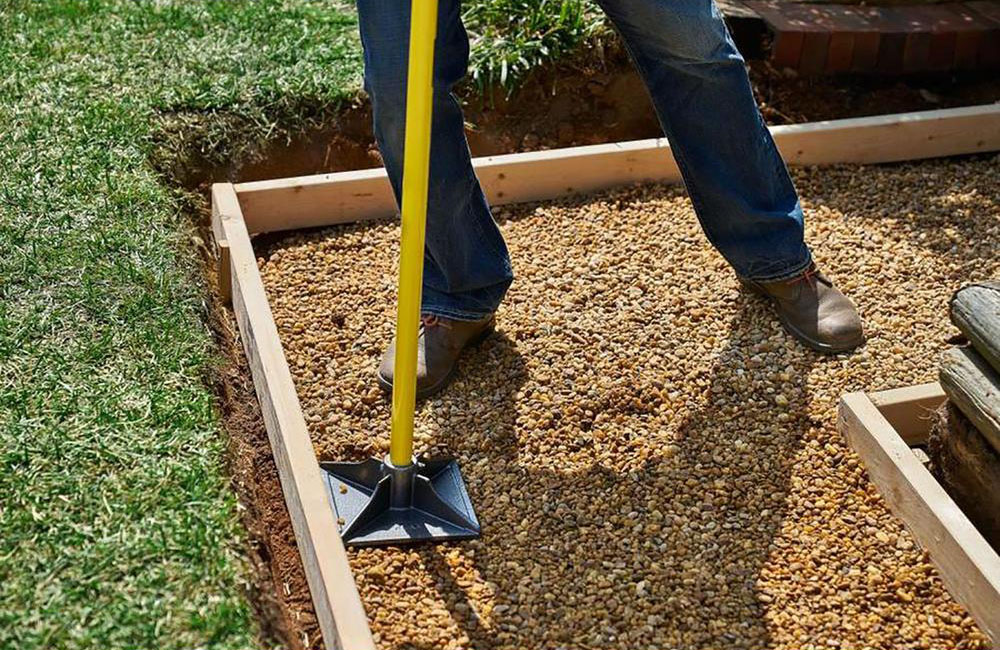
The best gravel will underperform if the driveway is poorly built. A long-lasting gravel driveway usually needs excavation, grading, a strong base, compaction, and a suitable top layer. Skipping the base is one of the most common mistakes. Dumping decorative gravel directly on soft soil may look good for a week, but traffic and rain will quickly expose the shortcut.
A practical layered driveway may include large crushed rock at the bottom, medium crushed stone in the middle, and smaller gravel on top. The exact depth depends on soil conditions, climate, vehicle weight, and drainage needs. Areas with clay soil, heavy rain, freezing weather, or frequent truck traffic often need a deeper and more robust base.
Geotextile fabric can also help in some installations. It separates the gravel from the soil below, reducing sinking and mixing. This is especially useful where the ground is soft or unstable. However, fabric is not magic. It works best as part of a complete installation that includes adequate depth and drainage.
Maintenance Tips for Gravel Driveways
Even the best gravel driveway needs periodic maintenance. The main tasks are raking, filling low spots, controlling weeds, refreshing thin areas, and keeping drainage clear. A gravel driveway is low-maintenance, not no-maintenance. That is an important distinction, like “easy dinner” versus “the dishes wash themselves.”
Inspect your driveway after heavy rain. Look for puddles, washouts, ruts, and areas where gravel has migrated. Small problems are easier to fix before they become potholes. Use a landscape rake for minor leveling and add matching gravel where the surface has thinned.
Weeds are another common issue. Weed seeds can settle into dust and organic matter between stones. A thicker gravel layer helps, but it will not eliminate weeds forever. Pull weeds early, use spot treatments carefully, and avoid letting soil build up on the surface. If using herbicide, follow label directions and protect nearby lawns, garden beds, pets, and water sources.
Which Gravel Should You Choose?
If you want the best all-around driveway gravel, choose angular crushed stone or a practical all-purpose gravel for stability and drainage. If you want beauty on a budget, pea gravel can work well as a decorative top layer with strong edging. If curb appeal is your top priority, river pebbles or marble chips offer more visual charm, but they come with higher cost and more movement risk. If you want a compact, natural-looking surface, decomposed granite is excellent in the right climate and with proper installation.
The smartest approach is often a hybrid. Use strong crushed stone or quarry process for the foundation, then add a top layer that matches your budget and style. That way, your driveway has the bones of a workhorse and the face of a home-improvement magazine cover.
Real-World Experience: What Homeowners Learn After Living With Gravel
After working with gravel driveways, one lesson becomes clear very quickly: the gravel itself is only half the story. The base, slope, edging, and maintenance habits matter just as much. A homeowner may spend extra money on beautiful stone, but if the driveway has poor drainage, the result can still be ruts, puddles, and frustration. On the other hand, a modest crushed-stone driveway with good grading can outperform a fancy surface that was installed like cake sprinkles on top of mud.
One common experience is that rounded gravel looks better on day one, while angular gravel often performs better by month six. Pea gravel and river pebbles have a friendly, decorative look. They make a home feel warmer and more landscaped. But after repeated tire traffic, they can spread to the edges, collect in low spots, and require more raking. Homeowners who install edging from the beginning usually have a much better experience. Without edging, the driveway slowly loses definition, and the lawn starts collecting souvenirs.
Another practical lesson is that gravel color changes with real life. White marble chips look stunning when fresh, especially against green grass or dark siding. But light-colored gravel can show leaf stains, tire dust, soil, and debris. It is not a bad choice, but it is best for homeowners who enjoy tidy outdoor spaces and do not mind occasional cleanup. Darker or mixed-tone gravel is more forgiving. It hides dirt better and often blends naturally with the surrounding landscape.
Drainage is the issue homeowners underestimate most. A driveway can look perfectly flat and neat when installed, but the first heavy rain tells the truth. If water sits in one area, that spot will eventually soften. Tires will press into it, gravel will shift, and a small depression can become a pothole. The fix is not always adding more gravel. Sometimes the better solution is reshaping the surface so water leaves the driveway faster.
Snow and leaf cleanup also teach useful lessons. In snowy regions, loose gravel can be tricky with plows and snow blowers. The blade or auger must be set high enough to avoid throwing stones. In wooded areas, leaves can break down into organic matter between stones, creating a perfect nursery for weeds. Regular blowing or raking helps keep the surface cleaner and reduces weed pressure.
The best homeowner strategy is to treat a gravel driveway as a living surface. It changes slightly with weather, traffic, and seasons. Walk it after storms. Fix low spots early. Refresh the top layer before the base is exposed. Keep edges neat. Once these habits become routine, a gravel driveway can remain attractive, affordable, and practical for years.
Conclusion
The best gravel for driveways depends on what you value most: strength, drainage, price, appearance, or easy maintenance. Bob Vila’s picks highlight several smart choices, from Quikrete All-Purpose Gravel for everyday performance to pea gravel for value, river pebbles for beauty, decomposed granite for stability, and marble chips for an upscale finish. For most homes, the strongest driveway starts with a compacted crushed-stone base and finishes with a surface layer suited to your climate, budget, and curb appeal goals.
If you want a driveway that lasts, do not shop by looks alone. Choose angular stone where stability matters, rounded gravel where beauty matters, and proper drainage everywhere. A gravel driveway may be humble, but when it is built right, it is one of the most practical and good-looking ways to welcome cars, guests, delivery drivers, and the occasional confused squirrel.
Note: This article is written for web publication in standard American English and is based on synthesized driveway-gravel guidance, product specifications, and practical installation considerations.