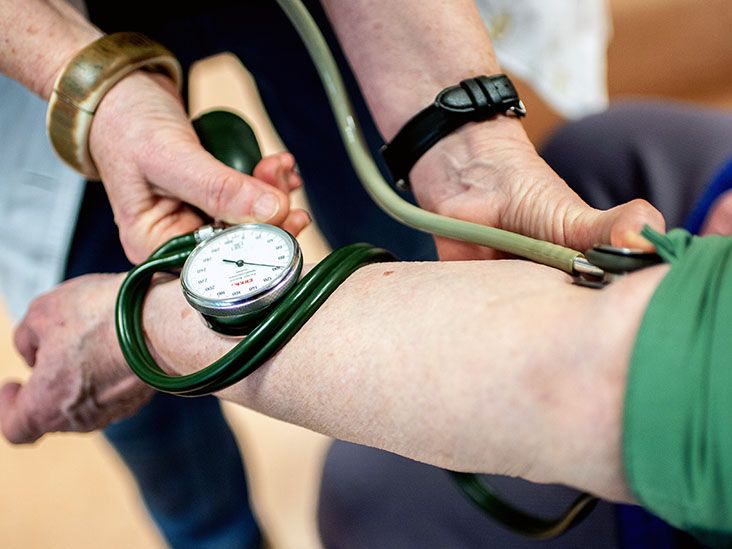
Hemodynamic instability is a medical term that sounds as though your bloodstream has begun negotiating a hostile corporate takeover. In reality, it describes a dangerous situation in which the cardiovascular system cannot reliably deliver enough blood and oxygen to the body’s organs and tissues.
The condition may develop suddenly after major bleeding, a heart attack, a severe infection, an allergic reaction, or a blockage in circulation. It can also appear gradually as an illness worsens. Although low blood pressure is a common warning sign, a person can be hemodynamically unstable even while the blood pressure monitor displays a number that looks reasonably normal.
That is why healthcare professionals evaluate the entire clinical picture: heart rate, breathing, mental status, skin temperature, urine production, laboratory results, and how those findings change over time. Hemodynamic instability is not merely an unusual vital sign. It is evidence that the body may be struggling to keep its most important organs supplied with oxygen.
What Does Hemodynamic Instability Mean?
Hemodynamics refers to the movement of blood through the heart and blood vessels, along with the pressures and forces that influence that movement. Healthy circulation depends on several factors working together, including heart rate, cardiac output, blood volume, blood vessel tone, and resistance within the vascular system. Blood pressure is important, but it is only one piece of this rather complicated plumbing project.
A person is considered hemodynamically unstable when circulation becomes unreliable or inadequate enough to threaten tissue perfusion. Tissue perfusion is the delivery of oxygen-rich blood to organs such as the brain, heart, kidneys, liver, and intestines.
When perfusion falls, cells receive less oxygen. They initially compensate by changing how they produce energy, but that backup plan is inefficient and cannot continue indefinitely. Without prompt correction, cellular injury may progress to organ dysfunction, multiple-organ failure, cardiac arrest, or death. Circulatory shock is the most severe expression of hemodynamic instability.
Is Hemodynamic Instability the Same as Hypotension?
No. Hypotension means low blood pressure, while hemodynamic instability means circulation is failing to meet the body’s needs. The two frequently occur together, but they are not interchangeable.
Clinicians often become concerned when systolic blood pressure falls below approximately 90 millimeters of mercury or mean arterial pressure falls below about 65 millimeters of mercury. However, these are not magical trapdoors through which every patient suddenly falls. A person whose usual systolic pressure is 170 may experience poor perfusion after dropping rapidly to 105, even though 105 does not look dramatically low.
Conversely, someone may have chronically low blood pressure and remain alert, comfortable, and adequately perfused. The trend, symptoms, baseline measurements, and underlying cause matter more than a single number.
Compensated Versus Decompensated Instability
During the early or compensated stage, the body tries to preserve circulation by increasing the heart rate and narrowing blood vessels in the skin and limbs. Blood is redirected toward the brain and heart. Blood pressure may remain temporarily normal, creating a false sense of security while the patient becomes pale, sweaty, restless, or increasingly short of breath.
In the decompensated stage, these protective mechanisms begin to fail. Blood pressure falls, confusion increases, urine output declines, and organ injury becomes more likely. The lesson is simple: waiting for profound hypotension can mean waiting too long.
Signs and Symptoms of Hemodynamic Instability
The presentation depends on the cause, the person’s age, existing medical conditions, medications, and how quickly circulation deteriorates. Common warning signs include:
- Low or rapidly falling blood pressure
- A fast, weak, unusually slow, or irregular pulse
- Rapid or shallow breathing
- Shortness of breath
- Chest pain or pressure
- Dizziness, fainting, or extreme weakness
- New confusion, anxiety, agitation, or unusual sleepiness
- Pale, cool, sweaty, mottled, blue, or gray skin
- Very little urine
- Weak peripheral pulses
- Delayed capillary refill
- Nausea, vomiting, or intense thirst
- Loss of consciousness or cardiac arrest
Shock symptoms commonly include cool or clammy skin, a rapid pulse, fast breathing, dizziness, confusion, severe weakness, and fainting. Not everyone develops every symptom, and older adults may present primarily with sudden confusion or reduced alertness.
Signs of Poor Organ Perfusion
Different organs complain in different ways. The brain may produce confusion or loss of consciousness. The kidneys may reduce urine output. The heart may develop chest discomfort, rhythm disturbances, or abnormal cardiac enzyme levels. The liver and intestines can also become injured when blood flow remains inadequate.
These findings help clinicians determine whether an abnormal blood pressure reading represents a harmless fluctuation or a genuine circulatory emergency.
What Causes Hemodynamic Instability?
Most causes fall into four broad categories of shock: hypovolemic, cardiogenic, distributive, and obstructive. Some patients have a mixed form involving more than one category.
1. Hypovolemic Shock: Not Enough Circulating Volume
Hypovolemic shock occurs when the body loses enough blood or fluid that the heart no longer has an adequate volume to pump. Possible causes include:
- External bleeding after trauma
- Internal bleeding in the chest, abdomen, pelvis, or digestive tract
- Bleeding after surgery or childbirth
- Severe vomiting or diarrhea
- Major burns
- Heat illness and serious dehydration
Early signs may include thirst, a rising heart rate, cool skin, and lightheadedness. Blood pressure may remain deceptively normal until blood or fluid loss becomes substantial.
2. Cardiogenic Shock: The Heart Cannot Pump Effectively
Cardiogenic shock occurs when the heart cannot deliver enough blood despite having adequate fluid available. It is often associated with a major heart attack or advanced heart failure, but it may also result from severe arrhythmias, heart muscle inflammation, mechanical complications, or critical valve disease.
Patients may experience chest pain, breathlessness, cold or clammy skin, low blood pressure, weak pulses, and fluid buildup in the lungs. Treatment must be carefully tailored because giving excessive IV fluid to a poorly pumping heart can worsen lung congestion.
3. Distributive Shock: Blood Vessels Become Too Dilated
In distributive shock, the blood vessels lose the tone needed to maintain pressure and distribute blood effectively. The bloodstream may contain enough fluid, but the vascular system has become too relaxed or leaky to deliver it properly.
Septic Shock
Sepsis is the body’s dangerous, dysregulated response to infection. In severe cases, inflammation causes blood vessels to dilate and become leaky, while abnormal clotting and cellular dysfunction further impair oxygen delivery. Warning signs can include fever or an unusually low temperature, rapid heart rate, low blood pressure, confusion, clammy skin, and trouble breathing. Suspected sepsis requires immediate evaluation and treatment.
Anaphylactic Shock
Anaphylaxis is a rapidly developing, life-threatening allergic reaction. Chemicals released by the immune system may cause sudden blood-vessel dilation, swelling, airway narrowing, and a sharp drop in blood pressure. Hives may occur, but a person can have severe anaphylaxis without an obvious rash.
Epinephrine is the first-line emergency treatment. Anyone who uses an epinephrine autoinjector for a suspected reaction still needs emergency medical care because symptoms can return.
Neurogenic and Endocrine Causes
Spinal cord injury can disrupt the nervous system signals that normally maintain blood-vessel tone. Severe adrenal insufficiency and other endocrine emergencies can also cause profound hypotension and circulatory collapse.
4. Obstructive Shock: Blood Flow Is Physically Blocked
Obstructive shock occurs when something prevents blood from entering or leaving the heart normally. Major causes include:
- A massive pulmonary embolism
- Cardiac tamponade, in which fluid compresses the heart
- Tension pneumothorax, in which trapped air compresses structures in the chest
- Severe obstruction of blood flowing out of the heart
A pulmonary embolism may produce sudden shortness of breath, chest pain, rapid heartbeat, dizziness, or fainting. A large clot can abruptly reduce blood pressure and strain the right side of the heart.
How Do Doctors Diagnose Hemodynamic Instability?
Diagnosis begins immediately and often occurs at the same time as emergency treatment. Clinicians do not wait for every laboratory result to arrive before supporting a patient whose circulation is clearly failing.
Physical Examination and Vital-Sign Trends
The medical team repeatedly assesses blood pressure, pulse, breathing rate, oxygen saturation, temperature, mental status, skin appearance, capillary refill, and urine production. Trends are crucial. A heart rate that climbs from 88 to 125 beats per minute while blood pressure steadily declines is more informative than either measurement viewed alone.
Laboratory Tests
Testing may include a complete blood count, electrolyte and kidney measurements, liver tests, blood gases, coagulation studies, cardiac enzymes, cultures, and lactate. An elevated lactate level may suggest impaired oxygen delivery or severe physiological stress, although lactate must be interpreted in context because several conditions can raise it.
Imaging and Cardiac Testing
An electrocardiogram can identify a heart attack or rhythm problem. Bedside ultrasound may rapidly assess heart contraction, fluid around the heart, lung abnormalities, and the size of major blood vessels. Depending on the suspected cause, clinicians may order an echocardiogram, chest X-ray, CT scan, or other focused imaging.
Advanced Hemodynamic Monitoring
Critically ill patients may need continuous blood pressure monitoring through an arterial catheter. Selected patients may also require central venous access or specialized measurements of cardiac output and filling pressures. Monitoring helps determine whether treatment is restoring perfusion and whether additional fluid, medication, or a procedure is needed.
How Is Hemodynamic Instability Treated?
Treatment has two simultaneous goals: support oxygen delivery and correct the underlying cause. There is no universal “hemodynamic instability medication” because the right treatment for blood loss may be exactly the wrong treatment for severe heart failure.
Immediate Stabilization
Emergency care may include:
- Supporting the airway and breathing
- Giving supplemental oxygen or mechanical ventilation
- Establishing rapid IV or intraosseous access
- Controlling external bleeding
- Providing carefully selected IV fluids
- Transfusing blood products when significant bleeding is present
- Using vasopressors to tighten blood vessels and support pressure
- Using inotropes when the heart needs help pumping
- Continuously reassessing circulation and organ function
Cause-Specific Treatment
Sepsis may require rapid antibiotics, fluid resuscitation, vasopressors, and removal or drainage of the infection source. The CDC emphasizes early treatment and maintaining blood flow to organs.
Hemorrhagic shock may require surgery, endoscopy, interventional radiology, or obstetric treatment to stop bleeding. Cardiogenic shock may require restoration of blood flow through a blocked coronary artery, rhythm treatment, valve intervention, or temporary mechanical circulatory support.
Anaphylaxis requires immediate intramuscular epinephrine. A massive pulmonary embolism may require anticoagulation, clot-dissolving medication, catheter treatment, or surgery. Cardiac tamponade requires drainage of fluid around the heart, while tension pneumothorax requires urgent decompression of the chest.
When Should You Call 911?
Call 911 or the local emergency number immediately when someone has possible shock, particularly when symptoms follow trauma, major bleeding, infection, chest pain, an allergic exposure, surgery, or sudden shortness of breath.
While waiting for help:
- Keep the person still and reassure them.
- Apply firm pressure to visible severe bleeding.
- Do not give food, drinks, or oral medication.
- Keep the person warm unless overheating caused the emergency.
- Do not move someone who may have a head, neck, or spinal injury unless the location is unsafe.
- Use an epinephrine autoinjector immediately for suspected anaphylaxis when one is available.
- Begin CPR and use an AED if the person is unresponsive and not breathing normally.
If it does not worsen injuries or breathing, laying the person flat and slightly elevating the legs may help while emergency services are coming. Do not let a temporary improvement persuade you to cancel the ambulance. Shock is fond of dramatic comebacks, and this is one sequel nobody wants.
Can Hemodynamic Instability Be Prevented?
Not every episode is preventable, but risk can often be reduced by managing heart disease, taking medicines correctly, staying appropriately hydrated, seeking early treatment for worsening infections, and following medical advice after surgery or childbirth.
People with severe allergies should carry prescribed epinephrine and ensure that family members, coworkers, or caregivers know how to use it. Individuals at risk for blood clots should follow recommendations concerning mobility, anticoagulant medication, and compression devices. Anyone taking blood thinners should report unusual bleeding, black stools, vomiting blood, severe weakness, or unexplained fainting promptly.
Conclusion
Hemodynamic instability means the circulatory system is no longer reliably delivering enough oxygenated blood to the body. Low blood pressure may be present, but the diagnosis depends on far more than a single blood pressure reading.
Rapid heart rate, confusion, cold or mottled skin, shortness of breath, fainting, and reduced urine output may all indicate impaired organ perfusion. Causes range from bleeding and dehydration to heart failure, sepsis, anaphylaxis, pulmonary embolism, and other forms of circulatory obstruction.
Early recognition matters because the initial stages may be reversible. Once prolonged oxygen deprivation causes widespread cellular and organ injury, treatment becomes much more difficult. When shock is possible, the safest response is not to debate the blood pressure machine. It is to seek emergency care.
Real-World Experiences and Lessons About Hemodynamic Instability
The following composite scenarios illustrate patterns frequently encountered in emergency and critical care. They are educational examples rather than accounts of specific identifiable patients.
Experience 1: The “Normal” Blood Pressure After Surgery
Consider a patient recovering from abdominal surgery. Earlier in the day, the blood pressure was 138/82 and the heart rate was 78. Several hours later, the blood pressure is 108/70. That number may not appear alarming on its own, but the heart rate has climbed to 118. The patient is pale, sweaty, increasingly restless, and producing very little urine.
The lesson is that circulation must be evaluated as a pattern. A rapid pressure decline, rising pulse, cool skin, and decreasing urine output may indicate internal bleeding even before classic hypotension develops. The apparently respectable blood pressure should not receive a standing ovation. It is only one actor in the scene.
Experience 2: Sepsis That Initially Looks Like “Just Fatigue”
An older adult with a urinary infection becomes unusually sleepy and confused. There may be no dramatic complaint of pain, and the fever may be mild or absent. Family members notice faster breathing, weakness, and an inability to stand without dizziness. At the hospital, laboratory testing and repeated vital signs reveal sepsis with deteriorating perfusion.
This scenario shows why sudden confusion should never be dismissed as ordinary aging. In older adults, altered mental status may be one of the first visible signs that the brain is receiving inadequate blood flow or that a serious infection is affecting the entire body.
Experience 3: The Allergic Reaction That Accelerates Quickly
A person eats food containing an unexpected allergen. Itching and hives begin first, followed by throat tightness, wheezing, dizziness, and a weak pulse. Someone suggests waiting to see whether an antihistamine works.
That delay can be dangerous. Antihistamines may reduce itching, but they do not reliably reverse airway swelling or shock. The appropriate experience-based lesson is to use prescribed epinephrine immediately and call emergency services. Improvement after epinephrine does not eliminate the need for hospital evaluation.
Experience 4: Sudden Collapse After Prolonged Immobility
After a long journey or extended recovery in bed, a person develops sudden breathlessness, sharp chest pain, rapid heartbeat, and fainting. A large pulmonary embolism is eventually identified.
This example demonstrates obstructive shock. The heart may be contracting, and the body may contain enough blood, yet a clot blocks circulation through the lungs. Fluids alone cannot remove the obstruction. Treatment must address the clot and support the strained heart.
Experience 5: Stabilization Is a Process, Not a Single Reading
After emergency treatment, a patient’s blood pressure improves. That is encouraging, but it does not automatically mean the crisis is over. Clinicians continue checking alertness, breathing, urine output, lactate trends, skin perfusion, and whether blood pressure remains stable as medications are adjusted.
The broad lesson from these experiences is that hemodynamic stability is dynamic. A patient can improve, worsen, or change from one shock pattern to another. Careful reassessment is not unnecessary fussing; it is how medical teams discover whether the organs are truly recovering rather than merely posing for a flattering snapshot.