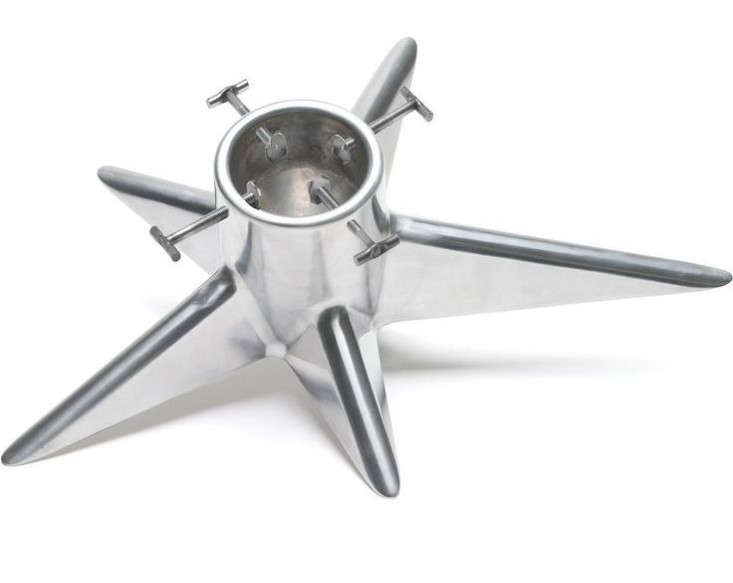
A Christmas tree holder may not be the flashiest part of holiday decorating, but it is the tiny backstage manager keeping the whole show from becoming a pine-scented disaster. The ornaments sparkle, the lights glow, the star gets all the applause, and the tree holder sits quietly at floor level doing the hard work: supporting the trunk, holding water, protecting your floor, and preventing your festive centerpiece from leaning like it just heard bad news.
Whether you call it a Christmas tree holder, Christmas tree stand, tree base, or “that thing we forgot in the garage,” choosing the right one matters. A good holder keeps a real tree fresh longer, helps an artificial tree stand straight, and gives you fewer reasons to crawl under branches while muttering seasonal words that do not belong in a greeting card. This guide explains how to choose the best Christmas tree holder for your home, what features actually matter, how to size one correctly, and how to avoid common setup mistakes.
What Is a Christmas Tree Holder?
A Christmas tree holder is the base that secures a Christmas tree in an upright position. For a real tree, it usually includes a water reservoir so the cut trunk can continue absorbing water. For an artificial tree, the holder is often a folding metal stand, rolling base, rotating base, decorative collar-style support, or built-in frame designed to stabilize the center pole.
The best holder does three things well: it grips the tree securely, supports the weight evenly, and makes watering or adjustment simple. If it fails at any one of those jobs, your tree may lean, dry out too quickly, or wobble every time a pet walks by with suspicious confidence.
Why the Right Christmas Tree Holder Matters
A Christmas tree is not light, especially once it is dressed with lights, ornaments, garland, and a topper that somehow weighs more than expected. A weak holder can turn a beautiful tree into a holiday physics experiment. A properly sized holder improves stability, makes setup easier, and helps a real tree stay hydrated.
For real trees, water capacity is one of the most important features. Freshly cut trees can drink a surprising amount of water, especially in the first week indoors. If the reservoir is too small, the water level may drop below the trunk base, reducing water uptake and increasing needle loss. A dry tree also becomes a greater safety concern, which is why watering is not merely cosmetic; it is part of responsible holiday setup.
Main Types of Christmas Tree Holders
Traditional Screw-Style Holders
The classic screw-style Christmas tree holder uses three, four, or five bolts that tighten against the trunk. These stands are affordable, widely available, and familiar to anyone who has ever spent December on their knees saying, “A little left. No, my left.” They work well for many real trees, but they usually require two people: one to hold the tree straight and one to tighten the bolts.
Clamp or Foot-Pedal Holders
Clamp-style holders often use a cable, claw, or ratchet system to grip the trunk evenly. Some models include a foot pedal, which allows the user to tighten the stand without bending down as much. These are especially helpful for taller trees or households where tree setup needs to be quick, stable, and less like a wrestling match with a forest.
Pin-Style Tree Holders
Pin-style holders are common at some choose-and-cut farms or tree lots. The trunk is drilled to fit onto a center pin, helping the tree stand straight with minimal adjustment. They can be excellent for one-person setup, but they require the tree to be prepared for that specific style.
Heavy-Duty Steel Holders
Heavy-duty Christmas tree holders are designed for large or tall trees. They usually feature a wider footprint, stronger bolts, welded steel construction, or deeper trunk support. If your tree is over eight or nine feet tall, do not ask a flimsy bargain stand to perform miracles. It may smile politely and betray you by dinner.
Decorative Christmas Tree Holders
Decorative holders combine function with style. Cast iron, wood, basket-inspired, or modern sculptural bases can look attractive without a tree skirt. These are useful in small spaces or design-focused rooms where the base remains visible. Just make sure the beauty comes with enough weight, width, and grip.
Artificial Tree Holders
Artificial trees often use folding metal stands, rolling storage bases, rotating stands, or built-in supports. The key is matching the stand to the pole diameter, tree height, and total decorated weight. Rotating stands can be fun for ornament lovers, but they should be used only with trees and lighting systems compatible with rotation.
How to Choose the Best Christmas Tree Holder
Match the Holder to Tree Height
Every holder has a maximum tree height rating. Do not ignore it. A holder designed for a six-foot tree is not the right base for a nine-foot showstopper. Taller trees need wider bases, stronger gripping systems, and more weight at the bottom. The higher the tree, the more leverage it has when bumped, especially after ornaments are added.
Check the Trunk Diameter
Before buying a real tree holder, check the maximum and minimum trunk diameter it can accept. A trunk that is too wide may not fit securely. A trunk that is too narrow may wobble even after the bolts are tightened. Avoid shaving the sides of the trunk just to force it into a too-small holder. The outer layers of the trunk are important for water absorption, and removing them can make the tree dry out faster.
Choose a Large Water Reservoir
For real trees, a generous water reservoir is a major advantage. A useful rule of thumb is to provide about one quart of water capacity per inch of trunk diameter. A tree with a four-inch trunk should have a holder that can keep at least one gallon available. Larger reservoirs also reduce the number of emergency refills, which matters when the lower branches are poking your forehead like tiny green pitchforks.
Look for Easy Water Access
A tree holder should be easy to fill after the tree is decorated. Wide openings, water-level indicators, funnel attachments, or long-spout watering cans can make daily care much easier. If the only way to water your tree is to crawl under it with a coffee mug, your future self will file a complaint.
Consider Weight and Footprint
Stability comes from both gripping strength and base design. A heavier stand with a wide footprint is usually more stable than a tiny, lightweight one. This matters in homes with children, pets, high-traffic rooms, or ambitious decorating styles involving oversized ornaments.
Think About Floor Protection
Water spills, sap, and metal feet can damage floors. Place a waterproof mat, tray, or protective layer under the holder before setting up the tree. Add a tree skirt or collar after the stand is filled and checked. The goal is to create holiday magic, not a mysterious circular stain that remains until spring.
Best Christmas Tree Holder Features to Look For
The best Christmas tree holder is not necessarily the most expensive one. It is the one that fits your tree, your space, and your patience level. Useful features include sturdy metal hardware, a large reservoir, a wide base, a water-level indicator, rust-resistant materials, leak-resistant construction, easy-to-turn bolts, and a gripping system that holds the trunk evenly.
For families with pets, a heavier base is worth considering. Cats may view the tree as a seasonal climbing gym. Dogs may wag their tails into low branches with the power of a small leaf blower. A stable holder will not solve every pet problem, but it gives the tree a fighting chance.
How to Set Up a Real Christmas Tree in a Holder
Step 1: Make a Fresh Straight Cut
Before placing a real tree in the holder, cut about half an inch from the bottom of the trunk. Make the cut straight across, not angled or V-shaped. A straight cut helps the trunk sit securely and keeps the water-contact surface level.
Step 2: Place the Tree in Water Quickly
After the fresh cut, place the tree in water as soon as possible. If the cut surface dries out, the tree may absorb water less effectively. If you are not decorating immediately, store the tree in a cool, shaded place with the trunk in a bucket of water.
Step 3: Center the Trunk
Position the trunk in the middle of the holder before tightening. A centered trunk distributes weight evenly. If the trunk starts off crooked, tightening the bolts harder will not create a Christmas miracle; it will simply create a very determined crooked tree.
Step 4: Tighten Evenly
For screw-style holders, tighten each bolt gradually rather than fully tightening one side first. Have one person step back and check the tree from different angles. For clamp-style holders, follow the manufacturer’s locking instructions and make sure the gripping mechanism is fully engaged.
Step 5: Fill the Reservoir
Add plain water until the reservoir reaches the recommended level. Check again after the tree settles. In the first few days, the tree may drink quickly, so inspect the water level at least daily. Never let the water drop below the base of the trunk.
Common Christmas Tree Holder Mistakes
One common mistake is buying a holder after buying the tree, without checking trunk size. Another is choosing a stand based only on price or appearance. A pretty base is wonderful, but it must still support the tree safely. A third mistake is trimming the trunk sides to make it fit. This can reduce water absorption and weaken the setup.
People also underestimate water needs. A small reservoir may look fine on day one, but a fresh tree can empty it faster than expected. Finally, some decorators forget to consider the finished weight of the tree. Lights, ornaments, garland, ribbons, and toppers all add weight and can shift the balance.
Safety Tips for Using a Christmas Tree Holder
Place the tree away from fireplaces, heat vents, radiators, candles, and sunny windows. Heat speeds drying and increases needle drop. Use lights that are in good condition, inspect cords before decorating, and turn off tree lights before leaving home or going to bed. If the tree becomes very dry, remove it from the house rather than trying to stretch the season until Valentine’s Day.
For extra security, especially with tall trees, consider discreetly anchoring the tree to a wall with clear fishing line or a safety strap. This is particularly useful in homes with pets, toddlers, or relatives who gesture enthusiastically near fragile ornaments.
Real Tree vs. Artificial Tree Holders
Real tree holders focus on water and trunk grip. Artificial tree holders focus on pole support and balance. Real trees vary in trunk diameter, shape, weight, and moisture content, so their holders need adjustable gripping mechanisms. Artificial trees are more predictable, but they can still become top-heavy after decorating.
If you use an artificial tree, inspect the stand each year. Folding legs can loosen, screws can disappear into the holiday storage abyss, and plastic hubs can crack. If the original holder feels weak, replace it with a compatible heavy-duty artificial tree stand rather than trusting gravity to be festive.
How to Hide a Christmas Tree Holder
Even a practical holder does not have to ruin the look of your room. A tree skirt is the classic solution. It hides the stand, catches fallen needles, and creates a soft landing place for presents. A tree collar offers a cleaner, more modern look and works well in farmhouse, minimalist, or contemporary decor.
For small rooms, choose a holder that looks good on its own or uses a narrow profile. For large rooms, a decorative collar can visually balance a wide tree. Just make sure any skirt or collar still allows access for watering. Beauty is important, but so is not turning your tree into crispy holiday potpourri.
Maintenance: Keeping the Holder Clean and Ready
After the holidays, empty the water reservoir, rinse it thoroughly, and let it dry before storage. Sap, needles, and stagnant water can create odors or residue. Check bolts, clamps, welds, and plastic parts for damage. Store the holder in a dry place with all hardware attached or sealed in a labeled bag.
A quality Christmas tree holder can last for years if cared for properly. In fact, it is one of those holiday tools where spending a little more upfront can save annual frustration. Nobody wants to rediscover the same wobbly stand every December and act surprised.
Real-World Experiences With a Christmas Tree Holder
The true test of a Christmas tree holder does not happen in the store. It happens at home, usually when one person is holding a seven-foot tree, another person is lying on the floor tightening bolts, and someone else is saying, “It still looks crooked,” from a safe distance. That is when you learn whether your holder is a reliable holiday hero or a circular piece of regret.
One common experience is discovering that tree trunks are not perfect cylinders. A tree may look straight at the lot, but once it is in the holder, the trunk curve becomes obvious. A good adjustable holder helps compensate for irregular trunks. A weak holder simply argues with you. This is why many families eventually upgrade from a tiny inherited stand to a sturdier model with better bolts or a clamp system.
Another experience involves watering. During the first few days, a real tree can drink far more than expected. Many people fill the reservoir once, decorate proudly, and then forget about it until needles begin falling like confetti at a parade no one planned. A holder with a large reservoir or visible water indicator makes care easier. It turns watering from a guessing game into a simple daily habit, like feeding the dog or checking whether the cookies are still hidden.
Households with pets often learn the importance of base weight quickly. A curious cat may bat at ornaments, climb lower branches, or sit beneath the tree looking innocent in a way that is legally suspicious. Dogs may nudge branches while investigating wrapped gifts. A wide, heavy holder helps reduce wobble and gives the tree more resistance against everyday bumps.
Families with children also benefit from a stable holder. Kids love decorating the lower branches, sometimes with five ornaments on the same twig. They may tug gently, point excitedly, or crawl under the tree to inspect presents. A properly sized holder keeps the tree secure while allowing everyone to enjoy the tradition without constant adult panic.
There is also the emotional side. A Christmas tree holder is part of the annual ritual. It comes out of storage with the lights, stockings, and that one ornament nobody remembers buying but everyone refuses to throw away. When the holder works well, setup feels smooth and cheerful. When it does not, decorating starts with frustration. The right holder does not just support the tree; it supports the mood of the whole day.
Many people eventually realize that a good Christmas tree holder is one of the least glamorous but most valuable holiday purchases. It does not sparkle, sing, or smell like cinnamon. But when the tree stands straight, stays fresh, and survives December without drama, the holder deserves a quiet round of applause from under the branches.
Conclusion
A Christmas tree holder is more than a base. It is the foundation of your holiday centerpiece. The right holder keeps your tree upright, hydrated, safe, and beautiful from the first ornament to the final cleanup. Choose one that matches your tree height and trunk diameter, offers enough water capacity, has a sturdy footprint, and fits your decorating style.
For real trees, prioritize water access and reservoir size. For artificial trees, focus on pole compatibility and balance. In both cases, do not settle for a holder that feels flimsy, undersized, or difficult to use. A Christmas tree should bring joy, not structural suspense.
Invest in a reliable Christmas tree holder, set it up carefully, water consistently, and protect it from heat. Then step back, admire the glow, and enjoy the rare seasonal miracle of a tree that stands straight without needing three relatives, two books, and a desperate prayer.