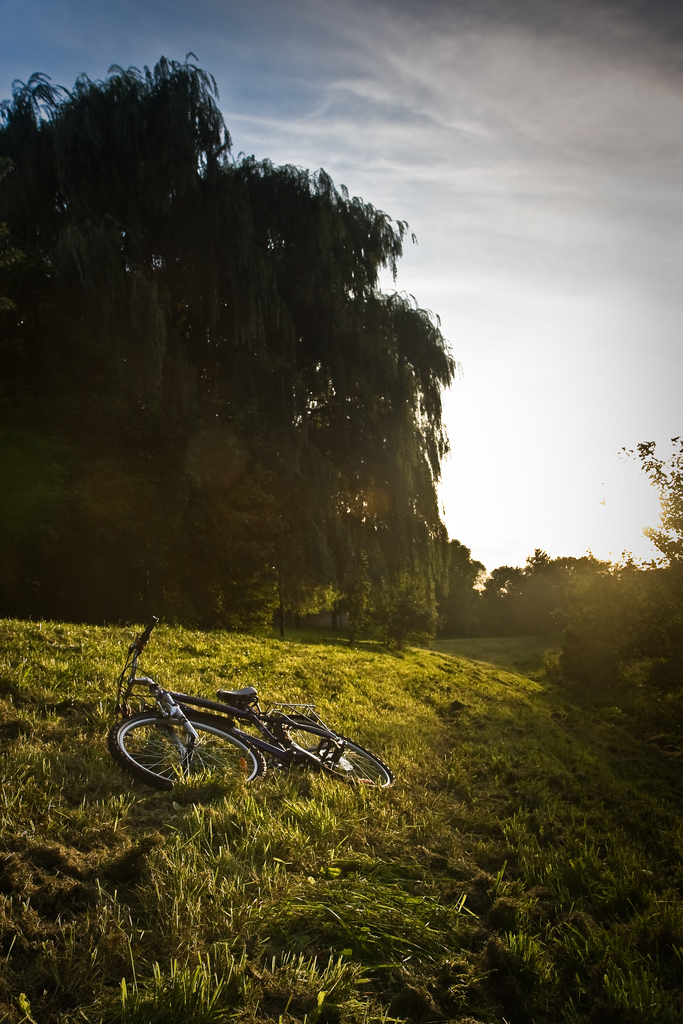
There are two kinds of people at the park. The first group flops down anywhere with absolute confidence, like a Labrador retriever who has never once considered consequences. The second group circles the lawn like a tiny real-estate agent, whispering things like, “Too sunny. Too soggy. Too close to the frisbee people. Is that goose business?” This article is for the second group, and frankly, for the first group too.
Finding the perfect patch of grass to sit on at the park sounds gloriously simple, but anyone who has ever stood there holding a tote bag, iced coffee, and very high hopes knows better. The best place to sit in the park is not just green. It is comfortable, dry, shady enough to be pleasant, open enough to feel breezy, and far enough away from chaos that your afternoon does not end with a rogue soccer ball in your hummus.
That is part of what makes this oddly specific pleasure so satisfying. A perfect patch of grass is not luxury in the usual sense. It is a low-cost little jackpot. It is public-space magic. It turns a regular afternoon into a tiny vacation and reminds you that outdoor comfort is often about paying attention to details most of us ignore until our shoes sink, our necks burn, or our allergies begin writing protest letters.
So let’s talk about how to find a park seating spot that feels great, respects the space, and makes your “I’ll just sit here for ten minutes” turn into a suspiciously restorative hour and a half.
Why the perfect patch of grass feels so ridiculously good
The appeal is not only sentimental. Green space relaxation has a way of nudging people to slow down. Parks soften the edges of a noisy day. Trees break up heat and glare. Open lawns create breathing room that apartments, offices, and traffic rarely offer. Even when you are not jogging, meditating, or pretending to read a serious book in public, simply sitting outside can feel like your brain has finally unbuttoned its top collar.
And that is why the perfect patch matters. The more comfortable the spot, the longer you stay. The longer you stay, the more likely you are to settle, notice, and enjoy the park instead of merely passing through it like a stressed commuter with granola. The ideal patch of grass turns outdoor time from a concept into an experience.
What makes a patch of grass “perfect”
1. It is dry, not swampy
This is the first rule because damp grass is the fastest way to ruin a good mood. A lawn can look lush from ten feet away and still behave like a sponge. Before sitting, scan for darker areas, muddy edges, or spots near sprinklers, low points, or heavy shade where water lingers. If the ground gives off “recently baptized” energy, keep moving.
Dry turf usually signals better drainage and a healthier sitting experience. Your jeans will thank you. Your picnic blanket will file no complaints. Your dignity will survive intact.
2. It has some shade, but not cave-level shade
The best patch of grass at the park usually has partial shade. Full blazing sun may look cheerful in photos, but after twenty minutes it becomes an aggressive lifestyle choice. Meanwhile, deep heavy shade can feel chilly, damp, and suspiciously mosquito-friendly. A spot near a tree canopy, pavilion edge, or intermittent shadow often wins because it balances comfort with light.
This is also where the park genius of trees comes in. Shade is not just pleasant. It helps lower heat, reduce glare, and make a lawn feel livable instead of theatrical. A little patchwork shade is nature’s version of smart climate control.
3. It has enough airflow to keep you comfortable
Still air on a warm day can make even a beautiful lawn feel sticky. A great park sitting spot has a bit of breeze. Not the kind that launches napkins into the next county, but enough movement to keep heat from settling on your skin like a clingy houseguest.
Open areas beside trees, slight rises in the lawn, and places away from thick walls of shrubs often feel better than tucked-away corners with trapped heat. The goal is a gentle breeze, not a scene from a disaster movie.
4. It is soft without being overused
Grass under constant foot traffic gets compacted, flattened, and less comfortable over time. If a lawn is threadbare, hard, or dusty, it may be a popular shortcut rather than a relaxing destination. You want a spot where the turf still has a little spring to it. That soft, forgiving feel is not just pleasant. It often hints that the ground drains better and has not been stomped into submission.
Translation: avoid the sad bald path that every stroller, scooter, and enthusiastic uncle has used as a shortcut since spring.
5. It is far from obvious trouble
The perfect patch is not beside a trash can, directly under a dripping branch, near an active ant parade, or in the launch zone of a youth baseball game. It is not next to a speaker blasting motivational techno at seven thousand decibels. It is not under a tree that birds clearly use as a conference center.
One quick scan saves a lot of regret. Look up, look down, and look around. This is outdoor wisdom, not paranoia.
How to choose the best place to sit in the park
Start with the light
If you arrive in late morning or early afternoon, think ahead. The sunny patch that seems fine right now can become a skillet by the time you unpack your snacks. Watch where the shadows are moving. A little forecasting prevents the classic “I was cozy ten minutes ago and now I am slowly roasting” problem.
Check the grass itself
Healthy grass usually looks even, fairly upright, and free of long wet clippings. If the lawn is matted, muddy, or chopped up with visible debris, it may not be the relaxing patch you imagined. Long clippings can cling to blankets and clothing, and damaged turf can feel rougher than it looks.
Notice the slope
A slight slope can be nice for a view. Too much slope means your drink tilts, your spine negotiates new terms, and every grape makes a break for freedom. A nearly level spot is usually the winner for reading, picnicking, or simply sitting without feeling like you are part of a slow-motion landslide.
Look for social distance without social exile
The sweet spot is close enough to enjoy the atmosphere but far enough from the busiest path, playground entrance, or sports area that you are not living inside everybody else’s afternoon. Some people want maximum quiet. Others enjoy the low hum of families, dogs, and passing conversation. Either way, the perfect patch gives you room to breathe without feeling stranded in a distant grassy republic.
Comfort matters more than people admit
A lot of “bad park experiences” are really just bad setup. Even a lovely patch of grass benefits from a tiny bit of strategy. Bring a lightweight blanket if you plan to stay longer than a coffee break. Wear sunglasses with proper UV protection. Use sunscreen, especially if your dream patch involves more sun than you originally realized. On hot days, shade at the park is not an accessory. It is a survival skill with better branding.
Hydration also belongs in the conversation. So does checking the weather and air quality before you head out. A beautiful lawn loses some charm when heat or smoky air turns your peaceful sit into an avoidable mistake. The perfect patch of grass is partly about the patch and partly about choosing the right day to enjoy it.
The tiny health details nobody remembers until too late
Watch for ticks and critters
Not every grassy area is risky, but very tall grass, brushy edges, and leaf litter deserve more caution than an open, maintained lawn. If you are near a wooded border or letting kids sprawl near thicker vegetation, a quick check afterward is wise. The perfect patch should feel peaceful, not like a hidden side quest in an insect documentary.
Mind your allergies
If grass pollen has ever made your eyes itch like they are auditioning for a tragedy, plan accordingly. A park seating spot can be gorgeous and still be a terrible match for your sinuses. Sunglasses, a blanket barrier, and timing your visit for days when pollen feels less intense can make a huge difference.
Protect your skin and eyes
Yes, this sounds like advice from your most responsible friend, but that friend is right. Outdoor park comfort lasts longer when you are not squinting into bright light or building a sunburn one shoulder at a time. A patch with mixed shade is useful, but sunscreen and UV-blocking sunglasses are still worth having in your bag.
Park etiquette makes the patch better for everyone
Finding your perfect patch of grass is not about conquering the lawn like a tiny emperor. It is about sharing public space well. Leave the area as clean as you found it. Do not trample planted areas just because they look especially photogenic. Respect park rules, posted boundaries, and any restoration zones. Keep food secure, clean up thoroughly, and do not convert a peaceful lawn into a debris field of chip crumbs and receipt confetti.
There is also a simple social grace to park life. Give other people room. Keep noise at a human level. Notice where dogs are allowed and where they are not. The perfect patch should feel like a win that does not accidentally create three losses for everybody nearby.
Why this tiny pleasure deserves a place on the “awesome things” list
Because it is ordinary and excellent at the same time. It asks very little of you. No expensive reservation. No password. No curated wellness package called “Grounded Stillness Journey” with a font that whispers. Just grass, air, light, and enough luck to land in a spot that feels exactly right.
It is also one of those experiences that rewards attention. When you start noticing what makes a park sitting spot truly good, you become better at enjoying public spaces in general. You learn to spot shade, breeze, softness, quiet, and comfort. You stop dropping yourself onto the first available rectangle of green and start choosing your moment with intention. Very classy. Very grounded. Literally.
How to create your own perfect patch ritual
If you want this simple pleasure to happen more often, make it easy on yourself. Keep a foldable blanket in the car. Pack sunscreen that does not smell like regret. Bring water. Have a book, notebook, or snack ready. Learn which park areas stay shady longer. Notice which lawns dry out faster after rain. Over time, you develop a personal map of the park, and suddenly you are not just visiting. You are operating with local wisdom.
That may be the real joy here. The perfect patch of grass is never just a patch of grass. It becomes your little claim on calm, your low-budget luxury, your proof that a better day can begin with something as humble as choosing where to sit.
More experiences tied to finding the perfect patch of grass
There is a special kind of victory in spotting your ideal patch from a distance and realizing, with a tiny pulse of delight, that nobody else has taken it yet. Maybe it is under a generous tree with leaves that move just enough to make the light flicker across the ground. Maybe it is near enough to hear the fountain, but not so near that you have to listen to every toddler’s running commentary on ducks. Maybe it is beside a path where life drifts by at a pleasant speed: joggers, strollers, dogs with executive-level confidence, one person roller-skating as if the seventies never ended. You set your bag down and think, yes, this is the one.
Then the ritual begins. You smooth the blanket. You kick off your shoes. You test the grass with one hand like a cautious aristocrat evaluating upholstery. The ground is cool but not cold. The lawn smells faintly green and clean, like summer deciding to behave itself. You lean back and discover the tree above you is performing an excellent background soundtrack of leaves and mild breeze. Not enough wind to attack your sandwich, just enough to remind you the air is alive.
The best part is how quickly your brain changes gears. Five minutes earlier you were checking messages, thinking about errands, and mentally arguing with someone who cut in front of you at the coffee shop. Now you are deeply invested in the shape of a cloud that looks a little like a toaster. A child laughs somewhere in the distance. A dog sneezes. Somebody opens a bag of chips with dramatic flair. None of it feels intrusive. It all becomes part of the park symphony.
Sometimes the perfect patch turns into a solo afternoon that feels improbably rich. You read three pages of a book and then stare at nothing for twenty minutes, which may secretly be the entire point. Other times it becomes a shared memory. A friend arrives with iced tea. Someone passes around strawberries. A family member tells a story they have told before, but on the grass, under the tree, with the light doing that nice golden thing, it somehow lands better. The patch becomes a stage for ordinary happiness.
And yes, sometimes the magic is in the near-disasters you successfully avoided. You did not choose the soggy section by the sprinkler. You did not sit in the direct path of a kickball tournament. You noticed the ant colony before it noticed you. You selected a place with enough shade to stay comfortable and enough openness to avoid feeling trapped in humid stillness. This is not luck anymore. This is skill. This is seasoned park behavior.
By the time you stand up, there is often that satisfying imprint of time well spent. A few blades of grass cling to the blanket. Your water bottle is half empty. The sun has shifted. The patch that looked nice when you arrived now feels almost personal, as if the park briefly lent you a tiny room with no walls. That is the charm of it. In a world full of subscriptions, schedules, and glowing screens, one of life’s most reliable pleasures is still free: finding the perfect patch of grass to sit on at the park and letting it improve your whole day for absolutely no dramatic reason.
Conclusion
Finding the perfect patch of grass to sit on at the park is a small art with a big payoff. The best spots balance shade, dryness, airflow, soft turf, and a little breathing room from crowds and chaos. They are comfortable enough to help you stay longer and present enough to enjoy the simple power of green space. Add a pinch of common sense about sun, weather, allergies, and park etiquette, and this humble little moment becomes one of the most satisfying forms of everyday luxury.
That is what makes #703 so charming. It celebrates an experience that is low-cost, widely available, and weirdly memorable. A good patch of grass is not just where you sit. It is where the day softens, the mind unclenches, and the park starts feeling less like scenery and more like a gift.