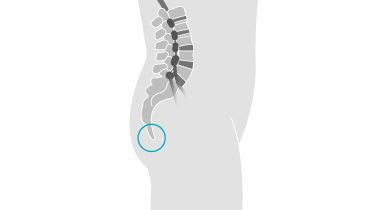
If your tailbone has been acting like it has a personal grudge against chairs, car seats, and long meetings, you are not alone. Tailbone pain, also called coccydynia, can make ordinary things feel oddly dramatic. Sitting down becomes a negotiation. Standing up feels like a plot twist. And the idea of “just relax” suddenly sounds wildly unhelpful.
The good news is that many cases of tailbone pain improve with conservative care. The even better news is that the right stretches and support strategies can help reduce tension around the coccyx, improve mobility, and make everyday life less annoying. The important catch: not every sore backside is truly a tailbone problem. Sometimes the pain comes from tight pelvic floor muscles, irritated hip rotators, the sacroiliac joint, low back strain, or even referred pain from nearby structures. That is why a smart routine focuses not just on the tailbone itself, but on the muscles and movement patterns around it.
In this guide, you will learn which tailbone stretches may help, how to do them safely, when to stop, and how to support healing with posture, cushions, movement breaks, and common-sense care. Think of it as a gentle reset for the small bone causing big drama.
What Is Tailbone Pain, Exactly?
Your tailbone, or coccyx, sits at the very bottom of your spine. It is small, but it is not useless. It helps anchor ligaments, connective tissue, and muscles in the pelvic floor region. When that area is bruised, strained, inflamed, or irritated, pain can show up when you sit, lean back, stand from a chair, use the bathroom, or move from one position to another.
Common causes of tailbone pain include a backward fall, childbirth, prolonged sitting on hard surfaces, poor posture, repetitive strain, pelvic floor tension, and irritation in nearby low back or pelvic structures. Some people assume they must have broken the tailbone, but bruising and ligament strain are more common than an actual fracture.
That last point matters because it explains why gentle mobility work can sometimes help. If the muscles around the coccyx, hips, and low back are tight, they can increase stress on an already sensitive area. A thoughtful stretching routine may reduce that tension and give the region a little breathing room.
When Tailbone Stretches Can Help
Tailbone stretches are usually most helpful when pain is linked to muscle tightness, prolonged sitting, posture issues, or pelvic floor tension. They can also support recovery when the acute injury phase has passed and movement feels more tolerable.
They are less helpful, or may need to wait, if your pain started after a hard fall, feels severe and sharp, or comes with numbness, weakness, fever, unexplained weight loss, or bowel or bladder changes. In those cases, a healthcare professional should evaluate you before you begin self-treatment. Stretching is helpful, but it is not a superhero cape.
How To Stretch Without Making Your Tailbone Mad
Before jumping into specific moves, a few rules make a big difference:
- Stretch gently, not aggressively. Tailbone pain rarely responds well to heroic lunges and dramatic grimacing.
- Use slow breathing. When you exhale fully, the pelvic floor and hip muscles often relax more easily.
- Aim for mild tension, not sharp pain. If a stretch increases your tailbone pain, back off or skip it.
- Move on a soft but supportive surface, such as a yoga mat or carpet.
- Start with 20 to 30 seconds per stretch and repeat 2 to 3 times, unless otherwise noted.
- Consistency beats intensity. A short daily routine usually works better than an occasional “weekend warrior” stretch marathon.
Best Tailbone Stretches for Pain Relief
1. Diaphragmatic Breathing for Pelvic Floor Relaxation
This is not flashy, but it is one of the smartest places to start. Tight pelvic floor muscles can contribute to tailbone pain, and slow breathing helps downshift that tension.
How to do it: Lie on your back with knees bent or rest in a comfortable reclined position. Put one hand on your chest and one on your belly. Inhale through your nose and let your belly rise. Exhale slowly through your mouth and imagine the muscles in your pelvis softening downward instead of clenching upward.
Why it helps: It encourages relaxation around the pelvic floor and lower back, which may ease pressure near the coccyx.
2. Supported Child’s Pose
Child’s pose can gently lengthen the low back and reduce compressive stress. If standard child’s pose feels too intense, place a pillow or bolster under your chest.
How to do it: Kneel on a mat, bring your big toes together, and separate your knees to a comfortable width. Sit back toward your heels and reach your arms forward. Rest your forehead on the floor or on a cushion.
Why it helps: It can take pressure off the lower back and encourage a gentle stretch through the spine, hips, and pelvis.
3. Cat-Cow
This flowing movement promotes spinal mobility without forcing the tailbone into a fixed position for too long.
How to do it: Start on hands and knees. Inhale as you gently arch your back, lifting your chest and tailbone. Exhale as you round your spine and tuck your chin. Move slowly and stay in a comfortable range.
Why it helps: Cat-cow may reduce stiffness through the low back and pelvis, which can lessen compensatory tension around the coccyx.
4. Single Knee-to-Chest Stretch
This classic stretch targets the lower back and glute region without demanding much from the tailbone.
How to do it: Lie on your back with knees bent. Gently pull one knee toward your chest while keeping the other foot on the floor. Hold, then switch sides.
Why it helps: It can relieve low back tightness and improve hip mobility, both of which may reduce strain near the tailbone.
5. Figure-Four Glute Stretch
Tight glutes and hip rotators can pull on the pelvis and make sitting even more uncomfortable.
How to do it: Lie on your back with knees bent. Cross one ankle over the opposite thigh, forming a figure four. If comfortable, reach through and draw the supporting leg toward you.
Why it helps: It stretches the glutes and deep hip muscles, which may reduce tension around the back of the pelvis.
6. Hip Flexor Stretch
Long hours of sitting can leave hip flexors tight and the pelvis tilted in ways your tailbone does not appreciate.
How to do it: Kneel in a lunge position with one knee down and the other foot forward. Keep your torso upright and gently shift forward until you feel a stretch in the front of the hip on the kneeling side.
Why it helps: Releasing the front of the hips may improve pelvic alignment and reduce stress through the low back and coccyx region.
7. Lower Trunk Rotation
This is a gentle mobility drill for the low back and pelvis.
How to do it: Lie on your back with knees bent and feet flat. Keep your shoulders relaxed on the floor and slowly let both knees drift to one side. Return to center and repeat on the other side.
Why it helps: It loosens the lower back and can reduce the stiffness that often travels with tailbone pain.
8. Pelvic Tilts
Pelvic tilts are subtle, but they teach control and can reduce the rigid holding pattern many people develop when they are guarding pain.
How to do it: Lie on your back with knees bent. Gently flatten your lower back toward the floor, then release into a neutral position. Move slowly.
Why it helps: It promotes awareness of pelvic position and can ease tension in the lower back without a lot of pressure on the tailbone.
Support Exercises That Often Help
Tailbone pain relief is not only about stretching. Support matters too. Once basic stretching feels comfortable, gentle strengthening may help stabilize the pelvis and lower back.
Bridge
Lie on your back with knees bent. Tighten your abdominal and glute muscles, then lift your hips until your body forms a gentle line from shoulders to knees. Lower slowly.
Why it helps: Bridges strengthen the glutes and core, which support the pelvis and may reduce overload elsewhere.
Core Bracing
While lying down or standing, gently draw your lower abdomen inward as though preparing for a light tap to the stomach. Keep breathing normally.
Why it helps: Better core support can reduce the constant micromovements that irritate the lower back and sacral area.
What To Avoid
When your tailbone hurts, more is not better. A few things can make symptoms worse:
- Forcing deep forward folds if they increase pain
- Hard surfaces with long sitting sessions
- High-impact exercise when the area is still very irritated
- Ignoring posture and then wondering why the chair feels like betrayal
- Stretching through sharp, shooting, or burning pain
Daily Support Tips That Matter More Than People Expect
Use a Coccyx-Friendly Cushion
A wedge cushion or a coccyx-cutout cushion can help shift pressure away from the tailbone. Some people also find donut-style cushions useful, though preferences vary. The best cushion is the one that makes sitting tolerable without making you sit like a pretzel.
Lean Slightly Forward When Sitting
This can reduce direct pressure on the coccyx. Sit with feet flat, hips supported, and your weight distributed more through the sit bones than directly onto the tailbone.
Take Frequent Movement Breaks
Standing up every 30 to 60 minutes can help. Even a short walk to refill your water bottle counts. Hydration and tailbone diplomacy can happen at the same time.
Use Ice or Heat
Some people prefer ice for soreness and inflammation, while others relax better with heat. If one makes you grumpy, try the other.
Mind the Bathroom Situation
Constipation can make tailbone pain worse because bowel movements increase pressure in the area. Staying hydrated, eating enough fiber, and avoiding unnecessary straining can make a surprising difference.
When To See a Healthcare Professional
It is a good idea to get checked if your pain follows a major fall, lasts more than a few weeks, keeps getting worse, or comes with numbness, weakness, fever, bowel or bladder changes, or unexplained weight loss. You should also consider an evaluation if sitting is consistently miserable or if stretching never seems to touch the pain.
A clinician may look for issues such as coccyx injury, pelvic floor dysfunction, sacroiliac problems, low back conditions, or referred pain. In some cases, pelvic floor physical therapy can be especially helpful because muscles around the pelvis and tailbone do not always know how to calm down on their own.
A Sample Tailbone Stretch Routine
If you want a practical starting point, try this simple sequence once or twice a day:
- Diaphragmatic breathing: 1 to 2 minutes
- Supported child’s pose: 20 to 30 seconds x 2
- Cat-cow: 8 to 10 slow reps
- Single knee-to-chest: 20 to 30 seconds each side
- Figure-four stretch: 20 to 30 seconds each side
- Hip flexor stretch: 20 to 30 seconds each side
- Pelvic tilts: 8 to 10 reps
- Bridge: 5 to 8 gentle reps if comfortable
Afterward, stand up, walk for a minute, and notice whether you feel looser, calmer, or at least slightly less offended by furniture. Progress can be gradual. That is normal.
Common Real-Life Experiences With Tailbone Pain and Stretching
People dealing with tailbone pain often describe a very specific kind of frustration. The pain may not always be overwhelming, but it is relentless in the most inconvenient moments. Sitting through a movie, driving across town, leaning back at your desk, or shifting in bed can suddenly feel like a tiny alarm bell is hidden in your spine. One of the most common experiences is that the pain seems worse when rising from sitting than while already seated. That transition can feel stiff, sharp, or achy, especially after long periods in one position.
Another common experience is confusion. Many people assume the tailbone itself must be the only problem, but stretching sometimes reveals a different story. A person may start with a sore coccyx and discover tight hip flexors from sitting all day, glute tension from guarding pain, or pelvic floor tightness that makes the whole area feel clenched. That is why a gentle, broader routine often works better than obsessing over one exact spot.
Some people notice that mornings are not too bad, but symptoms build throughout the day. That pattern often points to posture, sitting load, or repetitive compression rather than a purely random flare. Others notice the opposite: they wake up stiff, then feel better after a warm shower and a few slow movements. In both cases, motion tends to matter. Not intense exercise. Just regular, calm, reassuring motion.
It is also very common for people to stretch too aggressively at first because they want fast relief. Then the area gets crankier, and they assume stretching “does not work.” Usually, the issue is not stretching itself but the dose. Tailbone pain responds better to small, repeatable sessions than to one giant flexibility mission worthy of its own soundtrack. A few minutes of breathing, cat-cow, supported child’s pose, and hip mobility often feels more helpful than forcing yourself into a deep pose while bargaining with the universe.
Support tools also change the day-to-day experience more than many people expect. A proper coccyx cushion can turn a miserable workday into a manageable one. Standing for short breaks can keep the pain from snowballing. Even learning to hinge forward slightly while sitting can reduce the “all pressure goes straight to the tailbone” sensation. These are not glamorous fixes, but neither is tailbone pain, so everyone is even.
Emotionally, tailbone pain can be surprisingly draining because it disrupts so many normal routines. You may avoid workouts, dread long dinners, or feel distracted at work because you cannot get comfortable. That does not mean the problem is minor just because it is small in size. The coccyx is tiny, but it knows how to make itself the main character. The encouraging part is that many people improve with patient, conservative care: movement, support, posture changes, and, when needed, guidance from a clinician or pelvic floor physical therapist.
The most helpful mindset is usually this: think progress, not perfection. If you can sit a little longer, stand up a little easier, and move with a little less guarding each week, you are probably heading in the right direction.
Conclusion
Tailbone stretches can be genuinely helpful when the pain is tied to muscle tension, posture strain, prolonged sitting, or pelvic floor tightness. The goal is not to attack the coccyx with heroic stretching, but to create comfort and support around it. Gentle mobility, light strengthening, smart sitting habits, and a little patience often go a long way.
If your pain is severe, persistent, or comes with red-flag symptoms, get evaluated. But for many people, a consistent routine built around breathing, low back mobility, hip flexibility, and pelvic support can make sitting, standing, and daily life feel much more normal again. Which is great, because your chair should not be your archenemy.