Note: This article is for general education only and is not a substitute for medical care. Newborns are tiny, dramatic, and not great at explaining symptoms, so always call your pediatrician if reflux seems severe, painful, or unusual.
Acid reflux in newborns can turn an ordinary feeding into a tiny laundry emergency. One minute your baby is peacefully drinking; the next, milk is on the burp cloth, your shirt, the couch, and somehow the dog. The good news is that mild reflux is extremely common in babies. Their digestive systems are still developing, their stomachs are small, and the muscle that keeps food down is not fully mature yet.
Still, common does not always mean comfortable. Some newborns spit up happily and gain weight beautifully. Others fuss, arch their backs, cough, refuse feeds, or seem miserable after eating. Parents often wonder: Is this normal spit-up, or is it gastroesophageal reflux disease, also called GERD? And more importantly, what can you safely do about it?
This guide explains how to treat acid reflux in newborns in 11 practical steps. The focus is on safe feeding habits, smart positioning while awake, symptom tracking, pediatrician-approved care, and knowing when to get help quickly.
What Is Acid Reflux in Newborns?
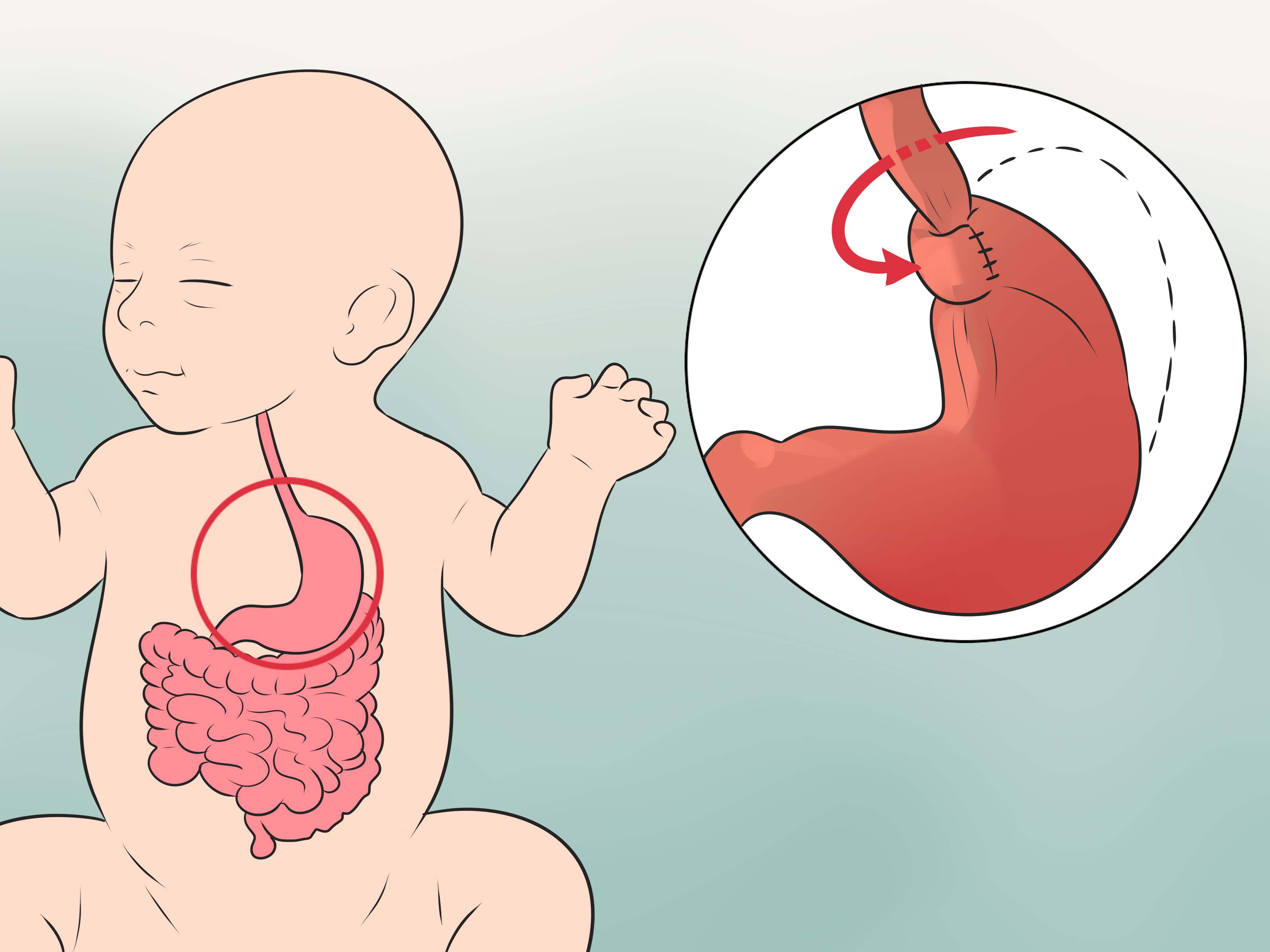
Acid reflux happens when milk or stomach contents flow back up from the stomach into the esophagus. In babies, this is often called gastroesophageal reflux, or GER. It may cause visible spit-up, wet burps, hiccups, coughing, gagging, or fussiness after feeding.
GERD is different. GERD means reflux is causing troublesome symptoms or complications, such as poor weight gain, feeding refusal, breathing symptoms, or irritation of the esophagus. In simple terms, reflux is the “spit-up happens” version. GERD is the “this is affecting my baby’s health or comfort” version.
Many newborns outgrow reflux as they mature, spend more time upright, and develop better muscle control. But during those early weeks, parents need realistic toolsnot panic, not miracle cures, and definitely not unsafe sleep gadgets with suspicious marketing copy.
How to Treat Acid Reflux in Newborns: 11 Steps
1. Confirm the Symptoms With Your Pediatrician
The first step is not buying a special bottle, switching formula, or consulting a parenting forum at 2:14 a.m. The first step is calling your baby’s pediatrician, especially if your newborn is very young, was born premature, has breathing issues, or seems uncomfortable during feeds.
Tell the doctor exactly what you see: how often your baby spits up, whether it is forceful, what color it is, how feeding is going, how many wet diapers your baby has, and whether weight gain is on track. Specific details help your pediatrician separate ordinary reflux from possible GERD, milk protein allergy, feeding difficulty, infection, or another condition.
2. Offer Smaller, More Frequent Feedings
A newborn’s stomach is small, and overfilling it can make reflux worse. Think of the stomach like a tiny water balloon with a loose lid. If it gets too full, some milk may come back up. Smaller, more frequent feedings can reduce pressure in the stomach and make digestion easier.
For bottle-fed babies, ask your pediatrician whether you should slightly reduce the amount per feeding while feeding more often. For breastfed babies, your doctor or lactation consultant may suggest adjusting feeding length, improving latch, or managing fast letdown if milk flow is overwhelming your baby.
Do not restrict feeds aggressively. Newborns need steady nutrition for growth, hydration, and blood sugar stability. The goal is not “less food.” The goal is “the right amount, delivered more gently.”
3. Feed Your Baby in a More Upright Position
During feeding, hold your baby with the head and chest slightly elevated. A semi-upright feeding position may help milk move downward with gravity instead of pooling and returning upward. Keep the baby’s body supported and avoid bending the belly sharply, because pressure on the abdomen can increase spit-up.
For bottle feeding, keep the nipple filled with milk to reduce swallowed air. For breastfeeding, experiment with positions that keep your baby’s head above the stomach, such as a laid-back nursing position or football hold with good support. A lactation consultant can be extremely helpful if reflux seems tied to latch, gulping, choking, or fast milk flow.
4. Burp Gently and Often
Gas can add pressure inside the stomach, which may trigger more reflux. Burping helps release swallowed air before it causes discomfort. Try burping halfway through a bottle or when switching breasts, then again at the end of the feeding.
Use gentle methods. You do not need to pat like you are testing a watermelon at the grocery store. Hold your baby upright against your chest or seated with support under the chin and chest, then softly pat or rub the back. If no burp appears after a minute or two, move on. Babies are not vending machines; you do not always get a burp just because you inserted effort.
5. Keep Your Baby Upright After Feeding While Awake
After feeding, hold your baby upright for about 20 to 30 minutes while they are awake. This can help reduce spit-up and discomfort. Keep the post-feed period calm. Avoid bouncing, tummy pressure, tight diapers, or enthusiastic “airplane baby” games immediately after eating.
Important: upright holding is for awake, supervised time. If your baby falls asleep, move them to a safe sleep surface: flat, firm, on the back, and free of pillows, blankets, bumpers, wedges, toys, and positioners.
6. Follow Safe Sleep Rules, Even With Reflux
This step matters. Babies with reflux should still be placed on their backs for sleep on a flat, firm surface. Do not put a newborn to sleep on the stomach or side to prevent spit-up. Do not use inclined sleepers, crib wedges, nursing pillows, car seats, swings, loungers, or bouncers as routine sleep spaces.
Parents often worry that a baby with reflux may choke while sleeping on the back. Pediatric safe sleep guidance explains that back sleeping remains the safest position. The baby’s airway anatomy and gag reflex help protect them. Inclined sleep products may look cozy, but they can place babies in unsafe positions and increase the risk of suffocation.
The safest setup is beautifully boring: baby alone, on the back, in a crib, bassinet, or play yard with a firm, flat mattress and fitted sheet. Boring saves lives. Save the decorative pillows for your Instagram account, not the crib.
7. Check Bottle Flow and Feeding Pace
If your baby coughs, gulps, pulls away, leaks milk, or seems overwhelmed during bottle feeds, the nipple flow may be too fast. A slower-flow nipple may help your newborn feed more comfortably and swallow less air.
Paced bottle feeding can also help. Hold the bottle more horizontally, pause regularly, and watch your baby’s cues. If your baby turns away, stops sucking, spreads fingers, coughs, or looks stressed, pause and burp. Feeding should not look like a competitive eating contest, even if your newborn seems determined to qualify.
If feeds regularly take longer than expected, your baby tires quickly, or there is choking, clicking, coughing, or poor weight gain, ask your pediatrician about evaluation by a feeding specialist or lactation consultant.
8. Do Not Thicken Feeds Unless Your Doctor Says To
Thickened feeds may reduce visible spit-up for some babies, but they are not automatically safe or appropriate for every newborn. Some thickeners are not recommended for young infants, premature babies, or babies with certain medical conditions. Adding cereal to a bottle can also change calorie intake, nipple flow, digestion, and choking risk.
If your pediatrician recommends thickening, ask exactly what to use, how much to add, how to prepare it, and whether oatmeal is preferred over rice cereal. Rice cereal has raised concerns because rice can contain inorganic arsenic, so many pediatric sources now favor oatmeal when cereal thickening is medically needed.
Never thicken breast milk or formula based only on advice from social media. A baby’s feeding plan should be customized, especially during the newborn stage.
9. Ask About Cow’s Milk Protein Sensitivity
Sometimes symptoms that look like reflux may overlap with cow’s milk protein sensitivity or allergy. Signs may include excessive fussiness, mucus or blood in stool, eczema, poor feeding, vomiting, or poor weight gain. Not every fussy baby has a milk protein problem, but it is worth discussing if symptoms are persistent.
If your baby is formula-fed, your pediatrician may recommend a trial of extensively hydrolyzed formula. If your baby is breastfed, the doctor may suggest a temporary dairy elimination diet for the breastfeeding parent. Do not start a highly restrictive diet without medical guidance, because breastfeeding parents need enough calories, calcium, vitamin D, iodine, and overall nutrition.
The goal is not to blame milk for everything. The goal is to identify patterns and make careful changes only when they make sense.
10. Use Medication Only When Prescribed
Most newborn reflux does not require medication. Acid-suppressing medicines, such as H2 blockers or proton pump inhibitors, may be considered when a baby has diagnosed GERD, esophagitis, poor growth, or symptoms that do not improve with feeding changes. These medicines should only be used under a doctor’s direction.
Why the caution? Reducing stomach acid is not a small thing. Acid helps with digestion and defense against some infections. Also, many symptoms blamed on refluxcrying, back arching, poor sleepcan have multiple causes. Medication may not help if acid is not the true problem.
If your pediatrician prescribes medicine, ask what symptom you are tracking, how long the trial should last, what side effects to watch for, and when to follow up. A clear plan prevents the classic parenting spiral: “We started the medicine, but now nobody remembers why.”
11. Know the Red Flags That Need Urgent Care
Most spit-up is harmless, but some symptoms should not wait. Call your doctor right away or seek urgent care if your newborn has blood in spit-up, green or yellow vomit, forceful projectile vomiting, breathing trouble, choking with color change, repeated refusal to feed, signs of dehydration, fever, unusual sleepiness, a swollen belly, or poor weight gain.
Also call promptly if a baby younger than 12 weeks suddenly changes from mild spit-up to true vomiting. Newborns can become dehydrated quickly, and vomiting can sometimes signal conditions that need immediate evaluation.
What Not to Do for Newborn Reflux
When parents are exhausted, reflux “solutions” start to look tempting. But some popular ideas are unsafe or ineffective. Do not place your baby to sleep on the stomach or side. Do not raise the crib mattress with objects. Do not use sleep positioners, wedges, loungers, or inclined sleepers. Do not add cereal to bottles unless your pediatrician gives specific instructions. Do not give over-the-counter antacids, herbal remedies, gripe water, or supplements without medical approval.
Also avoid constantly switching formulas without a plan. Frequent changes can make it harder to know what is helping and may upset your baby’s digestion. Work with your pediatrician and make one change at a time when possible.
How to Track Reflux Symptoms Like a Pro
A simple reflux diary can help more than a dramatic memory of “everything is terrible,” even when everything does feel terrible. Track feeding time, amount or nursing duration, burping, spit-up timing, crying, stool changes, sleep, wet diapers, and anything unusual. Bring this information to appointments.
For example, you may notice that spit-up is worse after larger bottles, that coughing happens only with a fast-flow nipple, or that fussiness appears with certain formula changes. Patterns help your doctor recommend targeted next steps instead of guessing.
When Newborn Reflux Usually Improves
Many babies improve as the digestive tract matures. Reflux often becomes less dramatic when babies gain better head control, spend more time upright, and begin eating solids at the appropriate age. However, newborns should not be given solids early just to treat reflux unless a doctor specifically recommends a feeding plan.
For many families, the treatment plan is a combination of time, safer feeding habits, careful observation, and pediatric support. It may not feel glamorous, but neither is being covered in spit-up at 3 a.m. Glamour left the building with the first burp cloth.
Real-Life Experience: What Caring for a Newborn With Reflux Can Feel Like
Parents often describe newborn reflux as a cycle of feeding, burping, holding, changing clothes, and wondering whether the washing machine deserves its own baby shower invitation. The emotional part is real. When your baby cries after feeding, arches their back, or spits up what looks like an entire meal, it is easy to feel helpless.
One common experience is learning that the amount of spit-up can look much larger than it really is. A tablespoon of milk spread across a onesie can appear like a dairy-based natural disaster. This does not mean you should ignore symptoms, but it does mean that comfort, hydration, feeding quality, and weight gain are often more important than the visual drama of spit-up.
Another practical lesson is that timing matters. Many parents find that rushing the post-feed routine makes symptoms worse. A baby who is fed, quickly laid flat, changed with legs lifted high, and then bounced during play may spit up more. A calmer rhythm may help: feed slowly, burp gently, hold upright, keep the diaper comfortably loose, and delay active play.
Clothing strategy also becomes part of survival. Soft bibs, extra burp cloths, washable changing pad covers, and easy-access onesies can reduce stress. Some parents keep a small “reflux station” near the feeding area with cloths, spare shirts, diapers, wipes, and a water bottle for the adult. Is it glamorous? No. Is it efficient? Absolutely.
Nighttime is often the hardest. Parents may want to let the baby sleep in a swing, car seat, or inclined product because the baby seems more comfortable there. This is where safety has to outrank convenience. Holding the baby upright while awake after feeding is fine, but once the baby sleeps, the safest place is a flat, firm sleep surface on the back. If exhaustion is becoming overwhelming, ask a partner, family member, or trusted support person to help with shifts.
Feeding support can also change everything. A lactation consultant may notice a fast letdown, shallow latch, tongue movement issue, or feeding position problem. For bottle-fed babies, a pediatrician or feeding specialist may suggest a slower nipple, paced feeding, or a different formula trial. Small adjustments can create big relief.
Most importantly, parents learn to separate “normal but messy” from “needs medical attention.” A baby who spits up but feeds well, has plenty of wet diapers, seems comfortable, and gains weight may simply need time and conservative care. A baby who refuses feeds, struggles to breathe, vomits forcefully, has blood or green fluid in vomit, or is not gaining weight needs prompt evaluation.
Reflux can make the newborn stage feel longer than it is, but it usually becomes more manageable. With safe sleep, gentle feeding changes, medical guidance, and a mountain of burp cloths, families can get through this phase one feed at a time.
Conclusion
Treating acid reflux in newborns starts with safe, simple steps: talk with your pediatrician, avoid overfeeding, feed in an upright position, burp gently, hold your baby upright while awake after feeds, and always follow safe sleep rules. Some babies may need feeding adjustments, formula evaluation, or medication, but those decisions belong in a doctor-guided plan.
Newborn reflux is stressful, messy, and occasionally impressive in its ability to reach impossible surfaces. But with the right approach, most families can reduce symptoms, protect safe sleep, and support healthy growth while their baby’s digestive system matures.