Note: This article is based on synthesized guidance from reputable U.S. cleaning, organizing, home-care, sanitation, and public-health resources, rewritten in original wording for web publication.
A clean home is not built by one heroic Saturday meltdown involving three trash bags, a mystery sponge, and emotional negotiations with your junk drawer. It is built through small, repeatable habits that make mess feel less like a villain and more like a slightly annoying roommate you know how to manage.
The good news? You do not need a spotless showroom house. You need a home that feels healthy, comfortable, and easy to reset. Maintaining a clean home is less about scrubbing until your arms file a complaint and more about creating simple routines: making the bed, wiping counters, dealing with dishes, sorting clutter, washing linens, and cleaning high-touch areas before they turn into science experiments.
Whether you live alone, with kids, with pets, with roommates, or with someone who believes socks belong “near” the hamper, these 19 easy cleaning habits can help you keep your space fresh without turning your life into one long chore chart.
Why Small Cleaning Habits Work Better Than Big Cleaning Sprees
Most messy homes do not become messy all at once. They become messy one coffee mug, one unopened package, one towel on the chair, and one “I’ll deal with it later” at a time. The same logic works in reverse. A cleaner home comes from tiny actions repeated consistently.
Daily and weekly cleaning habits reduce visual clutter, prevent grime buildup, protect surfaces, and make deep cleaning less exhausting. A quick wipe today can prevent scrubbing tomorrow. A two-minute reset tonight can save you from waking up to a kitchen that looks like breakfast already gave up.
The goal is not perfection. The goal is momentum. Once a few habits become automatic, your home begins to stay clean with far less effort.
19 Easy Habits to Maintain a Clean Home
1. Make Your Bed Every Morning
Making the bed is the cleaning equivalent of pressing the “start” button on your day. It takes two or three minutes, but it instantly makes the bedroom look more organized. Even if the rest of the room is not perfect, a made bed gives the space structure.
Keep it simple. Smooth the sheets, pull up the comforter, fluff the pillows, and move on with your life. You are not preparing a hotel suite for a royal inspection. You are creating one clean visual anchor that makes the room feel calmer.
2. Follow the One-Touch Rule
The one-touch rule means you handle an item once instead of moving it from one temporary spot to another. When you come home, hang up your coat instead of tossing it on a chair. Put mail in the proper tray instead of creating a paper mountain on the counter. Place dishes directly in the dishwasher instead of letting them “rest” in the sink like they had a long day.
This habit prevents clutter migration. Items stop wandering around your home like tiny lost tourists.
3. Clean as You Go
Cleaning as you go is especially powerful in the kitchen. While pasta boils, wipe the counter. While coffee brews, empty the dish rack. While something bakes, rinse prep tools or load the dishwasher. These small actions use waiting time that would otherwise be spent staring at the microwave as if encouragement makes it faster.
Clean-as-you-go habits also work in bathrooms, bedrooms, and living spaces. When you finish using something, put it away. When you see a small spill, wipe it before it dries into modern art.
4. Keep Counters Clear
Clear counters make a home look cleaner immediately. Kitchen counters, bathroom vanities, desks, dressers, and entry tables tend to attract clutter because they are flat, convenient, and apparently magnetic.
Give daily-use items a home. Store skincare in a tray, cooking tools in a drawer, keys in a bowl, and papers in a file or basket. A counter does not need to be empty, but it should look intentional. If every surface is shouting for attention, your brain has to listen all day.
5. Do the Dishes Before You Relax
There is nothing cozy about trying to enjoy a movie while a sink full of dishes silently judges you from the next room. Make it a habit to wash dishes or load the dishwasher before you fully settle in for the evening.
This does not mean every pan must sparkle before sunset. It means the kitchen should be reasonably reset: food scraped, dishes handled, sink rinsed, and counters wiped. Tomorrow-you will be grateful, and tomorrow-you deserves nice things.
6. Wipe Kitchen Surfaces Daily
The kitchen is one of the busiest areas of the home, and it often collects crumbs, grease, spills, and food residue. Wipe counters, stovetops, faucet handles, appliance handles, and dining surfaces every day, especially after food prep.
Use the right cleaner for the surface, and avoid overusing product. More cleaner does not mean more clean. In many cases, too much product leaves residue that attracts dust and makes surfaces sticky. A damp microfiber cloth and a suitable cleaning spray are often enough for everyday maintenance.
7. Replace or Sanitize Sponges and Dishcloths Often
Sponges and dishcloths can become some of the germiest items in the home because they stay damp and touch food residue. That is a terrible combination, like giving bacteria a studio apartment with utilities included.
Let sponges dry between uses, replace them regularly, and wash dishcloths frequently. If a sponge smells bad, looks worn, or has started developing a personality, retire it immediately.
8. Create a Five-Minute Nightly Reset
A nightly reset keeps small messes from becoming morning chaos. Spend five minutes before bed returning items to their places, tossing trash, folding throw blankets, moving cups to the kitchen, and clearing obvious clutter.
You can focus on one high-impact area, such as the living room or kitchen. Set a timer if needed. The timer adds urgency and prevents a simple reset from turning into a full closet reorganization at 10:47 p.m., which is how innocent people lose sleep.
9. Put Laundry Where It Belongs
Laundry has three natural habitats: the hamper, the washer, and the closet or drawer. Unfortunately, it often ends up on chairs, floors, exercise bikes, and that one corner everyone pretends not to see.
Make laundry easier by placing hampers where clothes actually land. If towels pile up in the bathroom, add a hamper there. If socks collect near the bed, place a small basket nearby. Work with your habits instead of designing a system for a fantasy version of yourself who folds fitted sheets for fun.
10. Do Small Loads More Often
A giant laundry mountain is intimidating. Smaller, more frequent loads are easier to wash, dry, fold, and put away. Try doing one manageable load when the hamper is full rather than waiting until the hamper looks like it needs its own ZIP code.
Sheets, towels, clothing, and cleaning cloths should be washed on a reasonable schedule based on use. Homes with pets, allergies, heavy sweating, or active children may need more frequent laundering.
11. Keep Cleaning Supplies Where You Use Them
If the bathroom cleaner lives three rooms away, you are less likely to wipe the sink when toothpaste splatters appear. Keep basic supplies near the places they are needed: a small caddy under the bathroom sink, microfiber cloths in the kitchen, a broom near the dining area, and trash bags close to trash cans.
Convenience matters. A cleaning habit is easier to keep when the tool is within reach. Nobody wants to begin a quick wipe-down with a scavenger hunt.
12. Use Baskets for Fast Clutter Control
Baskets are not magic, but they are very close. Use them for toys, blankets, magazines, pet supplies, shoes, reusable bags, and random items that need to be moved later. A basket can make a room look tidy in seconds while still keeping items accessible.
The key is to empty or review baskets regularly. Otherwise, they become decorative clutter caves. A basket should support organization, not become a witness protection program for missing phone chargers.
13. Sort Mail and Paper Immediately
Paper clutter grows quickly because it feels harmless at first. One envelope becomes five. Five become a stack. Suddenly your kitchen counter has become a tiny administrative office with no employees.
Create a simple system: recycle junk mail immediately, place bills or important documents in one designated spot, and scan or file papers you truly need. If you can handle a paper in under one minute, do it right away.
14. Take Shoes Off at the Door
A no-shoes habit can help reduce dirt, dust, outdoor debris, and floor cleaning. Place a mat outside and inside the entryway, then create a shoe zone with a rack, tray, or basket.
This habit is especially helpful in homes with carpets, crawling babies, pets, or allergy concerns. It also keeps entryways from turning into muddy obstacle courses every time the weather gets dramatic.
15. Sweep or Vacuum High-Traffic Areas Regularly
Entryways, kitchens, hallways, and living rooms collect the most dirt because people pass through them constantly. A quick sweep or vacuum in these zones can make the whole home feel cleaner.
You do not need to vacuum every square inch every day. Focus on visible crumbs, pet hair, dirt near doors, and areas where food is eaten. Regular light floor care prevents grit from scratching surfaces and keeps dust from spreading.
16. Dust From Top to Bottom
When dusting, start higher and work downward. Dust shelves, lamps, frames, and furniture before cleaning the floor. Gravity is very committed to its job, so dust that falls can be picked up at the end.
Use a damp microfiber cloth when possible because it traps dust better than a dry cloth. Dry dusting can sometimes move particles around instead of removing them, which is basically dust relocation, not cleaning.
17. Clean High-Touch Surfaces Often
High-touch surfaces include doorknobs, light switches, faucet handles, remote controls, cabinet pulls, appliance handles, phones, keyboards, and toilet handles. These areas are touched frequently, so they deserve regular attention.
For everyday maintenance, cleaning with soap, water, or an appropriate household cleaner is often enough. Disinfecting is especially useful when someone in the home is sick, after handling raw meat, or when a surface may be contaminated. Always follow product directions and never mix cleaning chemicals.
18. Give Every Item a Home
Clutter often happens because items do not have assigned homes. If something is always sitting out, ask yourself whether it has a clear storage spot. If not, create one.
Use drawer dividers, bins, labels, hooks, trays, shelves, and containers to make storage obvious. The easier something is to put away, the more likely people will actually put it away. Organization should not require a password, a ladder, and emotional strength.
19. Schedule Weekly and Monthly Cleaning Tasks
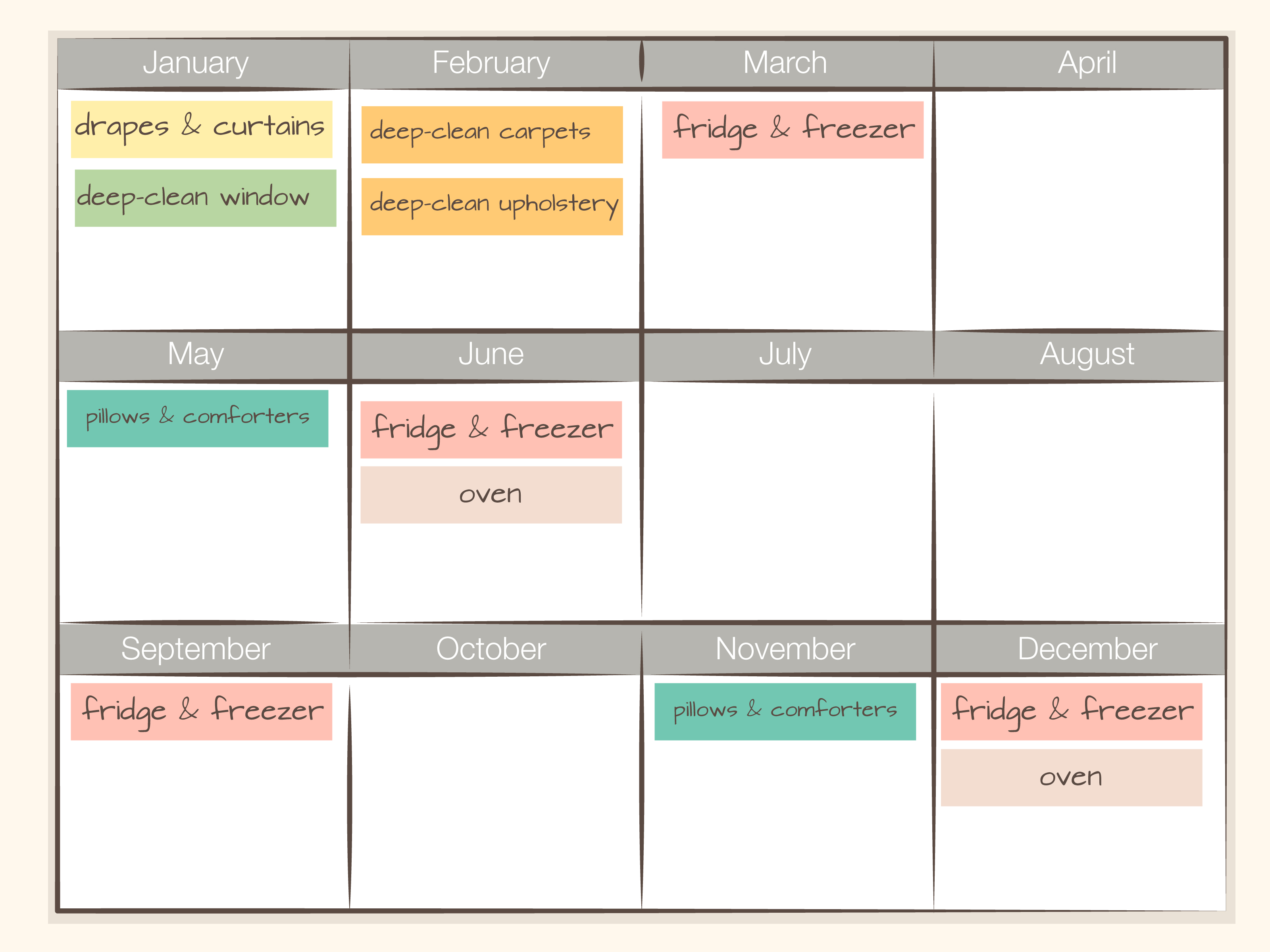
Daily habits maintain order, but weekly and monthly tasks keep the home truly clean. Weekly tasks may include cleaning bathrooms, changing sheets, mopping floors, dusting furniture, vacuuming upholstery, emptying trash cans, and checking the refrigerator for expired food.
Monthly tasks can include cleaning baseboards, washing windows, wiping cabinet fronts, decluttering closets, cleaning under furniture, freshening drains, and reviewing pantry items. Spread these tasks across the month instead of saving them all for one dramatic cleaning marathon.
A Simple Daily Cleaning Routine That Actually Feels Realistic
The best cleaning routine is one you can repeat even when life is busy. Here is a practical daily flow that works for many households:
- Morning: Make the bed, open curtains, put dirty clothes in the hamper, and clear the bathroom counter.
- After meals: Load or wash dishes, wipe the table, clean counters, and sweep crumbs if needed.
- Afternoon or evening: Handle mail, put away shoes and bags, and move misplaced items back to their homes.
- Before bed: Do a five-minute reset in the kitchen or living room.
This routine is not glamorous, but it works. It keeps the home from sliding into disaster mode and makes deeper cleaning far easier.
Room-by-Room Cleaning Habits
Kitchen Habits
The kitchen needs daily attention because food, moisture, and traffic all meet there. Wipe counters after cooking, clean spills quickly, rinse the sink, replace dishcloths often, and check the fridge before grocery shopping. Keep a small trash bowl nearby while cooking to collect scraps and wrappers.
Bathroom Habits
Bathrooms stay cleaner when moisture is controlled. Hang towels so they can dry, wipe the sink after brushing teeth, rinse shower walls when needed, and keep products off the counter. A quick daily wipe can prevent soap scum, toothpaste buildup, and mysterious sink freckles.
Bedroom Habits
A tidy bedroom supports better rest. Make the bed, put clothes in the hamper or closet, keep nightstands clear, and wash bedding regularly. If the room feels cluttered, start with surfaces: dresser, nightstand, chair, floor. The chair is not a closet, even if it has been promoted to that position.
Living Room Habits
Reset the living room at the end of the day. Fold blankets, return remotes to a tray, remove dishes, fluff pillows, and place toys or magazines in baskets. This one habit makes the whole home feel calmer because the living room is often the first place people gather.
Common Cleaning Mistakes to Avoid
Even motivated cleaners can accidentally make more work for themselves. Avoid using too much product, because residue can attract dirt. Do not use the same cloth across the whole house, especially between bathrooms and kitchens. Avoid cleaning with dirty tools, since a grimy mop or dusty vacuum filter can spread mess instead of removing it.
Another common mistake is confusing cleaning and disinfecting. Cleaning removes dirt, dust, crumbs, grease, and many germs from surfaces. Disinfecting uses specific products to kill germs. Both can be useful, but they are not the same step. For best results, clean first, then disinfect when needed.
Most importantly, never mix cleaning products. Combining bleach with ammonia, vinegar, or other chemicals can create dangerous fumes. Read labels, ventilate rooms, wear gloves when needed, and store supplies safely.
How to Build Cleaning Habits That Stick
Start small. Choose three habits first: make the bed, do the dishes nightly, and reset one room for five minutes. Practice those for a week. Once they feel automatic, add another habit.
Attach cleaning to routines you already have. Wipe the bathroom counter after brushing your teeth. Start laundry after breakfast. Clear the coffee table before turning on the TV. When a new habit connects to an existing habit, it becomes easier to remember.
Make cleaning visible and satisfying. Use checklists, timers, music, or a weekly reset ritual. Some people love a printed cleaning schedule; others prefer a phone reminder. The best system is the one you will use when you are tired, busy, and not feeling like the star of a home organization show.
Extra Experience: What Maintaining a Clean Home Feels Like in Real Life
In real life, maintaining a clean home is less about perfect routines and more about recovery speed. Every home gets messy. Groceries come in. Shoes pile up. Someone opens a package and leaves the box in the hallway like a tiny cardboard monument. The difference is how quickly the home can return to normal.
One of the most useful experiences many people discover is that mornings are easier when evenings are handled well. A kitchen reset at night changes the mood of the next day. Walking into a clean kitchen in the morning feels like receiving a small gift from your past self. The coffee tastes better. The counter is ready. You are not trying to make toast beside last night’s dishes and a spoon glued to the counter with mystery sauce.
Another practical lesson is that storage must match behavior. If backpacks always land near the front door, the solution is not to complain forever. The solution is to add hooks, a bench, or a basket near the front door. If blankets are always on the couch, use a large basket beside the couch. If bathroom products cover the vanity, use a tray or drawer organizer. A clean home becomes much easier when the system fits the people who live there.
It also helps to stop treating cleaning as a punishment. Cleaning is care. It is care for your future time, your health, your comfort, and your peace of mind. A clean bathroom mirror makes getting ready easier. A clear dining table makes meals more pleasant. Fresh sheets make bedtime feel like a reward instead of a collapse. These benefits are small, but they stack up.
Many households also find that “closing shift” routines work beautifully. This simply means ending the day with a short reset, similar to how a restaurant closes for the night. Trash goes out if needed, counters are wiped, dishes are handled, the living room is straightened, and tomorrow’s essentials are placed where they belong. It does not need to take long. Ten minutes can change the entire feeling of a home.
For busy families, shared responsibility matters. A clean home should not depend on one exhausted person doing invisible work. Even young children can put toys in bins, carry laundry to a hamper, or wipe a small table with supervision. Teens and adults can manage dishes, trash, floors, bathrooms, and laundry. The point is not perfection; the point is participation.
Pets add another layer of reality. Fur, paw prints, food crumbs, and toy stuffing have a way of appearing five minutes after cleaning. Pet homes benefit from entry mats, washable blankets, frequent vacuuming, lint rollers, and a designated pet supply station. Keeping pet items organized reduces clutter and makes cleanup faster.
Finally, the best experience-based advice is this: never wait for the perfect day to get organized. Start with one surface. Clear one counter. Wash one load. Set one timer. A clean home is not a finish line you cross once. It is a rhythm you practice. Some days you will do the full routine. Some days you will only manage dishes and trash. That still counts. A home that can be reset is a home that can support real life, and real life is always a little messy.
Conclusion
Maintaining a clean home does not require endless scrubbing, expensive gadgets, or a personality transplant into someone who alphabetizes spices for recreation. It requires practical habits that reduce mess before it grows: make the bed, clear counters, clean as you go, handle dishes, wash linens, control paper clutter, and reset small areas daily.
The 19 habits above are easy to practice because they focus on consistency rather than perfection. Start with a few, build slowly, and adjust them to fit your household. A clean home should make life feel lighter, not add another impossible standard to your day.
When your home is easier to clean, it is easier to enjoy. And that is the real goal: less stress, fewer mystery smells, calmer mornings, and a space that feels ready for actual living.